


JOHANNESBURG, May 13 (Xinhua) -- South Africa's rising unemployment figures for the first quarter of 2026 reflect the growing impact of the global energy crisis on the country's economy and labor market, a senior economist said on Tuesday.
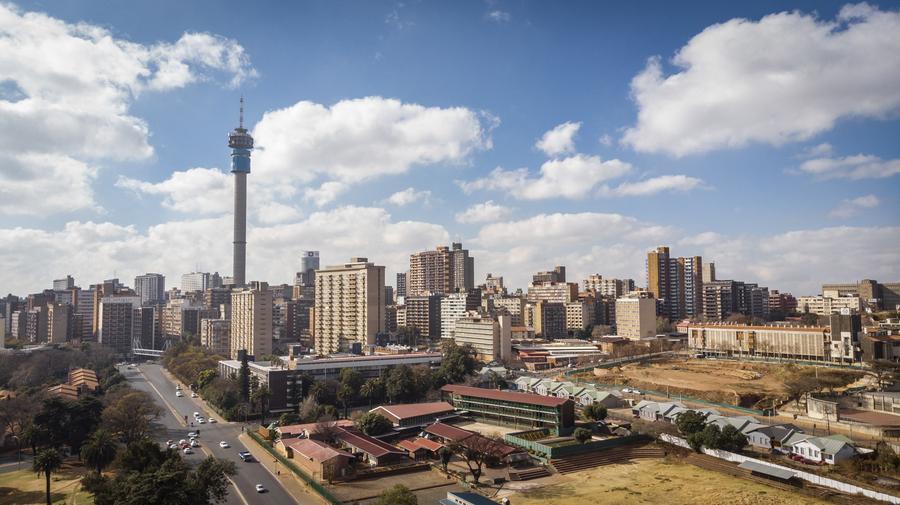
This photo taken on Aug. 10, 2023 shows the view of Johannesburg, South Africa. (Photo: Xinhua)
The official unemployment rate rose to 32.7 percent in the first quarter from 31.4 percent in the fourth quarter of 2025, according to Statistics South Africa. The number of unemployed people increased to 8.1 million.
The official unemployment rate in South Africa has remained above 30 percent for more than five years.
Professor Raymond Parsons of the North-West University Business School said the latest unemployment data is "another early warning signal" of the economic strain caused by global instability, particularly the ongoing conflict in the Middle East.
"The green shoots and early signs of economic recovery seen in recent months in South Africa have been undermined by negative global developments," Parsons said in a statement shared with local media.
He warned that the longer the Middle East conflict continues, the greater the risks to South Africa's economic growth and employment prospects for the rest of 2026.
"It is therefore clearly in South Africa's economic interest to see an early end to the U.S.-Iran war," he said.
Parsons said that while South Africa's economy still shows some resilience and retains limited economic buffers, these safeguards provide only partial protection and leave little room for further strain.
He identified inadequate infrastructure development and insufficient fixed investment as two major domestic challenges holding back economic performance.
"Both areas could respond positively to stronger economic intervention, which would help keep GDP growth in positive territory this year," Parsons said.
He added that household spending, although under renewed pressure, could remain resilient enough to soften some of the external shocks affecting the economy.
Parsons also highlighted inflation and monetary policy as key factors shaping business and consumer confidence.
According to him, attention is now focused on whether the South African Reserve Bank may be forced to raise interest rates in response to rising inflation and its 3 percent inflation target.
At its upcoming Monetary Policy Committee meeting on May 28, the central bank will need to determine whether "second-round effects" from rising headline inflation are becoming strong enough to justify tighter monetary policy, he said.
"The response from other highly credible central banks globally suggests they are unlikely to rush into interest rate hikes that could unnecessarily harm growth and employment," Parsons said.
He added that these international trends are likely to play an important role in the South African central bank's decision later this month.