


Arab region's GDP to grow by 3.7 pct in 2026: UN report
BEIRUT, Feb. 25 (Xinhua) -- The Arab region's economy is expected to gather pace over the next two years, with its average GDP projected to grow by 3.7 percent and 3.3 percent in 2026 and 2027 respectively, according to a report released Wednesday by the UN Economic and Social Commission for Western Asia (ESCWA).
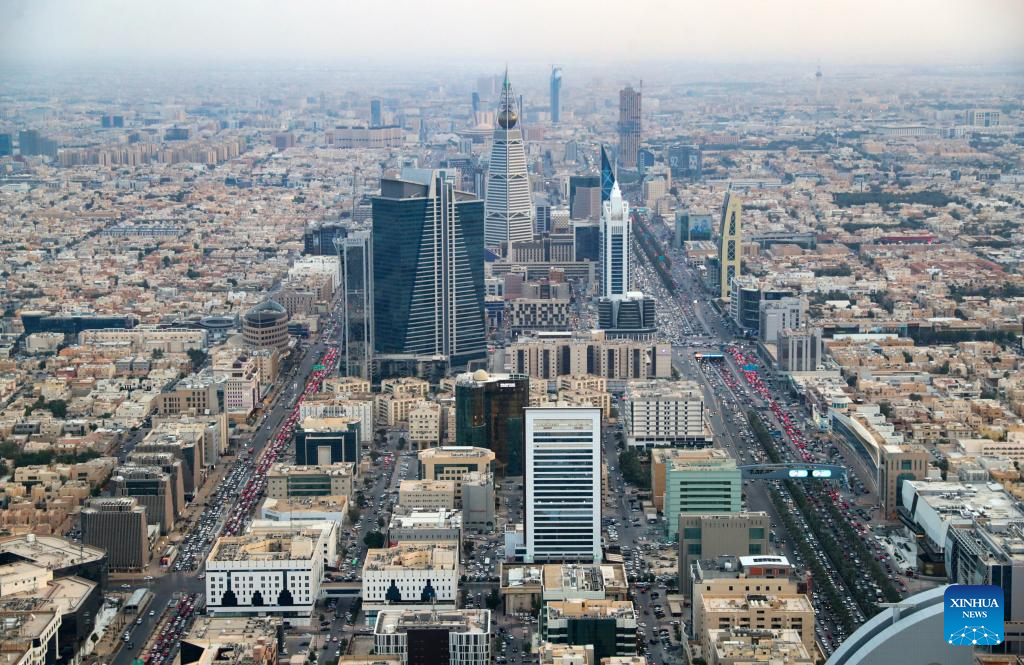
This photo taken on Dec 6, 2022 shows the city view of Riyadh, Saudi Arabia. (File photo: Xinhua)
Regional inflation rates are expected to decline from 8.2 percent in 2025 to 5.4 percent in 2027 as a result of the decline in oil prices and decrease in supply chain disruptions, noted the report titled "Macroeconomic Outlook in the Arab Region."
Still, the region remains exposed to multiple shocks and uncertainties that have weighed heavily on growth prospects, including geopolitical instability, war and conflict, trade disruptions in the Red Sea, and global trade policy uncertainty, it said.
The projected increase in oil and gas production, in addition to enhanced diversification away from hydrocarbon sectors, is expected to drive growth in high-income countries in the region, the report said.
However, significant risks still exist for these countries, including impacts of elevated U.S. tariffs, as well as fears of a potential resumption of the war between Israel and Iran and its repercussions on these countries given their geographical proximity to Iran, it noted.
Meanwhile, middle-income countries in the region are still facing significant "geopolitical and socioeconomic challenges," such as Israel's continued "aggression" on Gaza, the report said.
Additionally, low-income countries are battling socioeconomic challenges "aggravated by constrained fiscal space, a decline in aid, conflict and political divisions," including the war in Sudan, it noted.
The ESCWA urged governments to deepen diversification, strengthen public finances, invest in human capital and digital transformation, and align aid and investment with national priorities, particularly in conflict-affected countries.