


Eurozone inflation rises to 1.9 pct in February
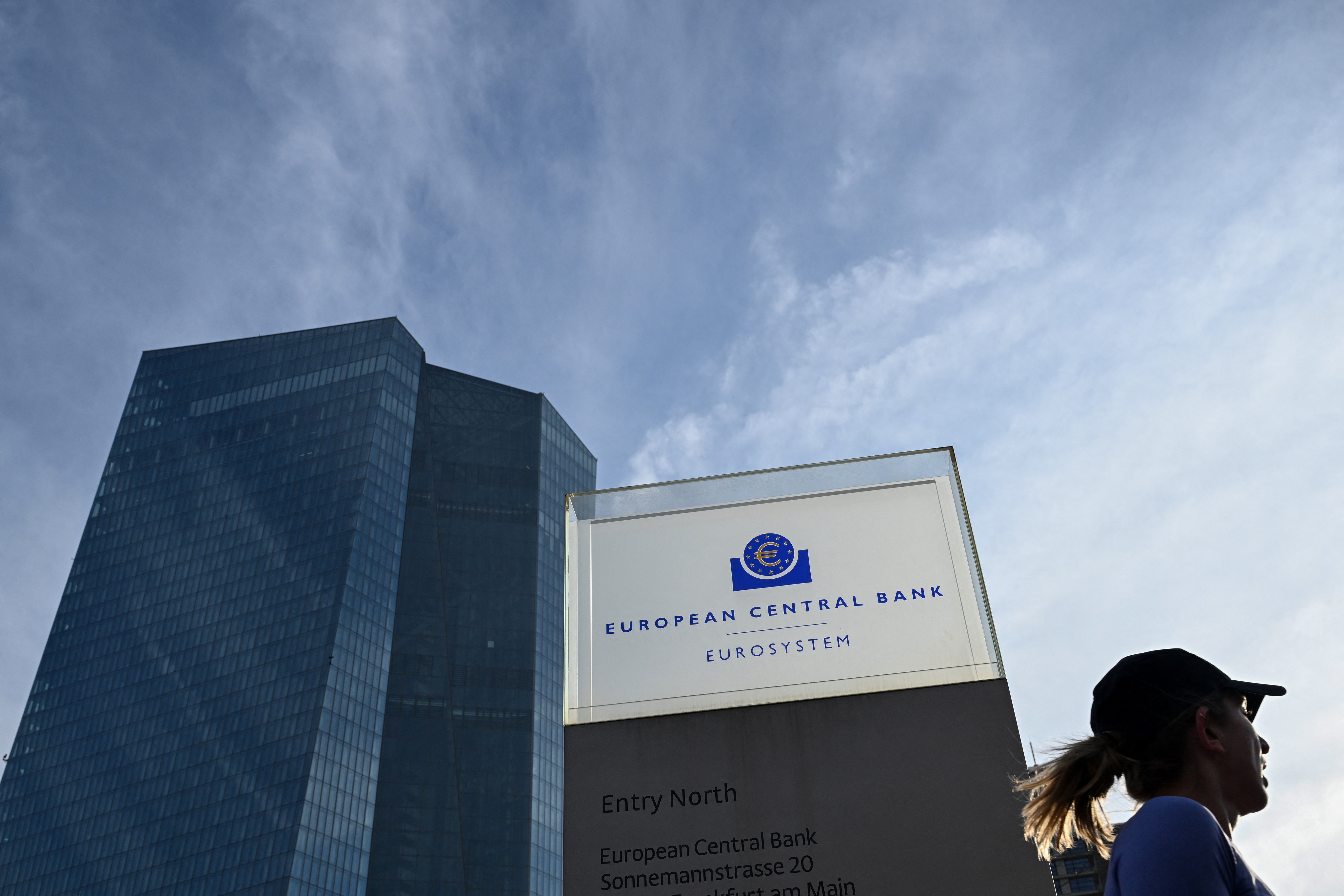
A woman runs past the European Central Bank (ECB) headquarters in Frankfurt am Main, western Germany, on December 18, 2025. (Photo: AFP)
Annual inflation in the eurozone is expected to reach 1.9 percent in February, up from 1.7 percent in January, according to a flash estimate released on Tuesday by Eurostat, the statistical office of the European Union.
Services are projected to record the highest annual rate in February at 3.4 percent, compared with 3.2 percent in January. Food, alcohol and tobacco are estimated to rise 2.6 percent year-on-year, unchanged from the previous month, Eurostat data showed.
Non-energy industrial goods are expected to see an annual inflation rate of 0.7 percent in February, up from 0.4 percent in January, while energy prices are forecast to fall 3.2 percent year-on-year, following a 4.0-percent decline in the previous month. Core inflation, which excludes energy, food, alcohol and tobacco, is estimated at 2.4 percent.
Among the bloc's largest economies, Germany's annual inflation rate is expected to be 2.0 percent in February, down from 2.1 percent in January. In Spain, inflation is seen at 2.5 percent, slightly higher than the 2.4 percent recorded a month earlier. France's inflation is estimated at 1.1 percent, while Italy's rate is forecast to rise to 1.6 percent from 1.0 percent in January, according to Eurostat data.
The European Central Bank (ECB) has said inflation is moving closer to its medium-term target of 2 percent, while underlying price pressures remain in some sectors. Policymakers are closely monitoring incoming data as they assess the outlook for price stability and economic growth in the euro area.
ING Chief Economist Bert Colijn said February's inflation figures showed a rise in core inflation, indicating that price pressures have not fully eased in the eurozone. The energy supply impact of the Middle East conflict poses upside risks to the inflation outlook, keeping the ECB on high alert.
The eurozone's energy supply remains vulnerable as it has become increasingly reliant on liquefied natural gas (LNG), for which global prices have surged since the weekend. The longer the conflict continues, the greater the impact is likely to be on eurozone inflation and economic growth, he added.