


Governments take measures amid energy supply disruptions from Middle East conflict
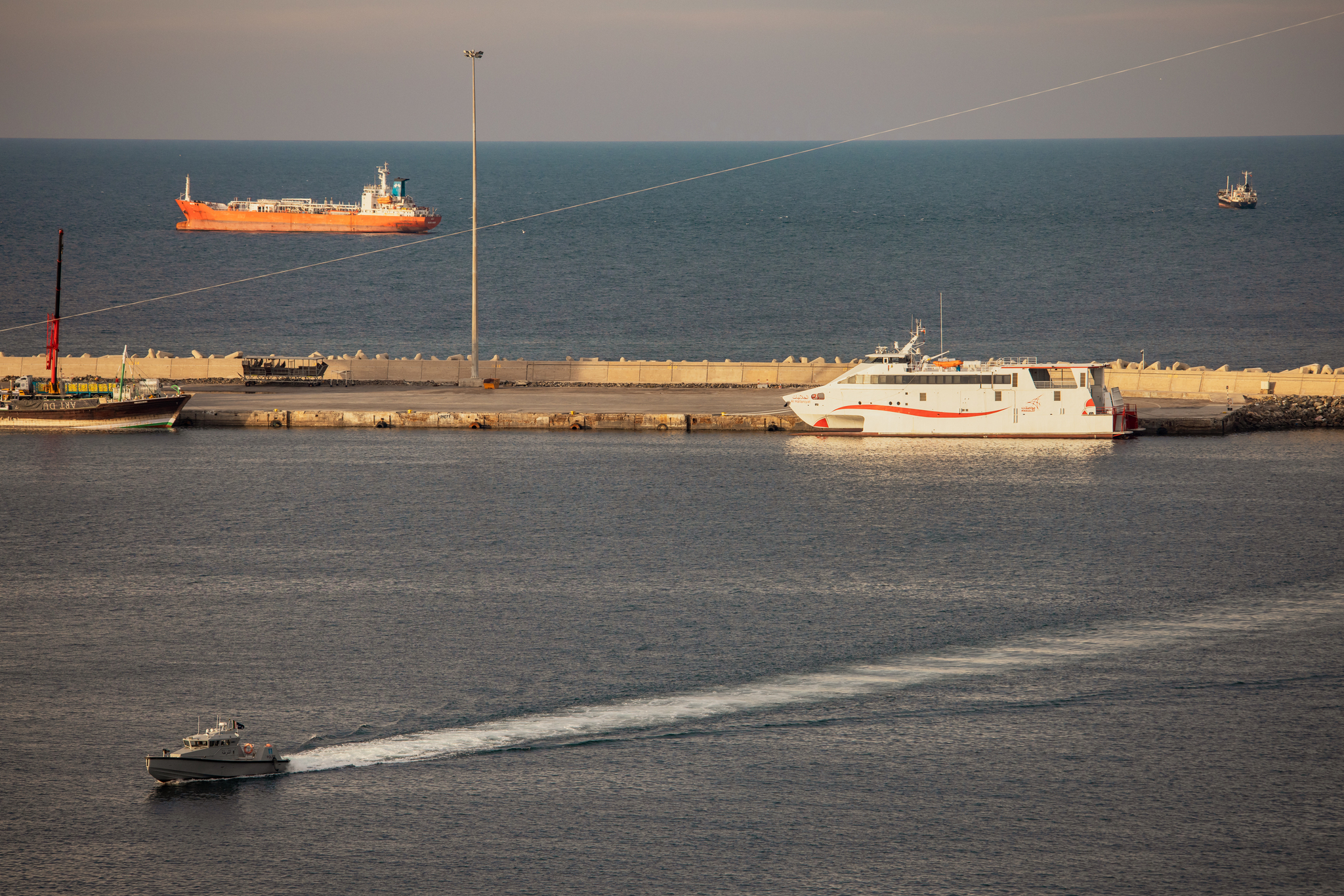
Oil tankers and speedboats are seen moored at the Muscat anchorage near the Strait of Hormuz in Muscat, Oman, March 30, 2026. (Photo: VCG)
The conflict in the Middle East, which began with the US-Israel joint strike on Iran on February 28, has disrupted traffic through the Strait of Hormuz, a key energy shipping lane, and impacted the international energy supply.
With March witnessing a remarkable escalation in global oil prices, and with over 20% of oil supply, as well as shipping of associated products like gas and fertilizers also hamstrung, several countries have had to take steps to tide over the crisis.
The Croatian government will release 35,000 tonnes of diesel from its mandatory oil and petroleum product reserves onto the market, said Ante Šušnjar, Croatia's minister of economy. According to local sources, the released diesel accounts for about 5% of the mandatory reserves, equivalent to four days of Croatia's consumption.
The government of the Republic of Korea (ROK) announced that starting April 8 local time, vehicle restrictions for public institutions will be upgraded from weekday license plate tail-number limits to stricter odd-even license plate restrictions. In addition, starting at 00:00 on April 2 local time, the ROK raised its crude oil security crisis alert from Level 2 "Caution" to Level 3 "Alert," and lifted its natural gas security crisis alert from Level 1 "Watch" to Level 2 "Caution".
Malaysian Prime Minister Anwar Ibrahim announced that in response to tight global energy supplies, the Malaysian cabinet has decided to implement a full work-from-home policy for all government departments, agencies, and government-linked companies starting April 15.
The government of India has slashed duties on petrol and diesel sales to stem losses of oil marketing companies that have thus far avoided having to raise fuel prices.
Australian Prime Minister Anthony Albanese delivered a rare national televised address, warning that the impact of potential US and Israeli strikes against Iran on Australia's economy would last a long time. He called on the public to conserve fuel, use public transport as much as possible, and avoid panic buying of fuel.