


LOS ANGELES, May 2 (Xinhua) -- The entertainment giant Paramount Skydance's blockbuster plan to buy Warner Bros. Discovery cleared a major hurdle with the recent shareholder vote of approval, but the proposed merger is colliding with a wave of opposition.
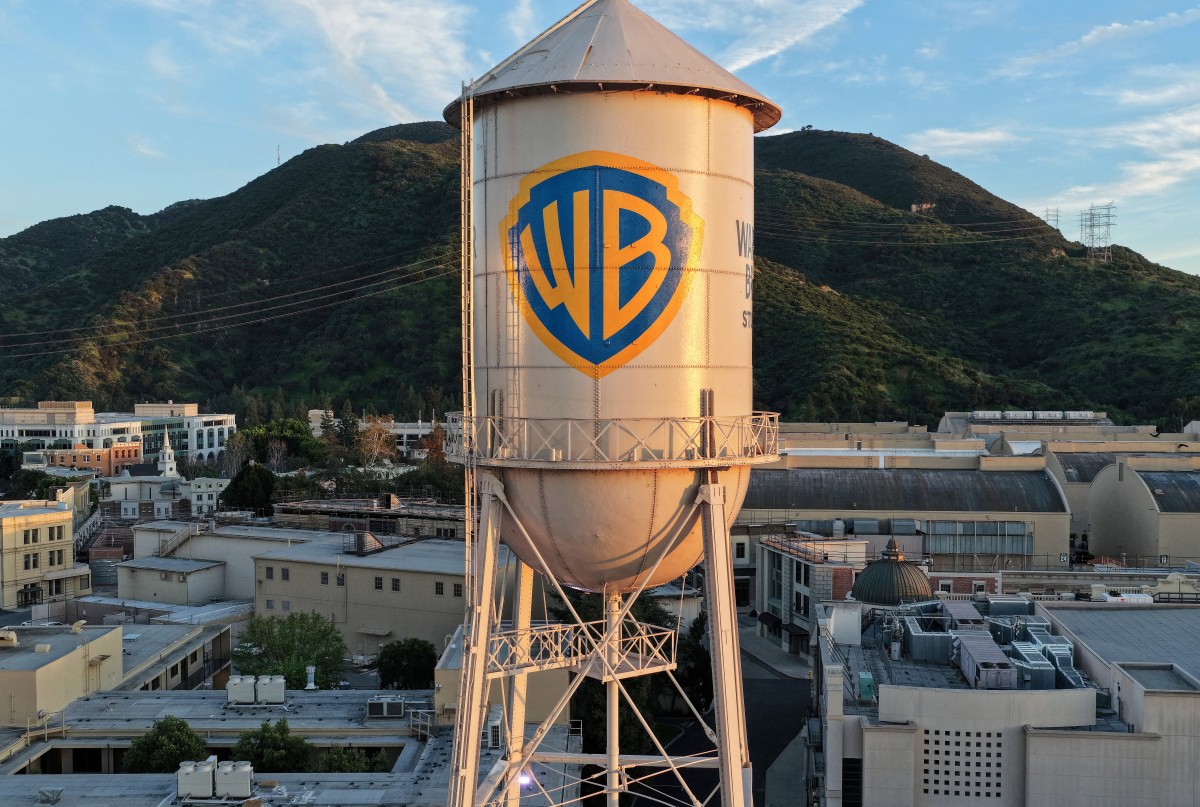
File photo: AFP
The merger was opposed by a coalition of Hollywood creatives, labor unions, press-freedom advocates and Democratic lawmakers, who argue the deal has anti-trust issues that would deepen media consolidation, threaten newsroom independence, and reduce jobs in an already struggling economy.
"We are deeply concerned by indications of support for this merger that prioritize the interests of a small group of powerful stakeholders over the broader public good. The integrity, independence, and diversity of our industry would be grievously compromised," contended the coalition in an open letter posted on the website BlocktheMerger.com, signed by more than 4,700 film and TV stars and creatives so far.
"Competition is essential for a healthy economy and a healthy democracy. So is thoughtful regulation and enforcement," the letter added.
Under the agreement announced in February, Paramount Skydance -- which acquired Paramount last year -- is offering 31 U.S. dollars a share in cash for Warner Bros. Discovery, a price that values the transaction at nearly 111 billion dollars including debt.
The coalition warns that the transaction would "further consolidate an already concentrated media landscape" by shrinking the number of major U.S. film studios to four, and produce "fewer opportunities for creators, fewer jobs across the production ecosystem, higher costs, and less choice for audiences."
Press and media watchdogs have echoed those warnings. Some industry insiders pointed out that the deal could trigger widespread layoffs, especially as Hollywood has already been shaken by major mergers over the past decade, while also leading to higher prices and fewer choices for consumers.
Opponents argue the merger raises classic antitrust concerns because it would combine two major movie studios and major streaming, news, and cable businesses, potentially reducing competition for talent and projects, increasing the merged company's leverage over distributors and advertisers, and narrowing the number of buyers for films and TV series.
They also explain that risks are heightened in a media environment where broadcast licenses, corporate approvals and regulatory decisions can become leverage points in broader political fights.
The merger is expected to be reviewed by the U.S. Department of Justice, and critics have urged state officials to take action.
In an earlier statement, Democratic Senator Elizabeth Warren warned that "a handful of Trump-aligned billionaires are trying to seize control of what you watch and charge you whatever price they want," stressing that state attorneys general may need to enforce the law if federal regulators do not.
California Attorney General Rob Bonta has said his office is scrutinizing the deal.
Bonta told National Public Radio that he has been collecting information on how the merger could harm consumers and those working in the film and TV industry, adding that he does not trust the federal government to conduct a fair investigation.