


Starting May 1, China fully implemented a zero-tariff policy for 53 African countries with which it has diplomatic relations.
Meanwhile, it will continue advancing negotiations and the signing of agreements on economic partnership for shared development and further expand market access for African exports to China by upgrading measures such as "green channels."
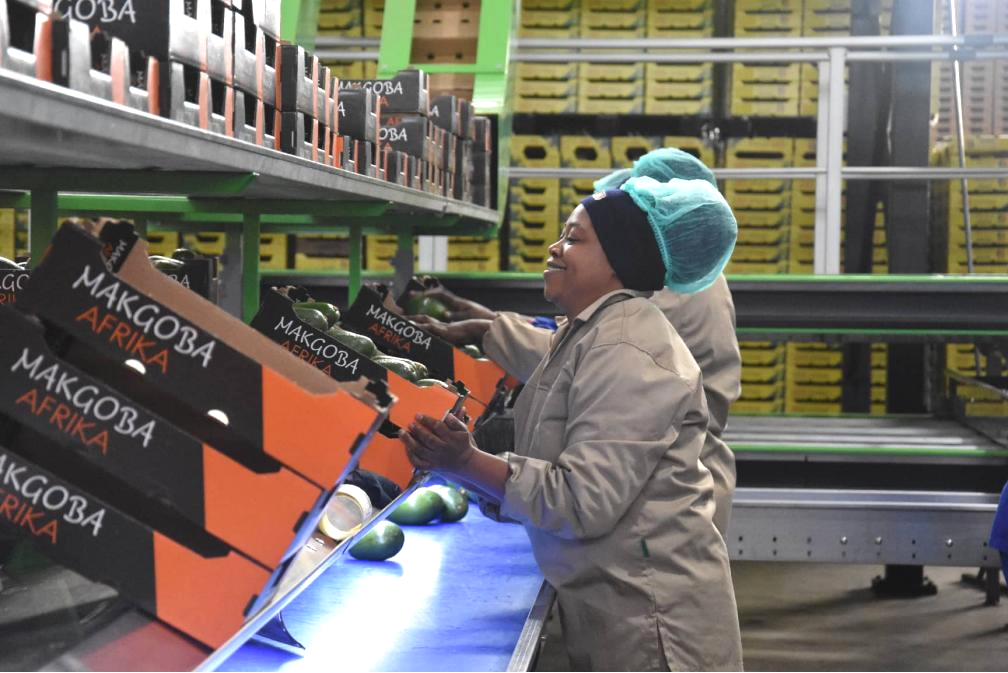
Workers pack avocados at a plant in South Africa. (Photo: Dai Kairan/People's Daily)
People from all walks of life in Africa speak highly of these initiatives. They believe the measures will help African countries achieve leapfrog growth, elevate Africa-China economic and trade cooperation to a new level, and make positive contributions to safeguarding a free and open international trade system.
At a recent matchmaking event between the Zimbabwean government and Chinese agricultural buyers, Zimbabwean officials, farmers and Chinese importers reached multiple cooperation agreements.
"In recent years, Zimbabwean products such as avocados, blueberries and macadamia nuts have entered the Chinese market and gained strong popularity for their quality," said Allan Majuru, CEO of Zimbabwe's trade promotion agency ZimTrade.
"Zimbabwe is improving its policy framework to make full use of the zero-tariff arrangement and further expand agricultural exports to China."
He added that deepening trade ties are strengthening confidence among Chinese buyers and opening up new growth opportunities.
African Union Commission Chairperson Moussa Faki Mahamat described China's decision as "important and timely," calling it a gesture of "brotherhood" that will help African countries cope with current economic challenges.
"The zero-tariff policy brings greater opportunities and will significantly boost exports of agricultural and mineral products, as well as some manufactured goods, to China," said Bakary Sambe, executive director of the Timbuktu Institute, a Senegalese think tank.
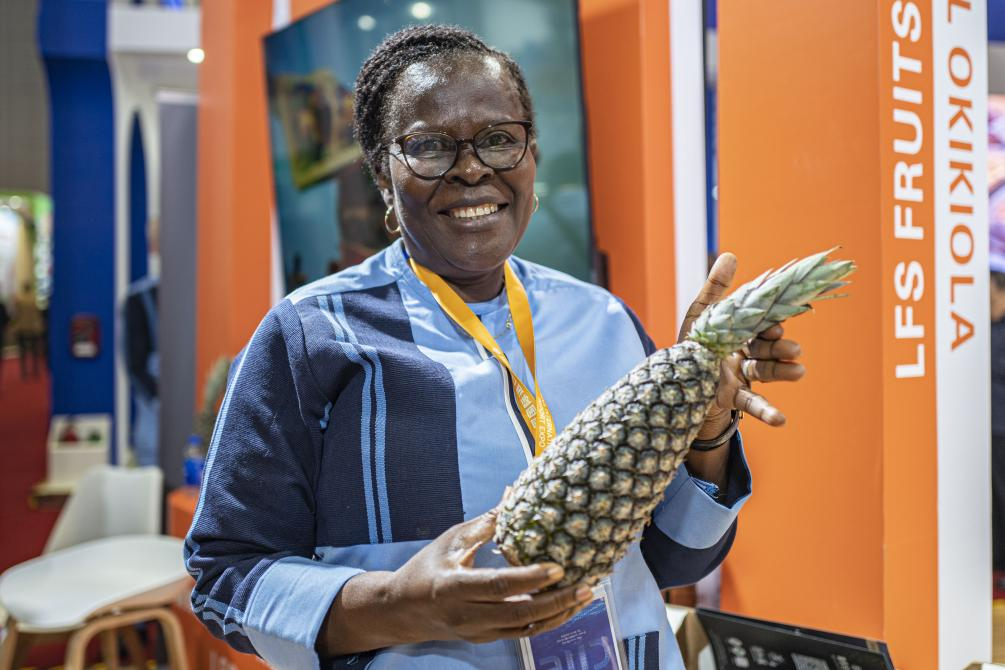
A staff member at Benin's national pavilion showcases a pineapple at the 8th China International Import Expo. (Photo: Wang Chu)
He noted that the policy could create new momentum for industrial development in Africa. If African countries seize the opportunity to enhance value-added production and improve logistics and standards systems, it will effectively advance industrialization.
"Everyone is talking about China's vast market," said Robert Rukundo, chairperson of the Horticulture Exporters Association of Rwanda, which represents 102 companies. Some members have already begun exporting to China, while many others are actively seeking partnerships.
"We are confident that, driven by the zero-tariff policy, Rwanda's agricultural exports will continue to grow," he said.
Alexander Ayertey Odonkor, director of the Ghana Center for China Studies, wrote recently that the zero-tariff initiative could mark a turning point in Africa's development trajectory. It offers an opportunity for economic diversification, while complementary measures such as "green channels" will help upgrade agricultural trade and industrial chains, providing critical support for long-term growth amid a complex global environment.
An article in Guinea's Horoya newspaper noted that China's market offers vast opportunities for African agricultural and industrial products. The zero-tariff policy, it said, goes beyond tax reductions, encompassing infrastructure investment, trade facilitation, technology transfer and support for local processing industries. Guinea should seize this opportunity to use the policy as a catalyst for industrial upgrading and transformation.
Against the backdrop of rising uncertainties in the current international trade landscape, China steadfastly advances high-standard opening-up. It honors its mission and responsibility as a major country with concrete actions, continuously injects stability and certainty into the international trade system and strives to foster an open, inclusive and win-win trade environment.
David Monyae, director of the Center for Africa-China Studies at the University of Johannesburg, said the zero-tariff policy represents a concrete step in implementing the Global Development Initiative and supporting South-South cooperation. It will not only expand Africa's exports to China but also improve the export structure, promoting more high-value-added products and advancing Africa’s economic transformation and industrialization.
An article published by South Africa's Independent Online stated that the policy will unlock new opportunities for the two sides to advance modernization jointly. The consistency of China's trade policies, particularly toward Africa, demonstrates the country's commitment to a rules-based global trading system.
It added that at a time when genuine partnership is more indispensable than ever before, China and Africa are forging ever-closer trade ties.
Zimbabwe's The Herald noted that amid growing fragmentation and protectionism in global trade, China's opening-up measures offer African countries a valuable window of opportunity for development. The policy will help upgrade traditional sectors such as agriculture and mining, create conditions for manufacturing development, and support structural transformation across African economies.