


Britain's growth forecast downgraded for 2026, 2027: CBI
LONDON, June 9 (Xinhua) -- The Confederation of British Industry (CBI) downgraded its expectations for economic growth in its latest forecast on Tuesday, warning that geopolitical tensions and higher energy costs are set to weigh on British households and businesses through 2027.
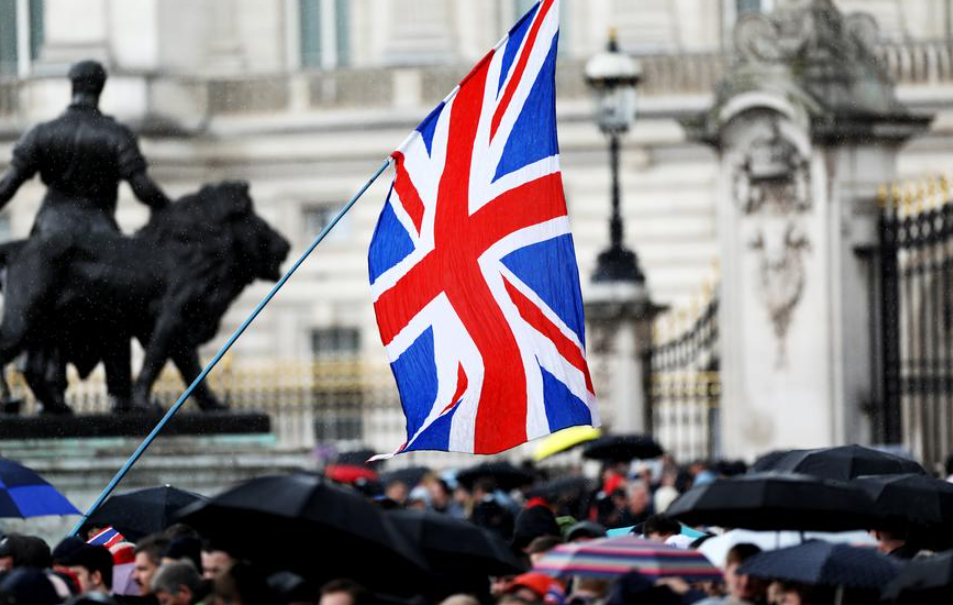
People prepare to leave after watching the military procession held in London, Britain, on May 5, 2025. (Photo: Xinhua)
The CBI expected Britain's GDP to grow at 1.1 percent in 2026 and 0.9 percent in 2027, down from the previous projections of 1.3 percent and 1.5 percent, respectively, issued in December last year.
The downgrade reflects the economic fallout from the Middle East conflict, which has driven up global energy prices, disrupted supply chains, and added to uncertainty for businesses and consumers.
Meanwhile, it expected inflation to increase towards 4 percent by the end of 2026, unemployment rate to rise to 5.5 percent in late 2026 and early 2027, while bank rate to remain at 3.75 percent through 2027.
The private sector is losing momentum, the CBI noted, projecting its hiring set to remain subdued through 2027, while government spending and employment to continue growing at a steady pace.
Highlighting a divergence between public and private sector prospects, it warned this trend is not sustainable for a dynamic, high-growth economy, with the private sector essential to driving productive investment, creating jobs of the future, and raising living standards.
"What's happening around the world is compounding the UK's low-growth story," said Louise Hellem, chief economist at the CBI.
Stressing the effect of tariffs last year and the conflict this year, Hellem said a world of elevated uncertainty and volatility is no longer the exception and that makes getting the domestic fundamentals right more important than ever, calling for measures to ease businesses' tax and cost burdens.