


Beijing has ramped up its consumer goods trade-in program to stimulate market vitality and promote a green transition, driving over 21 billion yuan ($3.1 billion) in sales of new cars and home appliances in the first half of 2026.
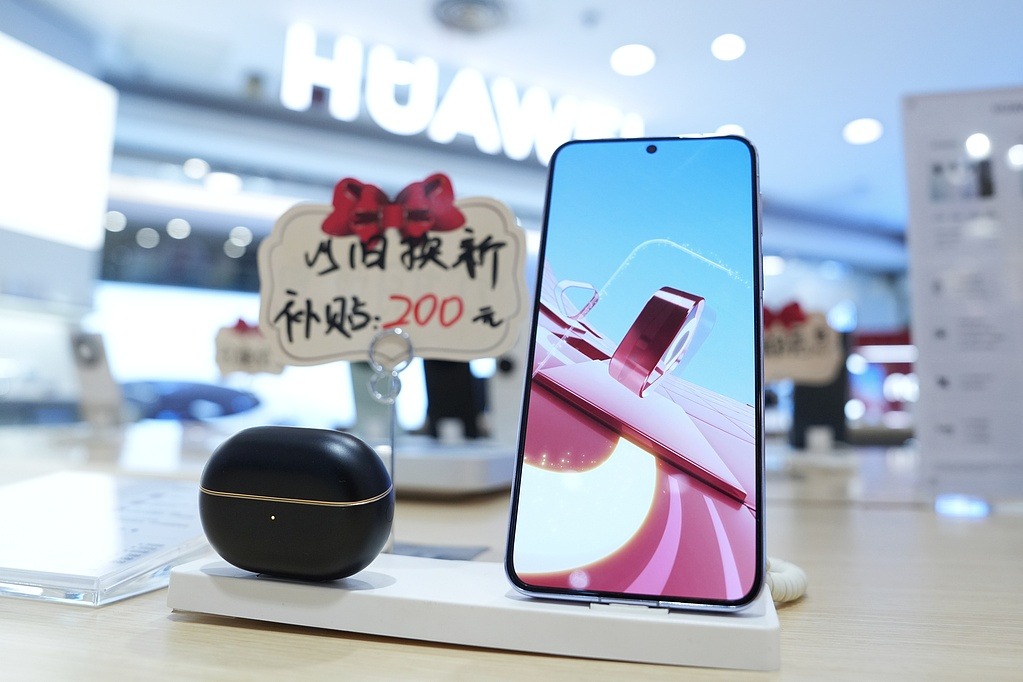
Photo via China Daily
Lu Huiling, deputy director of Beijing's municipal commerce bureau, emphasized the importance of broad public mobilization, expanded enterprise participation and government-enterprise collaboration to support offline retail entities. "We must make continuous efforts in conducting joint inspections to ensure these policies benefit the people, boost consumption and achieve expected results through standard and orderly implementation," Lu said during a recent promotion meeting.
Operating under the "Shopping in China" framework, the city's trade-in policies have been efficiently implemented, yielding significant economic results. By adjusting the quota of subsidies during key consumption times like holidays, the policy has maximized its leverage effect. In the automobile sector, more than 52,000 consumers have applied for subsidies so far, generating over 11 billion yuan in new car sales.
Meanwhile, the city has subsidized the sales of over 2.4 million green home appliances and digital products, driving sales past the 10-billion-yuan mark and effectively satisfying public demand.
To further empower offline retail, the bureau has rolled out a series of targeted promotional activities across enterprises, rural villages, residential communities, school campuses and exhibitions. These initiatives feature a combined model of policy subsidies, enterprise discounts and financial benefits. The campaigns are tailored to different demographics, focusing on elderly friendly appliances in communities, enhanced installation and after-sales services in rural areas, digital products for students, and one-stop experiences in enterprises.
By linking with events like the taste of Beijing food festival and utilizing time-honored brand resources, the city has expanded publicity through offline experiences and online livestreaming. On average, each promotional event reaches about 2,000 people and directly stimulates approximately 160,000 yuan in consumption.
To enhance consumer convenience, the bureau coordinated with apps like Dianping and UnionPay to launch features for querying and navigating to participating trade-in stores. Furthermore, smart glasses were introduced as a new subsidized category this year.
To further cultivate this market, immersive experience events were held, featuring representative tech brands such as Huawei, iFlytek, Xiaomi and Qwen. Consumers experienced smart translation, transcription, audio-visual playback and gaming functions in simulated commuting and office scenarios, and were able to claim digital product subsidies on-site.
To ensure stable business operations, the bureau optimized its working mechanisms by establishing a monthly advance payment system, pre-paying 80 percent of the verified subsidy amounts to alleviate financial pressure on enterprises. By removing geographical restrictions and sales thresholds, the program has attracted 26 channel enterprises and over 1,400 merchants. The total number of participating sales enterprises has grown by nearly 90 percent compared to 2025, covering more than 7,000 stores citywide.
Strict supervision remains a priority. The bureau is intensifying inspections on key processes such as qualifying applications, commodity sales and delivery to prevent illegal practices like fraudulent claims or raising prices before applying subsidies. Regular enterprise communication meetings, practical training and continuous on-site inspections are conducted to ensure transparent and orderly progress.