


Yen intervention only a short fix: Experts
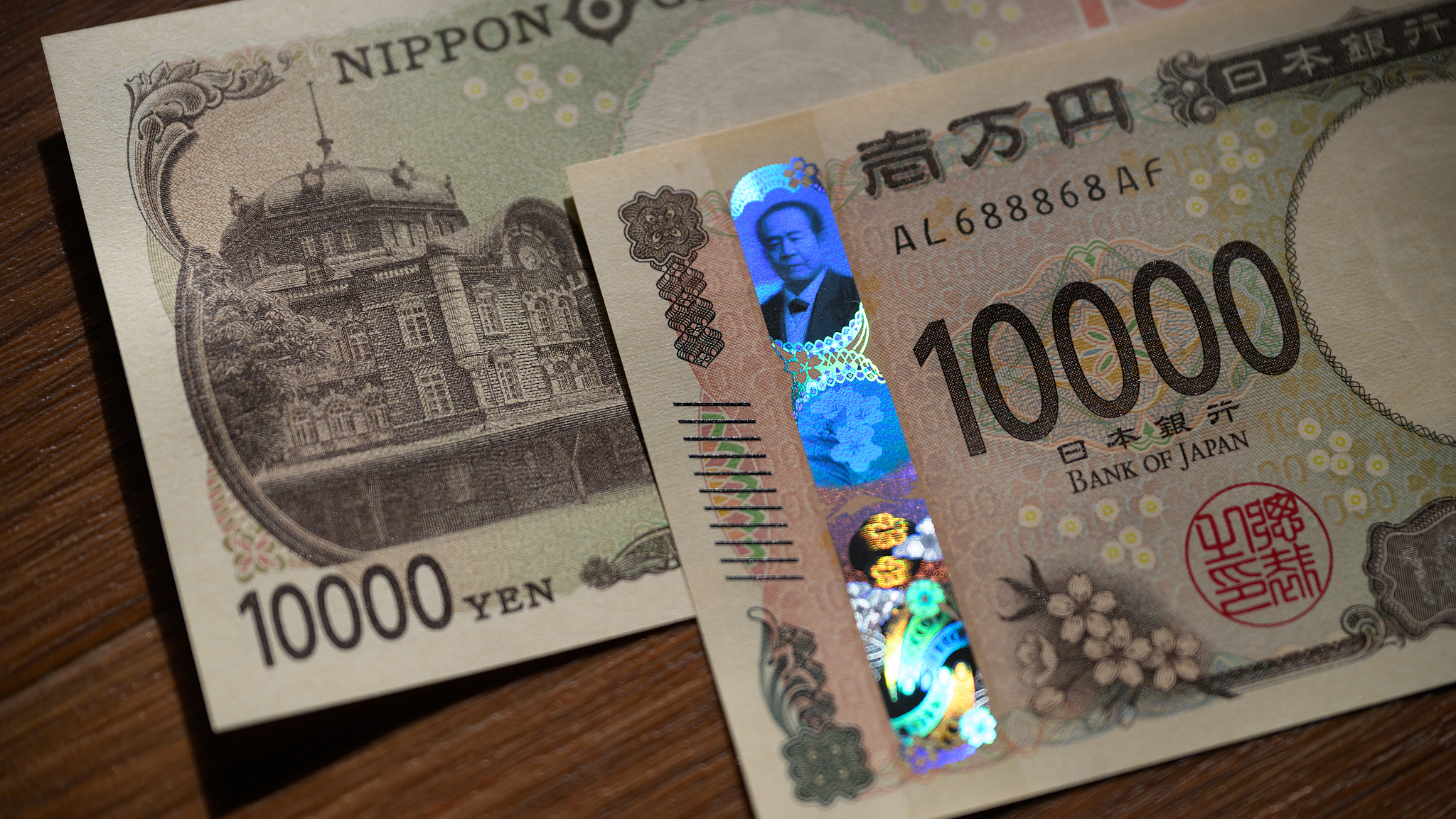
Japanese 10,000 yen banknotes arranged side-by-side, Kawasaki, Kanagawa, Japan, April 18, 2025. (Photo: VCG)
The US and Japan's first joint action on the yen in 15 years can only offer a temporary effect in defending the Asian currency, and a sustained reversal of the yen's long-term downward trend still depends on broader fiscal and monetary policy adjustments, experts warned on Monday.
They made the remarks after Japanese Finance Minister Satsuki Katayama confirmed in a statement on Monday that Japan purchased its currency "in coordination with the US Department of the Treasury" on Friday. Katayama said the intervention was aimed at countering "excessive volatility and disorderly movements" and that both sides "will not hesitate to conduct further joint intervention".
At 5 pm on Monday (Tokyo time), the yen strengthened to around 156.76 per dollar after briefly hitting 155.20, its strongest level since early May.
US President Donald Trump said on Sunday that the US had intervened in the foreign exchange market at Japan's request to support the weakening yen.
Data from the Bank of Japan, the country's central bank, indicated that Tokyo may have sold almost $59 billion of US dollars to buy yen when it intervened in New York markets on July 30, before the joint intervention with Washington on July 31.
The yen has been under sustained downward pressure this year, weakening to around 164 per dollar in late July, a 40-year low against the greenback, briefly.
The Japanese government and the BOJ carried out large-scale yen-buying intervention between late April and May. However, the effect quickly faded, and the yen soon resumed its decline.
Joint intervention by Japan and the US is extremely rare outside periods of financial crises or major disasters. The last such action took place in 2011, when the yen surged following the Great East Japan Earthquake.
Naomi Muguruma, chief bond strategist at Mitsubishi UFJ Morgan Stanley Securities, said the joint intervention reflected growing concern in Japan and the US over the yen's rapid depreciation.
However, she said the yen's weakness stems from concerns over Japan's fiscal expansion and perceptions that the BOJ is "behind the curve" on interest rate hikes.
'Temporary relief'
Currency intervention, Muguruma said, can only provide temporary relief without addressing the underlying causes.
The joint intervention came as the BOJ kept interest rates unchanged at its latest policy meeting. BOJ Governor Kazuo Ueda warned of "clear upside risks" to inflation and said the central bank would adjust policy if necessary to avoid falling "behind the curve".
Takahide Kiuchi, executive economist at the Nomura Research Institute, said currency intervention would only have a temporary effect, with sustained yen strength requiring improved economic fundamentals or weaker expectations of further US Federal Reserve rate hikes.
To ease market concerns over Japan's fiscal outlook, Kiuchi said the government should present a stable funding source for its planned consumption tax cut and dispel perceptions that it has pressured the BOJ to delay further rate hikes.
Late last month, Prime Minister Sanae Takaichi unveiled a plan to cut the consumption tax on food and beverages from the current 8 percent to 1 percent for a two-year period beginning in April 2027.
The measure is aimed at mitigating the impact of rising prices, but has triggered broad concern and debate both within the ruling coalition and among opposition parties over the lack of a clear alternative revenue source.
Masafumi Yamamoto, chief foreign exchange strategist at Mizuho Securities, told the Asahi Shimbun newspaper that the intervention appeared intended to slow the yen's decline while leaving the broader policy stance of Takaichi's administration unchanged.
Yamamoto said the move could buy time against the yen's rapid depreciation and help avoid inflation that could weigh on the government's approval ratings. However, he warned that underlying pressure on the yen would remain unless broader fiscal and monetary policy concerns were addressed.