


US economy slowed in the second quarter as inflation complicates Fed policy path
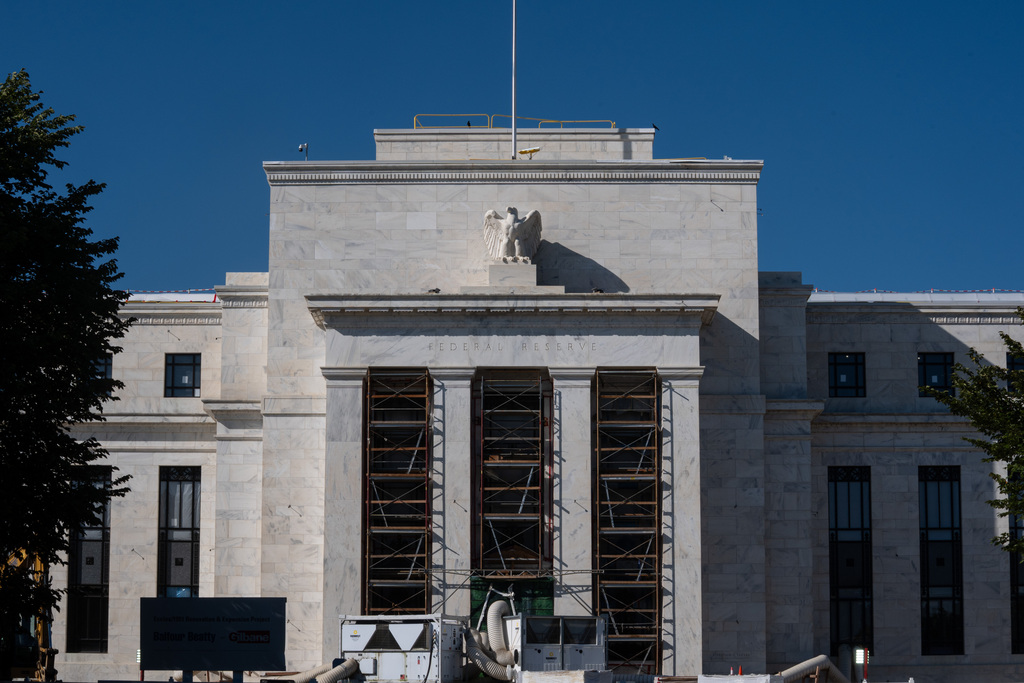
The Marriner S. Eccles Federal Reserve Board Building is seen under renovation in Washington, D.C., the US, September 15, 2026. (Photo: VCG)
The US economy slowed in the second quarter of 2026, while persistent inflation is complicating the Federal Reserve's policy outlook.
Real GDP grew at an annualized rate of 2.2% in the second quarter, according to the US Bureau of Economic Analysis, down from 2.5% in the first quarter. Consumer spending and business investment remained key growth drivers, while stronger imports weighed on overall growth. At the same time, inflation remains above the Fed's 2% target.
The economy and labor market remain broadly solid, but August PCE inflation stood at 3.4%, Federal Reserve Vice Chair Philip Jefferson noted on Thursday, highlighting that "inflation has been too high for too long". He added that future policy decisions would depend on economic data, the evolving outlook, and the balance of risks.
US economic growth in the first half of the year was around 2%, while tariffs, energy prices, geopolitical tensions and AI-related investment are adding to price pressures, Federal Reserve Governor Michael Barr said in Detroit on September 29.
Speaking on the same day, John Williams, president and CEO of the Federal Reserve Bank of New York, attributed three reasons for a one percentage point increase in inflation over the last year-and-a-half. He listed tariffs, geopolitical and supply-chain disruptions, and high demand for AI-related goods, noting the latter two remain active factors even now.
Inflation is still too high, Federal Reserve Bank of Minneapolis President and CEO Neel Kashkari said on Thursday, signaling that the Fed could move ahead with further rate increases, though he didn't hint at the timing or magnitude of future rate adjustments.