


PBOC: China remains committed to letting market play decisive role in determining exchange rate
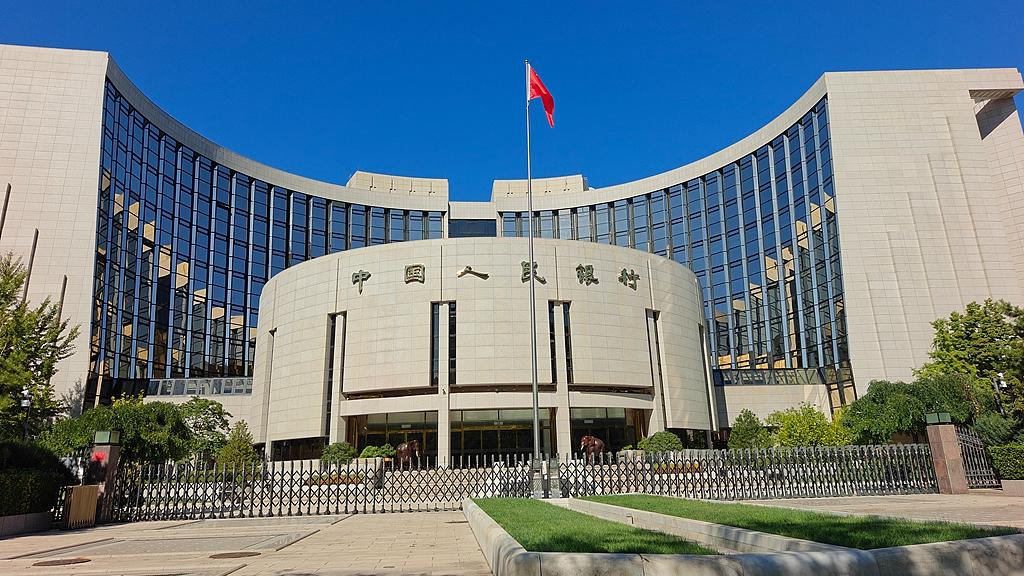
The headquarters of the People's Bank of China in Beijing, China, November 6, 2026. (Photo: VCG)
The RMB exchange rate, as an important price in the financial market, has frequently been the subject of attention from various quarters, with discussions increasing recently. Against this backdrop, the People's Bank of China (PBOC), the country's central bank, on Thursday shared its view on key issues related to the RMB exchange rate as follows:
China adopts a managed floating exchange rate regime based on market supply and demand with reference to a basket of currencies. Market forces play a decisive role in determining the RMB exchange rate.
The RMB exchange rate has floated in both directions over the past two decades. It has experienced several cycles of appreciation and depreciation since 2010, with more pronounced two-way floating and greater flexibility.
China's trade growth is driven by its growing industrial competitiveness in the global market. China has no need or intent to gain competitive advantages through currency devaluation, nor has it ever resorted to competitive devaluation.
Exchange rate dynamics are driven by a number of factors including economic growth, monetary policy, financial market, geopolitics and sudden shocks. There is no straightforward relationship between exchange rate and current account.
There is no well-established methodology for evaluating the equilibrium level of exchange rates internationally. Therefore, citing idiosyncratic assessment findings as "official evidence" for RMB undervaluation is a misinterpretation and misuse of those findings.
Global economic imbalances are deeply intertwined with shifting global division of labor, inherent flaws in the international monetary system, and persistently high fiscal deficit and high consumption in some countries. Addressing global imbalances requires collective actions from all stakeholders. Attributing one's decline in industrial competitiveness, weakened fiscal discipline, and complicated structural issues simply to others' exchange rates is nothing but shifting the responsibility for adjustment onto others and dodging accountability.
China has long been a contributor to global economic rebalancing. During the 15th Five-Year Plan (2026-30) period, China will stay the course in transforming its economic growth model, expand domestic demand, improve business environment, deepen the high-standard opening up, and pursue a more open, inclusive and balanced global economy.