


IMF projects 4.5% growth for sub-Saharan Africa amid rising risks
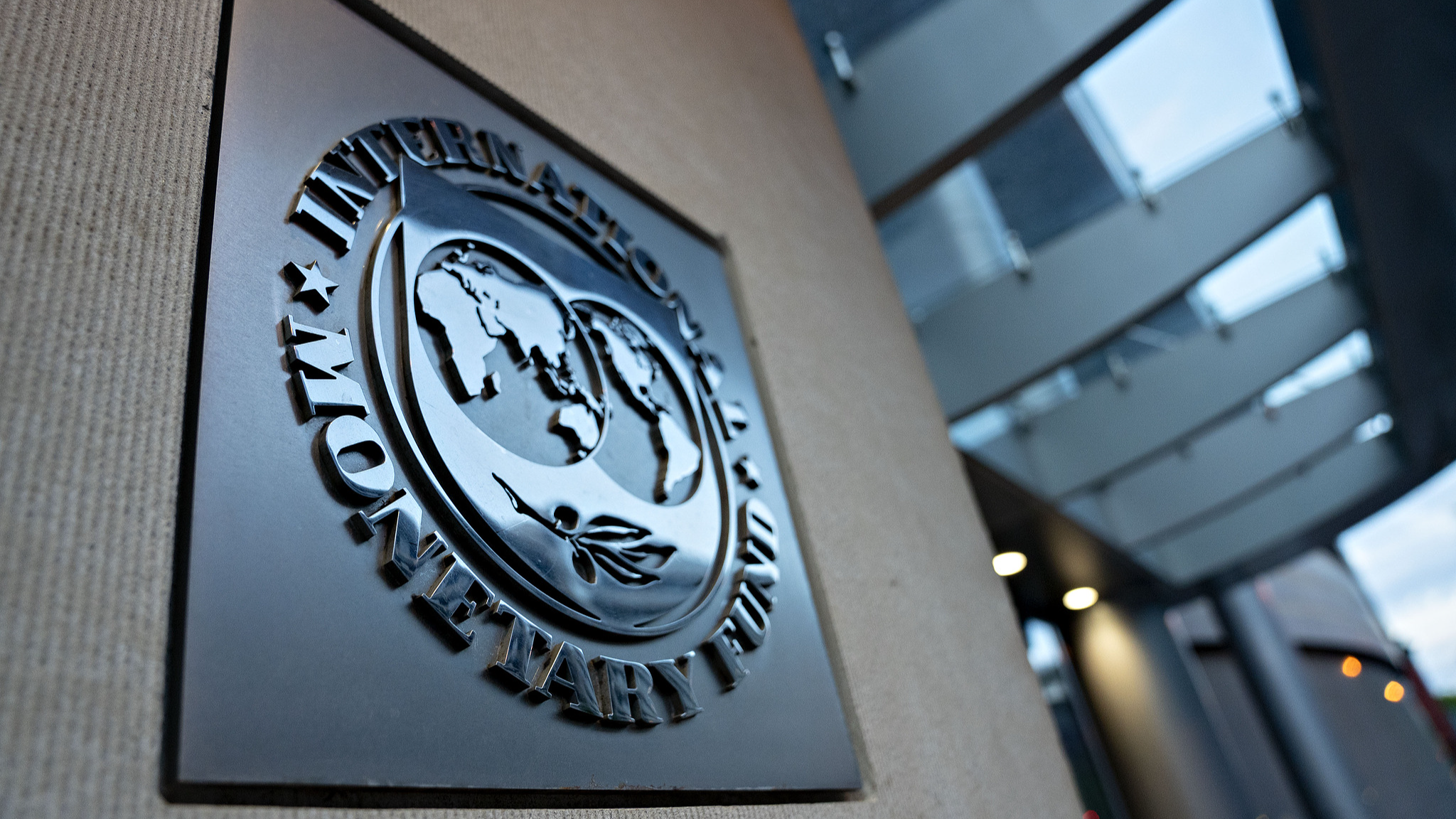
Signage hangs at the International Monetary Fund (IMF) headquarters in Washington, D.C., the United States, April 14, 2020. (Photo: VCG)
Sub-Saharan Africa is expected to maintain economic growth of 4.5% in 2026 and 2027, however, the International Monetary Fund (IMF) has warned that increasing economic pressures could weaken the region's recovery.
In its latest regional outlook, the IMF said countries had demonstrated resilience to disruptions linked to the Middle East conflict, supported by adjustments in global energy supplies, stronger commodity export earnings in some economies and earlier economic reforms.
However, the recovery remains unequal. Resource-intensive economies have maintained relatively strong performance, while growth in non-resource-intensive countries is projected to slow from 6.4% in 2025 to 6% in 2026.
Inflation is also expected to rise, with the regional median increasing from 3.4% last year to 4.3% in 2026 and 5% in 2027, driven in part by higher fuel, transport and fertilizer costs.
The IMF warned that governments have limited capacity to absorb further shocks, citing high debt-servicing costs, weak foreign-exchange reserves and declining international aid. Bilateral aid to the region is expected to fall by a further 12% in 2026 following a roughly 25% decline in 2025.
Severe weather, particularly the strengthening El Niño phenomenon, presents another major threat to food production and electricity supplies. The IMF estimates that a severe agricultural shock could lower median regional growth by 0.5 percentage points and hike inflation by 2.6 percentage points in 2027.
The Fund also appealed to governments to strengthen public finances, avoid excessive subsidies, offer direct assistance towards vulnerable households and safeguard investment in infrastructure and productive sectors.
It also called for reforms to boost electricity supply, digital connectivity, as well as the business environment to strengthen long-term economic resilience.