


Can APEC reinvent free trade for a fragmented world?
Editor's Note: Michael G. Wang is a CGTN anchor. The article reflects the author's opinions.
Twenty years after APEC embraced the vision of a region-wide free trade area, China's third APEC host year offers an opportunity to inject fresh momentum to turn a longstanding ambition into practical progress.
At a time when protectionism is rising and trade has become an increasingly contentious political issue, an unexpected consensus has emerged in the Asia-Pacific.
In May, trade ministers from all 21 APEC economies, meeting in the Chinese city of Suzhou, reaffirmed their commitment to advancing regional economic integration, including the long-term vision of a Free Trade Area of the Asia-Pacific (FTAAP).
That commitment is particularly noteworthy given the profound changes in the global trading environment. Tariffs have returned to the forefront of economic policy. Governments are scrutinizing supply chains, while concerns over economic security, industrial competitiveness and technological leadership increasingly shape trade decisions.
Yet the region remains an indispensable engine of global commerce. APEC's 21 member economies account for approximately 40% of the world's population, nearly half of global trade, and more than 60% of global GDP.
Despite their differences, these economies continue to recognize the value of deeper integration. The question going forward is what consensus on deeper integration can achieve.
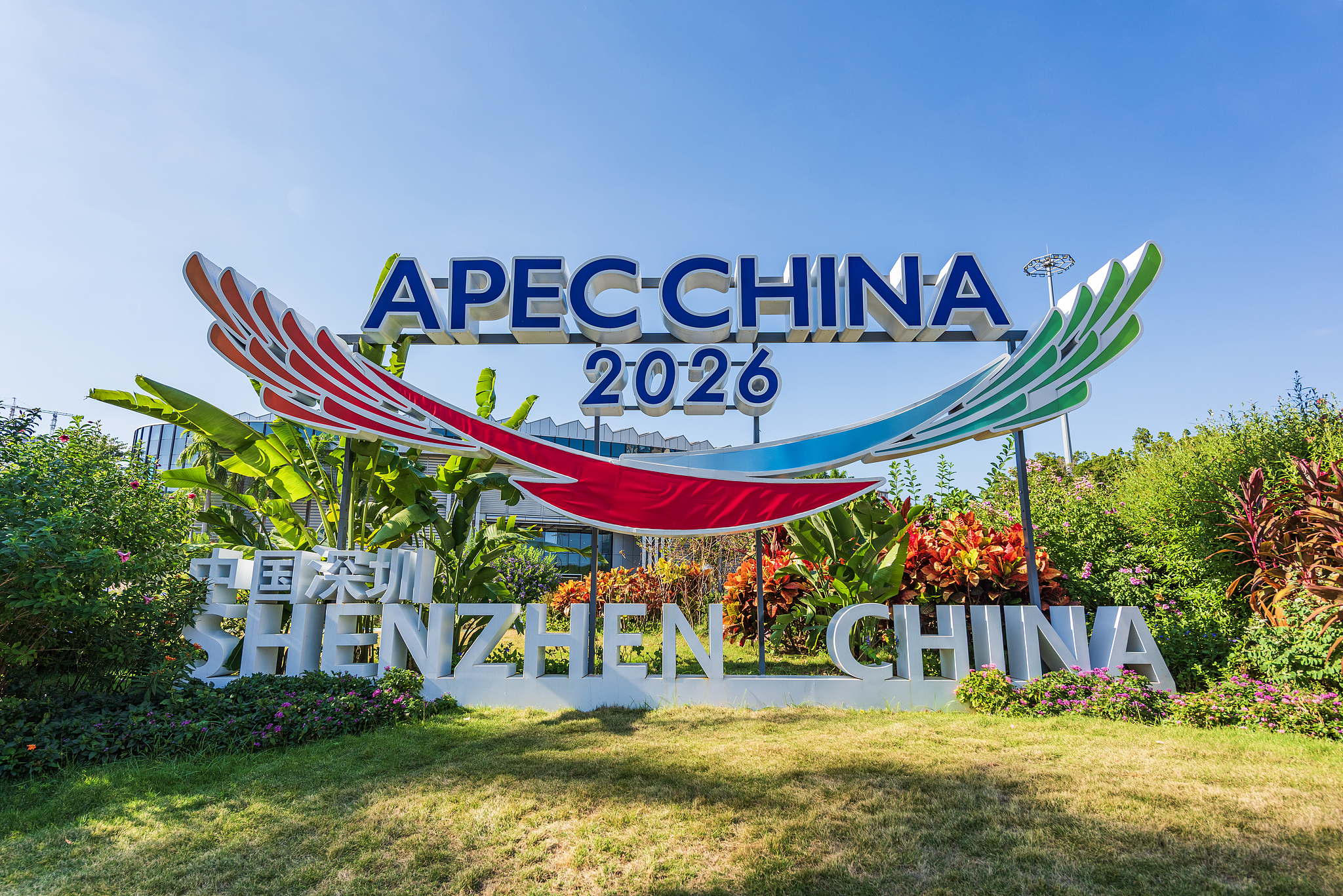
The main venue of the 2026 APEC Meeting, Shenzhen International Exchange Center, Shenzhen, China, November 9, 2026. (Photo: VCG)
Twenty years of ambition
The FTAAP vision can be traced back to 2004, when the APEC Business Advisory Council (ABAC) proposed exploring the creation of a Free Trade Area of the Asia-Pacific, citing its potential to deliver significant economic benefits across the region. Two years later, APEC leaders formally recognized FTAAP as a long-term prospect for regional economic integration. The economic rationale was compelling: connecting some of the world's largest consumer markets, manufacturing centers and trading economies through a more coherent set of rules.
The region has already made considerable progress in lowering trade barriers. According to APEC, average tariffs across its member economies fell from approximately 17% when the forum was established in 1989 to 5.1% in 2024. While this decline reflects a combination of unilateral reforms, regional agreements and multilateral trade liberalization, it illustrates how dramatically the region's trading environment has changed over the past three decades.
The scale of the region's economic interdependence is striking. Calculations based on StatsAPEC data show that the value of goods exported between APEC's 21 economies nearly quadrupled from approximately $2 trillion in 2001 to $7.6 trillion in 2021, the latest year with complete figures for all 21 economies in the dataset. That was nearly twice the value of merchandise exports between the European Union's 27 member states in the same year.
The proportion of APEC merchandise exports destined for fellow members remained remarkably stable at around 70% over those two decades, despite successive global economic shocks and growing geopolitical tensions.
By comparison, 61.1% of EU merchandise exports went to fellow member states in 2021, according to European Commission figures. The Asia-Pacific is already deeply interconnected, even without the EU's single market institutions. The next opportunity lies not simply in expanding trade, but in making its vast network of commercial relationships more efficient, accessible and resilient.
Economic research has reinforced the case for further integration. A study reviewed by the Pacific Economic Cooperation Council (PECC) estimated that a region-wide FTAAP could generate economic gains for APEC members ranging from $724 billion to more than $1 trillion, depending on the scope and depth of liberalization.
Although these estimates reflect modeled scenarios rather than realized outcomes, and were developed before some of today's geopolitical and economic disruptions, their underlying message remains relevant: a more comprehensive and inclusive free trade area could expand economic opportunities across the region, generating benefits beyond those achievable through smaller, fragmented trade arrangements. These gains would come from lower trade costs, more predictable market access and greater opportunities for specialization, which together can increase productivity, encourage investment and expand consumer choice.
The challenge is that the political conditions for realizing these gains have become considerably more complicated.
The Asia-Pacific encompasses economies with different development priorities, regulatory traditions and approaches to industrial policy. Even among economies broadly supportive of trade, disagreements persist over a range of issues. This helps explain why FTAAP has remained an aspiration rather than a negotiated agreement.
Yet China's 2026 APEC host year offers an opportunity to rethink what progress toward regional integration might look like.

The APEC Ministers Responsible for Trade Meeting opens in Suzhou, Jiangsu, China, May 22, 2026. (Photo: VCG)
A shared destination, different pathways
The consensus reached among APEC trade ministers in Suzhou reaffirmed a shared long-term vision while laying the groundwork for further progress toward FTAAP.
At a time of growing economic fragmentation, sustaining cooperation toward that goal is itself valuable. But preserving an ambition is only the beginning. The next challenge is to identify practical areas where economies can advance together despite their differences.
China has made this challenge a central focus of its 2026 APEC host year.
Building on the Suzhou consensus, China proposed preparing a standalone FTAAP statement for the upcoming Economic Leaders' Meeting in Shenzhen, emphasizing flexible and pragmatic cooperation and strengthening economies' capacity to participate in high-standard trade arrangements.
The approach recognizes that regional integration does not depend on securing a single grand bargain.
The Asia-Pacific already has an extensive network of trade agreements, including the Regional Comprehensive Economic Partnership (RCEP) and the Comprehensive and Progressive Agreement for Trans-Pacific Partnership (CPTPP). These arrangements have different memberships and rules, but they also offer foundations upon which further integration can be built.
Rather than treating existing agreements as competing destinations, APEC can encourage greater understanding of their similarities and differences, identify opportunities for regulatory compatibility, and help economies develop the capabilities needed to participate more fully in regional commerce.
China's own economic priorities could reinforce this regional agenda. Its 15th Five-Year Plan framework calls for a notable increase in household consumption as a share of GDP, while a dedicated consumption plan targets around 60 trillion yuan (approximately $9 trillion at current exchange rates) in annual retail sales by 2030.
A more consumption-driven Chinese economy could create additional opportunities for exporters across the Asia-Pacific, from agricultural producers to manufacturers of consumer goods. In this sense, China's efforts to strengthen domestic demand and APEC's pursuit of deeper regional integration could be mutually reinforcing.
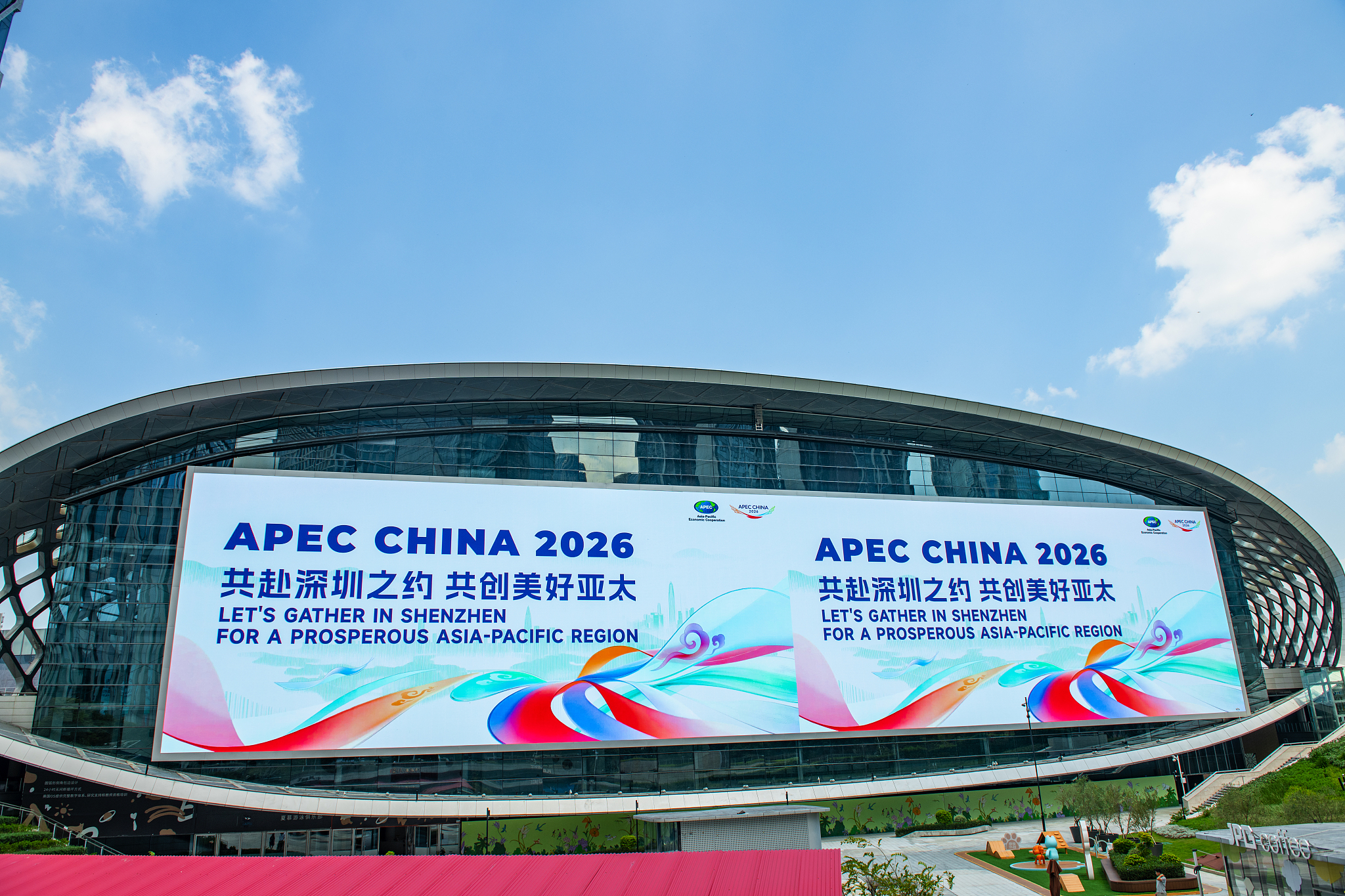
Shenzhen Bay Sports Center, Shenzhen, China, September 11, 2026. (Photo: VCG)
The hidden costs of fragmentation
For businesses, the obstacles to international trade do not begin and end with tariffs.
Consider a small manufacturer seeking to sell products across several Asia-Pacific markets. Even where tariffs are low, the company may face different certification requirements, customs procedures, documentation standards and regulatory obligations in each destination.
Large multinational corporations can employ specialists to navigate such complexity. Smaller businesses often cannot. These administrative and regulatory costs can become barriers to market entry, limiting competition and preventing businesses from taking full advantage of existing trade agreements. The APEC Business Advisory Council (ABAC) has identified precisely this problem. In its 2026 recommendations, the council advocates a two-track approach to FTAAP: encouraging greater convergence among regional trade agreements over time while pursuing immediate improvements in the business environment. Its proposals include interoperable electronic trade documents, greater transparency around non-tariff measures, regulatory cooperation and support for smaller businesses seeking to diversify their export markets.
One particularly revealing estimate concerns agricultural trade. Research cited by ABAC suggests that the tariff-equivalent costs of non-tariff measures affecting food trade across APEC exceed $130 billion annually, roughly four times the costs imposed by tariffs on the same products.
Not all these measures are unnecessary. Food safety and consumer protection are legitimate public objectives. But the scale of the estimated costs illustrates why better regulatory design, transparency and cooperation can be economically consequential.
Encouragingly, China's 2026 APEC host year has already produced several concrete steps in this direction.
The Suzhou Statement reaffirmed support for paperless trade, including the cross-border recognition of electronic bills of lading and invoices. Ministers also welcomed a new APEC Roadmap for Innovative, Competitive and Resilient Services, aimed at reducing barriers to services trade and improving regulatory predictability.
Importantly, the roadmap goes beyond general aspirations. It establishes a work program covering services regulation, digital transactions, professional mobility and other priorities, with an implementation plan to be developed within 12 months and a formal progress review scheduled for 2029. By August, APEC officials had begun work on translating the roadmap into practical measures.
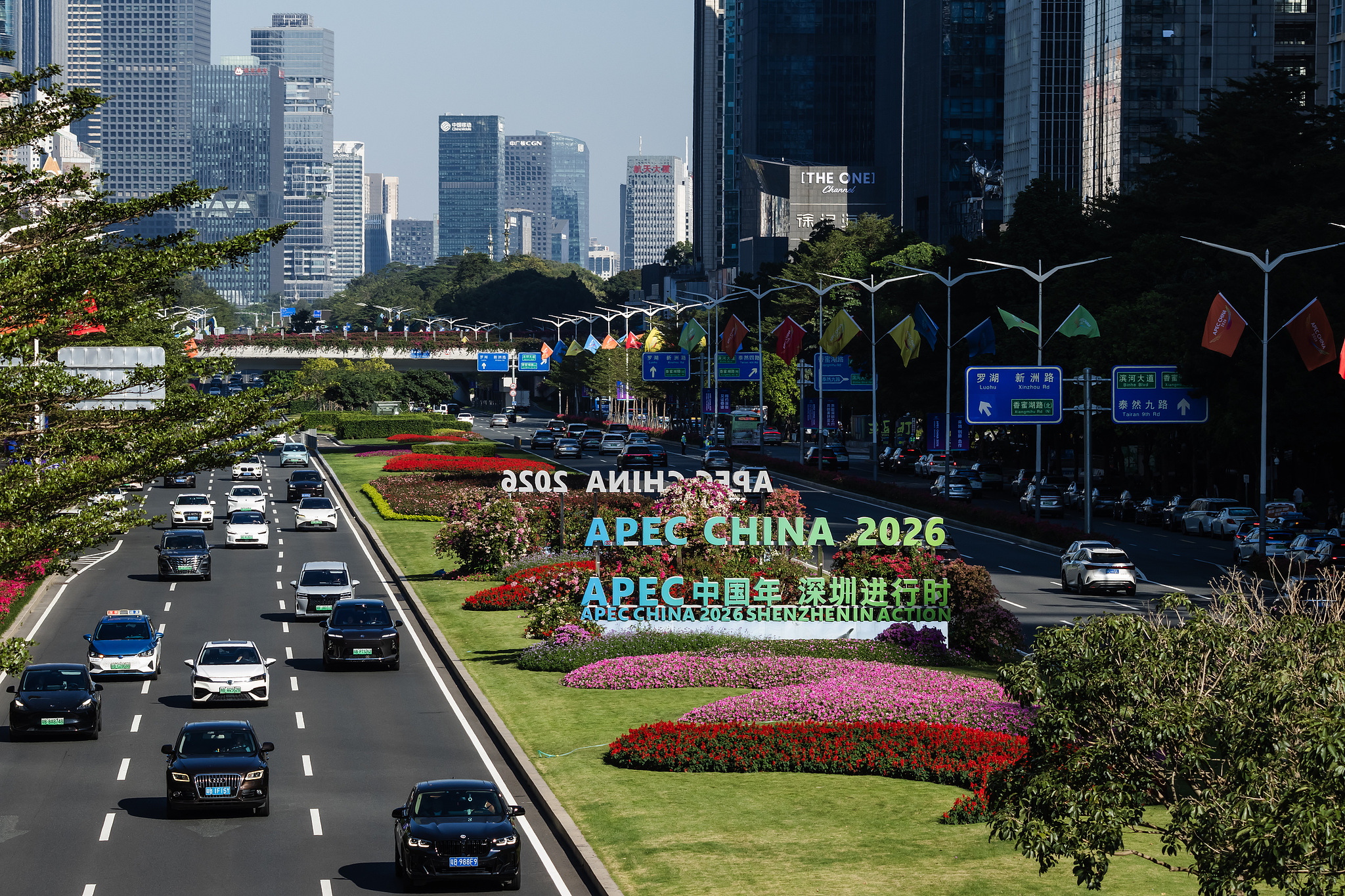
Vehicles drive along a main road with colorful APEC flags hanging on both sides, Shenzhen, Guangdong Province, China, November 10, 2026. (Photo: VCG)
Making free trade relevant again
There is also a broader political challenge. For decades, the benefits of trade liberalization were frequently communicated through aggregate measures of economic growth, trade volumes and investment flows.
Those indicators matter, but they do not tell the whole story.
The Asia-Pacific's economic integration has coincided with remarkable progress in development and poverty reduction. Yet the gains from globalization have not been distributed evenly, while concerns over job security, wages and economic opportunity have contributed to a growing backlash against free trade.
Policymakers cannot rebuild public confidence in trade simply by promising higher GDP.
They must demonstrate how greater openness can translate into tangible improvements in people's lives. That means helping smaller businesses access foreign markets, supporting workers as industries evolve, investing in skills and ensuring that communities have the capacity to adapt to economic change.
It also means recognizing that resilience and openness are not necessarily competing objectives. A business able to serve multiple overseas markets may be less vulnerable to a downturn in any single destination. Greater regulatory compatibility can make it easier for firms to adjust their operations without abandoning international commerce.
Deeper regional integration, therefore, has the potential not only to make economies more efficient, but also to make them more adaptable to an increasingly uncertain world.
From consensus to credibility
China's emphasis on pragmatic cooperation for APEC 2026 offers a constructive foundation. The next step should be to translate that approach into identifiable priorities, supported by voluntary initiatives, implementation milestones and regular assessments of progress.
A successful FTAAP agenda does not need to begin with an ambitious timetable for a comprehensive agreement. It could begin with participating economies making electronic trade documents easier to recognize across borders, improving transparency around regulatory requirements, and expanding practical assistance for smaller exporters.
Such measures would not resolve every disagreement over trade policy. Nor would they eliminate the need for difficult negotiations in the future. But they could demonstrate that economic cooperation remains capable of producing results even when broader political consensus remains elusive for now.
A comprehensive free trade agreement for APEC may remain a long-term aspiration. But the economic benefits of closer integration need not be.