


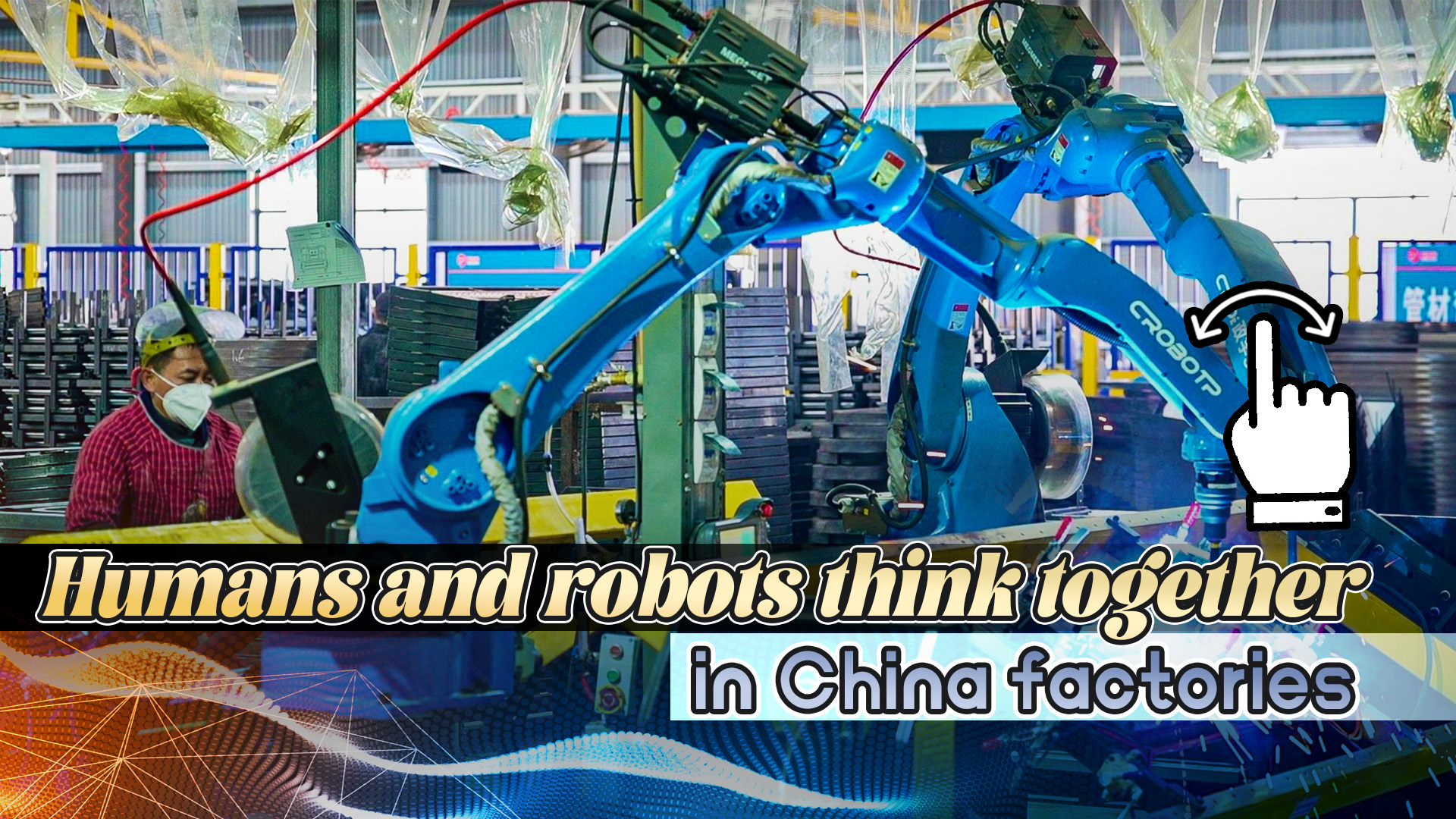
Humans and robots collaborate in Chinese factories. /CGTN
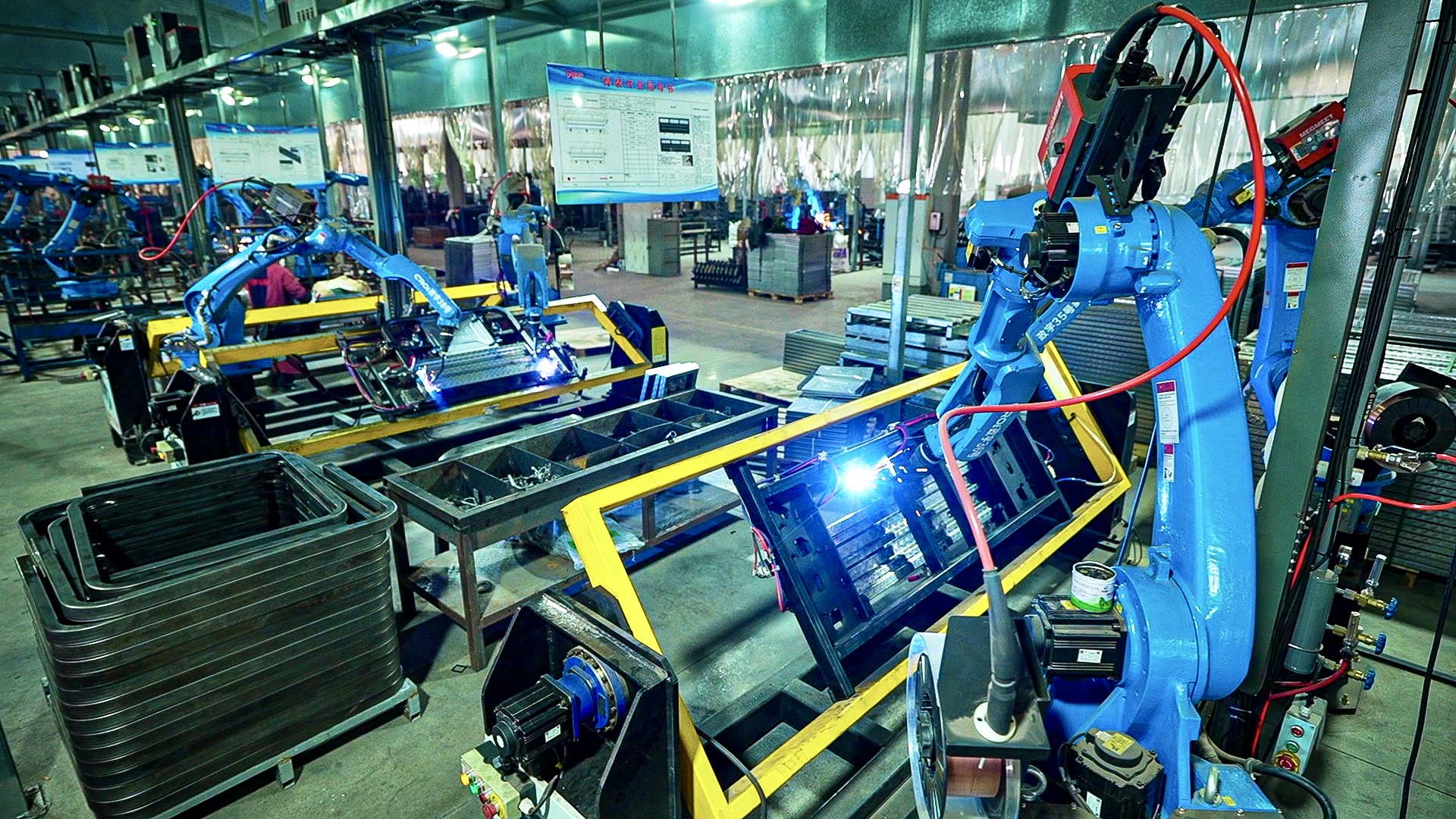
China-made robotic arms in action making electric tricycles in Sichuan, China, January 14, 2026. /CGTN
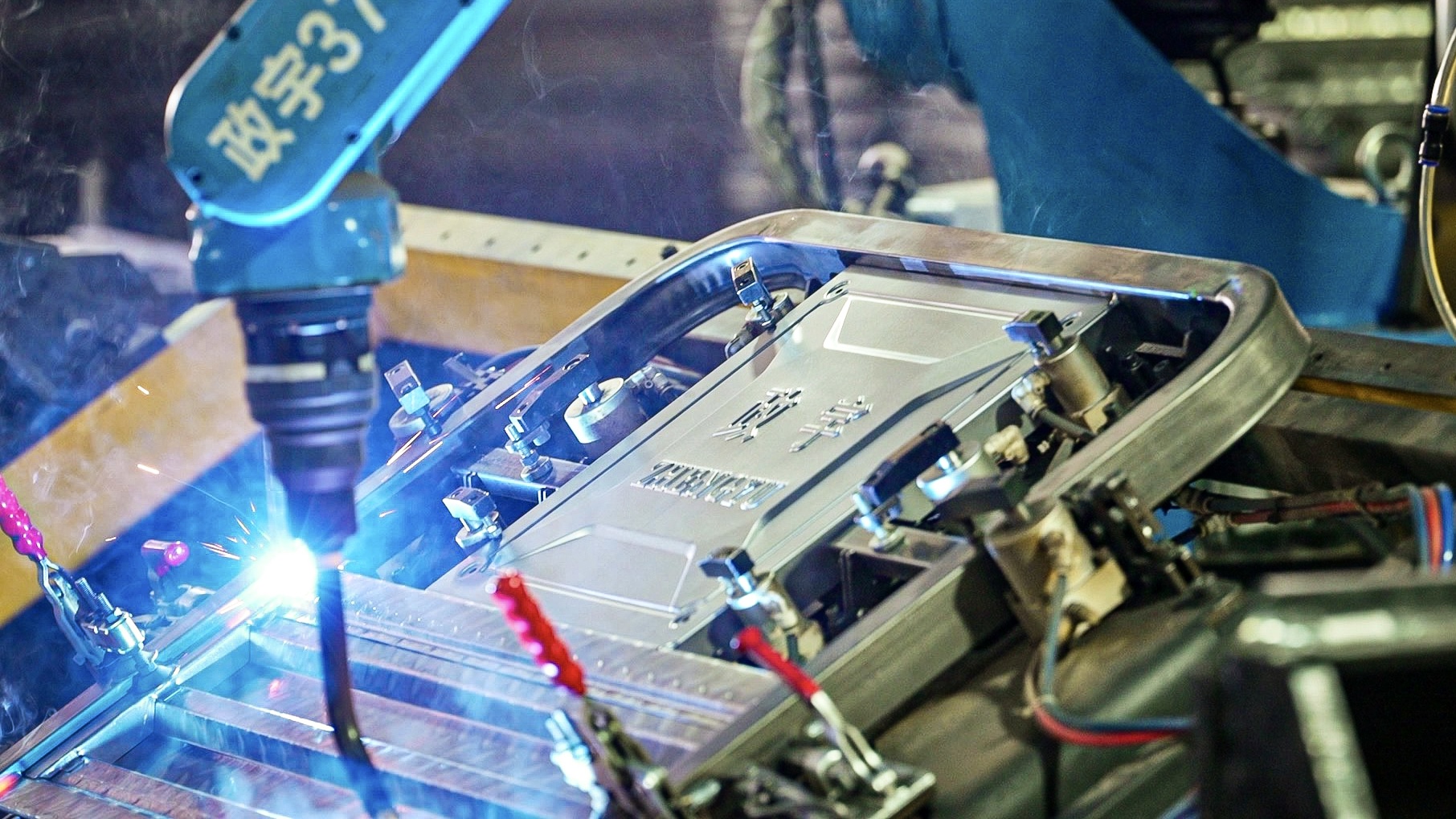
China-made robotic arms in action making electric tricycles in Sichuan, China, January 14, 2026. /CGTN
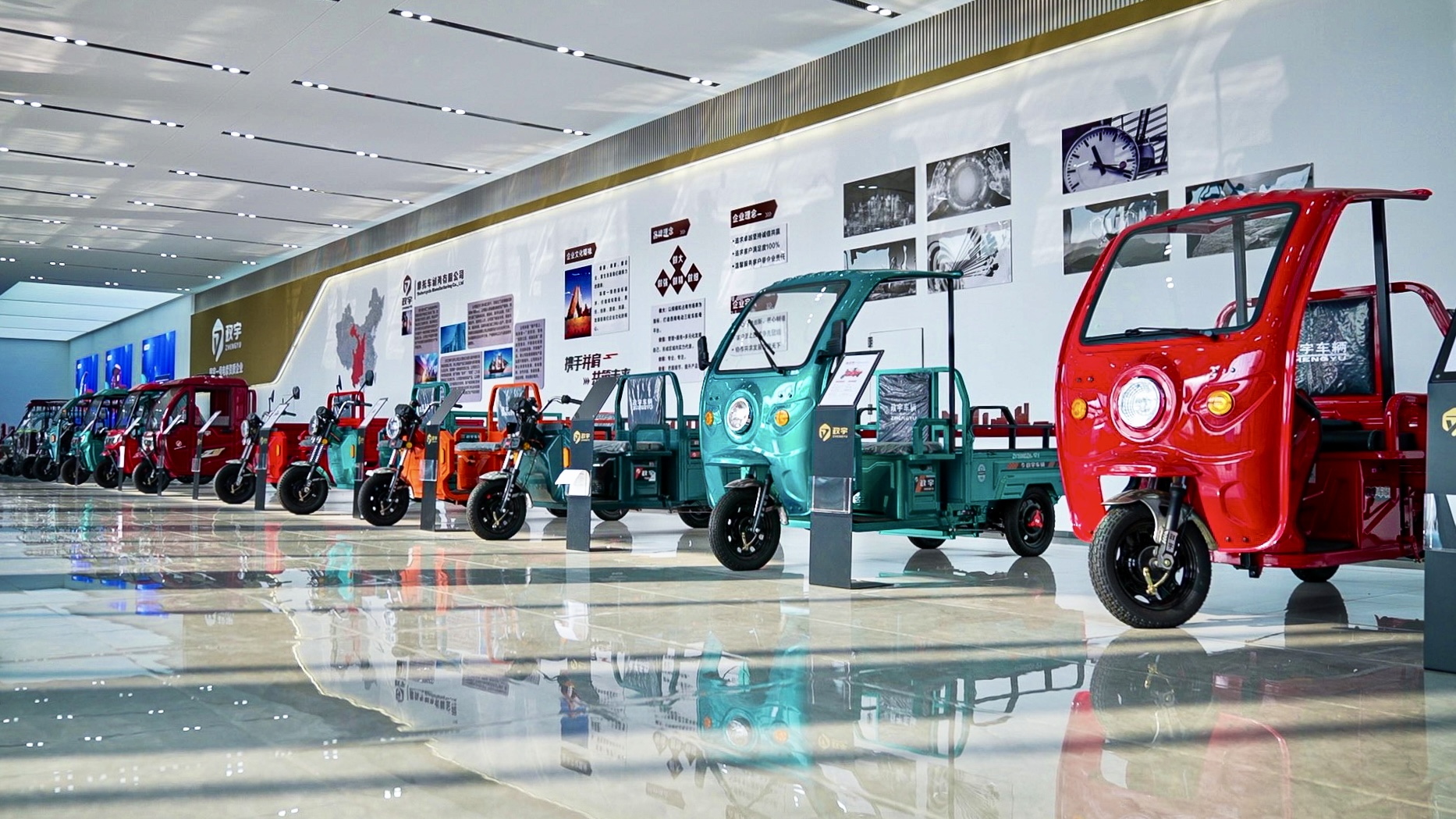
China-made robotic arms in action making electric tricycles in Sichuan, China, January 14, 2026. /CGTN
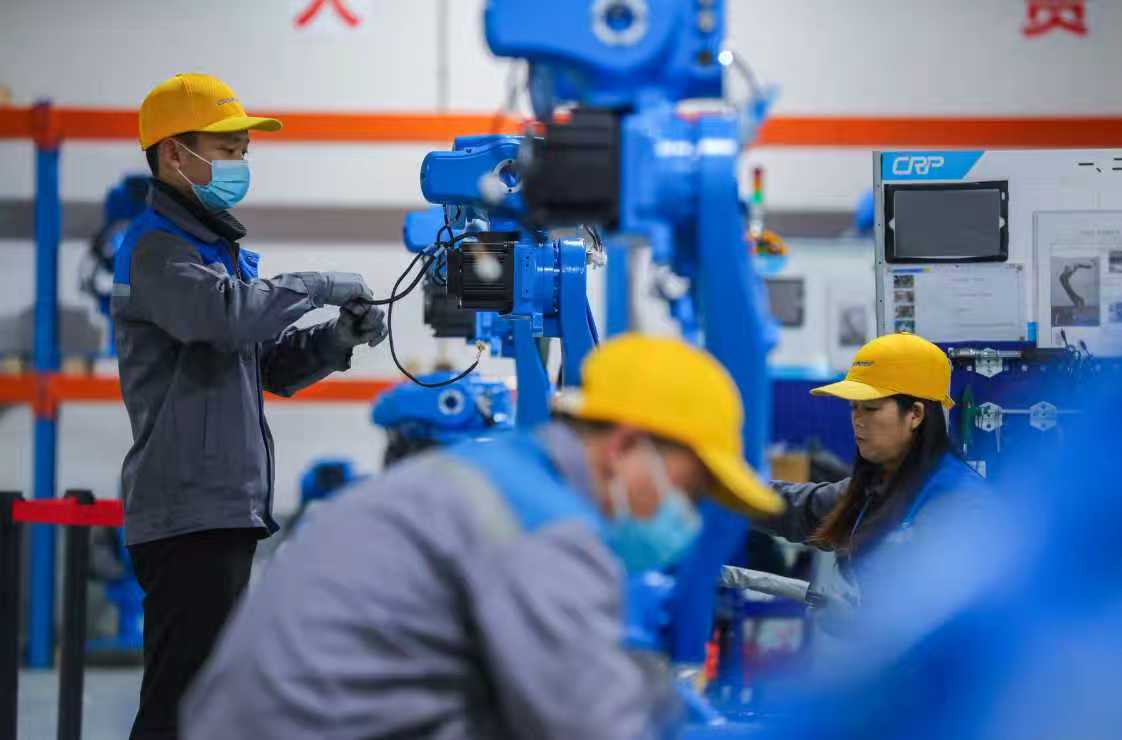
China-made robotic arms in action making electric tricycles in Sichuan, China, January 14, 2026. /CGTN
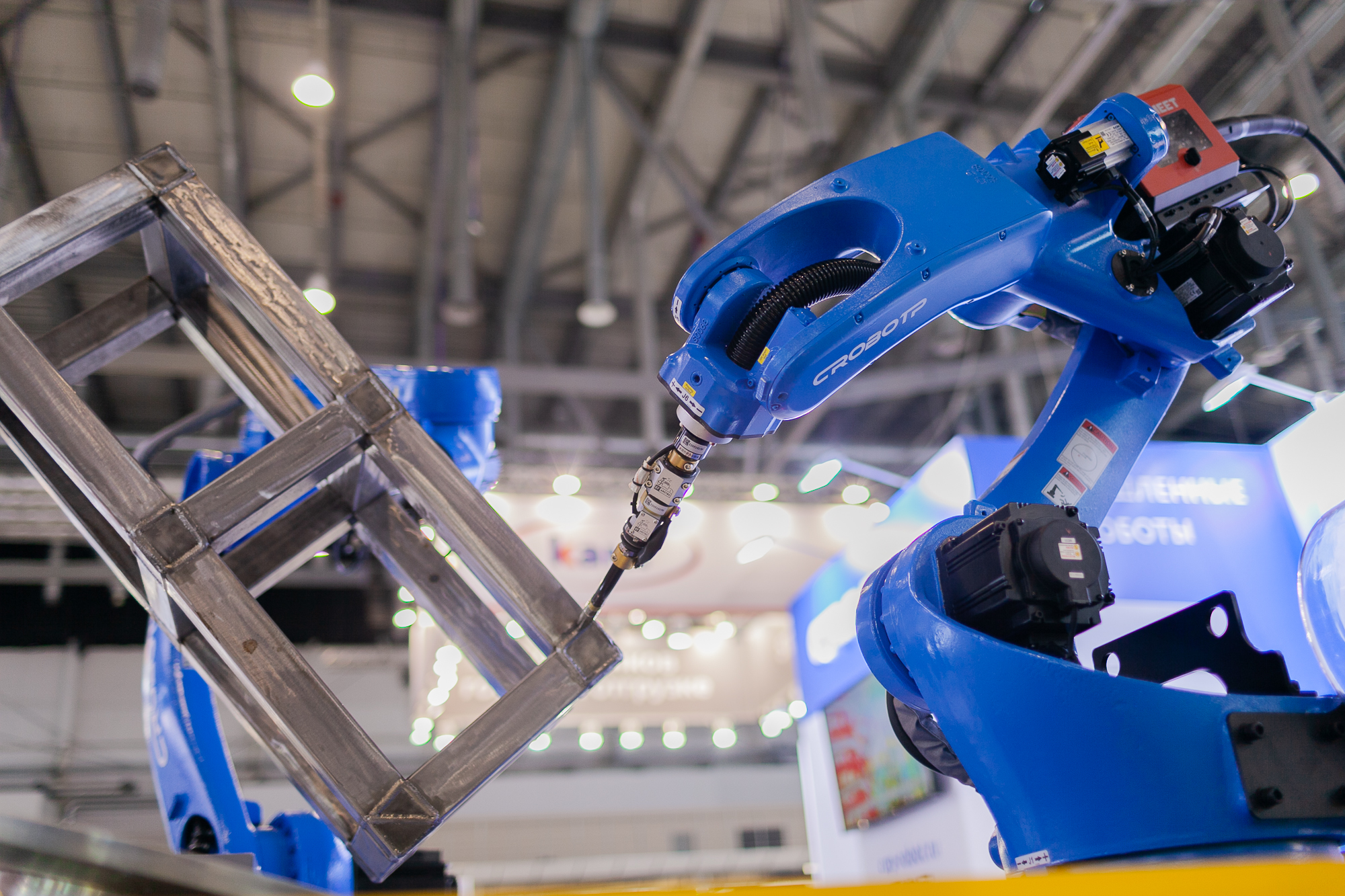
China-made robotic arms in action making electric tricycles in Sichuan, China, January 14, 2026. /CGTN
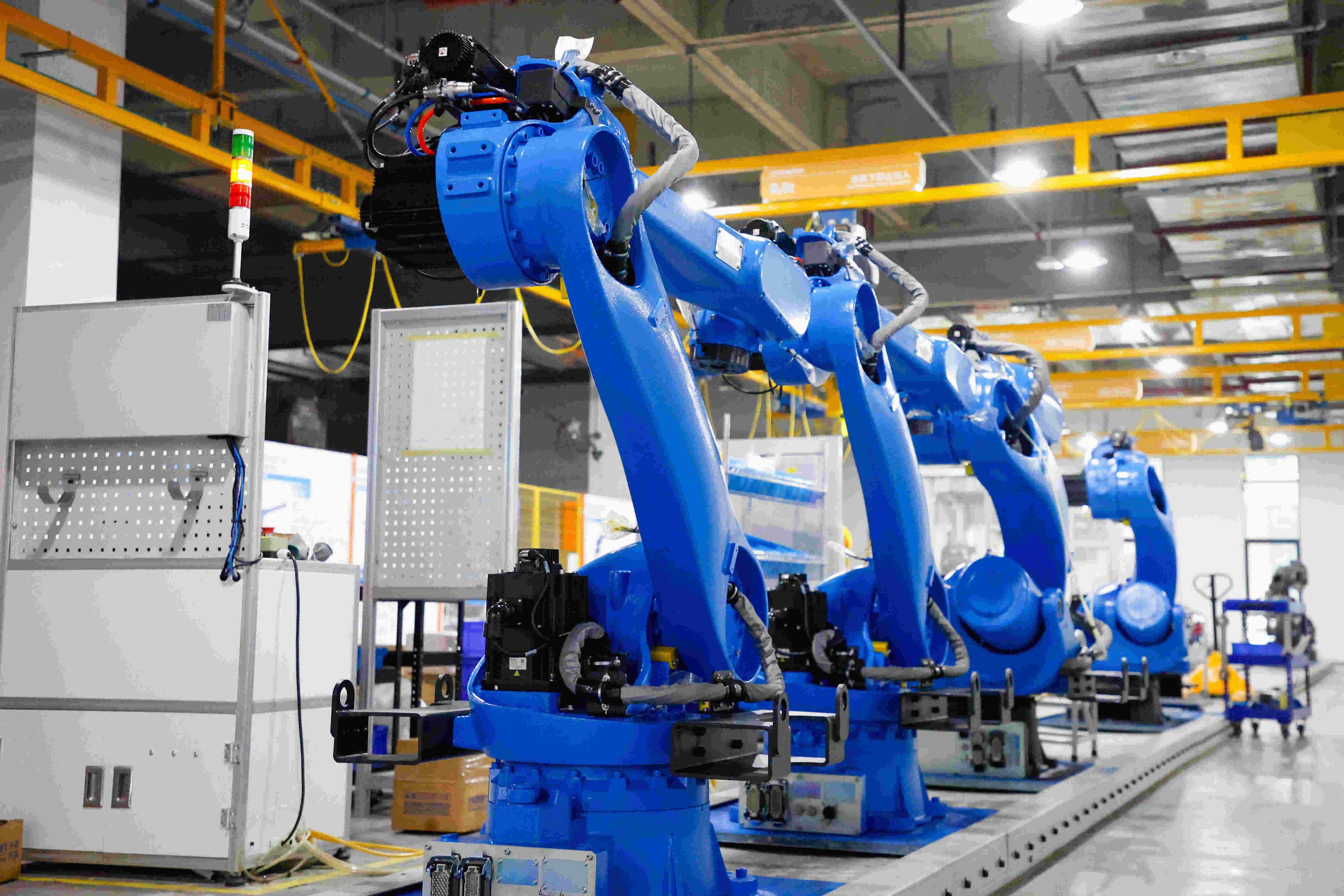
China-made robotic arms in action making electric tricycles in Sichuan, China, January 14, 2026. /CGTN
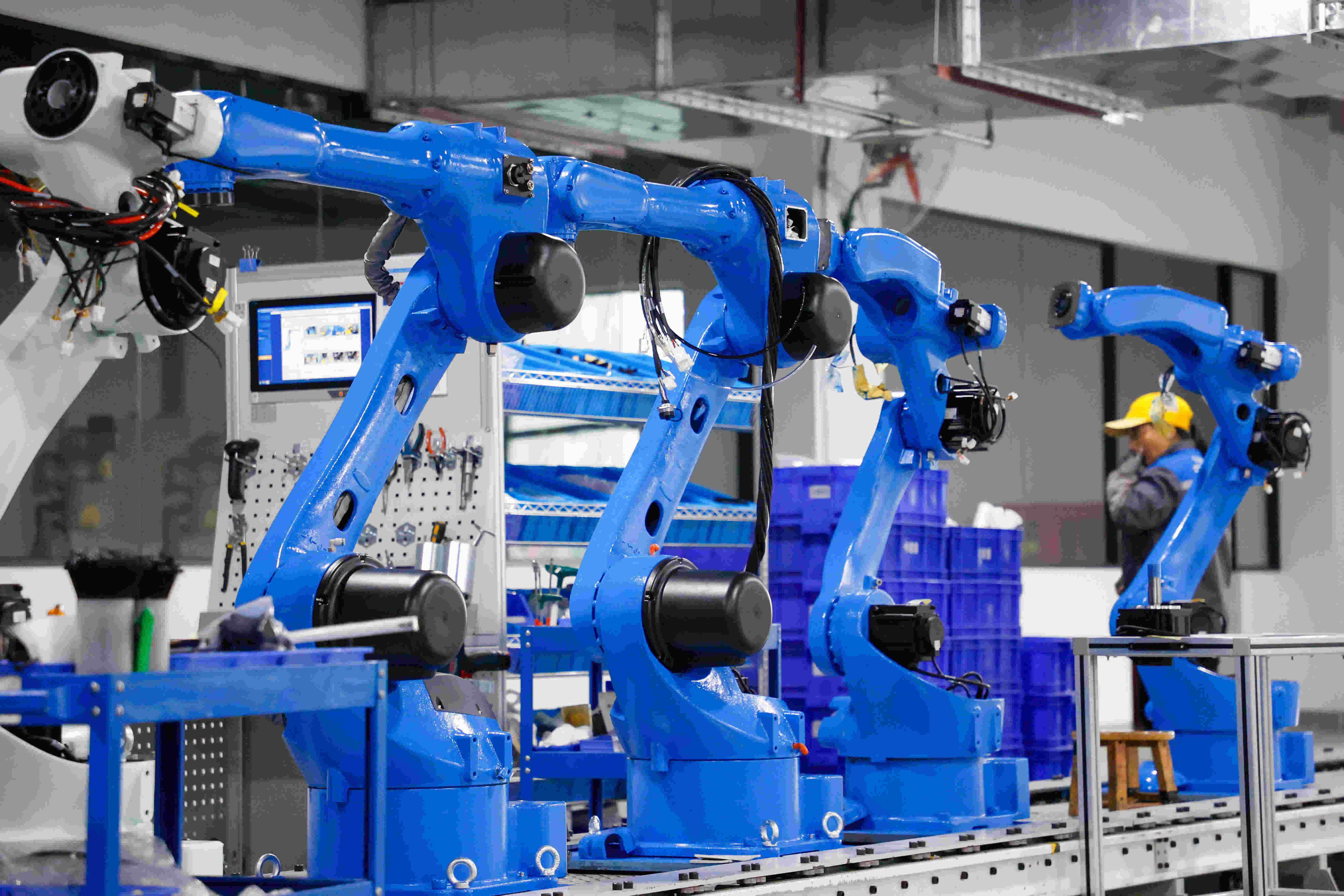
China-made robotic arms in action making electric tricycles in Sichuan, China, January 14, 2026. /CGTN
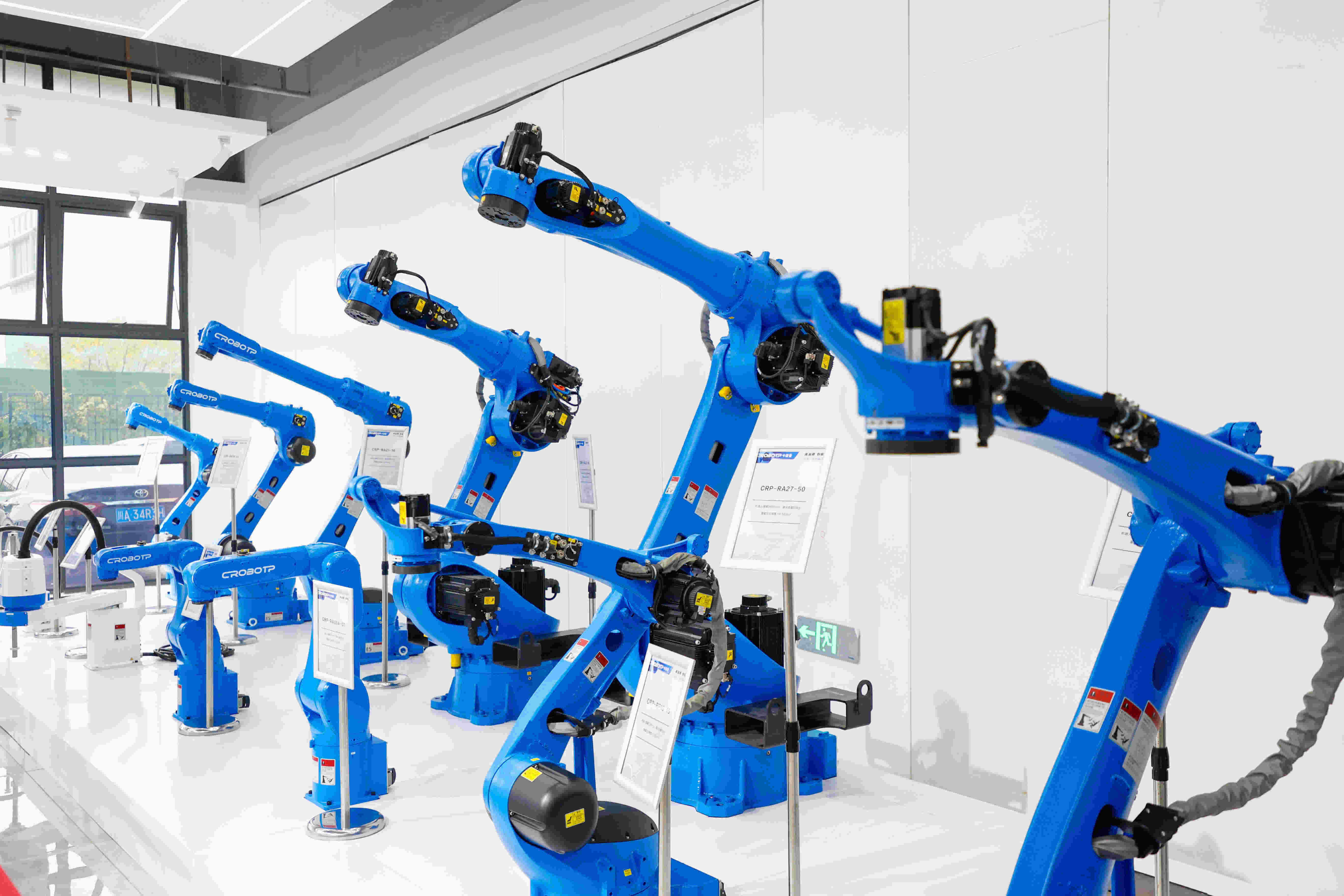
China-made robotic arms in action making electric tricycles in Sichuan, China, January 14, 2026. /CGTN
At an electric tricycle factory in Suining, Sichuan, robots and humans are collaborating to produce 100,000 units a year, with overseas demand still rising. Robots handle precision welds and assembly, boosting efficiency and quality, while workers manage more complex tasks.
China now operates over 2 million industrial robots, installing nearly 300,000 new units in 2024 alone – more than half of all new robots worldwide. Domestic manufacturers now capture 57 percent of the market, powering industries from electronics to new energy vehicles.
Engineers are giving robots "brains" – AI-powered systems that can adapt, sense and even feel. The goal is not just automation, but human-robot collaboration, where machines think alongside humans.