



A view of the expansion progress of Guangzhou South Railway Station and the ongoing renewal of surrounding urban villages, Guangzhou, south China's Guangdong Province, October 14, 2025. (Photo: VCG)
China's natural resources and housing ministries have issued a new policy package to accelerate urban renewal. The aim is to revitalize aging city centers and industrial zones by easing land-use rules, simplifying planning approvals and offering flexible leasing options.
The joint notice was issued by the Ministry of Natural Resources and the Ministry of Housing and Urban-Rural Development. It builds on a 2023 policy guide and aims to address bottlenecks in planning, land use and property rights that have slowed redevelopment projects.
Urban renewal in China refers to the systematic improvement of existing built-up areas, shifting from large-scale expansion to upgrading old neighborhoods, industrial zones and infrastructure. The goal is to create more livable, resilient and economically vibrant cities by 2030, as outlined in a 2025 central government document.
The policy is expected to help cities tackle issues like outdated housing, inefficient land use and aging infrastructure, while also stimulating investment and consumption in the urban economy.
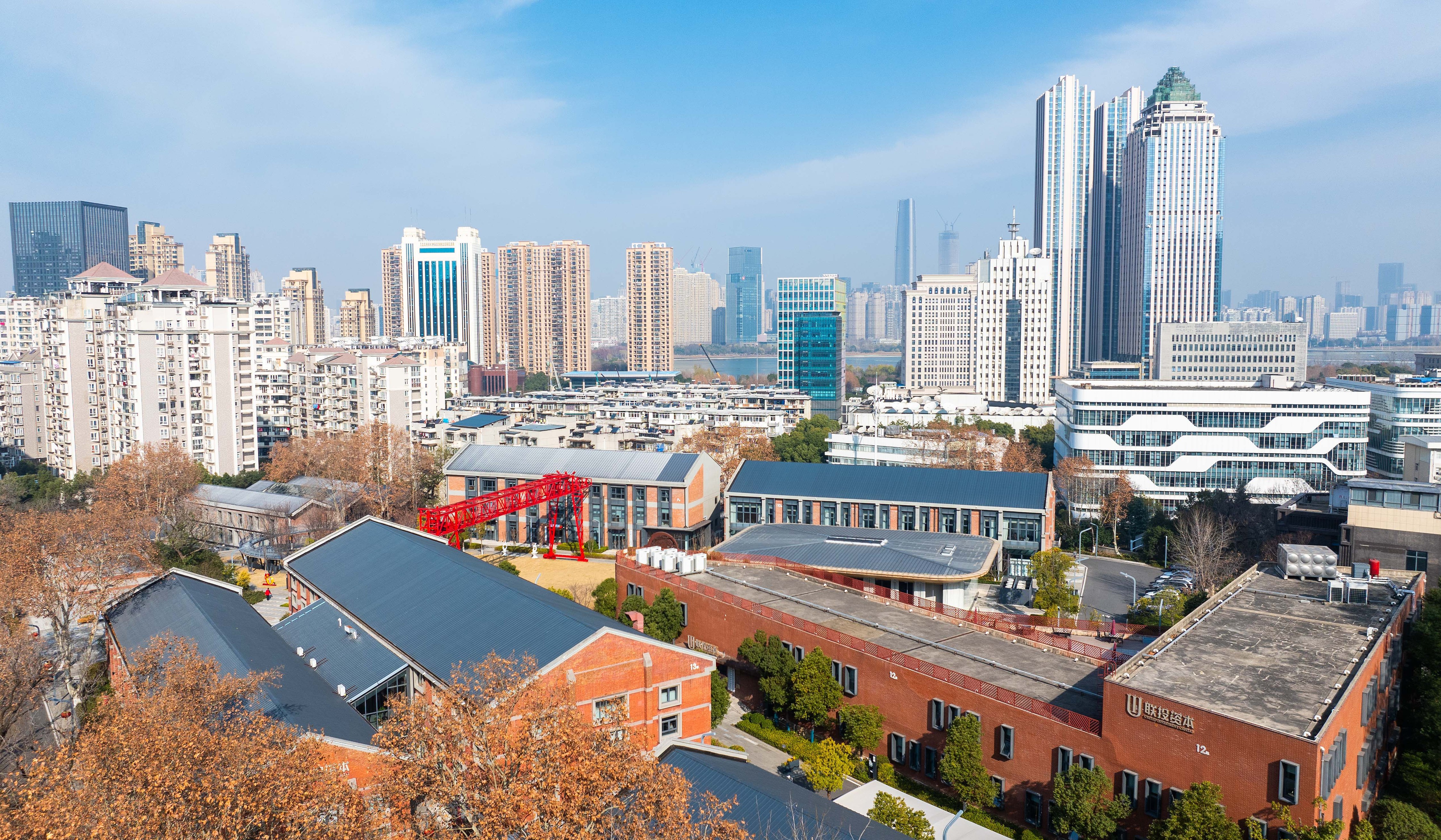
A financial business park transformed from a former industrial cluster, Wuhan, central China's Hubei Province, January 9, 2026. (Photo: VCG)
A core change is a move to "flexible planning." The policy allows local authorities to make "technical corrections" to neighborhood blueprints, bypassing years-long formal revision processes. The updates feed directly into a national digital planning system, letting cities adapt faster to new housing or business needs.
To speed up approvals, the policy creates a two-list system. A "positive list" provides a fast track for mixed-use projects like tech hubs or cultural centers. A separate "exemption list" lets small community upgrades – adding elevators, parking or bike lanes – proceed without permits, reducing delays for basic livability improvements.
On financing, a new land-leasing option is now available after an initial five-year transition period. This gives businesses, especially smaller ones, an alternative to massive upfront land purchases, lowering the barrier to join renewal projects.
Addressing a major investor concern, the rules also allow "pre-registration" of property rights before work begins. This keeps original ownership and mortgages legally intact during often lengthy renovations. This stability measure is meant to attract private capital.
Analysts say the package reflects a broader push to move from building new cities to improving old ones. The focus on practical fixes is to unlock investment. Success will depend on local implementation, but the reforms signal a concerted effort to unblock one of China's next big economic challenges: modernizing its urban core.