


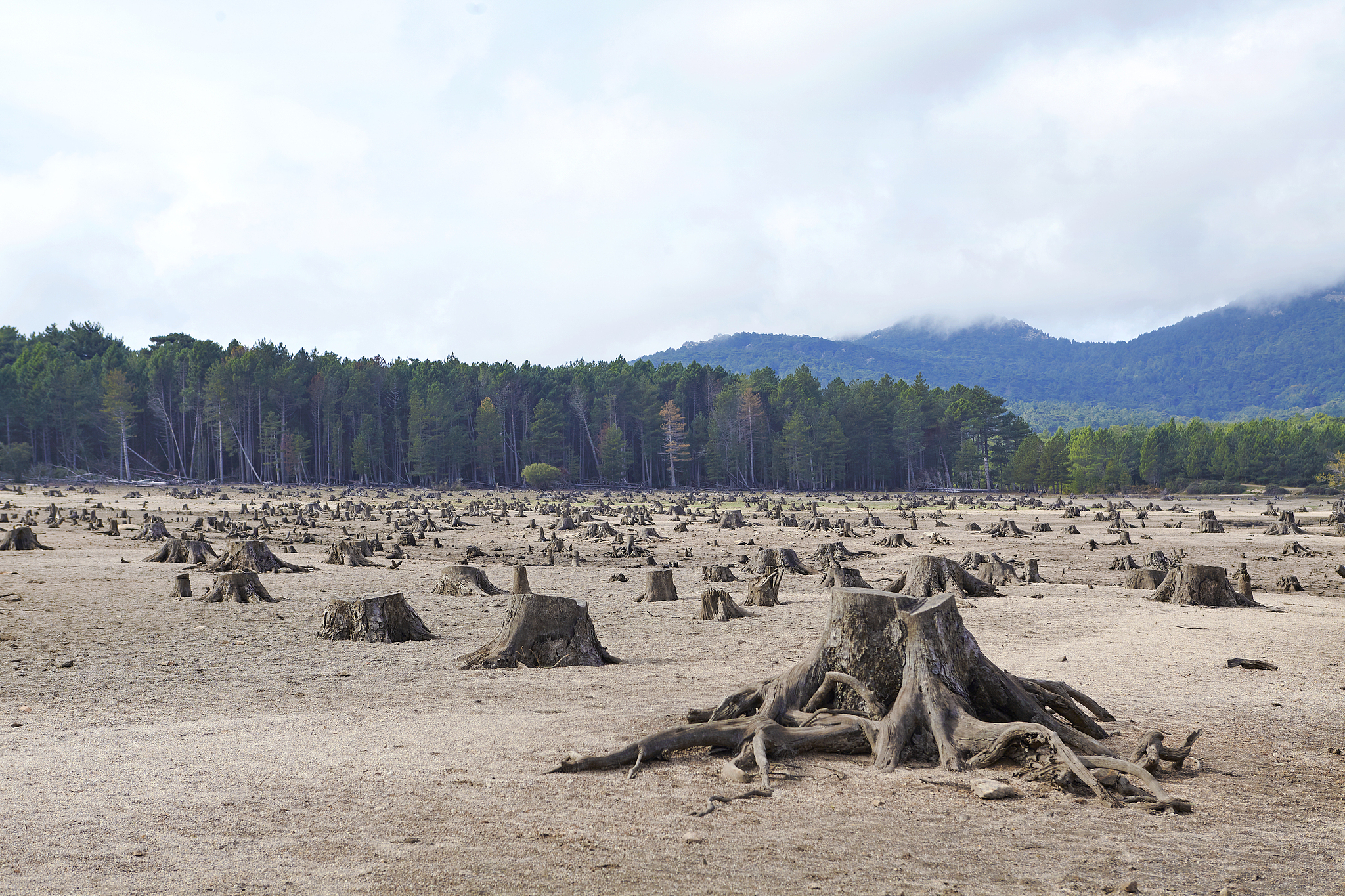
Photo: VCG
Government representatives meeting in Manchester, the United Kingdom, approved a major international biodiversity report after three years of research, with backing from more than 150 countries including China, India and members of the European Union. The assessment warns that economic systems centered on continuous growth are accelerating global biodiversity loss.
The report, released Monday by the Intergovernmental Science-Policy Platform on Biodiversity and Ecosystem Services (IPBES), states that economic activities driven largely by gross domestic product (GDP) expansion are a major factor behind ecosystem degradation and are obstructing the systemic changes needed to reverse the trend. IPBES is widely regarded as the world's primary intergovernmental authority on biodiversity assessment.
According to previous IPBES global assessments, roughly one million of the planet's estimated eight million plant and animal species face extinction risks. Human activity has already significantly transformed about 75 percent of Earth's land surface.
The report cautions that continued ecological decline threatens long-term economic stability. It notes that current market systems often fail to reflect the true value of nature's services, including pollution filtering, climate regulation and crop pollination.
While outlining steps companies can take to reduce impacts, the report stresses that private sector action alone is insufficient. Stronger policy frameworks, legal systems and knowledge capacity are also essential.
The release comes as the European Union advances policies aimed at boosting competitiveness by easing environmental regulations. The United States was not among participating governments, and reports indicate it has moved to withdraw from IPBES participation.