


Rio de Janeiro (People's Daily) — "The places I visited nearly 30 years ago look completely different now," said Milton Pomar, institutional coordinator at the Institute for Studies on China at the Federal University of Santa Catarina in Brazil, and an expert in agricultural issues.
In a recent chat with Peopless Daily, he shared his observations on the remarkable changes underway across China's countryside, driven by rural revitalization efforts.
Pomar, now 67, comes from a family with a deep connection to China—both his grandfather and father traveled there years ago. Since 1997, he’s been back over 20 times, witnessing firsthand the country’s tremendous changes, especially in the rural regions he has long focused on.
"I've been to apple orchards in Lingbao, Henan and livestock farms in Binzhou, Shandong," he said of his travels to over a dozen provinces.
"What really stands out is how much these places have improved. There are neat, attractive housing areas, good roads, fast internet, and even things like online doctor consultations. All these improvements are making life easier for people living in rural communities."
He's particularly impressed by China's success in lifting more than 700 million rural residents out of poverty since the reform and opening-up period.
"This is nothing short of a miracle in the fight against poverty and an important achievement for the world," Pomar said.
"I hope other countries can learn from China's experience and work hard to achieve similar progress. It would change millions of lives."
But it’s not just about ending extreme poverty. Pomar emphasized that China is also focused on helping rural residents continue to improve their lives.
"It's obvious that making the countryside a good place to live and work is a big goal for the government," he said.
"When rural infrastructure gets better and farming becomes more modern, young people are more likely to stay or move back to these areas."
He also pointed out that the development of specialty agricultural products and rural tourism encourages rural residents to create new products and services using local resources. This shift moves beyond traditional farming, allowing more villagers to engage in entrepreneurial activities and generate income from sources other than conventional farming.
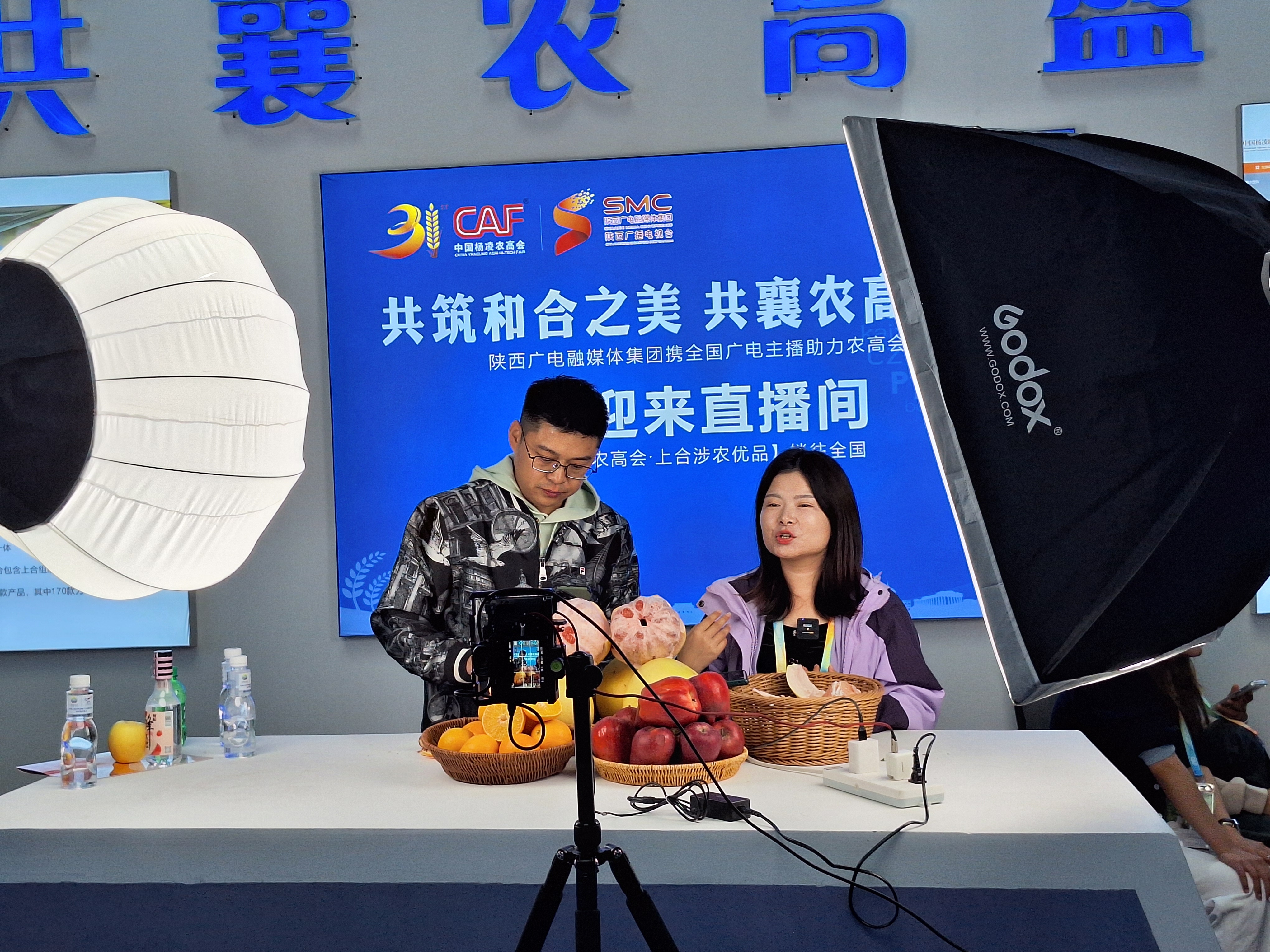
A livestream of agricultural products at the 31st China Yangling Agricultural Hi-Tech Fair in 2024. (Photo: Milton Pomar)
Technology is playing a big role, too. Pomar noted that drones and automated machines are becoming common on farms, while online platforms are helping farmers sell their products to a wider market.
"Technology is really changing what thecountryside looks like," he said. Looking ahead, Pomar sees great potential for cooperation between Brazil and China given their complementary strengths in agriculture.
"Both countries have strong research institutions, and working closer together could bring huge benefits to our people," he added.
Pomar also highlighted China's ecological efforts. He's followed the growth of the bamboo industry as a plastic alternative and the restoration of deserts like Mu Us and Kubuqi.
"In 2024, I spent almost three months traveling in China, taking lots of photos of areas that have been reforested. China is definitelygetting greener," he said.
Looking forward, Pomar hopes to keep traveling across China's rural heartland, planning a photo collection that captures the ongoing changes.
He's also been invited to write a book about China's agricultural modernization, where he'll share what he's learned over the years.
"I want to document how China has tackled poverty and pushed forward with modern farming," he said.
"It's a story worth telling."
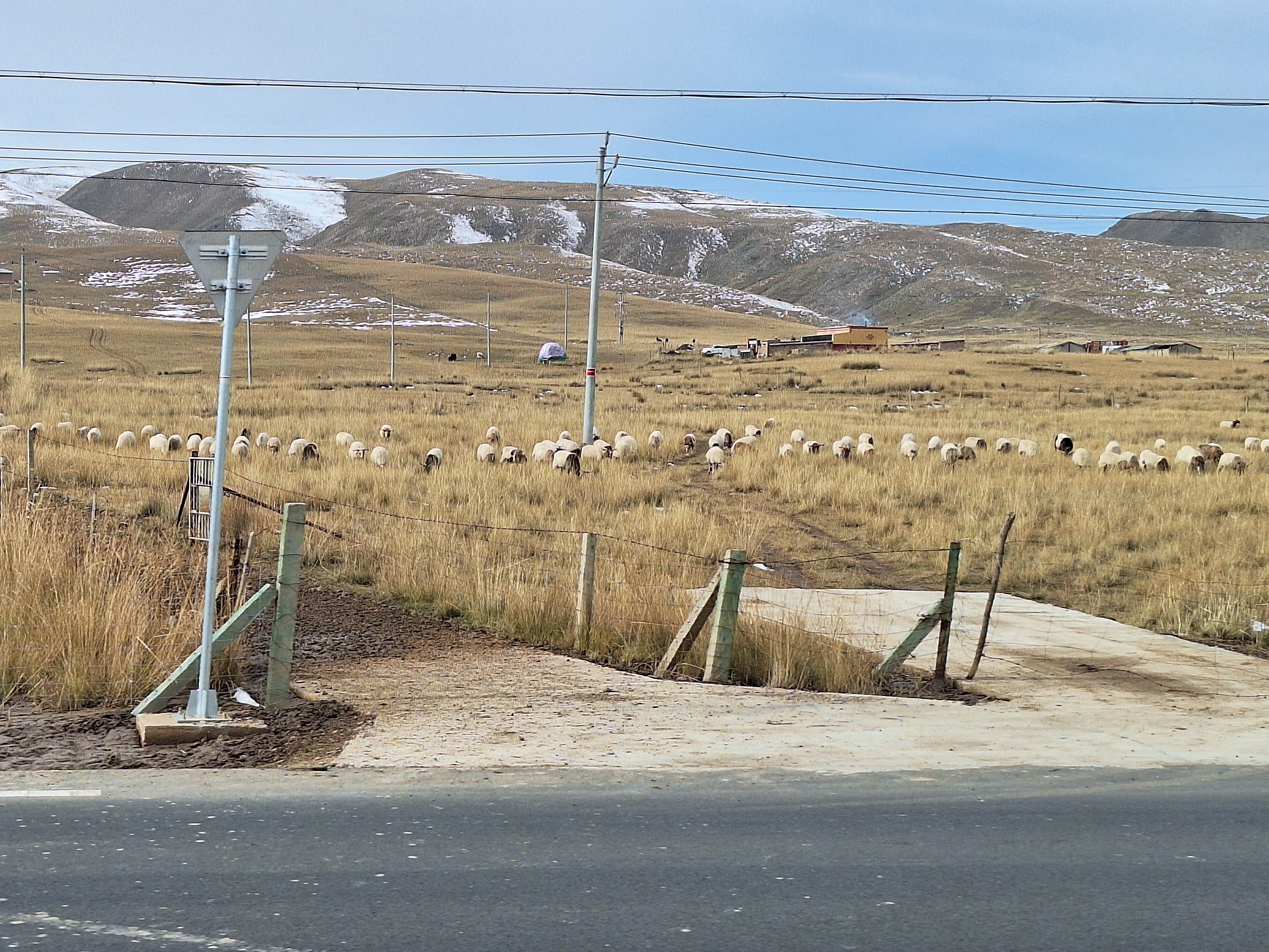
A breeding base in Qinghai Province, Northwest China. (Photo: Milton Pomar)