


Long known as one of China's most livable cities, Chengdu is now emerging as a national leader in creative industries, digital culture and esports. If Beijing represents continuity, Chengdu embodies experimentation.
In its East Asia regional analysis, the 5th edition of the World Cities Culture Report (WCCF Report) identifies digital culture as urban infrastructure – a trend running across the region's leading cities. Chengdu emerges from its pages as a city unique not only to China but to the world at large.
As the capital of Sichuan Province and China's fourth-largest city, Chengdu combines deep historical roots with a forward-looking cultural strategy. Apart from a UNESCO City of Gastronomy and home to giant pandas, it hosts 196 museums, a thriving music and fashion scene, and one of the country's most active night-time economies.
This philosophy has helped Chengdu earn the title of "Happiest City in China" for 12 consecutive years, reinforcing the idea that cultural vitality and quality of life are closely linked.
The 'Park City' vision
Start with the physical city itself. Chengdu has articulated a governing vision – the "Park City" that treats green space as the foundational logic of urban planning. The most tangible expression of this is the Greenway network, a vast web of walking and cycling trails woven across the entire city. At 20,000 kilometers above sea level, it is the largest of its kind in the world.
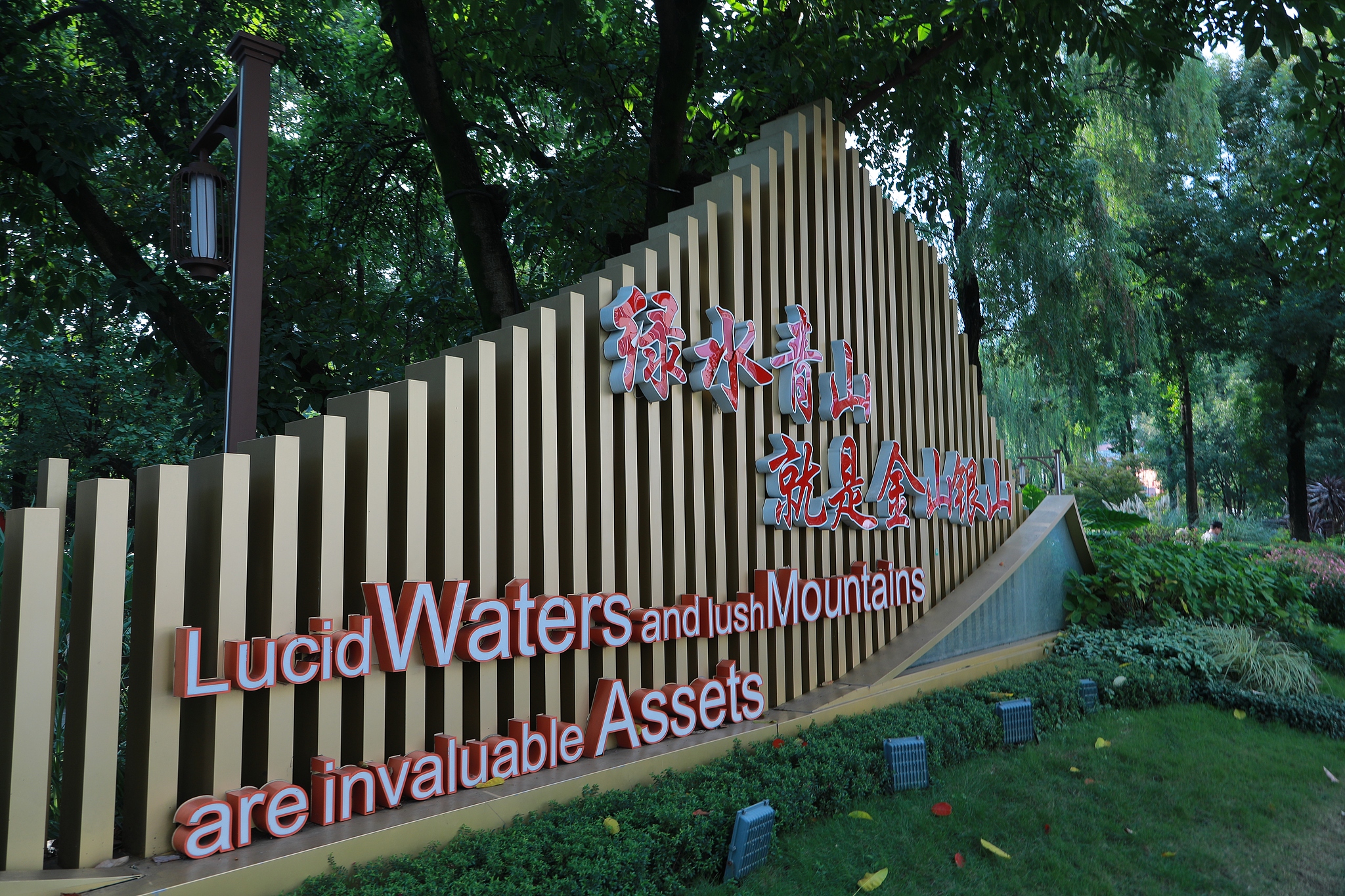
The concept of "lucid waters and lush mountains are invaluable assets" is written on a board at 2024 Chengdu International Horticultural Exhibition, Chengdu, Sichuan Province, China. /VCG
The ambition behind the Greenway goes beyond recreation. Cultural activities are embedded within the network, making them accessible without a car journey or a ticket.
Esports: Urban policy meets the night-time economy
Few cities have treated esports as seriously as a matter of cultural policy as Chengdu. Its three-part strategy covers events, venues and clubs, with up to 1 million yuan (about $145,000) available for infrastructure and major tournaments. Local clubs competing under the Chengdu name receive support for national competition, building civic identity alongside sporting achievement.
Esports is integrated into Chengdu's night-time economy strategy and its urban development goals and treated as a cultural sector in the full sense, with the same institutional seriousness as theaters or museums. The WCCF Report points to this integration as a factor in establishing Chengdu as one of China's leading esports destinations.
Scale and substance: The numbers
Globally, the report notes that 20% of young people work in culture and creative industries, and that one creative job generates additional 1.7 non-creative jobs. Chengdu's policies reflect a clear understanding of this multiplier effect.
The cultural infrastructure supporting all of this activity is considerable. Chengdu received 306 million tourists in 2024, hosts 196 museums, 40 theaters and 108 live music venues. It has 5,000 bars and 300,000 restaurants – figures that speak to a city where culture and daily life are genuinely intertwined. Citywide event attendance reached 10 million, and public libraries welcomed over 11.5 million visitors.
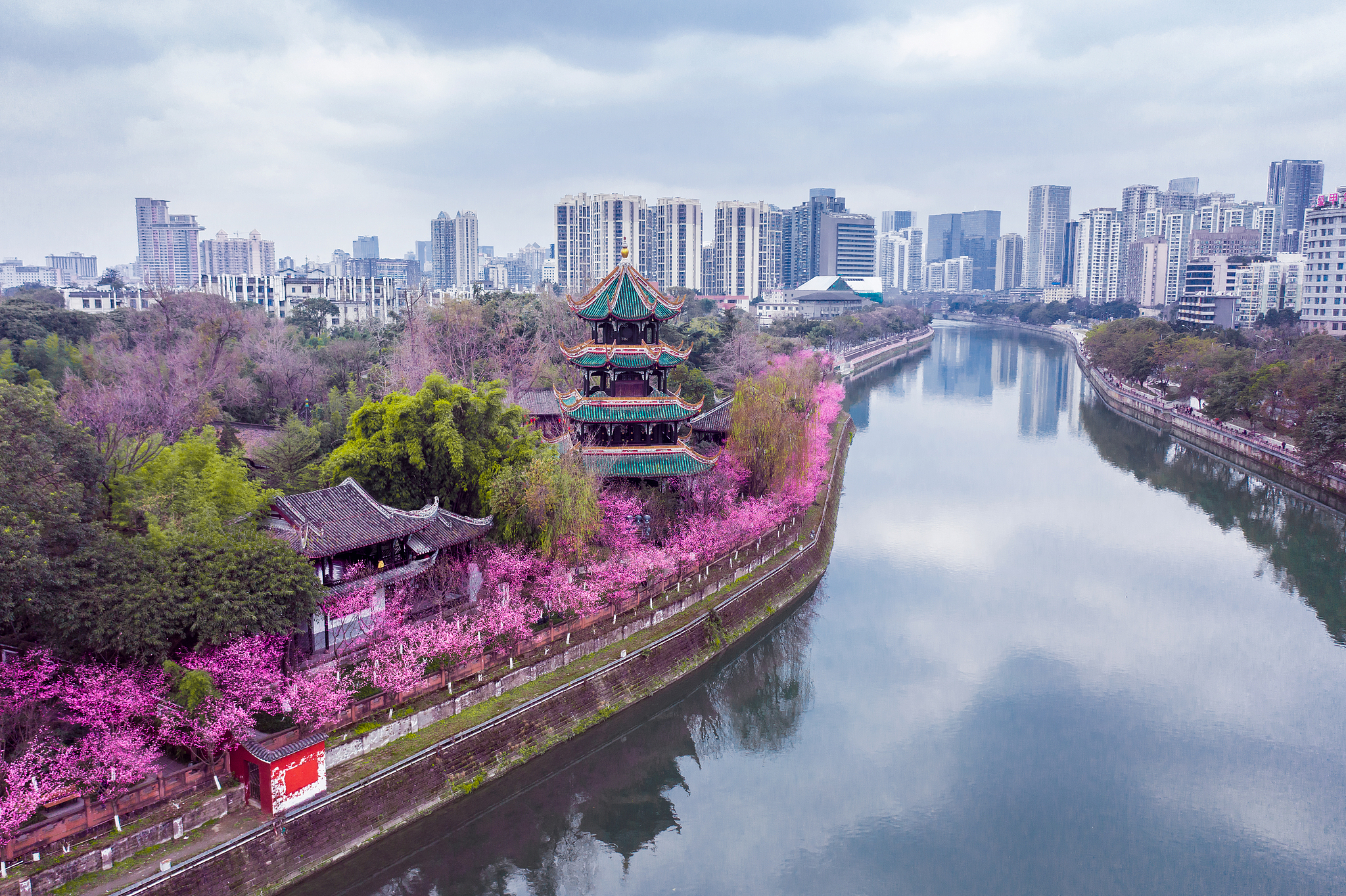
Spring blossoms at Wangjiang Park. /VCG
On the employment side, 100,000 people work in film, television, gaming and design, supported by 57 higher education providers.
Science fiction as cultural strategy
The most distinctive and perhaps the most surprising entry in Chengdu's cultural portfolio is its science fiction policy, the first of its kind in China.
Rather than limiting sci-fi to publishing or film, the city's approach spans literature, gaming, immersive tourism and public space. The policy offers direct funding for creative works with startup investment, international promotion and rent-free spaces for early-stage companies, aiming to position Chengdu as the country's science fiction capital.
The 3-billion-yuan Sci-Fi and Future Industry Fund gives the strategy serious financial weight.
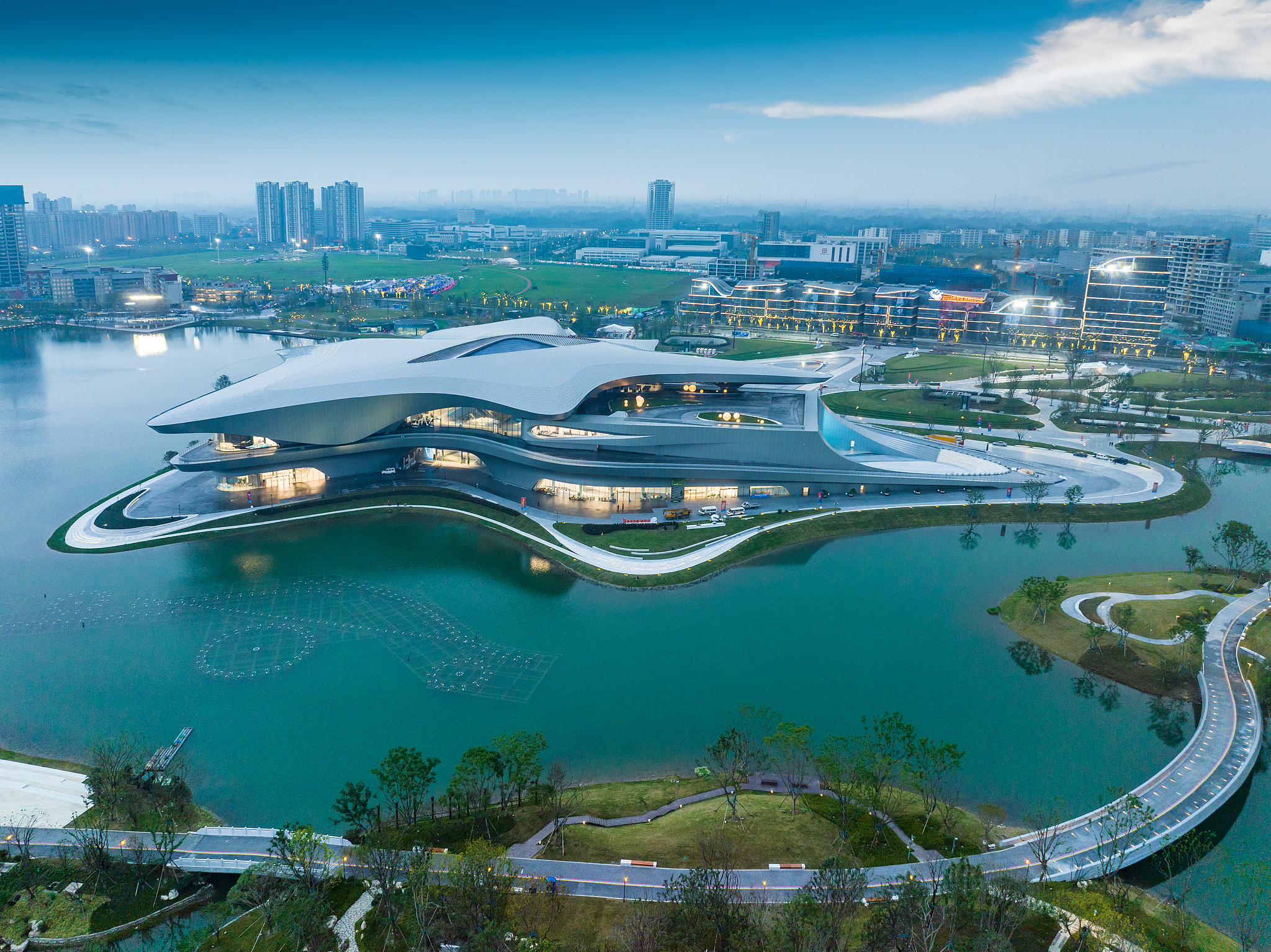
A view of Chengdu Science Museum during the Chengdu World Science Fiction Convention, October 18-22, 2023. /VCG
The logic is integrative. By embedding science fiction into public space, tourism and technology, Chengdu has created connections between sectors that usually operate in silos, linking the creative economy to the innovation economy in a way that reinforces both. The WCCF Report highlights the policy as an example of how cities can unlock new cultural economies by committing to an unexpected creative identity.
Digital culture and the startup ecosystem
Science fiction is the headline, but Chengdu's investment in digital culture runs deeper. The city launched China's first policy specifically targeting early-stage digital cultural startups – a deliberate effort to build the bottom of the creative pipeline, not just the flagship institutions at the top.
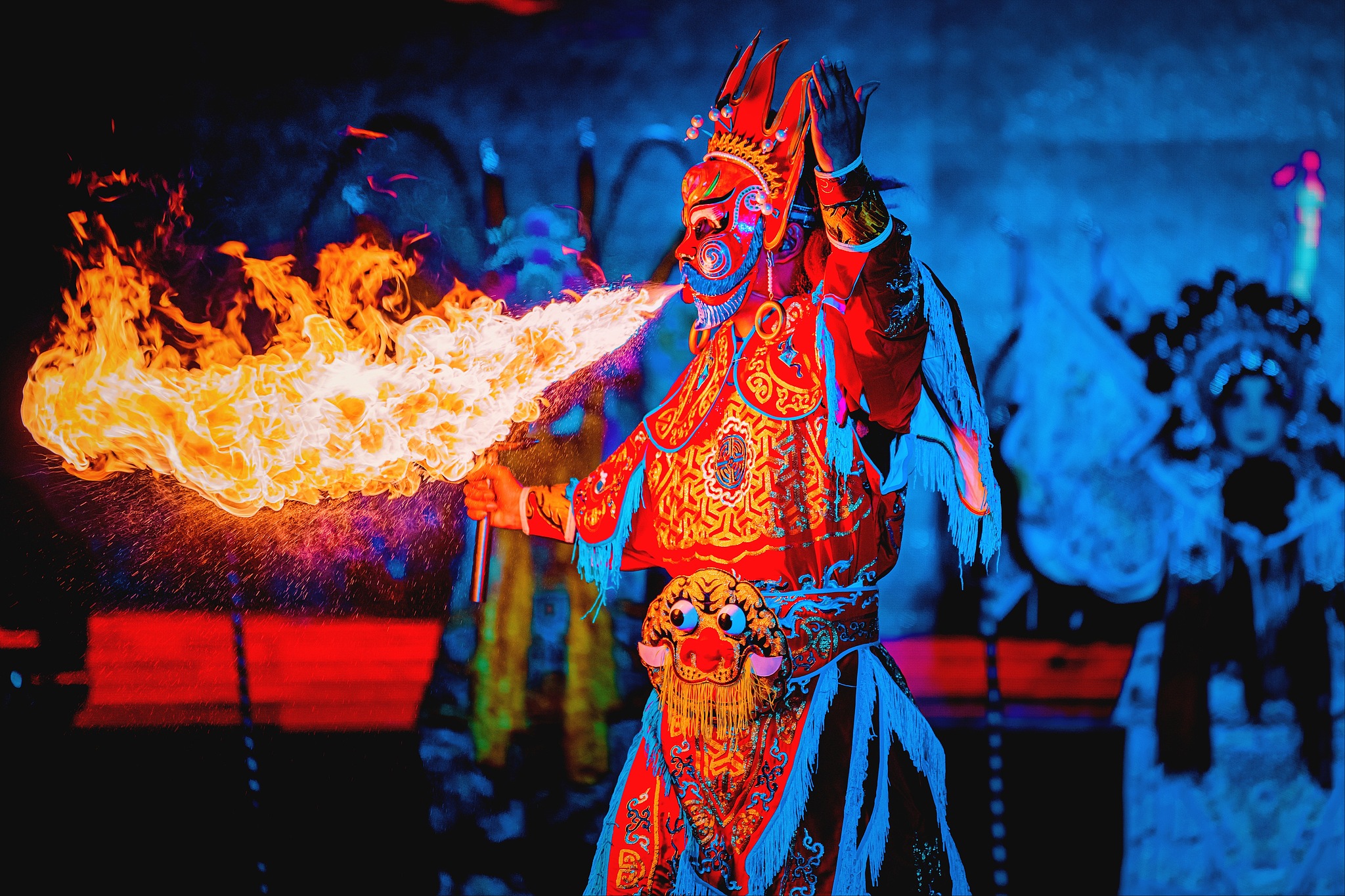
Flames burst forth as a Sichuan Opera performer breathes fire, bringing centuries-old stage tradition to life. /VCG
The support package is comprehensive: funding, rent-free workspace, R&D subsidies, talent incentives, legal advice, intellectual property guidance and mentorship. The goal is to remove the practical obstacles that cause promising creative businesses to fail before they find their footing. The result, according to the WCCF Report, has been a startup-friendly environment that is expanding entrepreneurship and establishing Chengdu as a national hub for digital culture. The city currently hosts 680 digital creative firms and over 1,300 film and television production companies.
What Chengdu gets right
What distinguishes Chengdu is not any single initiative but the coherence of its approach.
There is also an unusual willingness to experiment. Most cities' cultural policies are defensive — preserving what exists, managing decline, attracting established institutions. Chengdu is doing some of that too, but its most interesting moves are proactive: claiming the sci-fi identity before anyone else did, building the world's largest greenway network and creating policy instruments for sectors that most governments have not yet taken seriously.
Zaruhi Poghosyan is a multimedia editor for CGTN Digital. This is the third article in our city-by-city series exploring five Chinese cities that are investing in long-term resilience through culture and redefining what it means to be a global city in the 21st century. Data and findings cited in this article are drawn from the 5th edition of the World Culture Cities Forum Report. Next in the series: Guangzhou.
Read also: Beijing: Heritage meets modern urban governance at a megacity scale