


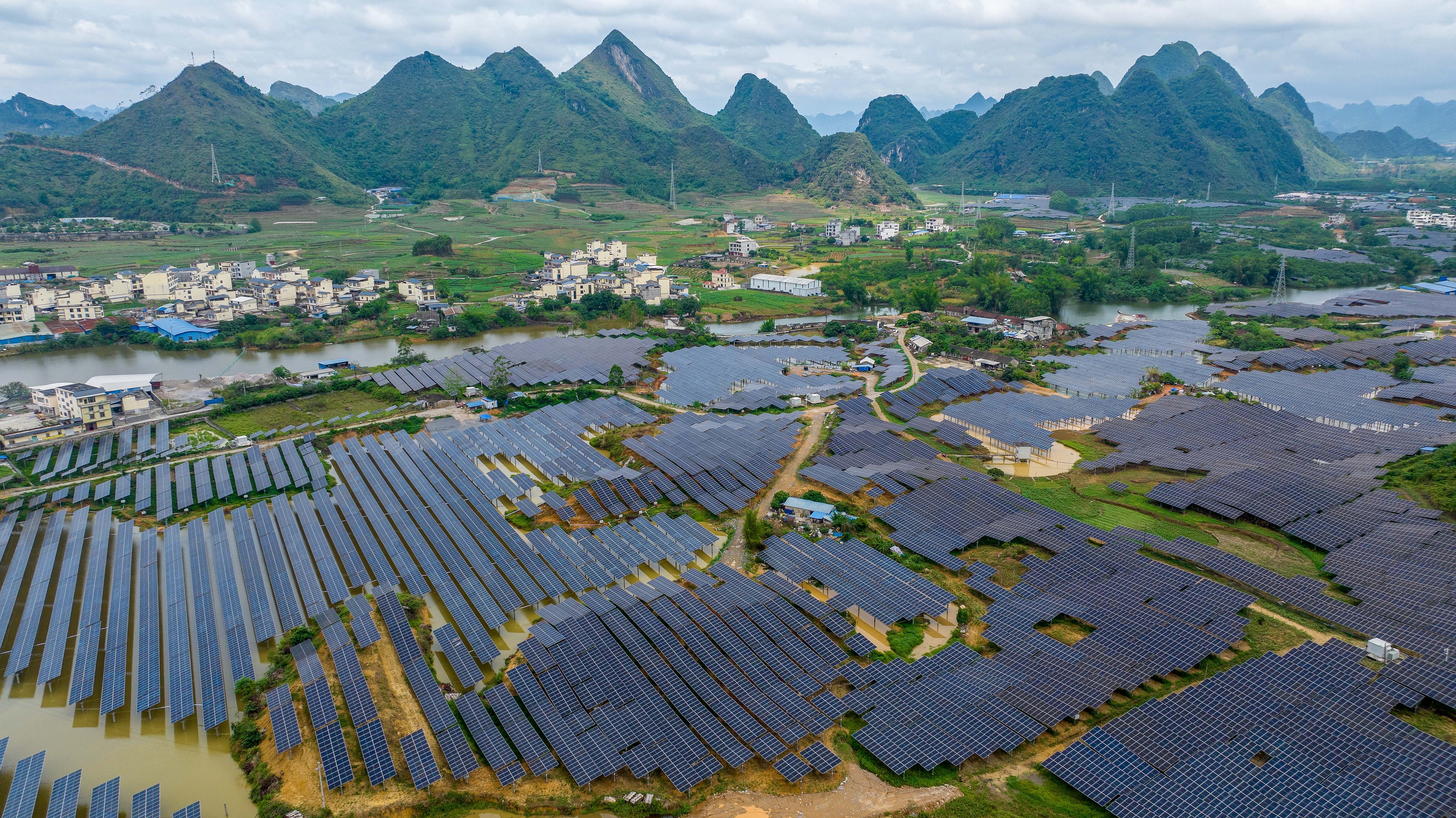
An aerial view of the Hongqi Photovoltaic Power Generation Base in Dahua Yao Autonomous County, Hechi City, Guangxi Zhuang Autonomous Region, on April 17, 2026. (Photo: VCG)
China reaffirmed its goal to double the country's non-fossil energy supply by 2035, Wang Changlin, deputy director of the National Development and Reform Commission (NDRC), announced Friday, vowing a clean, safe, efficient new energy system that supports the country's carbon peaking goals and national energy security amidst international contingencies.
The ten-year plan to double China's non-fossil energy supply is an important lever for building the country's new energy system, Wang said when asked about the plan at a Friday press conference on promoting high-quality economic and social development during the 15th Five-Year Plan period (2026-2030).
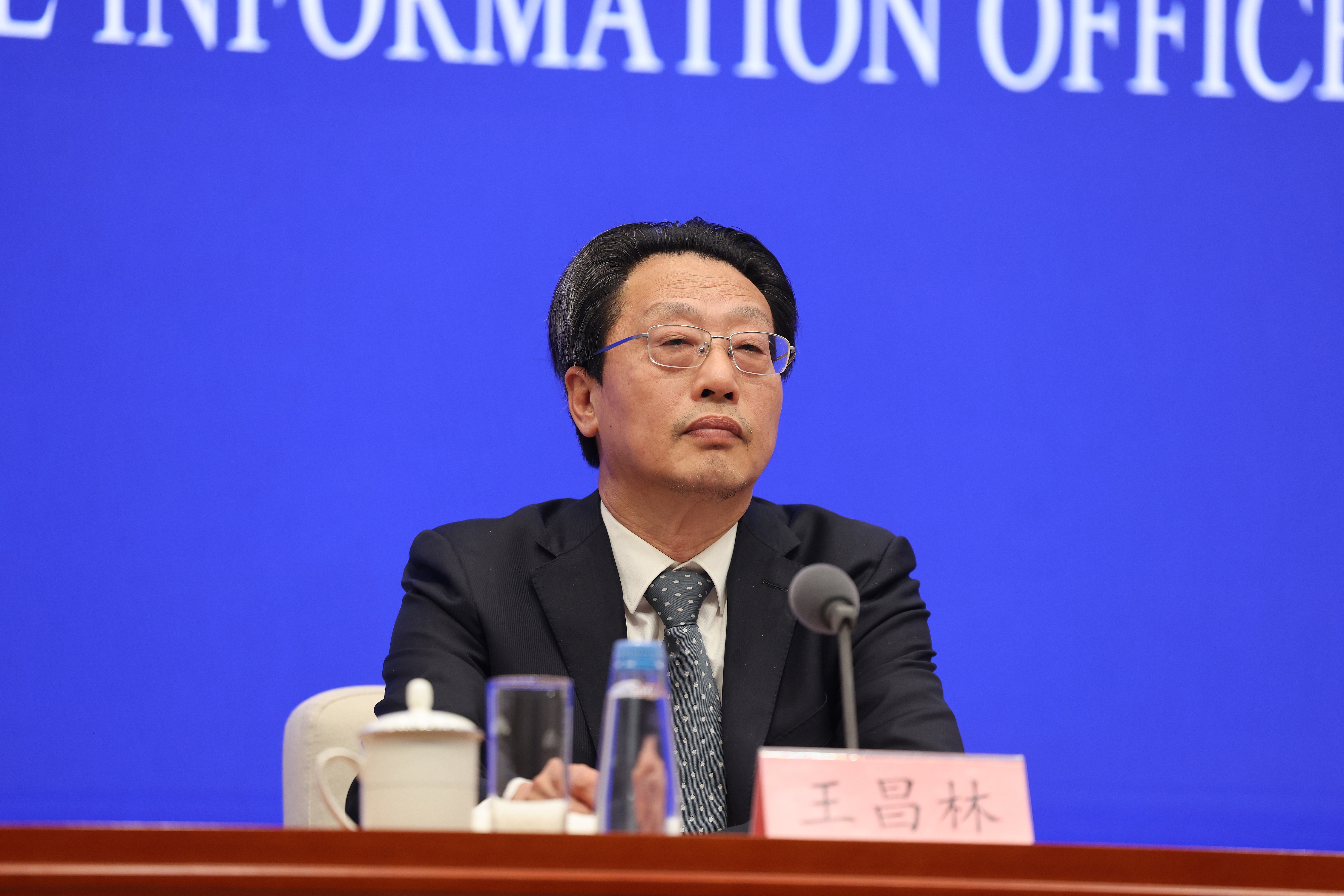
Wang Changlin, deputy director of the National Development and Reform Commission (NDRC), at a press conference on promoting high-quality economic and social development during the 15th Five-Year Plan period in Beijing, China, on April 17, 2026. (Photo: VCG)
The new energy system, a low-carbon, safe and efficient framework, features non-fossil energy as the primary source of supply, with fossil energy providing the baseline guarantee, Wang explained.
"This represents the only viable path for China to achieve a green and low-carbon energy transition," Wang said, adding that the new energy framework is a strategic choice to ensure energy security and a means to gain the initiative in major-power competition.
Wang outlined five key areas the NDRC will work on during the 15th Five-Year Plan period to achieve the energy transition goal, ranging from accelerating high-quality non-fossil energy development and the orderly replacement of fossil fuels to driving technological innovation in areas like nuclear fusion and long-duration storage, while deepening institutional reforms and expanding international cooperation.
By the end of the 14th Five-Year Plan, China had already established the basic framework of this new energy system, Wang said.
China's total electricity consumption surpassed 10 trillion kilowatt-hours (kWh) in 2025, breaking the record for power use by any single country, the National Energy Administration announced in January. According to Wang, 21.7% of the country's total energy consumption came from non-fossil sources.
Global green transition stressed by geopolitical uncertainties
In the face of shifting international situations and their impact on China's oil and gas imports, the country has implemented comprehensive measures to ensure ample domestic supplies and stable market operations, Wang said, citing oil price disturbances following the latest US-Israel-Iran tension.
These efforts demonstrate the tangible results achieved in developing the country's new energy system, Wang added.
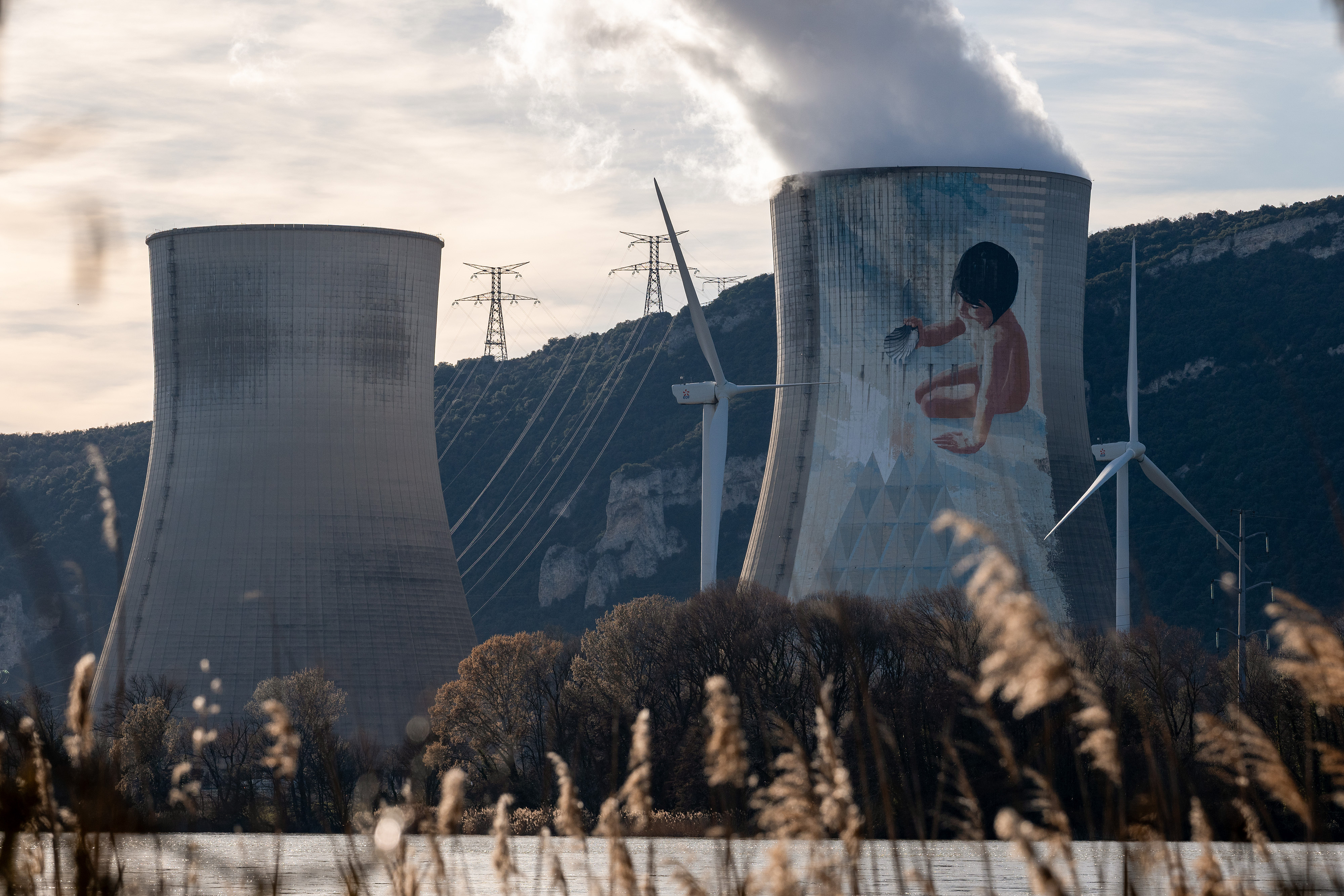
Power transmission lines and wind turbines near the Cruas Nuclear Power Station, operated by Electricite de France SA (EDF), near Montelimar, France, on Wednesday, February 25, 2026. (Photo: VCG)
The volatile global fossil fuel market, following the latest conflict in the Middle East, has prompted countries to reconsider their energy structures. At the International Vienna Energy and Climate Forum earlier in April, the first major global energy gathering since tensions among the US, Israel and Iran escalated on February 28, European countries strengthened their case for shifting towards clean energy.
On April 2, just days before the forum, the French government announced a significant renewable energy tender to add 15 gigawatts of offshore wind capacity by 2035, along with increased onshore wind and solar projects, Xinhua reported. Official plans aim to reduce the share of fossil fuels in France's final energy consumption from around 60% now to 40% by 2030 and further to 30% by 2035.
China's role in global energy transition
China's role in the global energy transition is increasingly defined by its export of non-carbon energy infrastructure, which includes Battery Energy Storage Systems (BESS), an essential component for converting intermittent energy sources like solar and wind into a consistent power supply.
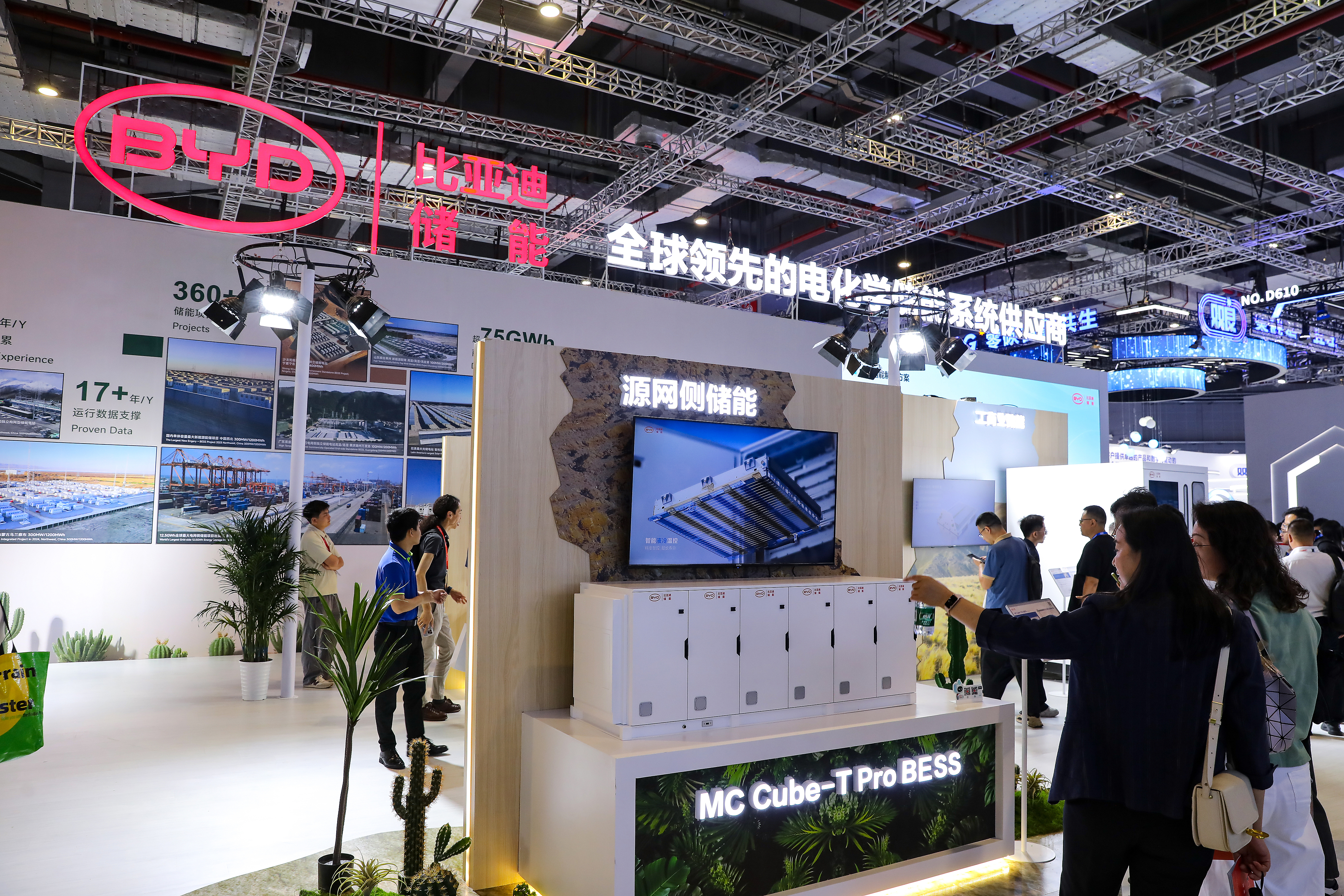
Booth of BYD Energy Storage, displaying the company's Battery Energy Storage System (BESS) solution, at the 18th International Photovoltaic Power Generation Exhibition in Shanghai, China, on June 12, 2025. (Photo: VCG)
In late 2025, the Australian mining giant Fortescue took delivery of its first major BESS from Chinese manufacturer BYD, Reuters reported on April 10. The 250 megawatt-hour (MWh) installation is the first phase of a massive 5 gigawatt-hour (GWh) target set for 2030, 20 times the current capacity.
The mining giant's "real zero" emissions target, set to be reached as early as 2030, is now economically viable due to the dramatic price collapse in storage technology. BESS costs have been falling by 20% annually over the last decade, according to Reuters, citing energy think-tank Ember.
"We're certainly the beneficiaries of the very attractive price of high-quality, long-term battery energy storage coming out of China," Dino Otranto, Fortescue's CEO for metals and operations, told Reuters.
The NDRC will actively participate in global climate governance and encourage enterprises to engage in international energy cooperation, Wang noted at Friday's press conference. "We will adhere to bottom-line thinking and worst-case scenario planning," Wang concluded, emphasizing that a resilient, self-sustaining energy grid is the safeguard for China's stability in an increasingly unpredictable global landscape.
(With inputs from agencies)