


A recent bout of severe convective weather in southwestern China's Chongqing Municipality, marked by heavy rain, hail and strong winds, triggered coordinated emergency actions across multiple districts.
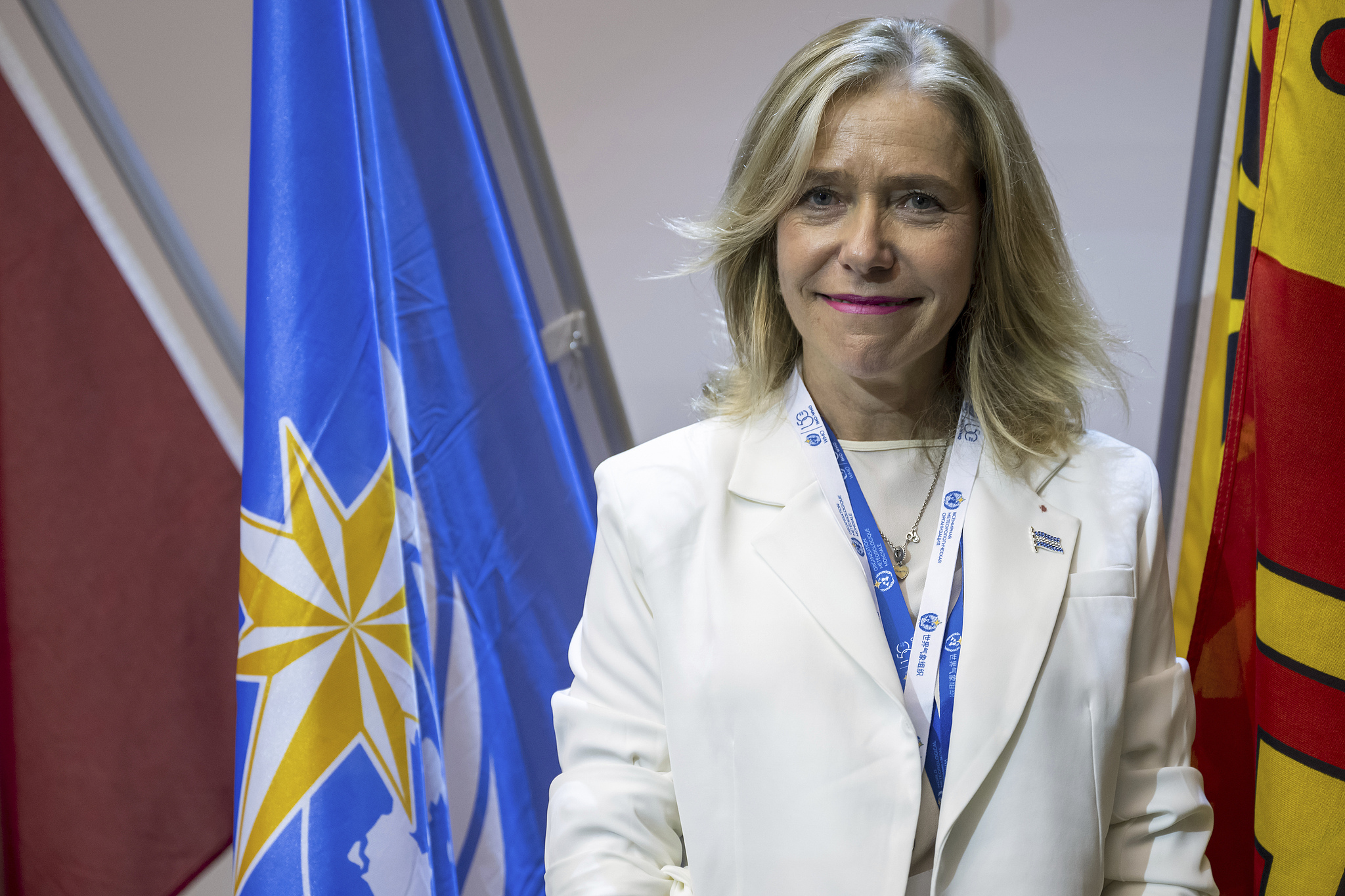
Celeste Saulo is elected as Secretary-general of the World Meteorological Organization in Geneva, Switzerland, June 1, 2023. /VCG
The episode came shortly after a visit by World Meteorological Organization (WMO) Secretary-General Celeste Saulo, whose observations provide a broader lens on how China manages weather risks in complex megacities.
On April 19, parts of the municipality recorded intense short-duration rainfall, with localized hourly totals above 48 mm, alongside gale-force winds and hail. Authorities activated flood-control measures in several districts, while warnings were issued across multiple jurisdictions.
Alerts reached hundreds of townships via satellite, with emergency teams mobilized, demonstrating a system designed for rapid escalation and wide coverage.
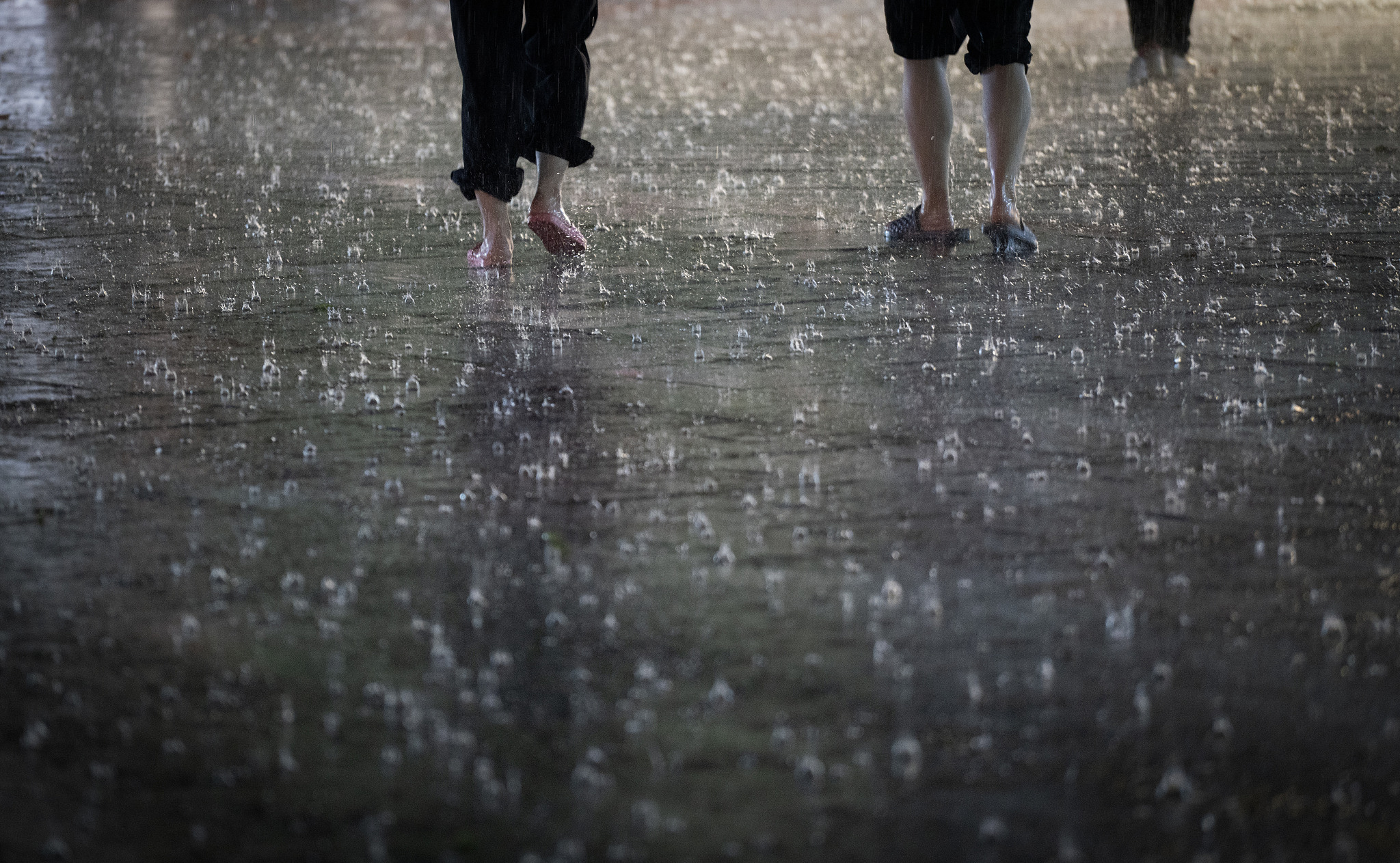
Heavy rainfall sweeps Chongqing Municipality, southwest China, April 19, 2026. /VCG
From a national standpoint, Chongqing reflects China's effort to integrate meteorological services into governance. Its terrain, population density and role as a major inland hub create layered risks that require more than conventional forecasting.
Saulo highlighted the value of combining multiple data streams, tailored services and operational coordination to support both public use and specialized decision-making.
She stressed that early warning is effective only when forecasts are translated into clear actions.
This aligns with ongoing efforts in China to embed weather information into emergency management, infrastructure planning and public communication, moving beyond standalone alerts.
Saulo identified four core elements of an effective system: observation, forecast accuracy, communication and response capacity. Among them, communication remains the weakest link, especially when complex risks must be conveyed in practical terms.
Chongqing's approach, integrating warnings into city operations, reflects attempts to close that gap.

China Meteorological Administration booth at the 2025 World Artificial Intelligence Conference in Shanghai, China, July 27, 2025. /VCG
Globally, such practices tie into the "Early Warnings for All" initiative, which aims to achieve universal coverage by 2027. About 60% of countries report having multi-hazard systems, yet gaps persist, particularly in developing regions. As extreme events intensify, exposure is becoming more widespread, increasing the need for scalable models.
China's contribution includes satellite capabilities, a focus on people-centered services and international cooperation through initiatives such as MAZU. Supported under the global framework, MAZU seeks to build service networks and share operational experience and technology with partner countries, especially in the Global South. MAZU stands for "Multi-hazard, Alerts, Zero-gap coverage, and Universal accessibility."
In Chongqing, these systems also support economic activity. Since late 2025, MAZU-based services have been applied to the China-Europe Railway Express, where routes cross diverse climate zones and face risks including storms, sandstorms, snowfall and reduced visibility.
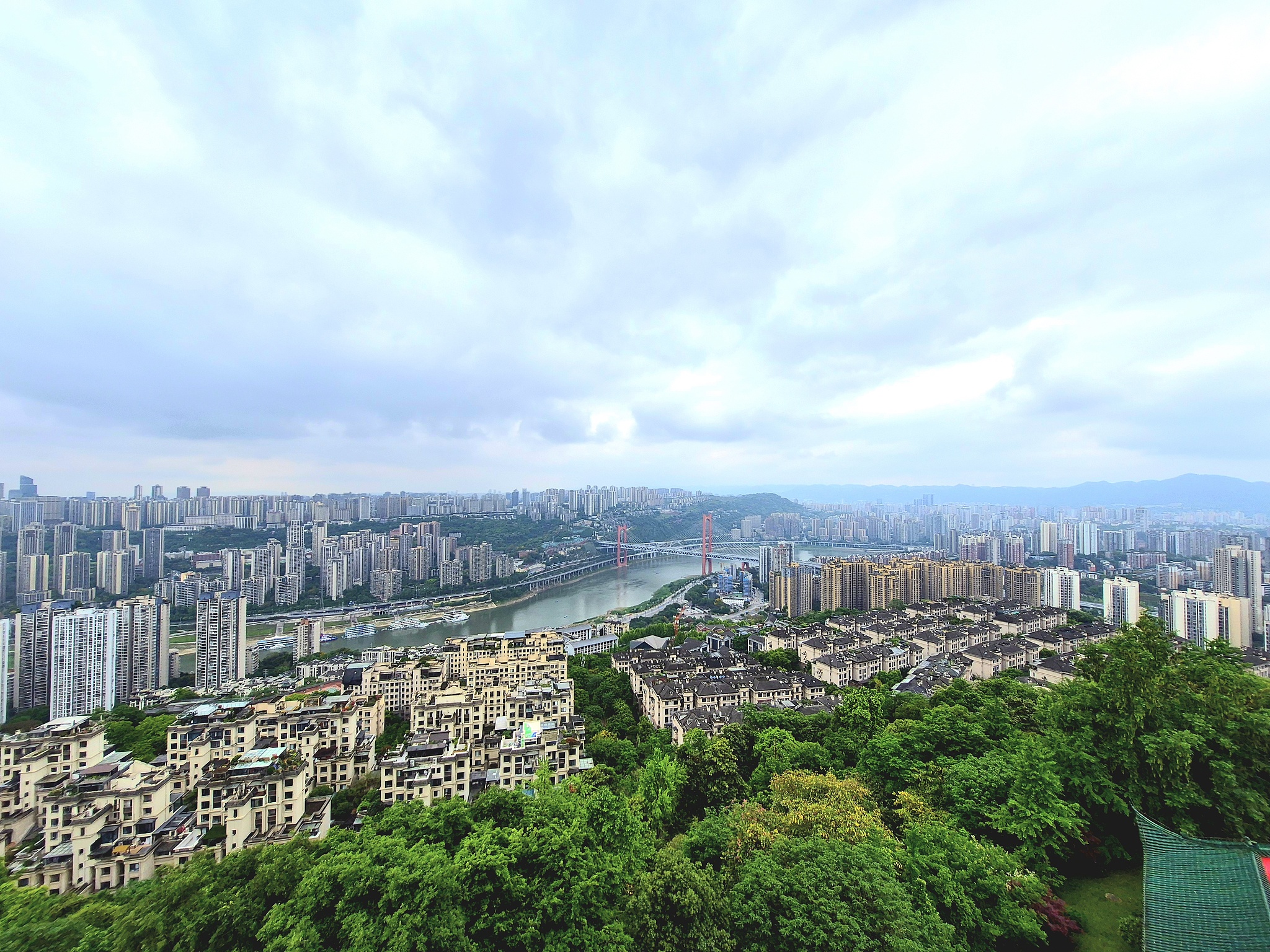
A view of rainy Chongqing Municipality, southwest China, April 21, 2026. /VCG
This illustrates how meteorology is increasingly linked to logistics and supply chains.
Together, these elements position Chongqing as both a high-risk environment and a reference case. Saulo's concluding message underscores the principle behind such systems: it is better to act on a warning than to ignore it.
As recent events showed, effectiveness ultimately depends on how well forecasts translate into timely response.