


Yiwu, a city in east China's Zhejiang Province, is neither coastal nor a provincial capital, yet it has exported over 2.1 million types of small commodities to 233 countries and regions worldwide.
Its early story began with the "feather-for-sugar" trade, where rural vendors traveled with rattling bamboo drums, exchanging small goods door to door.
By the early 2000s, Yiwu had built a solid reputation, but rapid growth brought new challenges. Although trade volumes surged, the low-margin trade model left Yiwu's development hitting a bottleneck.
"A container could take multiple steps just to clear customs," said Ding Hanyong, deputy general manager of credit review at Yiwu Rural Commercial Bank. The system, he noted, no longer matched the city's pace.
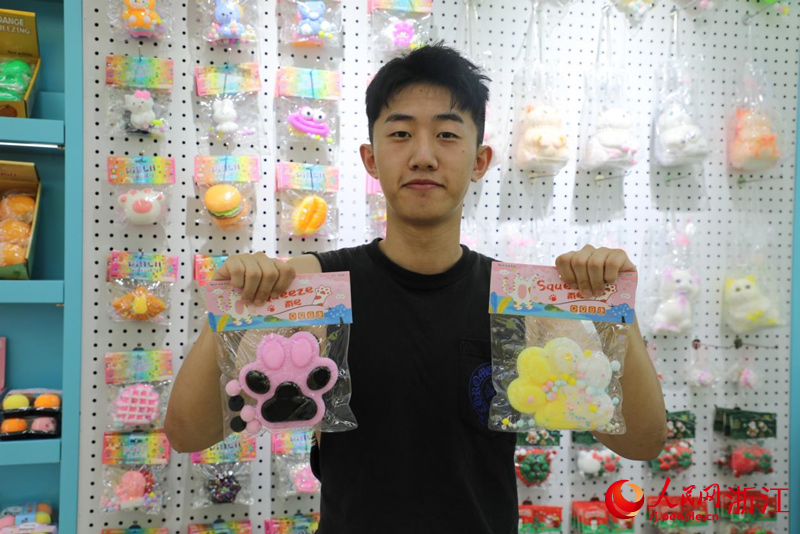
A second-generation entrepreneur born in the 2000s showcases popular commodities in Yiwu, east China's Zhejiang Province. (Photo: People's Daily Online)
In 2006, Zhejiang launched a major reform that transferred 131 administrative powers from Jinhua, the city overseeing Yiwu, to Yiwu itself. These powers included land approval, foreign investment, tax rebates and customs clearance.
The impact was immediate. Yiwu's GDP rose from 30 billion yuan ($4.39 billion) in 2005 to 42.09 billion yuan in 2007, while exports grew from under 10 billion yuan to over 730 billion yuan by 2025.
Since then, Yiwu has undergone successive reforms. These include the foreign trade comprehensive pilot reform project, the establishment of market procurement trade, the cross-border e-commerce comprehensive pilot zone, the expansion of the Yiwu free trade pilot zone and the approval of the new round of international trade comprehensive reforms.
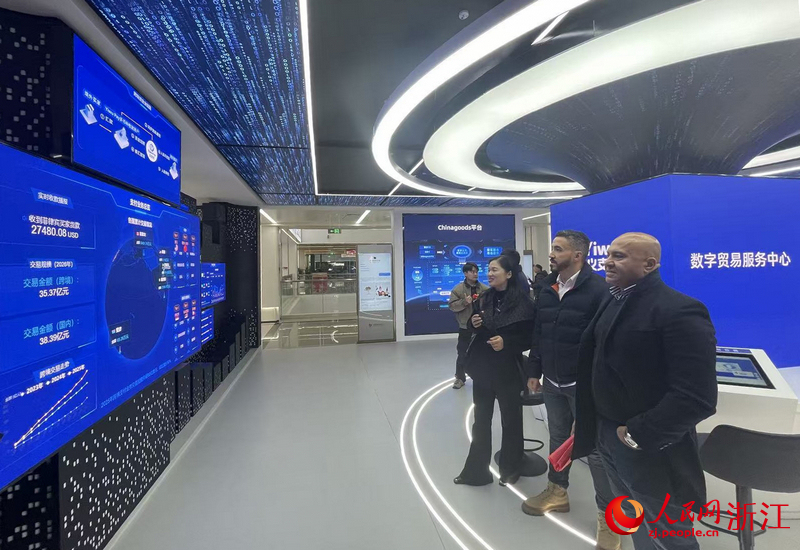
Foreign businesspeople watch data reflecting the overseas presence of businesses in Yiwu at the Global Digital Trade Center in Yiwu, east China's Zhejiang Province. (Photo: People's Daily Online)
Yiwu's marketplace has also evolved through six generations over four decades — from open-air stalls in the 1980s to today's digital trade hub. The latest iteration, the Global Digital Trade Center, which opened in 2025, features AI translation, autonomous logistics and livestream commerce. Over 3,700 vendors now operate there, with daily foot traffic reaching 60,000, including about 5,000 from foreign buyers.
Open development has further expanded Yiwu's global reach. The Yixin'ou (Yiwu-Xinjiang-Europe) freight train service, launched in November 2014, has now completed over 15,900 trips to more than 160 cities in over 50 countries, becoming one of the world's longest-running freight rail networks.
Early this year, 10 Yiwu-based companies joined forces to attend Marca by Bologna Fiere in Italy, securing orders worth over 20 million yuan. A new generation of Yiwu entrepreneurs is now taking their brands global, actively pursuing overseas orders and bringing international business opportunities closer to home.
In the first quarter of this year, Yiwu conducted trade with more than 220 countries and regions around the world, with its global business network continuing to expand.
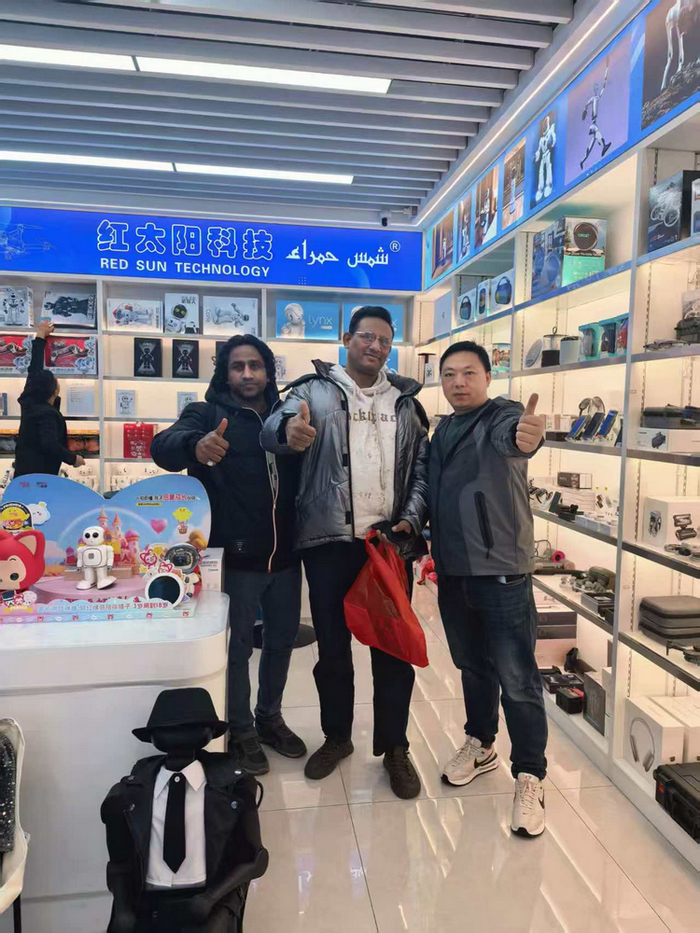
A business owner poses for a picture with foreign businesspeople in Yiwu, east China's Zhejiang Province. (Photo courtesy of the interviewee)