


Kuqa in China's Xinjiang advances preservation and utilization of cultural relics
Xinhua
1778838239000
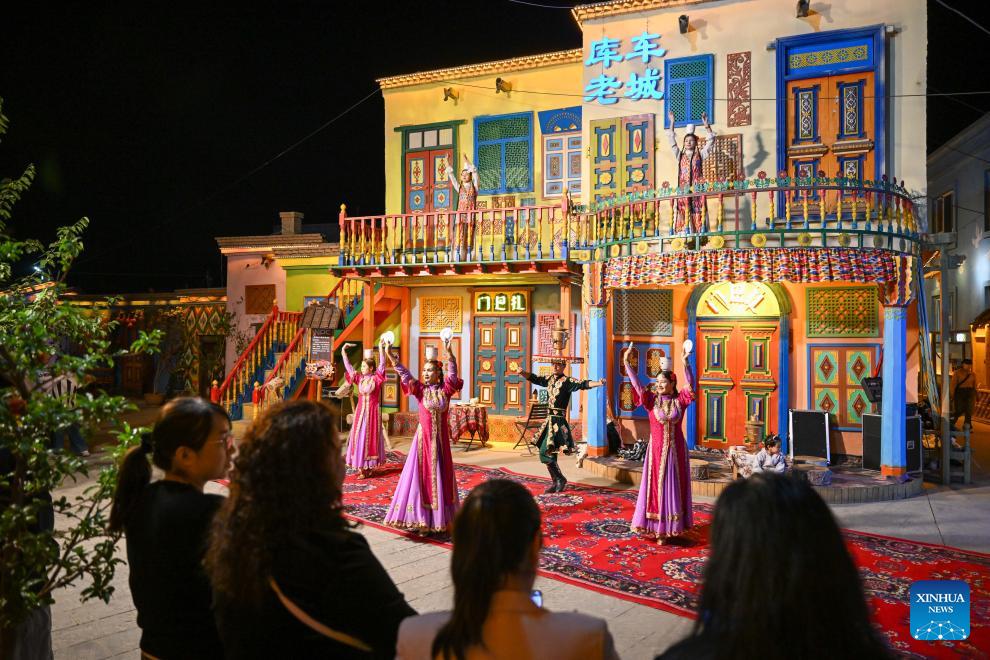
Tourists enjoy song and dance performances at a historic and cultural block in Kuqa City, northwest China's Xinjiang Uygur Autonomous Region, May 13, 2026. Leveraging its cultural resources, the city of Kuqa has established new cultural landmarks, including the Qiuci Museum, intangible cultural heritage workshops, and music and dance experience centers. Through prioritized protection, technology empowerment, and integrated cultural tourism development, Kuqa is advancing the preservation and utilization of cultural relics. (Xinhua/Ding Lei)
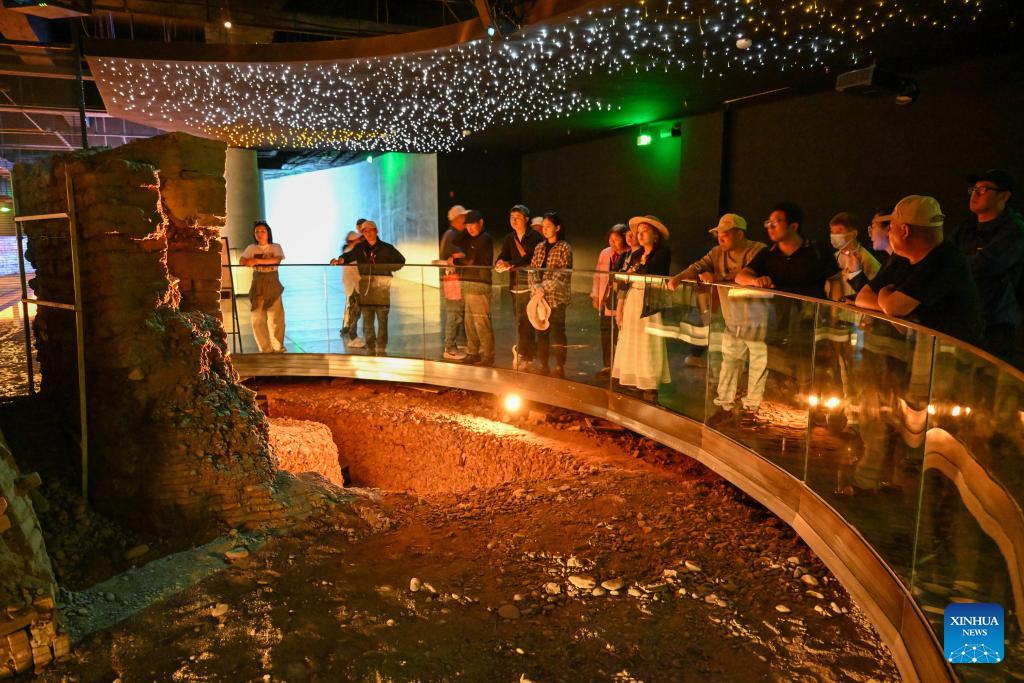
People visit the underground museum of the Wei and Jin dynasties (220-420) ancient tombs in Kuqa City, northwest China's Xinjiang Uygur Autonomous Region, May 13, 2026. Leveraging its cultural resources, the city of Kuqa has established new cultural landmarks, including the Qiuci Museum, intangible cultural heritage workshops, and music and dance experience centers. Through prioritized protection, technology empowerment, and integrated cultural tourism development, Kuqa is advancing the preservation and utilization of cultural relics. (Xinhua/Ding Lei)
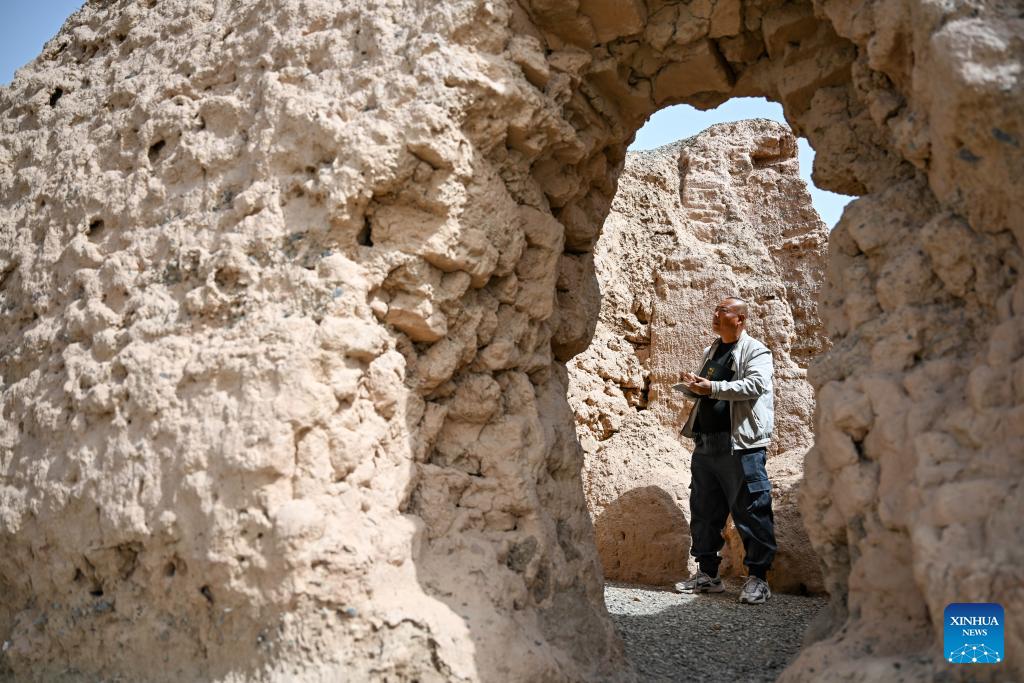
A staff member checks the safety status of the Subash Buddhist Temple Ruins in Kuqa City, northwest China's Xinjiang Uygur Autonomous Region, May 14, 2026. Leveraging its cultural resources, the city of Kuqa has established new cultural landmarks, including the Qiuci Museum, intangible cultural heritage workshops, and music and dance experience centers. Through prioritized protection, technology empowerment, and integrated cultural tourism development, Kuqa is advancing the preservation and utilization of cultural relics. (Xinhua/Ding Lei)
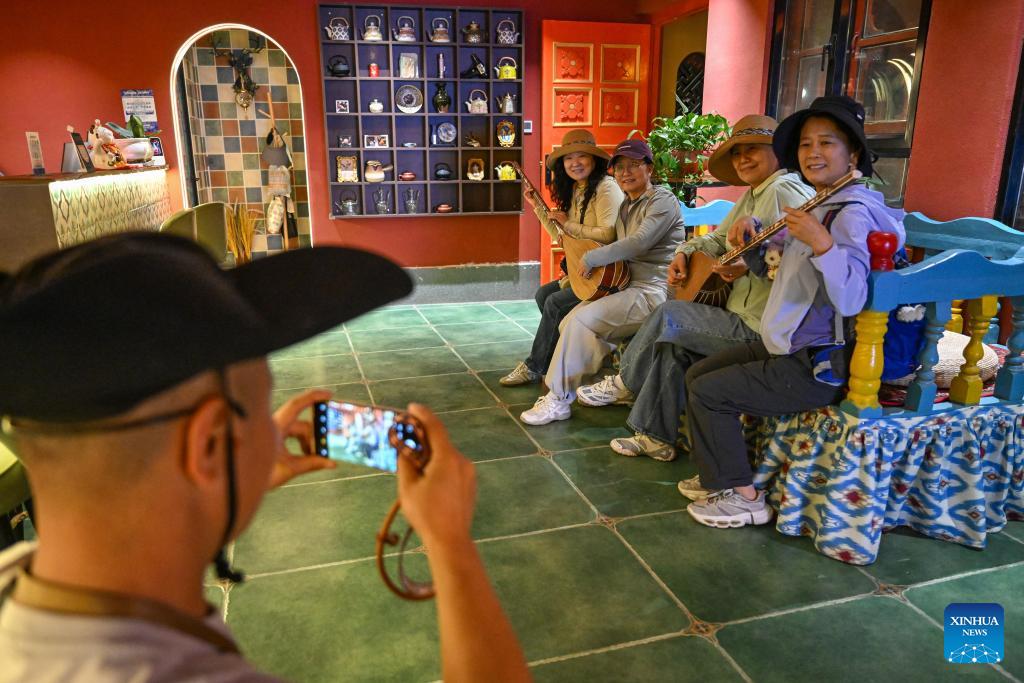
Tourists pose for photos at a historic and cultural block in Kuqa City, northwest China's Xinjiang Uygur Autonomous Region, May 13, 2026. Leveraging its cultural resources, the city of Kuqa has established new cultural landmarks, including the Qiuci Museum, intangible cultural heritage workshops, and music and dance experience centers. Through prioritized protection, technology empowerment, and integrated cultural tourism development, Kuqa is advancing the preservation and utilization of cultural relics. (Xinhua/Ding Lei)
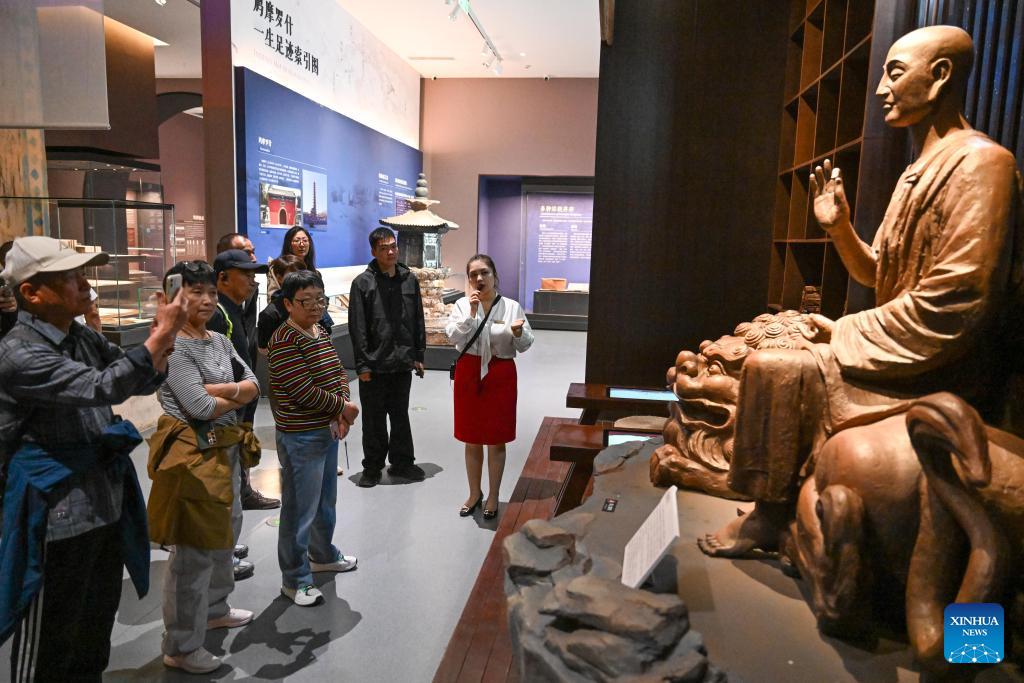
Visitors view exhibits at the Qiuci Museum in Kuqa City, northwest China's Xinjiang Uygur Autonomous Region, May 13, 2026. Leveraging its cultural resources, the city of Kuqa has established new cultural landmarks, including the Qiuci Museum, intangible cultural heritage workshops, and music and dance experience centers. Through prioritized protection, technology empowerment, and integrated cultural tourism development, Kuqa is advancing the preservation and utilization of cultural relics. (Xinhua/Ding Lei)
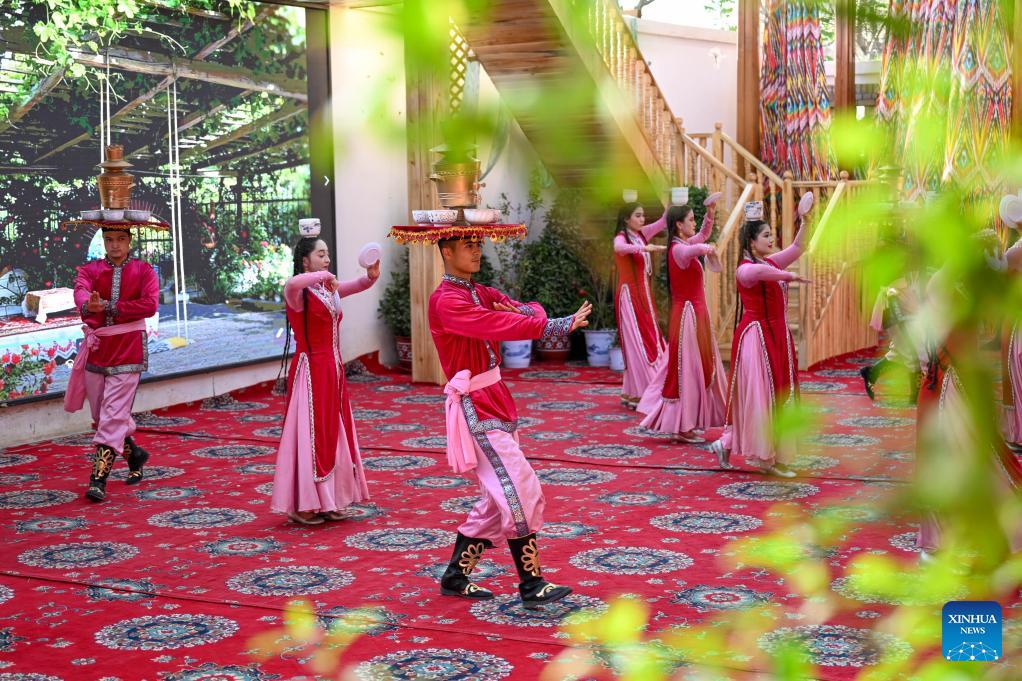
Artists perform for tourists in the Qiuci Alley in Kuqa City, northwest China's Xinjiang Uygur Autonomous Region, May 13, 2026. Leveraging its cultural resources, the city of Kuqa has established new cultural landmarks, including the Qiuci Museum, intangible cultural heritage workshops, and music and dance experience centers. Through prioritized protection, technology empowerment, and integrated cultural tourism development, Kuqa is advancing the preservation and utilization of cultural relics. (Xinhua/Ding Lei)
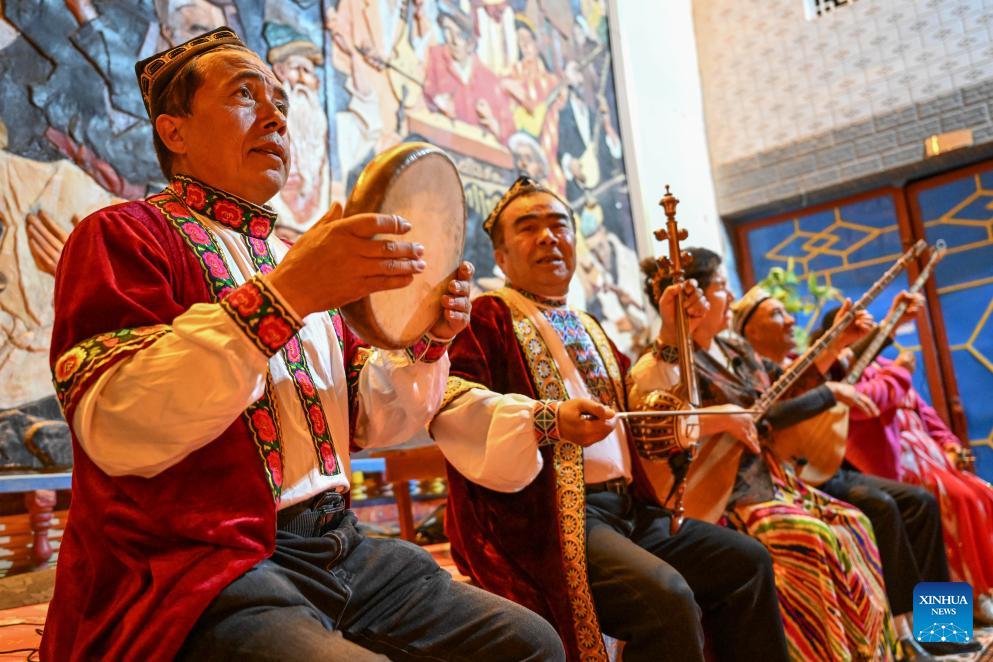
Artists perform at a historic and cultural block in Kuqa City, northwest China's Xinjiang Uygur Autonomous Region, May 13, 2026. Leveraging its cultural resources, the city of Kuqa has established new cultural landmarks, including the Qiuci Museum, intangible cultural heritage workshops, and music and dance experience centers. Through prioritized protection, technology empowerment, and integrated cultural tourism development, Kuqa is advancing the preservation and utilization of cultural relics. (Xinhua/Ding Lei)
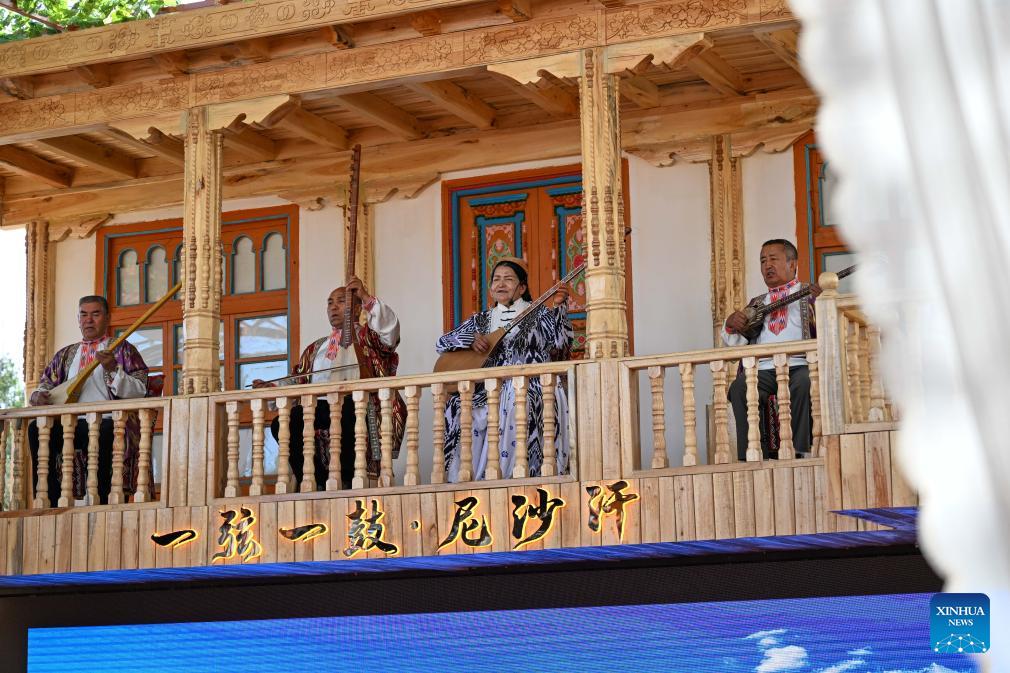
Artists perform for tourists in the Qiuci Alley in Kuqa City, northwest China's Xinjiang Uygur Autonomous Region, May 13, 2026. Leveraging its cultural resources, the city of Kuqa has established new cultural landmarks, including the Qiuci Museum, intangible cultural heritage workshops, and music and dance experience centers. Through prioritized protection, technology empowerment, and integrated cultural tourism development, Kuqa is advancing the preservation and utilization of cultural relics. (Xinhua/Ding Lei)
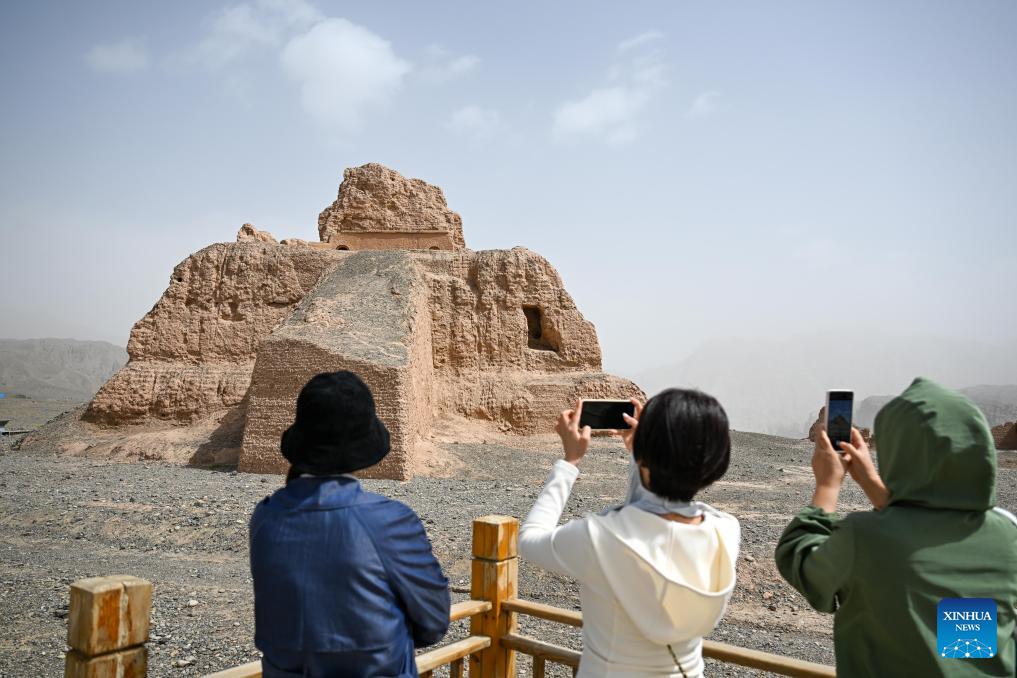
Tourists take photos of the Subash Buddhist Temple Ruins in Kuqa City, northwest China's Xinjiang Uygur Autonomous Region, May 14, 2026. Leveraging its cultural resources, the city of Kuqa has established new cultural landmarks, including the Qiuci Museum, intangible cultural heritage workshops, and music and dance experience centers. Through prioritized protection, technology empowerment, and integrated cultural tourism development, Kuqa is advancing the preservation and utilization of cultural relics. (Xinhua/Ding Lei)
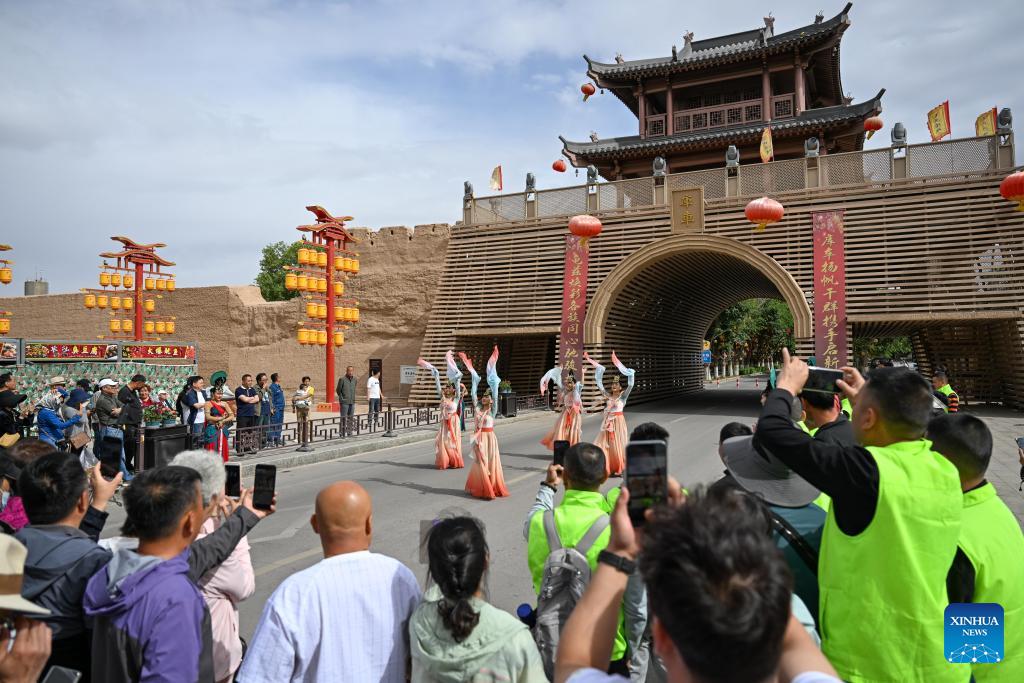
Artists perform at a welcoming ceremony at the ancient city of Kuqa in Kuqa City, northwest China's Xinjiang Uygur Autonomous Region, May 13, 2026. Leveraging its cultural resources, the city of Kuqa has established new cultural landmarks, including the Qiuci Museum, intangible cultural heritage workshops, and music and dance experience centers. Through prioritized protection, technology empowerment, and integrated cultural tourism development, Kuqa is advancing the preservation and utilization of cultural relics. (Xinhua/Ding Lei)
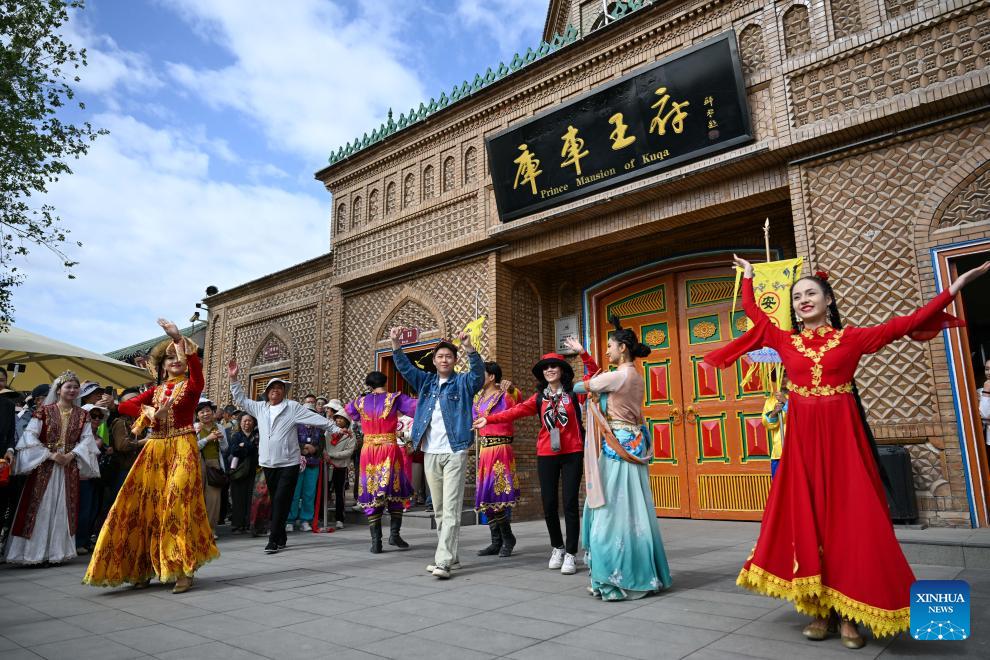
Tourists and artists dance in front of the Prince Mansion of Kuqa, a tourist site in Kuqa City, northwest China's Xinjiang Uygur Autonomous Region, May 13, 2026. Leveraging its cultural resources, the city of Kuqa has established new cultural landmarks, including the Qiuci Museum, intangible cultural heritage workshops, and music and dance experience centers. Through prioritized protection, technology empowerment, and integrated cultural tourism development, Kuqa is advancing the preservation and utilization of cultural relics. (Xinhua/Ding Lei)
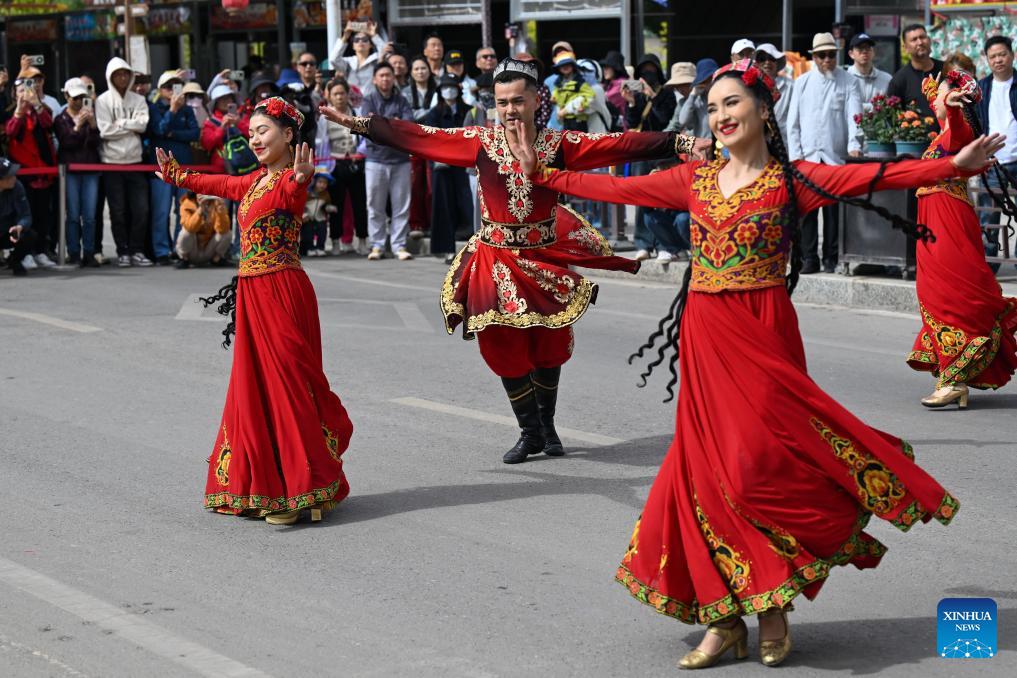
Artists perform at a welcoming ceremony of the ancient city of Kuqa in Kuqa City, northwest China's Xinjiang Uygur Autonomous Region, May 13, 2026. Leveraging its cultural resources, the city of Kuqa has established new cultural landmarks, including the Qiuci Museum, intangible cultural heritage workshops, and music and dance experience centers. Through prioritized protection, technology empowerment, and integrated cultural tourism development, Kuqa is advancing the preservation and utilization of cultural relics. (Xinhua/Ding Lei)
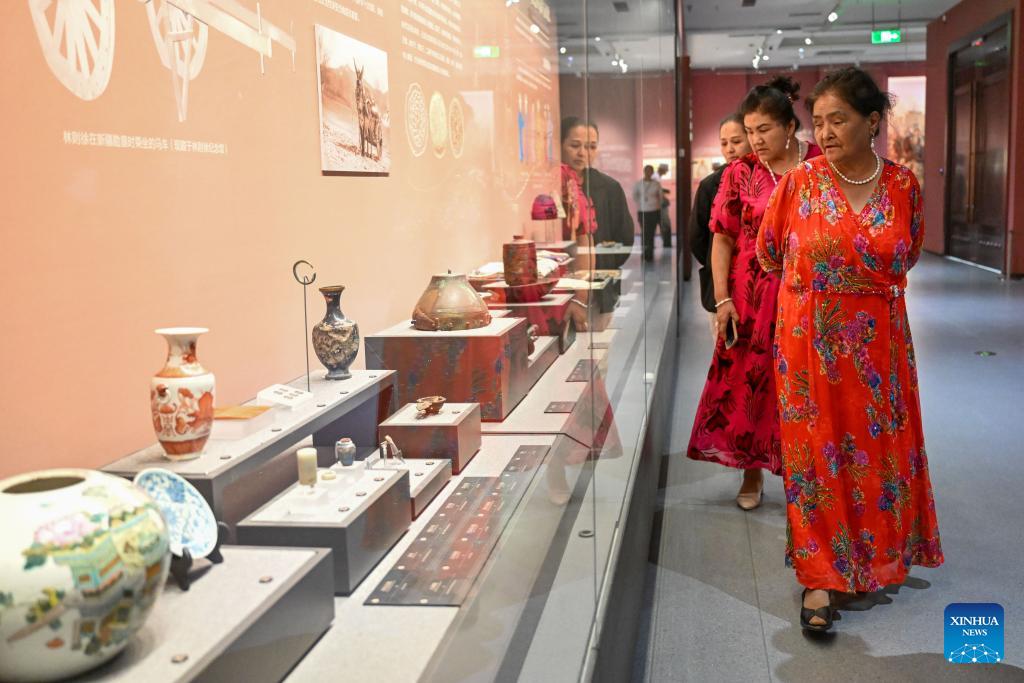
Visitors view exhibits at the Qiuci Museum in Kuqa City, northwest China's Xinjiang Uygur Autonomous Region, May 13, 2026. Leveraging its cultural resources, the city of Kuqa has established new cultural landmarks, including the Qiuci Museum, intangible cultural heritage workshops, and music and dance experience centers. Through prioritized protection, technology empowerment, and integrated cultural tourism development, Kuqa is advancing the preservation and utilization of cultural relics. (Xinhua/Ding Lei)
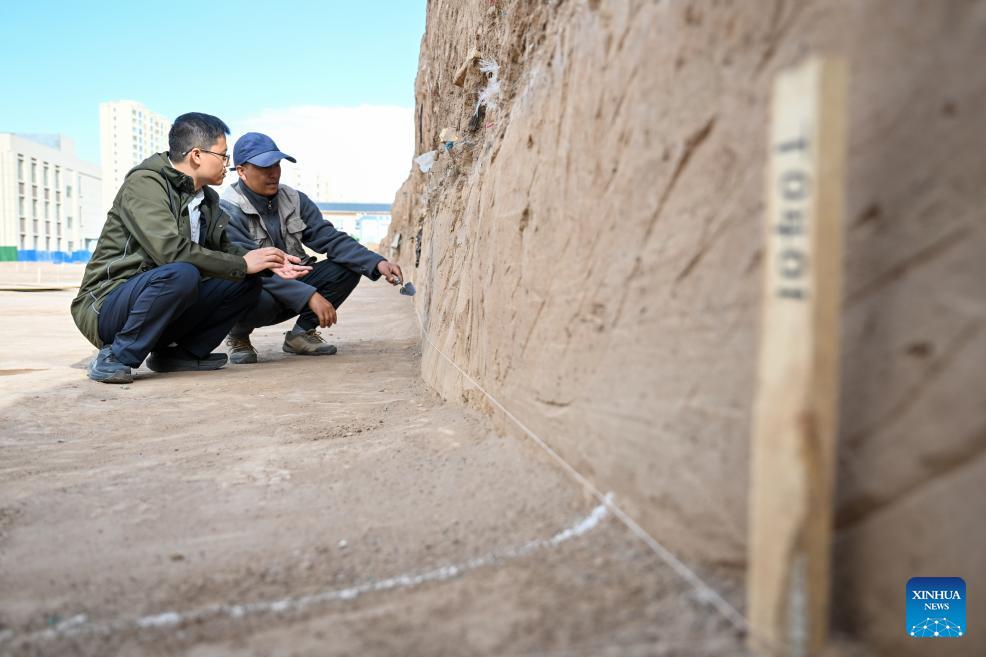
Archaeologists inspect an archaeological excavation site in Kuqa City, northwest China's Xinjiang Uygur Autonomous Region, May 13, 2026. Leveraging its cultural resources, the city of Kuqa has established new cultural landmarks, including the Qiuci Museum, intangible cultural heritage workshops, and music and dance experience centers. Through prioritized protection, technology empowerment, and integrated cultural tourism development, Kuqa is advancing the preservation and utilization of cultural relics. (Xinhua/Ding Lei)
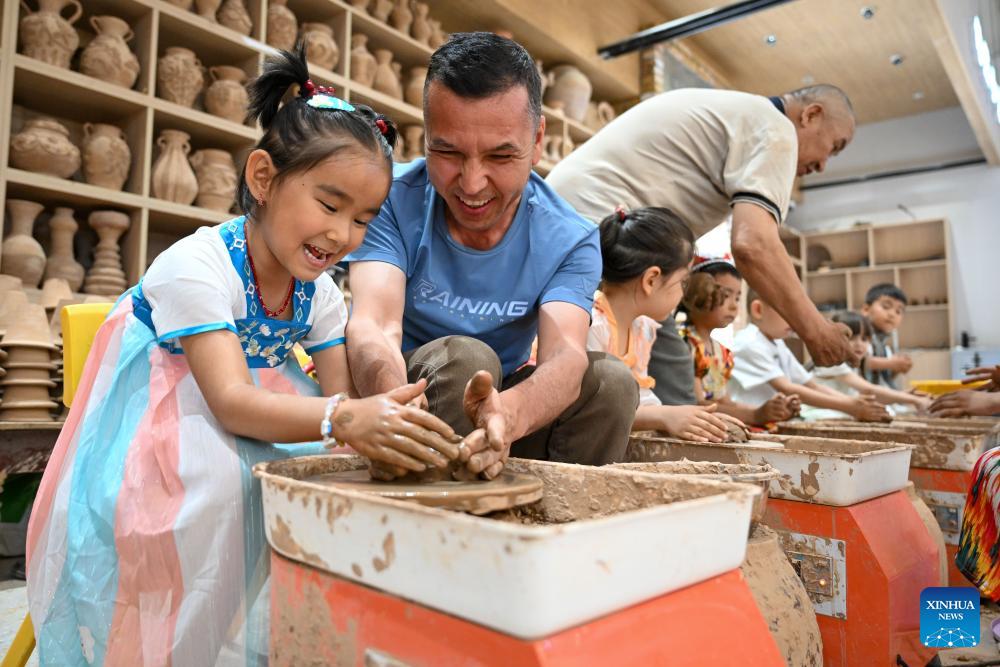
Children experience clay pottery making at a Qiuci intangible cultural heritage workshop in Kuqa City, northwest China's Xinjiang Uygur Autonomous Region, May 12, 2026. Leveraging its cultural resources, the city of Kuqa has established new cultural landmarks, including the Qiuci Museum, intangible cultural heritage workshops, and music and dance experience centers. Through prioritized protection, technology empowerment, and integrated cultural tourism development, Kuqa is advancing the preservation and utilization of cultural relics. (Xinhua/Ding Lei)