


Recent consumer spending data highlights a significant trend in China: the rapidly growing tourism, cultural and sports sectors are emerging as crucial drivers of service consumption growth.
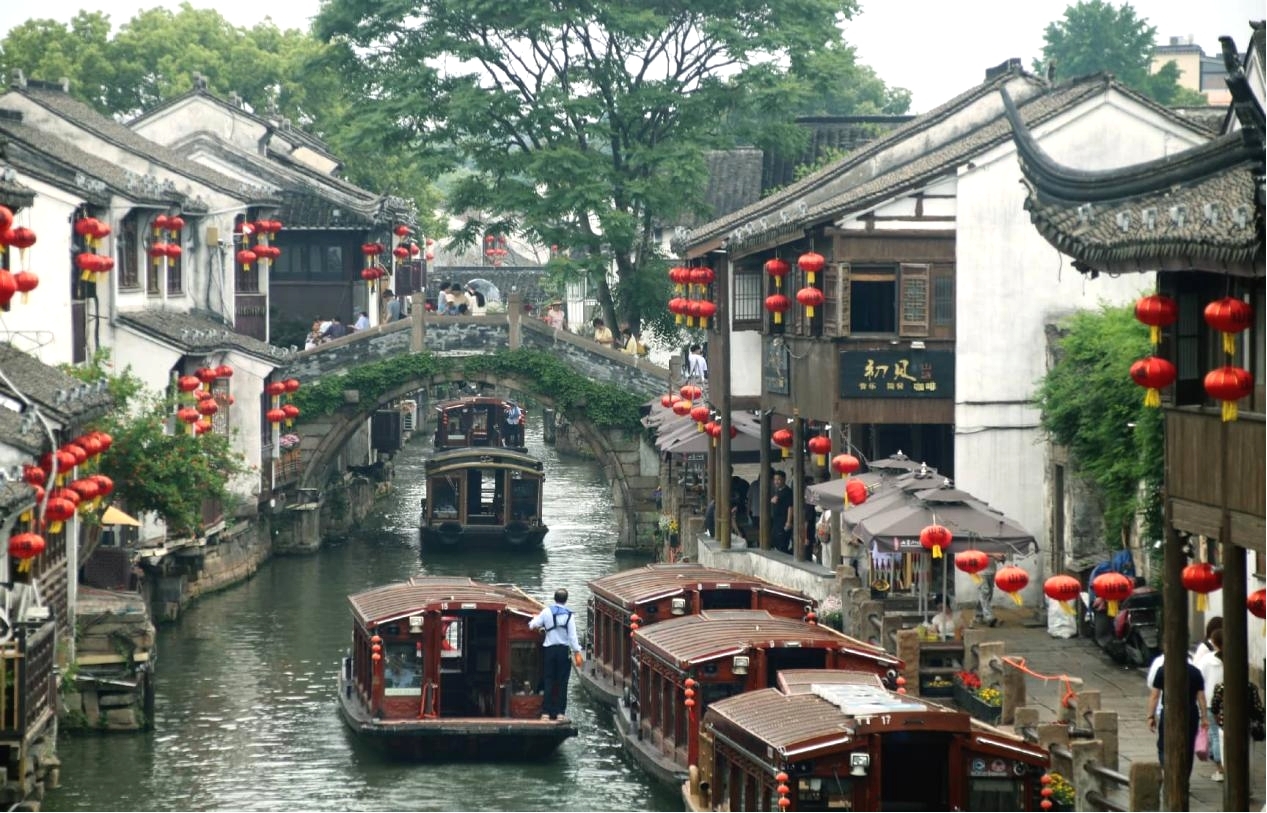
Tourists take boats on a river in the old town in Suzhou, East China's Jiangsu Province, May 19, 2026. (Photo: Wang Jiankang)
According to the National Bureau of Statistics, China's retail sales of services rose 5.6 percent year on year in the first four months of this year, 0.1 percentage points faster than in the first quarter and significantly outpacing the growth of goods retail sales.
Leading this expansion were tourism consulting and rental services, transportation-related services and cultural, sports and leisure services, all registering double-digit growth. These sectors not only grew faster than overall service retail sales but also demonstrated stronger momentum compared with the first quarter.
The growing popularity of tourism, cultural activities and sporting events has become a new highlight and a key growth engine for China's service consumption. The trend underscores both the vitality and resilience of China's consumer market while bolstering efforts to boost consumption, expand domestic demand and promote high-quality economic development.
Since the beginning of the year, cultural tourism and sports events have developed in a more normalized, high-quality and integrated manner. Expanding consumption scenarios and deeper integration across diverse business models have significantly boosted market vitality.
This robust growth is underpinned by effective policy implementation. It also signals an inevitable shift toward a more optimized economic structure and upgraded consumption patterns in China, aligning with the core principles of high-quality economic and social development.
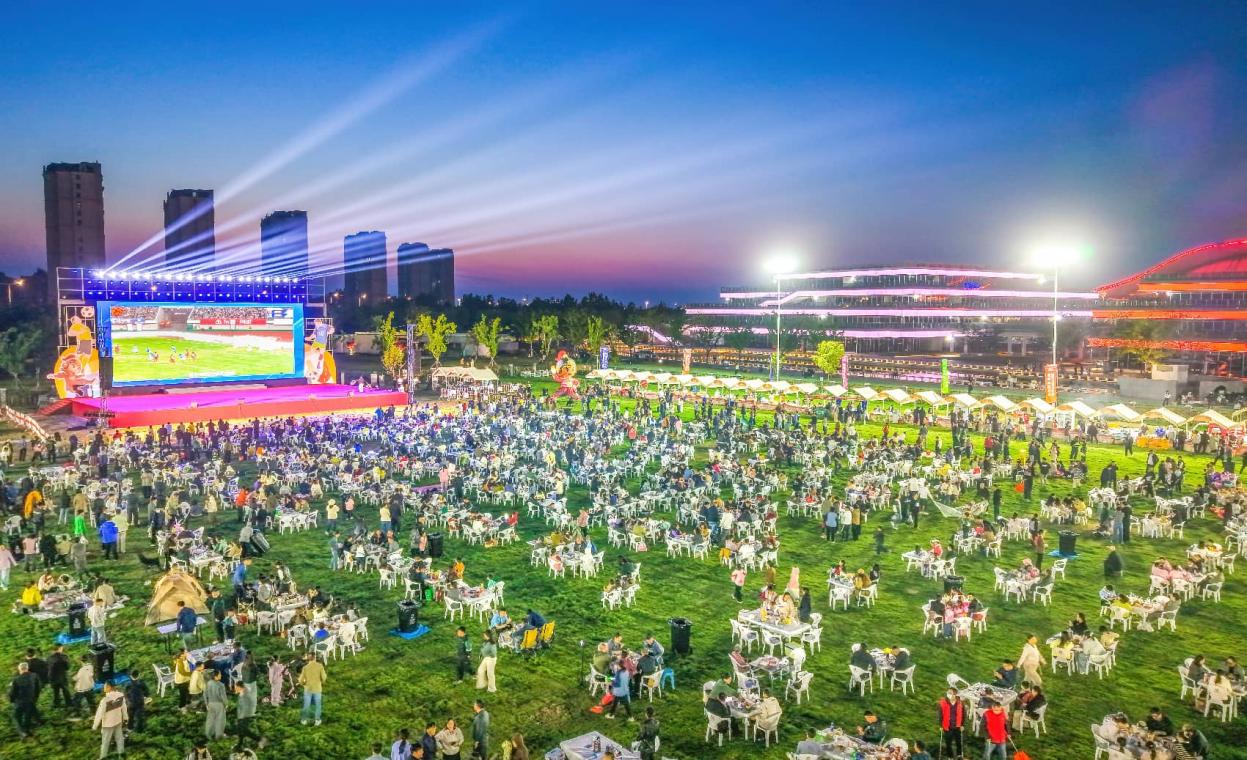
People dine while watching Jiangsu Football City League matches broadcast live on a large screen, Suqian, East China's Jiangsu Province, April 25, 2026. (Photo: Chen Shaoshuai)
Local governments nationwide have introduced targeted measures to stimulate cultural and tourism spending. Policies such as spring breaks for primary and secondary school students and tourism consumption vouchers, combined with the Qingming Festival and May Day holidays, have effectively energized the tourism market and boosted related spending on travel and accommodation.
Official holiday data underscores this momentum: domestic tourism spending surpassed 61.36 billion yuan ($9.02 billion) during the Qingming Festival, up 6.6 percent year on year. During the May Day holiday, total domestic tourism spending climbed to 185.49 billion yuan ($27.29 billion), an increase of 2.9 percent.
Chinese residents are accelerating the shift from subsistence and basic consumption toward developmental and quality-oriented consumption. Spending priorities are evolving from goods-dominated consumption toward a more balanced mix of goods and services.
Public demand has moved beyond mere sightseeing toward immersive experiences, and from purchasing physical goods toward seeking premium services and unique experiences. Driven by trends in the experiential and emotional economy, cultural tourism, sports events and similar consumption activities are evolving into new forms featuring in-depth participation and emotional resonance.
Looking ahead to the full year, the tourism and cultural sectors are demonstrating even stronger momentum in driving domestic demand and supporting economic growth.
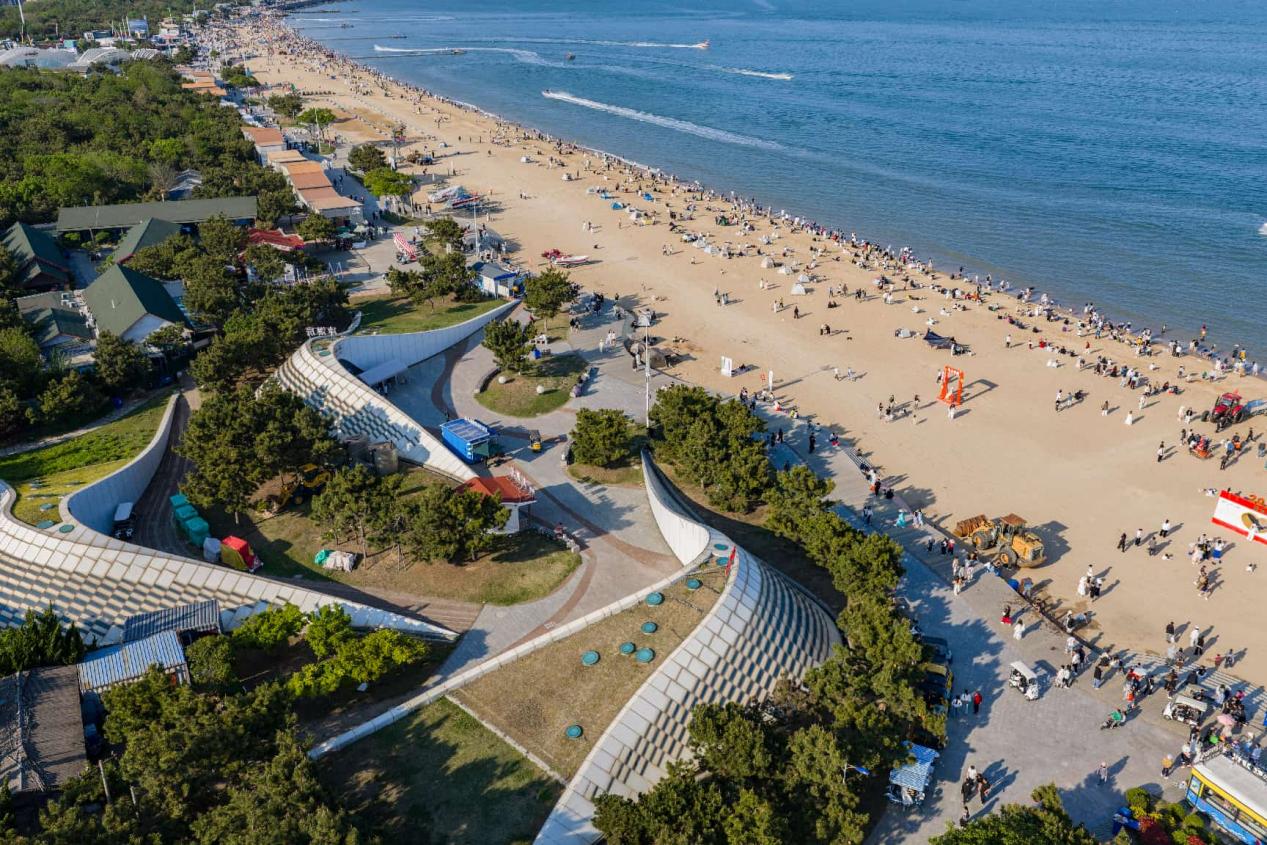
Pictured is a beach packed with tourists in Rizhao, East China's Shandong Province on May 3. (Photo: Zheng Peibo)
In 2025, domestic tourist trips surpassed 6.5 billion, an increase of more than 16 percent year on year, while tourism spending reached a record 6.3 trillion yuan ($926.47 billion), up 9.5 percent from the previous year.
Crowded tourist attractions, bustling commercial streets and packed sports stadiums together paint a vivid picture of a vibrant consumer market. These scenes reflect the continued release of the advantages of China's enormous domestic market, the ongoing upgrading of industrial and consumption structures and the country's steady economic recovery and growth.
From a long-term industrial perspective, the cultural and tourism sector is steadily evolving into an industry that supports livelihoods, enhances well-being and serves as a pillar of the Chinese economy.
This year marks the beginning of China's 15th Five-Year Plan period (2026-2030), which for the first time includes the goal of building China into a leading global tourism destination.
Drawing on the dual opportunities created by consumption and industrial upgrading, China will continue to advance high-quality growth in tourism, culture and related industries. This will foster robust economic momentum through dynamic population movement and the smooth flow of essential factors.