


Birds enter breeding season at Miyun Reservoir in China's Beijing
Xinhua
1780132190000
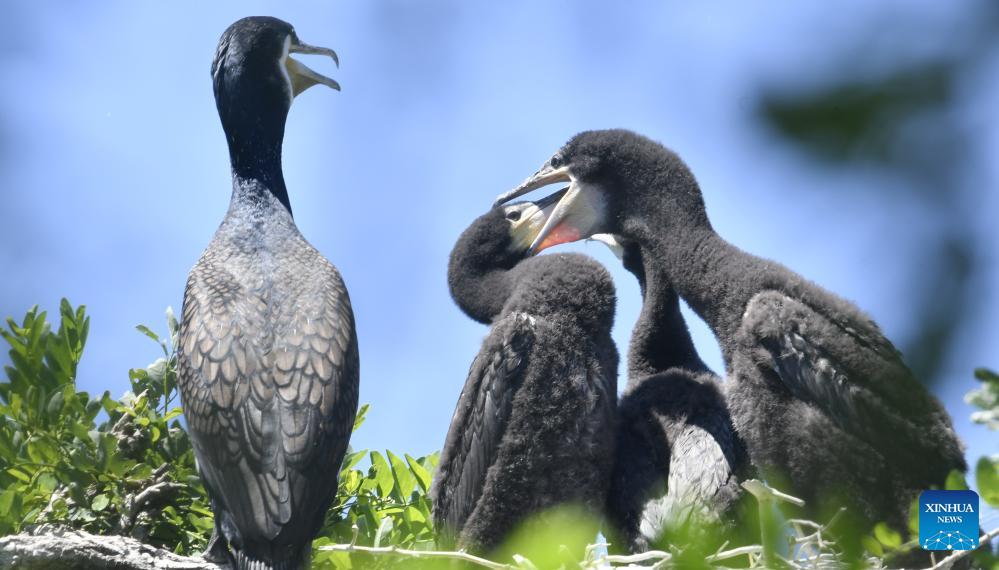
Adult and fledgling cormorants are pictured at Miyun Reservoir in Beijing, capital of China, May 29, 2026. More than 5,000 birds at Miyun Reservoir have currently entered the breeding season. To protect these birds with great care, the administration office here has adopted a series of measures including temporary close-down of breeding areas, wetland restoration, AI-powered monitoring, first aid for injured birds, and removal of environmental hazards. (Xinhua/Li Xin)
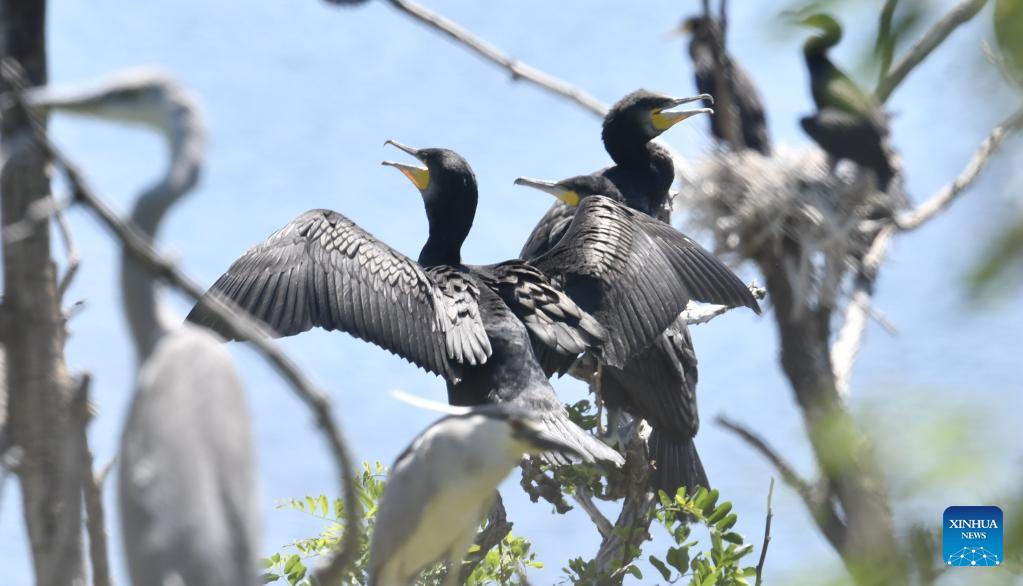
Cormorant fledglings learn to fly at Miyun Reservoir in Beijing, capital of China, May 29, 2026. More than 5,000 birds at Miyun Reservoir have currently entered the breeding season. To protect these birds with great care, the administration office here has adopted a series of measures including temporary close-down of breeding areas, wetland restoration, AI-powered monitoring, first aid for injured birds, and removal of environmental hazards. (Xinhua/Li Xin)
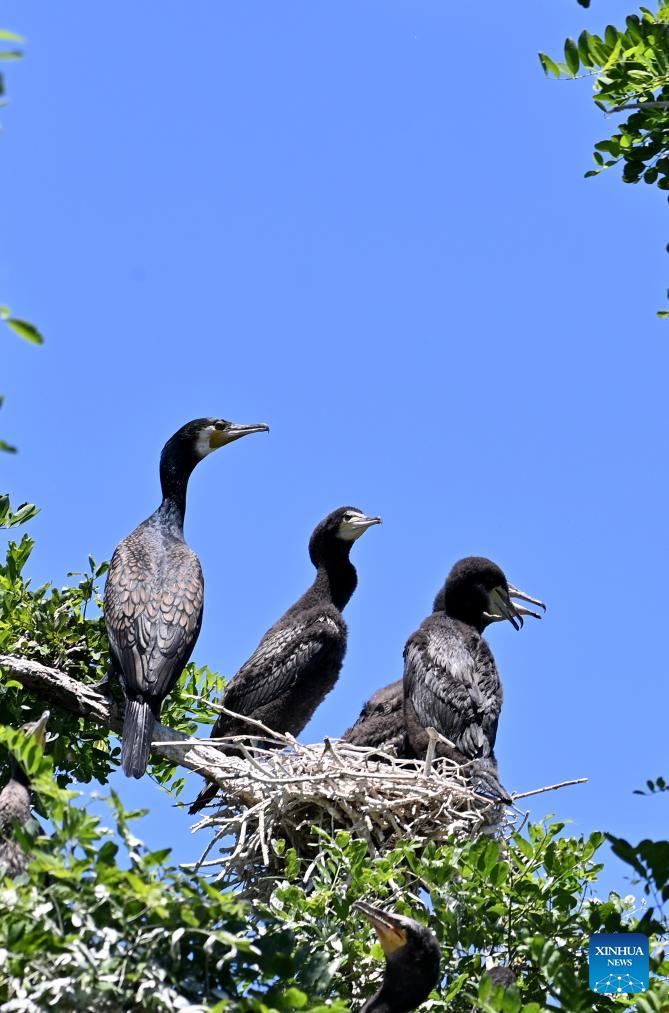
Cormorant fledglings learn to fly at Miyun Reservoir in Beijing, capital of China, May 29, 2026. More than 5,000 birds at Miyun Reservoir have currently entered the breeding season. To protect these birds with great care, the administration office here has adopted a series of measures including temporary close-down of breeding areas, wetland restoration, AI-powered monitoring, first aid for injured birds, and removal of environmental hazards. (Photo by Wang Jingguang/Xinhua)
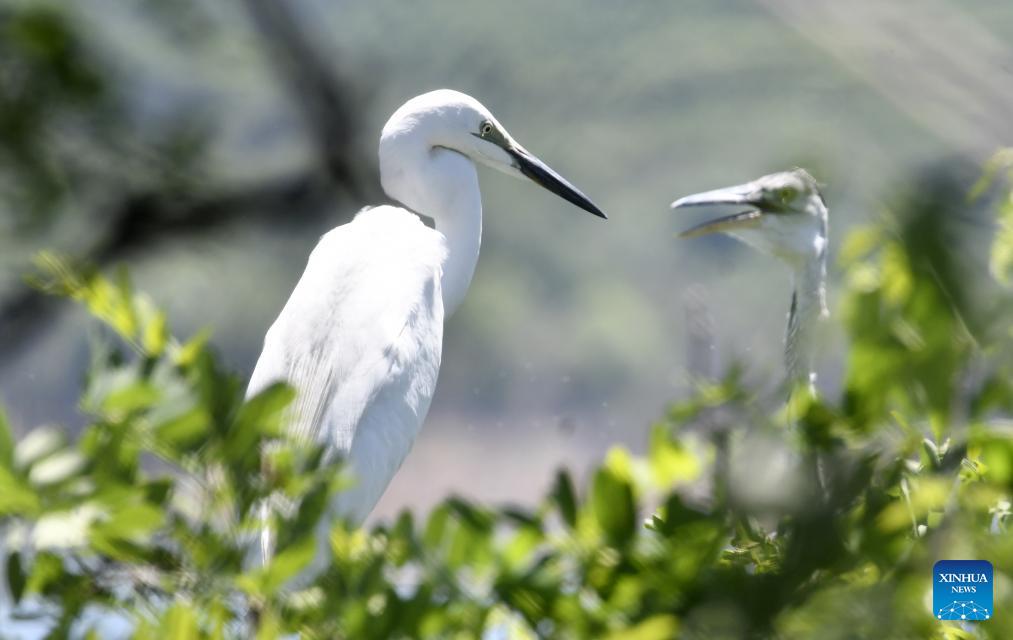
An egret (L) and a grey heron fledgling are pictured at Miyun Reservoir in Beijing, capital of China, May 29, 2026. More than 5,000 birds at Miyun Reservoir have currently entered the breeding season. To protect these birds with great care, the administration office here has adopted a series of measures including temporary close-down of breeding areas, wetland restoration, AI-powered monitoring, first aid for injured birds, and removal of environmental hazards. (Xinhua/Li Xin)
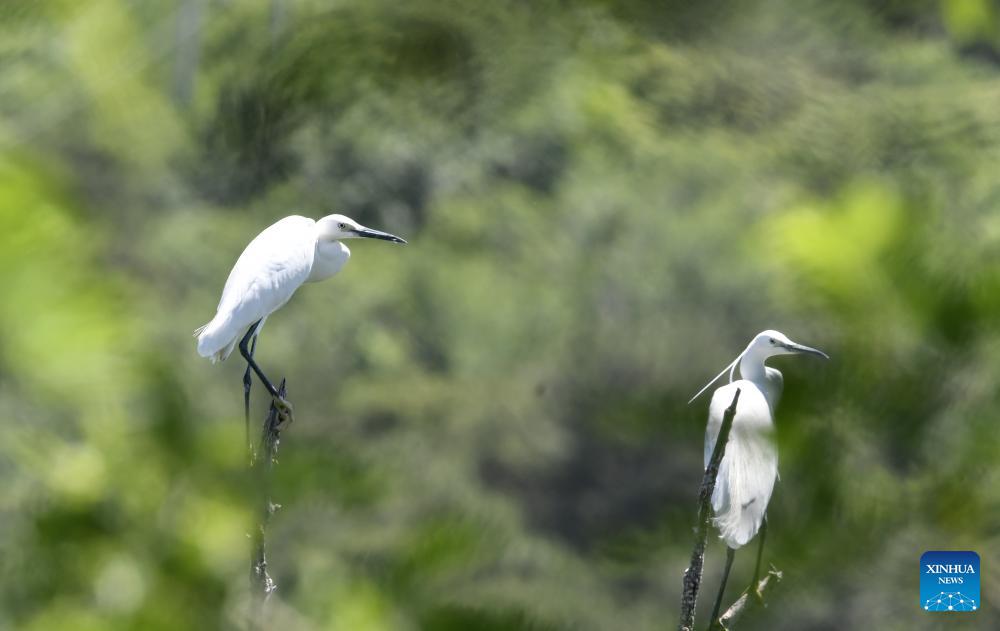
Two egrets are pictured at Miyun Reservoir in Beijing, capital of China, May 29, 2026. More than 5,000 birds at Miyun Reservoir have currently entered the breeding season. To protect these birds with great care, the administration office here has adopted a series of measures including temporary close-down of breeding areas, wetland restoration, AI-powered monitoring, first aid for injured birds, and removal of environmental hazards. (Xinhua/Li Xin)
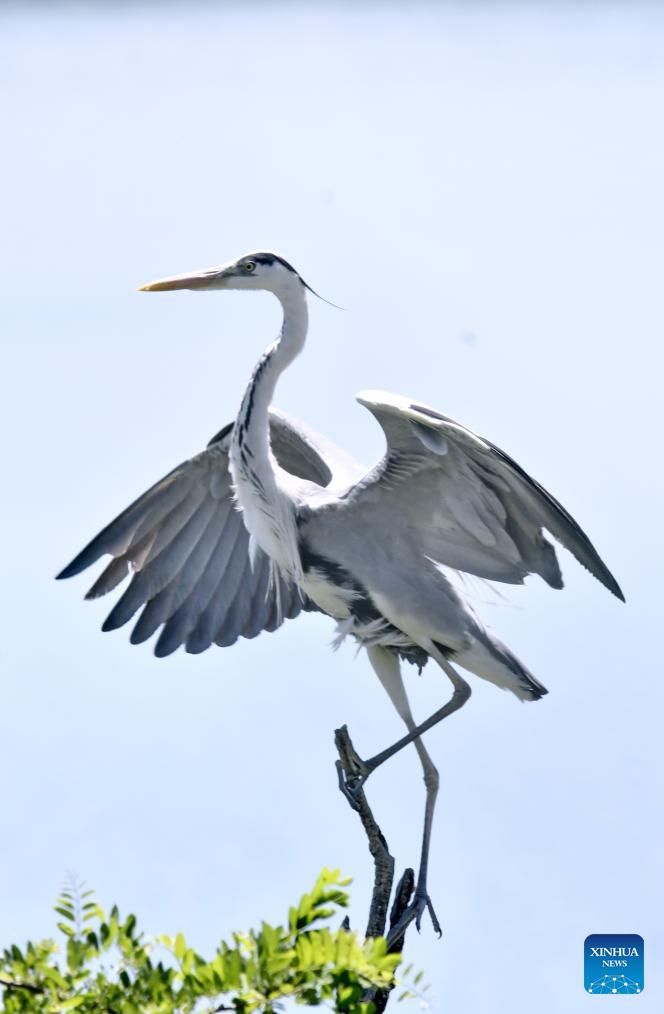
A grey heron is pictured at Miyun Reservoir in Beijing, capital of China, May 29, 2026. More than 5,000 birds at Miyun Reservoir have currently entered the breeding season. To protect these birds with great care, the administration office here has adopted a series of measures including temporary close-down of breeding areas, wetland restoration, AI-powered monitoring, first aid for injured birds, and removal of environmental hazards. (Xinhua/Li Xin)
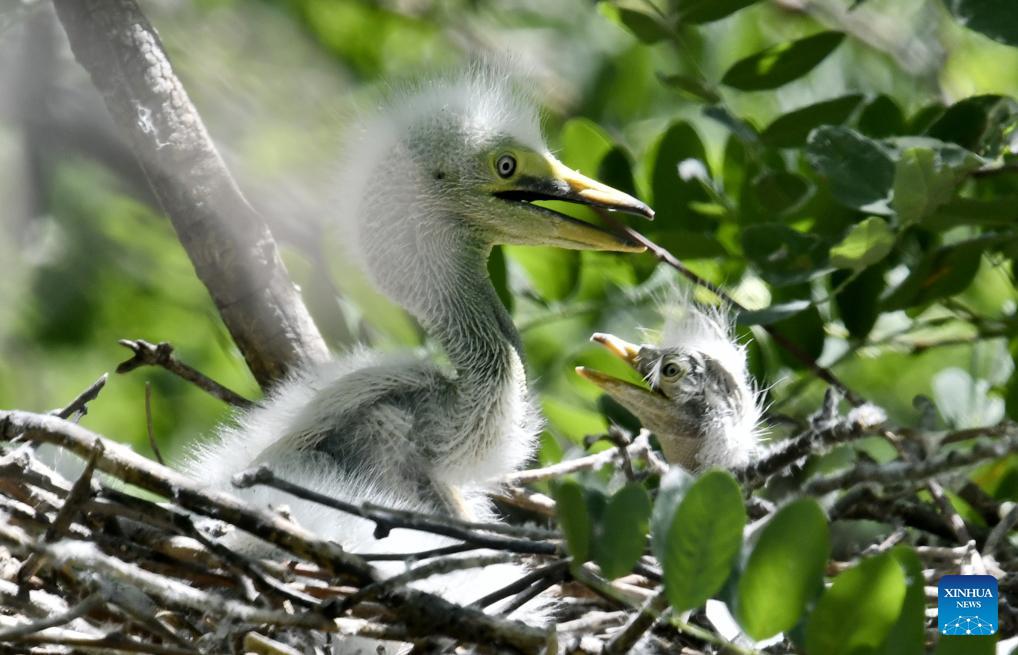
Two grey heron fledglings are pictured at Miyun Reservoir in Beijing, capital of China, May 29, 2026. More than 5,000 birds at Miyun Reservoir have currently entered the breeding season. To protect these birds with great care, the administration office here has adopted a series of measures including temporary close-down of breeding areas, wetland restoration, AI-powered monitoring, first aid for injured birds, and removal of environmental hazards. (Xinhua/Li Xin)
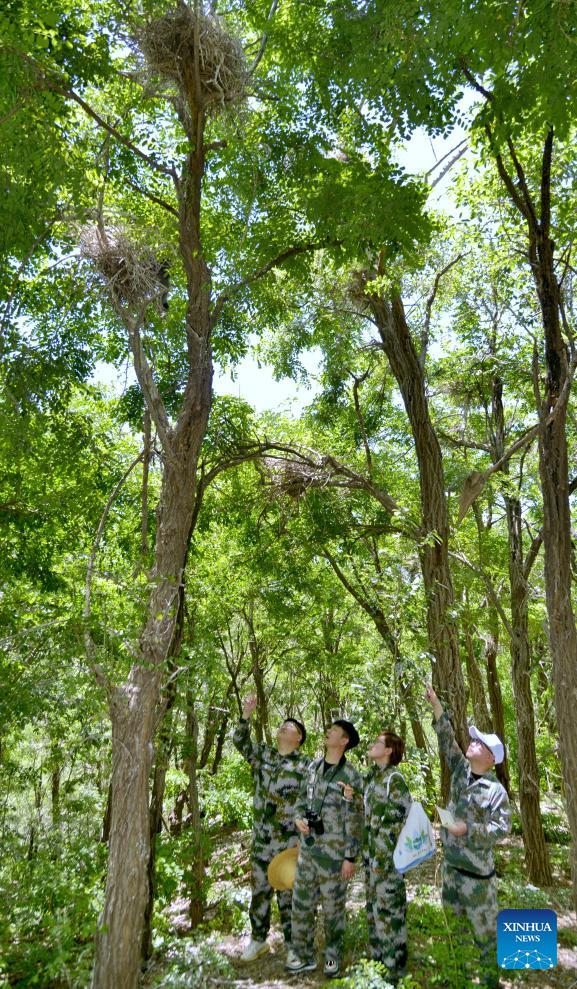
Staff members of the administration office observe fledglings leaving their nests at Miyun Reservoir in Beijing, capital of China, May 29, 2026. More than 5,000 birds at Miyun Reservoir have currently entered the breeding season. To protect these birds with great care, the administration office here has adopted a series of measures including temporary close-down of breeding areas, wetland restoration, AI-powered monitoring, first aid for injured birds, and removal of environmental hazards. (Photo by Wang Jingguang/Xinhua)