


Nestled at the heart of the Yangtze River Delta, Changzhou in East China's Jiangsu Province, is a city where rich cultural heritage meets modern vitality. Leveraging its comprehensive industrial ecosystem, high-quality business services and inclusive urban environment, Changzhou has steadily opened up, proving itself an ideal place to live and work.
The city continues to attract global talent and resources. Today, more than 4,000 foreign residents have made their homes and careers there. Once observers of the city's development, they are now active participants in its growth and success.
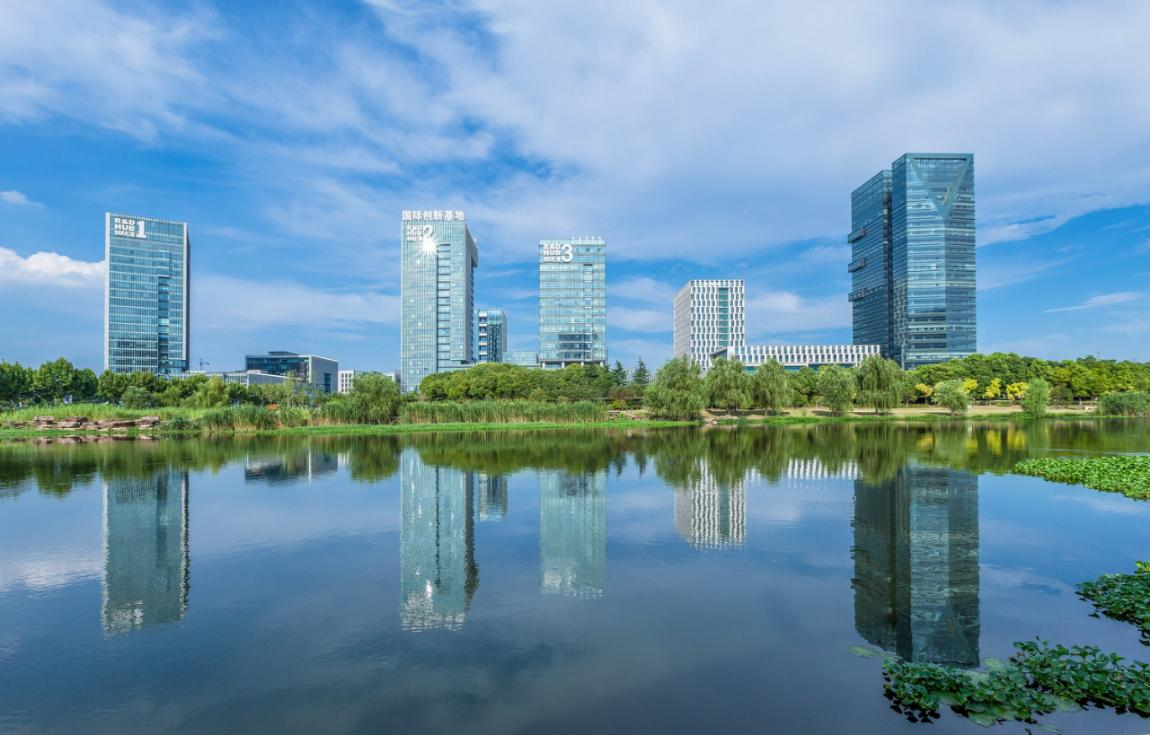
The Changzhou Science and Education Town in Changzhou, East China's Jiangsu Province. (Photo: Publicity Department of Changzhou)
A robust industrial ecosystem
Industry forms the backbone of urban development and provides the foundation for greater opening-up. Changzhou's well-developed industrial chains and full-cycle business support services offer solid backing for both foreign-invested enterprises seeking long-term growth and international professionals pursuing career development.
One notable example is German industrial giant Thyssenkrupp, which has increased its investment in Changzhou sixfold over the past six years, serving as a prime illustration of the mutually beneficial cooperation between foreign investors and the city.
The city's established industrial and supply-chain ecosystem attracts long-term corporate investment, according to Arne Mayer, a German national and general manager of Bilstein, a high-performance suspension manufacturer under Thyssenkrupp.
"Here, personal growth, business growth and industrial development are closely interconnected and reinforce one another," he said.
Changzhou attracts global businesses not only for its strong industrial infrastructure but also for its efficient, welcoming business environment, praised by international companies.
In October 2022, Ypsomed Manufacturing Co., Ltd., a subsidiary of Switzerland's Ypsomed Group, a leading developer and manufacturer of self-injection systems for liquid medications, selected Changzhou as the location for its first production base in the Asia-Pacific region.
Discussing this decision, Reto Felber, head of Ypsomed Manufacturing Co., Ltd., emphasized Changzhou's exceptional business climate: "The city's excellent business environment was what impressed us most. Government departments function efficiently, attentively listen to companies and actively help solve practical issues."
This confidence is shared widely. Today, Changzhou hosts over 3,000 foreign-invested enterprises, with 107 Fortune Global 500 corporations establishing 216 projects across the city. The city is also home to 34 regional headquarters and functional centers for multinationals, 35 international research and development facilities, and six high-profile international cooperation parks, including key zones dedicated to German and Swiss partnerships.
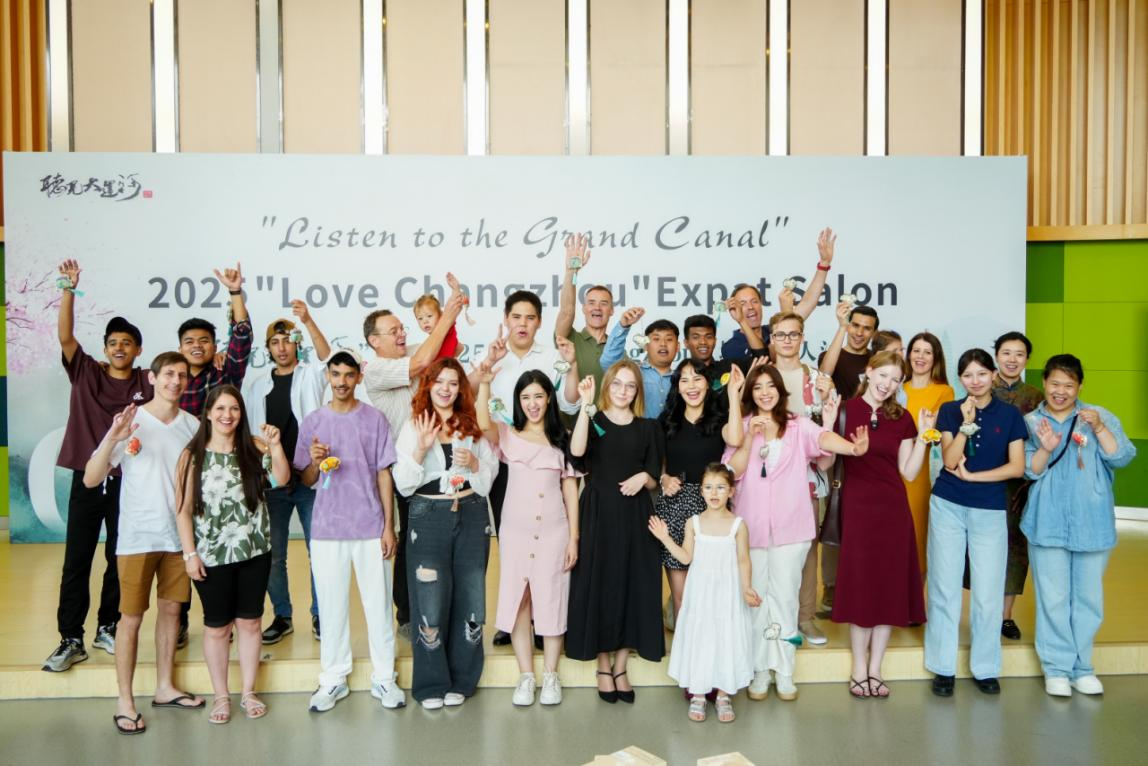
Expats pose for pictures at the "Love Changzhou" expat salon, May 25, 2025. (Photo: Publicity Department of Changzhou)
Inclusive urban governance
Beyond its economic strengths, Changzhou embraces international residents with its vibrant lifestyle and open governance. When Cassiano, a former professional player turned Brazilian youth football coach, joined Changzhou's training programs in 2024, he quickly immersed himself in the local sporting culture by participating in the Jiangsu Football City League — a wildly popular amateur tournament. Off the pitch, he discovered the city's historical charm during walks along Qingguo Lane and its historic alleys, savoring local delicacies like sesame cakes (magao) and shrimp cakes.
This welcoming environment allows foreign residents to create and build fulfilling lives. British educator Steven William Ronald has made Changzhou his home since joining the Changzhou Institute of Technology in 2011. His integration culminated in a January 2025 invitation to observe municipal government proceedings as a non-voting delegate at the 4th session of the 17th Changzhou Municipal People's Congress. "This recognition reflects true openness," Ronald noted. "It makes us feel like active participants in Changzhou's development, not bystanders."
In its push to attract younger professionals, the city has built a dynamic, multicultural environment. Regular cross-cultural events like the "Love Changzhou" expat salon — hosted annually since 2012 and attended by over 3,000 participants from 16 countries — strengthen community bonds. International corporate teams are increasingly participating in local sports leagues, with 1,200 individuals participating across 12 football events.
Such initiatives have earned Changzhou recognition as one of China's top three cities for attracting foreign talent. With its unique combination of cultural richness and an inclusive spirit, the city continues to draw international visitors to experience, contribute to and help shape Changzhou's future.
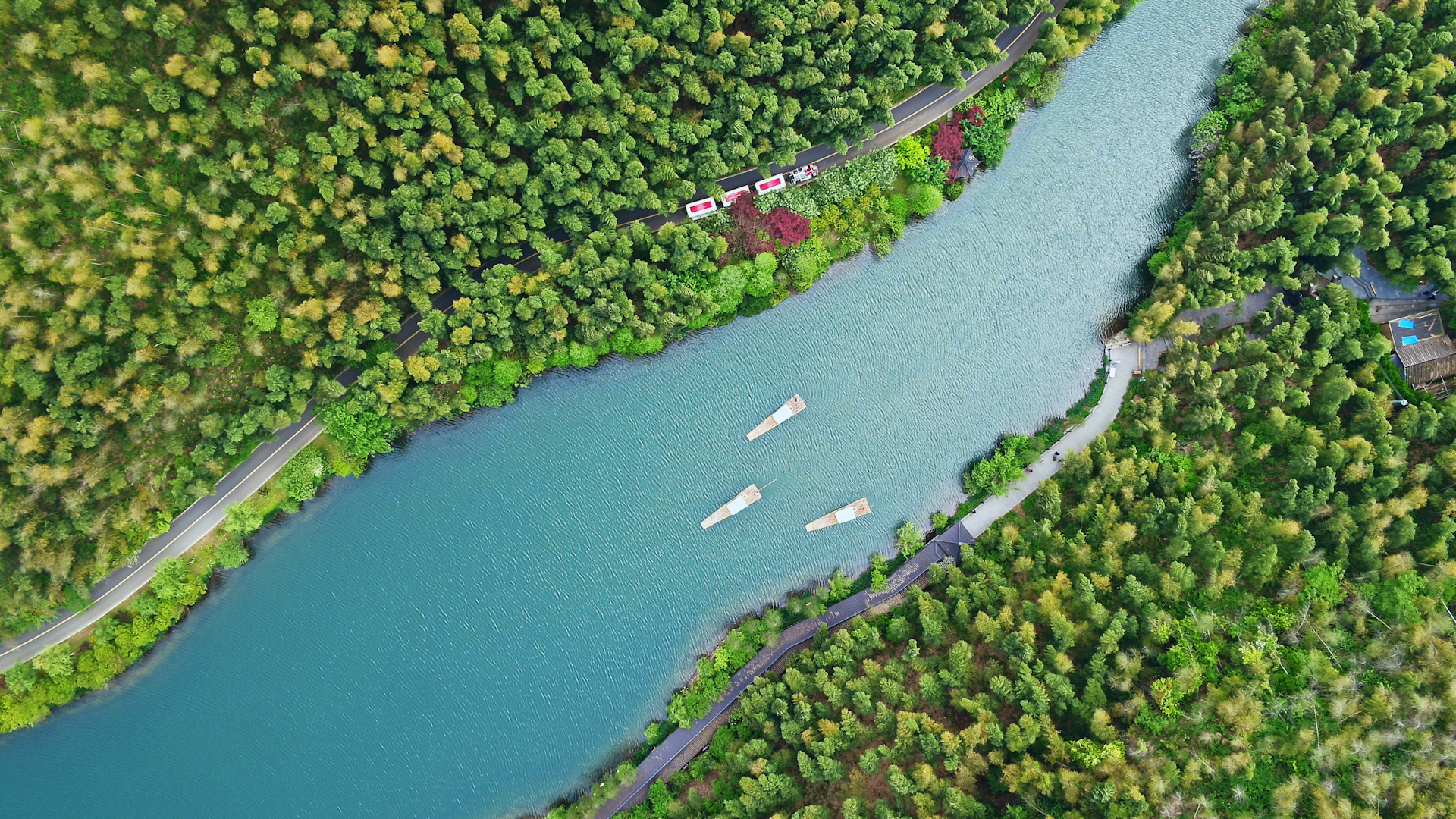
A scenic area featuring bamboo forests in Tianmu Lake in Changzhou, East China's Jiangsu Province. (Photo: Publicity Department of Changzhou)
A comfortable, fulfilling life
In the early summer, Arne Mayer loves cycling along Changzhou's riverside greenbelt, taking in the lush scenery. After living in Changzhou for nine years, the German native has built a stable life and started a family. "I've found the perfect work-life balance in this city," Mayer said.
An avid sportsman, Mayer praises the city's constantly improving recreational facilities. From football pitches and baseball fields to neighborhood pocket parks, diverse leisure spaces now enrich residents' lives. He also commends the ecological transformation along the Yangtze River waterfront, noting: "That picturesque green corridor has become our favorite spot for exercising and unwinding."
This high quality of life and convenient urban living are shared experiences among Changzhou's international community. Xavier Desfertilles, a French executive who has helmed a local metal company since 1999, attests to Changzhou's exceptional livability. The 50-year-old highlights practical, thoughtful amenities: bilingual public signage throughout the city, seamless acceptance of international payment cards alongside mobile payments, and multilingual medical staff at major hospitals.
"Everything is designed around daily convenience," he said, reflecting on his more than two decades in the city. It is these everyday conveniences that allow international residents to enjoy everything the city has to offer seamlessly.

Arne Mayer (right) canoes with a friend on Changzhou's Xinlong Lake. (Photo: Arne Mayer)