


As floodwaters recede across Guangxi Zhuang Autonomous Region after Typhoon Maysak, a trail of destruction is revealed, and health authorities are racing to prevent a secondary crisis. The region, hit by severe flooding since July 6, now faces heightened risks of waterborne diseases, food poisoning, and vector-borne illnesses in the summer heat.
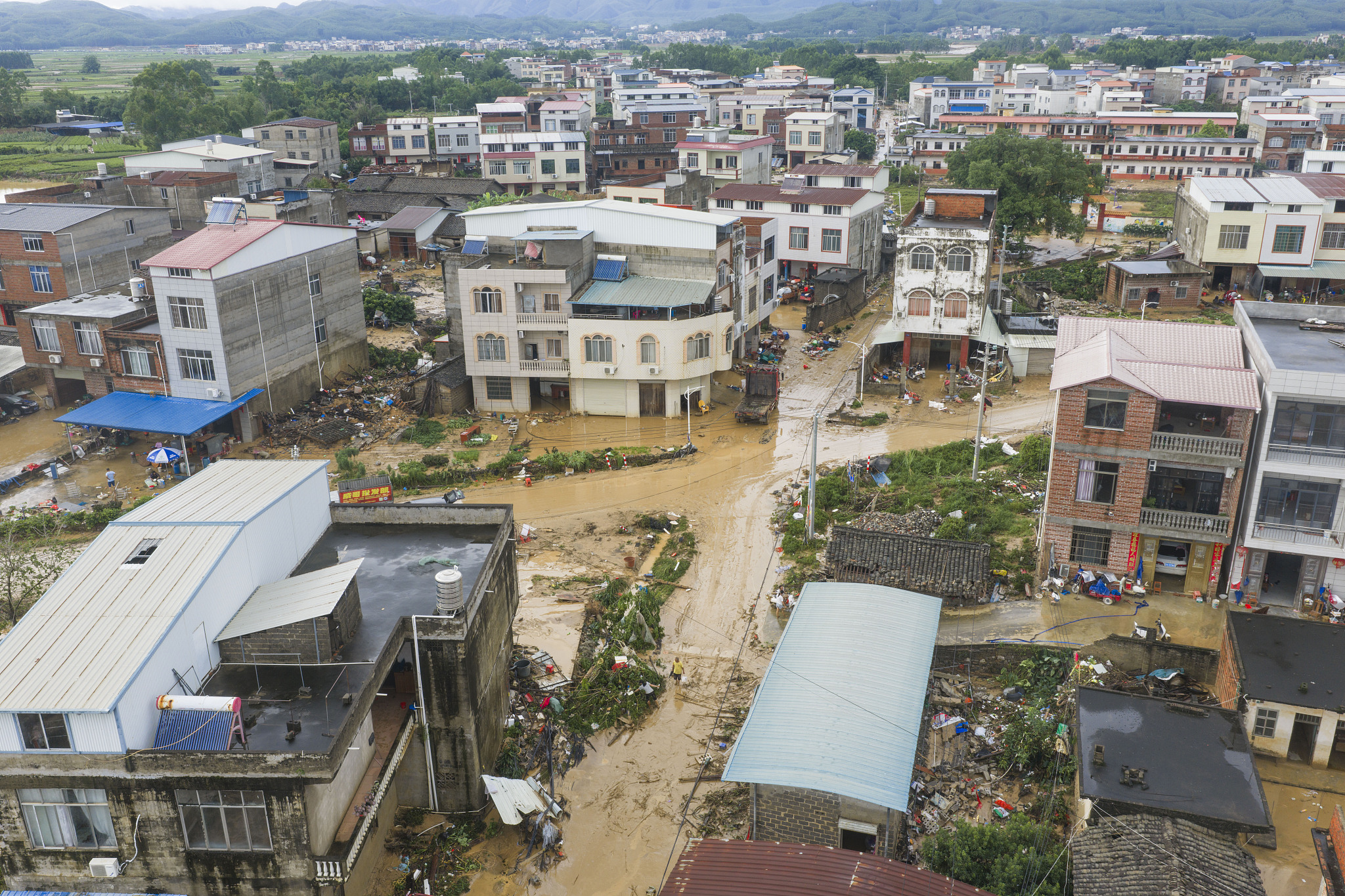
Flooded streets in Nanning City, Guangxi Zhuang Autonomous Region, south China, July 7, 2026. (Photo: CFP)
Typhoon Maysak's Impact
Typhoon Maysak made landfall in southern China earlier this week, unleashing torrential rains that triggered severe flooding across multiple cities in Guangxi. The death toll rose to 39 on Thursday, with nine people still missing, according to the Xinhua News Agency.
The floodwaters, carrying sewage, pesticides, and animal carcasses, have contaminated water sources and food supplies, creating a public health time bomb.
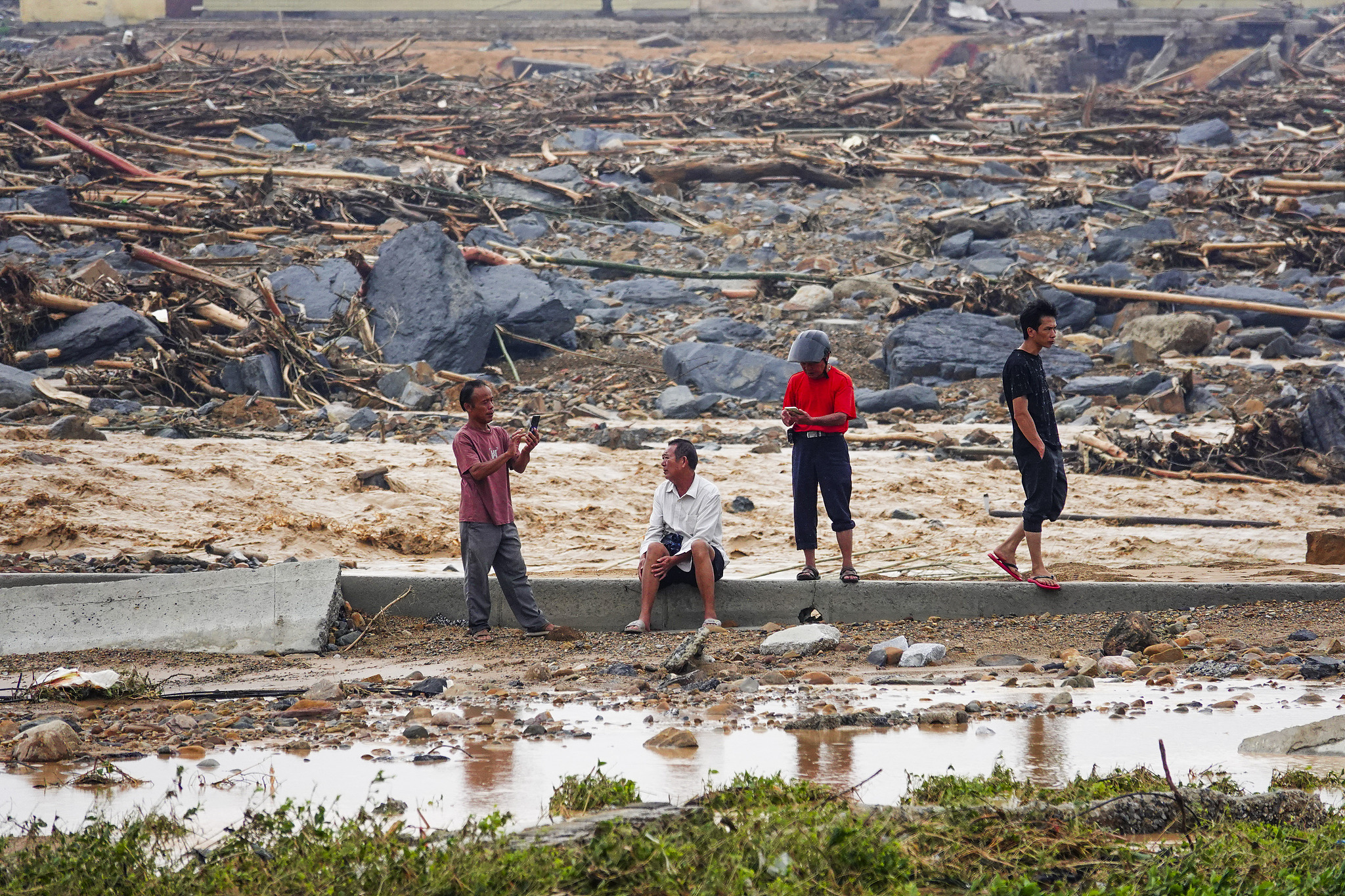
Local residents are seen near the debris after flooding hit Liulan Village, Nanning City, Guangxi Zhuang Autonomous Region, south China, July 8, 2026. (Photo: CFP)
Emergency Response Underway
Local health authorities have mobilized over 300 disease control professionals to the worst-hit townships, joining hundreds of health workers already on the ground. More than 4,200 sanitation personnel have been deployed to remove silt, clear garbage, and restore hygiene in inundated areas, according to Zeng Yuanyi, deputy director of the Nanning health commission.
"The risk of infectious diarrhea, typhoid, influenza, allergic reactions, and other illnesses remains elevated due to contaminated water, poor sanitation, and increased mosquito populations," Zeng warned at a Thursday briefing.
The regional Center for Disease Control and Prevention (CDC) reports that the overall infectious disease situation remains stable, with no abnormal trends detected. However, authorities have activated an emergency surveillance system, including daily risk assessments, symptom monitoring at evacuation sites, and enhanced testing of drinking water and mosquito populations.
Five Major Disease Threats
The Guangxi CDC has identified five high-risk categories:
1. Intestinal Infections – The top priority. Floodwater-borne pathogens (bacteria, viruses, parasites) can cause bacterial dysentery, typhoid, cholera, hepatitis A, and norovirus.
2. Food-borne Illnesses – Heat and humidity accelerate food spoilage. Contaminated ingredients and utensils pose serious risks.
3. Vector-Borne Diseases – Stagnant floodwater acts as a breeding ground for mosquitoes that transmit dengue fever, chikungunya, and Japanese encephalitis.
4. Water-Contact Diseases – Leptospirosis, transmitted through animal urine-contaminated water, can enter through skin breaks. Early symptoms mimic flu but can progress to severe illness if untreated.
5. Respiratory Infections – Crowded shelters increase risks of influenza and mycoplasma pneumonia.
Critical Food and Water Safety Rules
The regional CDC has issued stringent guidelines:
Discard all flood-submerged food – including sealed items, as contaminants can penetrate microscopic gaps.
Do not eat, collect or sell dead livestock or aquatic animals – they harbor toxins and heavy metals.
Only drink boiled or bottled water – boil tap water for 1–3 minutes. Flooded wells require thorough disinfection and testing before use.
Discard wet noodles, rice noodles, or soaked fungus left overnight – these can produce deadly, heat-stable miconic acid toxin, which has high fatality rates and no antidote.
Throw away refrigerator contents if the unit was flooded or without power for long periods.
Recognizing Early Warning Signs
The regional CDC warns residents to seek immediate medical help if they experience:
Diarrhea more than 3 times daily or bloody stools – possible cholera or dysentery.
High fever (≥39°C) with severe joint pain, headache, or rash – possible dengue or chikungunya.
Fever, leg pain, and fatigue after floodwater contact – possible leptospirosis.
Persistent fever ≥38.5°C with cough – possible respiratory infection.
What residents must do
The regional CDC emphasizes four rules:
Eat nothing soaked in floodwater.
Touch no dead animals.
Drink no untreated water.
Seek care for any symptoms.
Handwashing with soap for at least 20 seconds after contact with floodwater or waste is critical. Dishes and utensils must be boiled for 15 minutes before reuse. Residents should wear long sleeves, use mosquito repellent, sleep under nets, and wear waterproof boots and gloves if wading through water, making sure to clean exposed skin thoroughly afterward.