


Typhoon Bavi, the ninth typhoon of the year, landed on the coast of east China's Zhejiang Province at around 11:20 p.m. on Saturday, according to the Zhejiang provincial meteorological observatory.
The powerful storm triggered red alerts for torrential rain across several cities in the province. China's national weather authorities warned that Bavi would continue to bring strong winds and heavy rainfall to Zhejiang and neighboring Fujian before moving inland. Owing to its unusually large size, the storm is expected to affect more than 10 provincial-level regions, including central China's Hubei and Henan provinces, as well as the nation's capital, Beijing, and its neighboring regions.
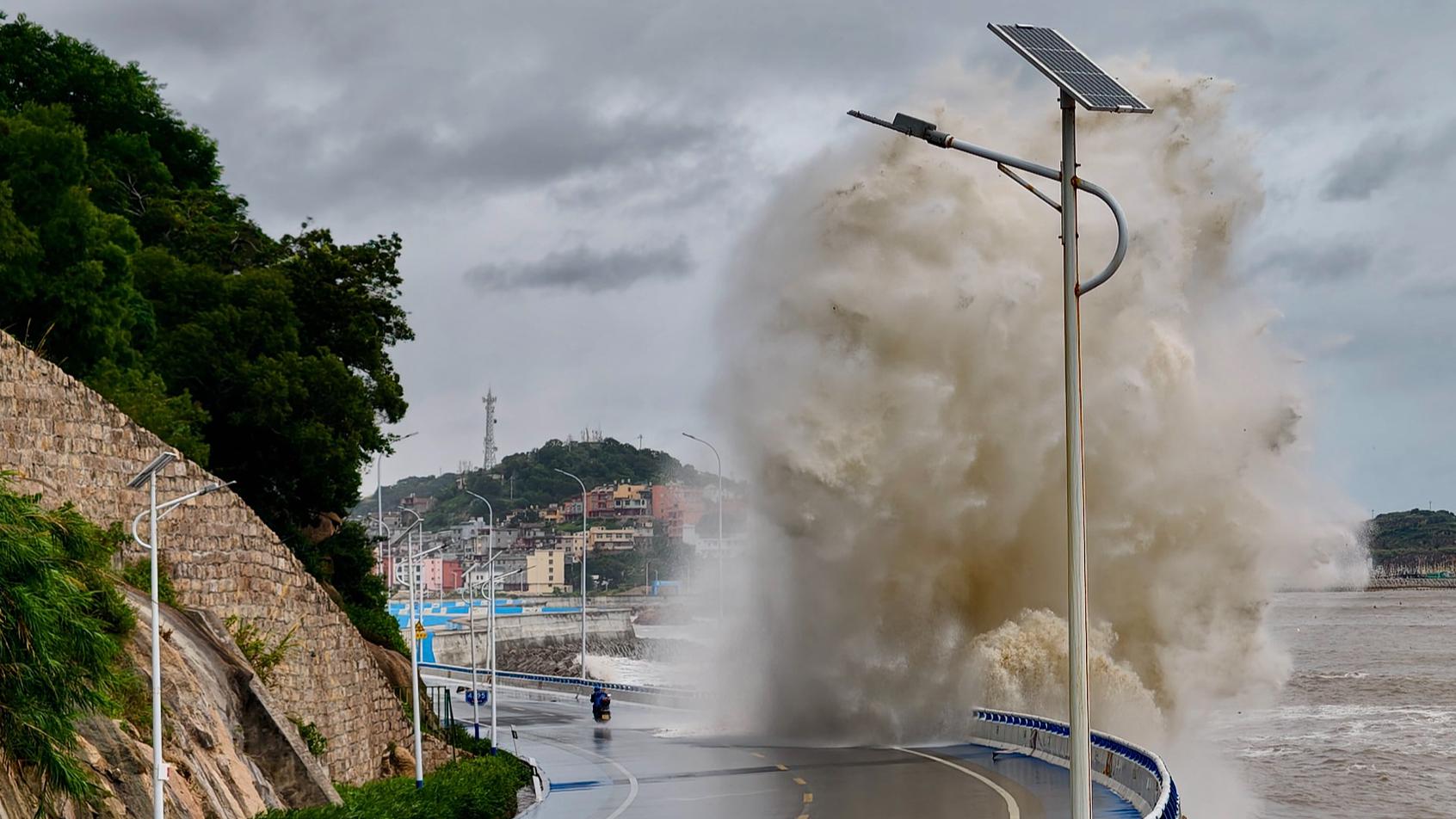
Massive waves crash along the coast in Ningde, Fujian Province, as Typhoon Bavi approaches, east China, July 11, 2026. (Photo: VCG)
Emergency measures rolled out
The authorities have stepped up emergency response efforts to reduce the storm's impact. On Friday, China's Ministry of Finance and Ministry of Emergency Management allocated 40 million yuan (about $5.6 million) in central disaster relief funds to support flood control, emergency rescue and recovery work in east China's Fujian and Zhejiang provinces, China Media Group (CMG) reported.
Local governments also introduced precautionary measures, including suspending work, classes, businesses and public transportation in affected areas. As of Friday afternoon, Zhejiang had evacuated more than 2.21 million people and opened around 19,000 emergency shelters, CMG reported on Saturday. Typhoon patrol teams were deployed in cities, including Taizhou and Ningbo in Zhejiang, to keep residents and tourists away from hazardous coastal areas.
In neighboring Fujian, more than 180,000 people had been relocated from high-risk areas, while over 60,000 fishing vessels had returned to port before the typhoon's arrival, according to CMG. In Fujian's coastal city Ningde, the authorities inspected marine aquaculture facilities and helped fish farmers reinforce moorings and move supplies to safer locations.
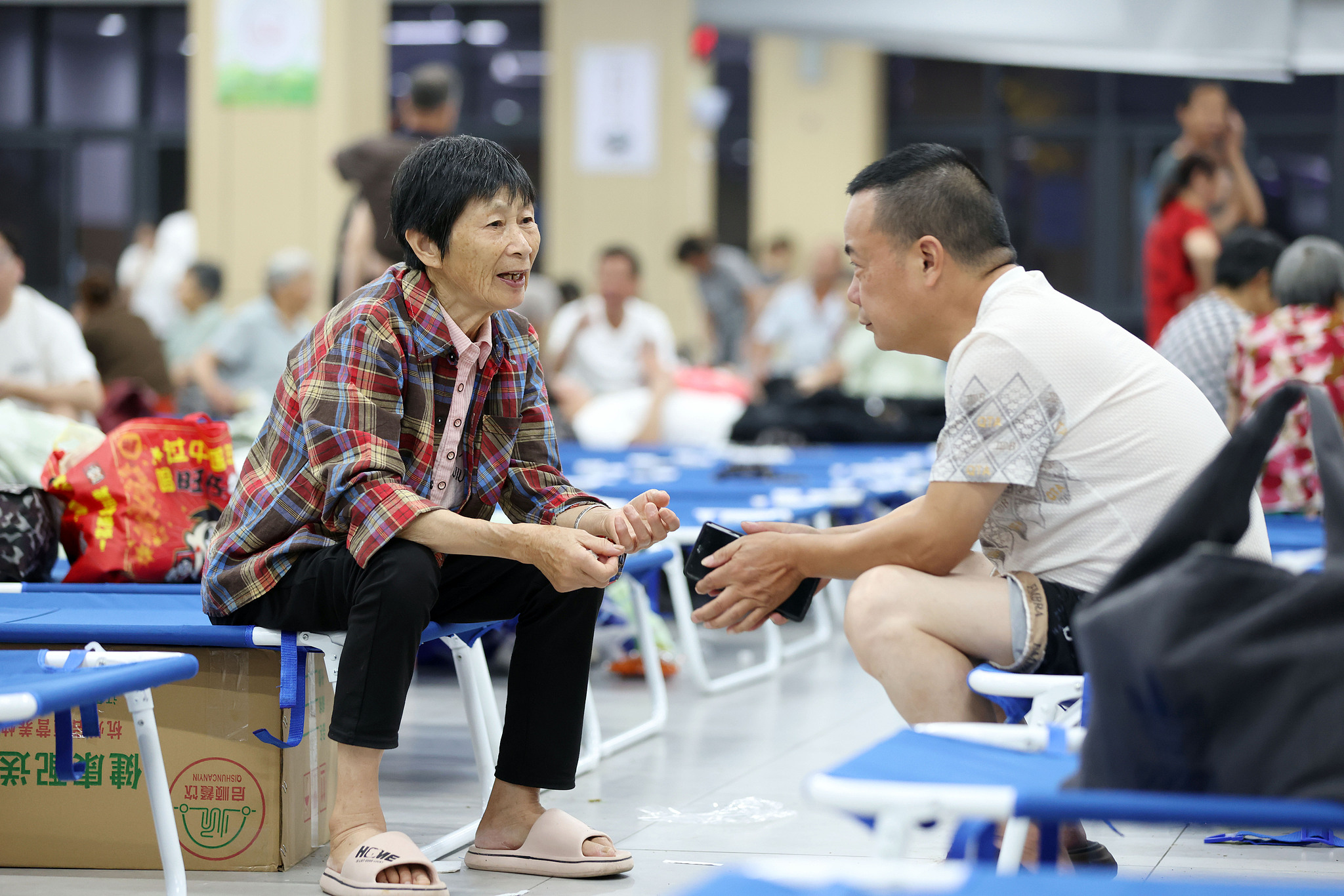
Villagers in Hangzhou, Zhejiang Province, are evacuated to a safe area ahead of Typhoon Bavi, east China, July 11, 2026. (Photo: VCG)
Post-typhoon health: What you need to know
The heavy rainfall, flooding and standing water brought by Typhoon Bavi could increase the risk of infectious diseases by contaminating drinking water and food supplies, creating breeding grounds for mosquitoes and rodents, and increasing crowding in temporary shelters, the regional Center for Disease Control and Prevention said.
1. Water- and food-borne diseases
Floods can damage water supply systems and sewage networks, increasing the risk of contaminated drinking water. Food stored, transported or processed under poor conditions, particularly items exposed to floodwater, may also pose a risk.
Residents are advised to drink only bottled, boiled or otherwise safe water and to avoid tap water if it appears cloudy or has an odor. Frequent handwashing with soap, proper sanitation, and regular cleaning of living environments are also essential for reducing the risk of intestinal infections.
2. Mosquito- and rodent-borne diseases
Flooding, stagnant water and accumulated waste combined with summer heat provide ideal breeding conditions for mosquitoes and shelter for rodents, raising the risk of diseases such as dengue fever and chikungunya.
It is recommended to remove standing water around homes, balconies, rooftops, basements and green spaces, dispose of garbage promptly, and store food in sealed containers. People should avoid walking barefoot in floodwater or handling contaminated water and waste with their bare hands.
If signs of rodents, such as their droppings or carcasses, are found, refrain from touching them directly. Gloves and masks should be worn during cleanup, and affected areas should be disinfected before disposal.
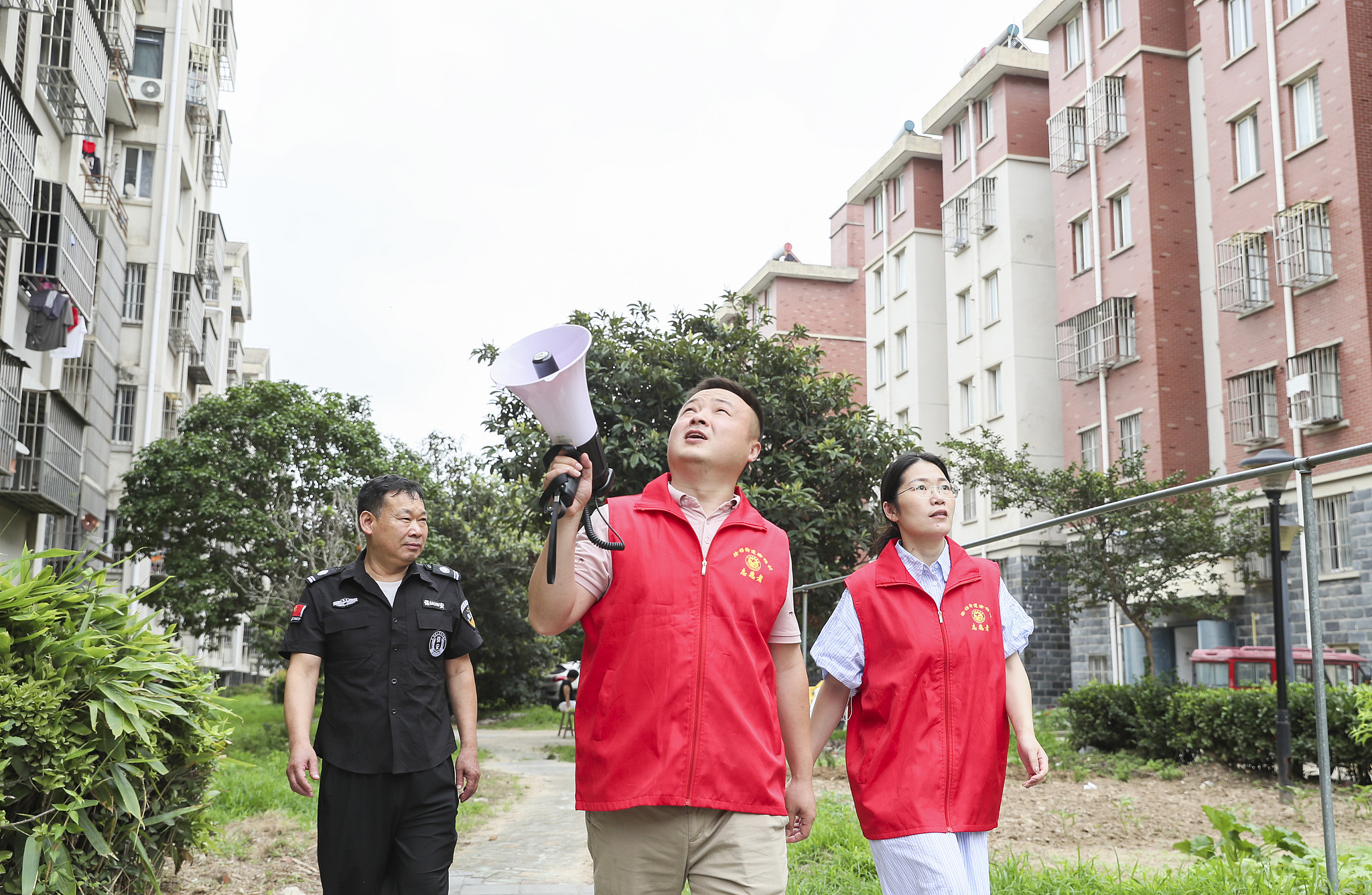
Volunteers and property management staff remind residents of typhoon safety precautions in Huai'an, east China's Jiangsu Province, July 12, 2026. (Photo: VCG)
Respiratory infections
Crowded evacuation centers and temporary shelters may also increase the spread of respiratory illnesses, including influenza.
People are advised to wear masks in crowded or poorly ventilated spaces. Shelters, dormitories and workplaces should improve ventilation whenever possible. Meanwhile, senior residents, children, pregnant women and people with underlying health conditions should avoid crowded settings when possible.
Seek medical care promptly if symptoms develop
Anyone experiencing diarrhea, vomiting, abdominal pain, coughing, a sore throat, fever, a headache, fatigue, muscle aches, rashes, red eyes, jaundice, or other unusual symptoms after the storm should seek medical attention immediately rather than self-medicate.
Patients are encouraged to inform local healthcare providers about any recent exposure to floodwater, contaminated food or water, mosquitoes, rodents or changes in living conditions to help ensure timely diagnosis and appropriate treatment.
The risks do not end when the rain stops. From safe drinking water and proper sanitation to mosquito control and early medical care, they are all key to protecting public health as affected regions begin the recovery process.