


BCI industry booms in Bengbu, east China's Anhui
Xinhua
1784421560000
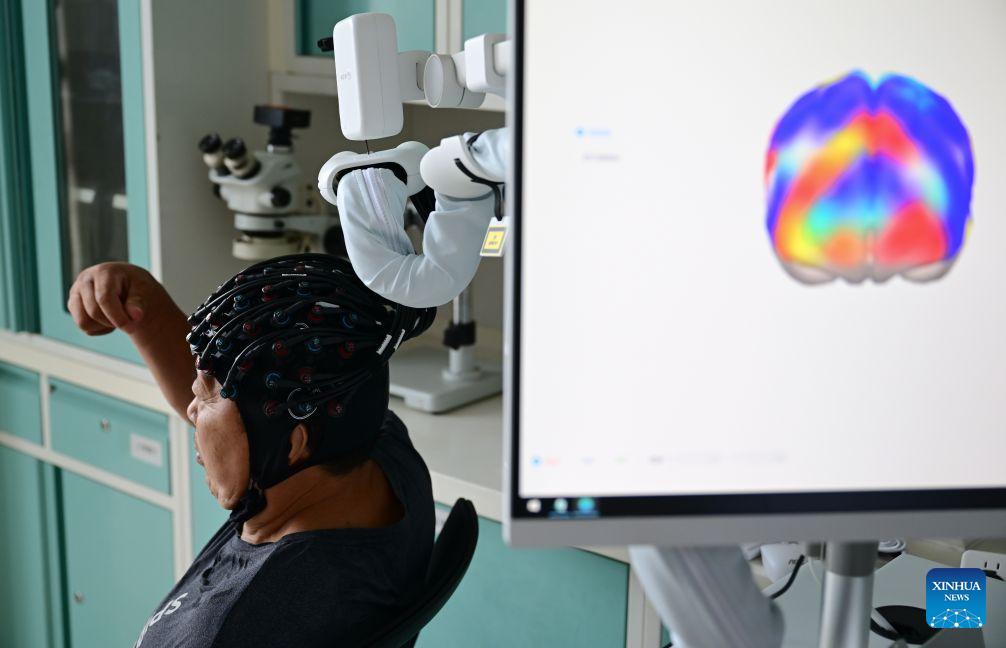
A medical worker uses a brain imaging device to assess a patient's brain activity at a hospital in Bengbu, east China's Anhui Province, July 17, 2026. Bengbu, a traditional industrial city, has stepped up the development of its brain-computer interface (BCI) industry in recent years. By strengthening collaboration among industry, research institutes and medical institutions, Bengbu has built an innovation ecosystem that supports both BCI research and clinical application, aiming to become an emerging BCI innovation hub in the Yangtze River Delta region. (Xinhua/Zhou Mu)
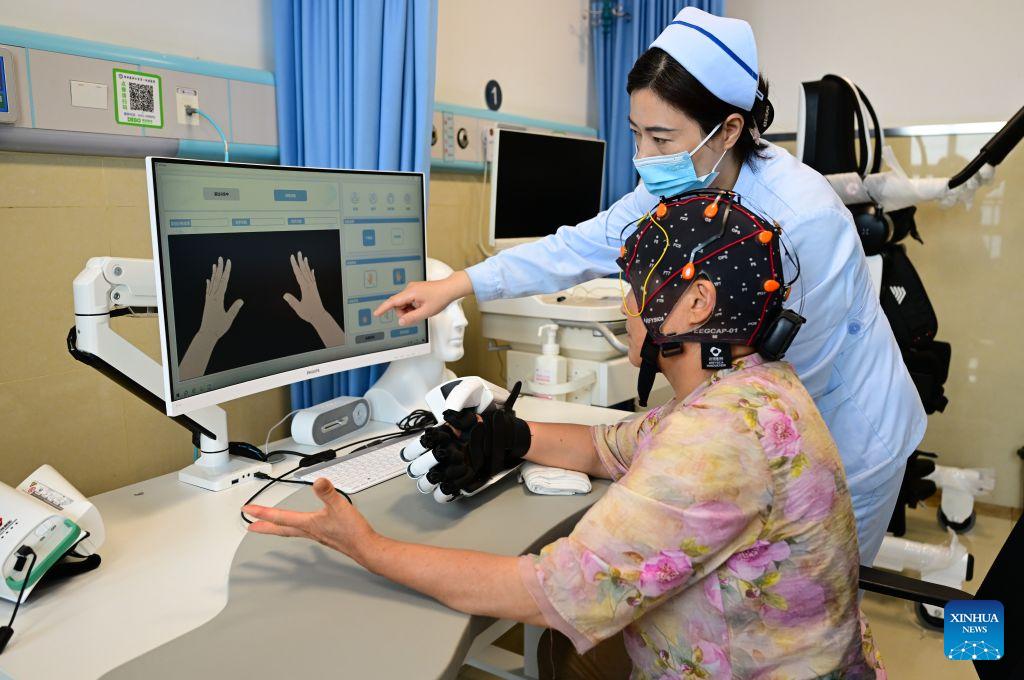
A medical worker guides a patient to use a brain-computer interface (BCI) device for hand rehabilitation at a hospital in Bengbu, east China's Anhui Province, July 17, 2026. Bengbu, a traditional industrial city, has stepped up the development of its brain-computer interface (BCI) industry in recent years. By strengthening collaboration among industry, research institutes and medical institutions, Bengbu has built an innovation ecosystem that supports both BCI research and clinical application, aiming to become an emerging BCI innovation hub in the Yangtze River Delta region. (Xinhua/Zhou Mu)

This photo taken on July 17, 2026 shows staff members working on a micro and nanofabrication production line at Anhui North Microelectronics Research Institute Group Co., Ltd. in Bengbu, east China's Anhui Province. Bengbu, a traditional industrial city, has stepped up the development of its brain-computer interface (BCI) industry in recent years. By strengthening collaboration among industry, research institutes and medical institutions, Bengbu has built an innovation ecosystem that supports both BCI research and clinical application, aiming to become an emerging BCI innovation hub in the Yangtze River Delta region. (Xinhua/Zhou Mu)
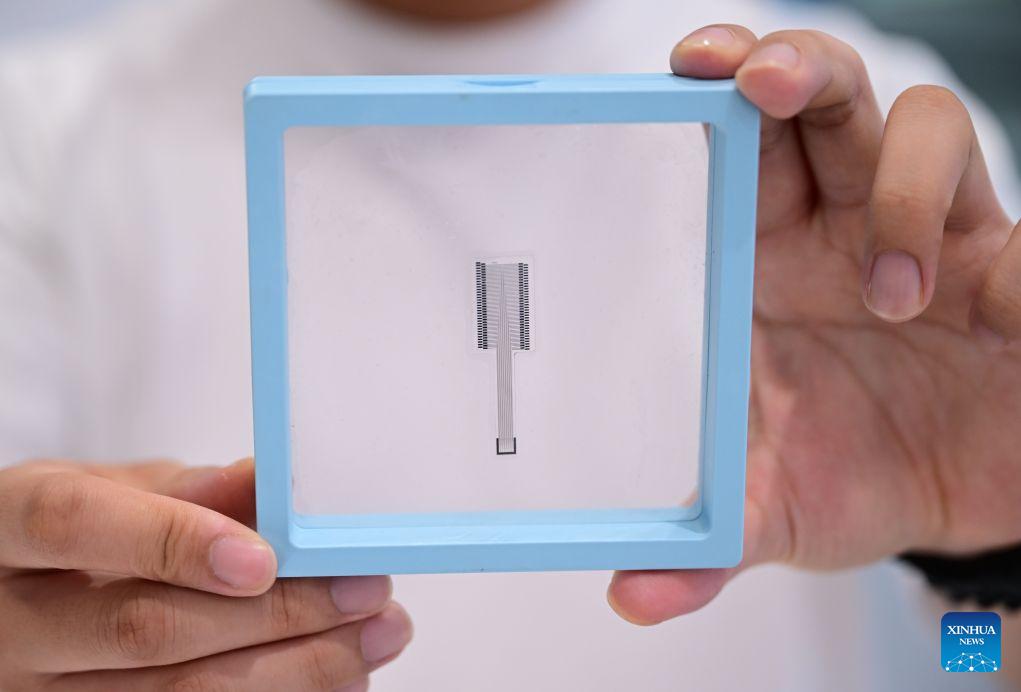
A staff member demonstrates a domestic implantable neural electrode at the exhibition hall of China Sensor Valley in Bengbu, east China's Anhui Province, July 17, 2026. Bengbu, a traditional industrial city, has stepped up the development of its brain-computer interface (BCI) industry in recent years. By strengthening collaboration among industry, research institutes and medical institutions, Bengbu has built an innovation ecosystem that supports both BCI research and clinical application, aiming to become an emerging BCI innovation hub in the Yangtze River Delta region. (Xinhua/Zhou Mu)
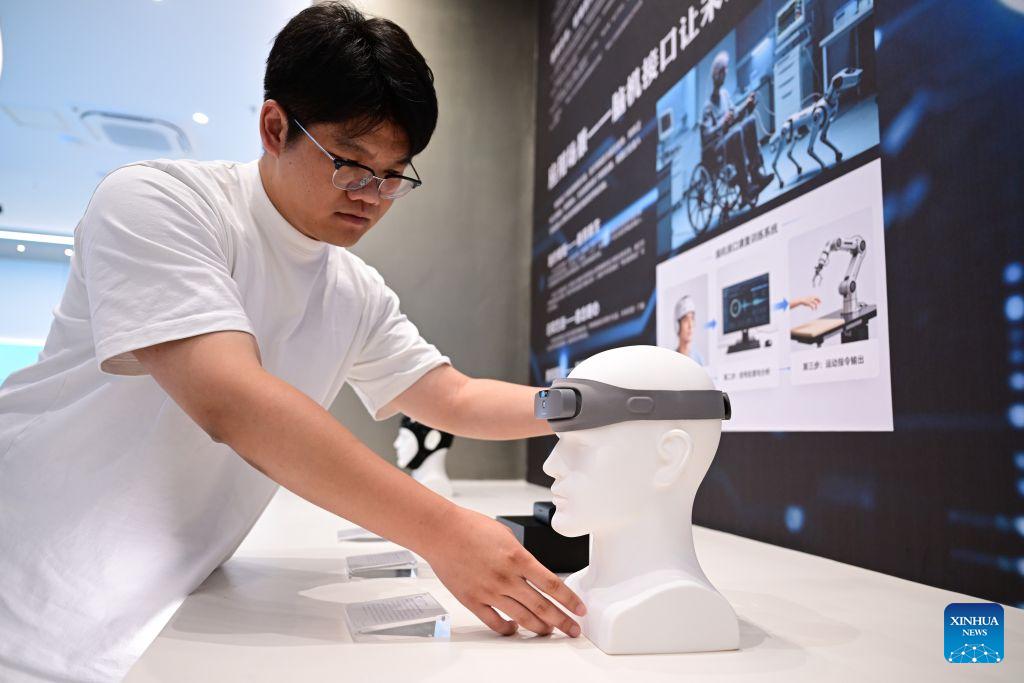
A staff member demonstrates a brain health monitoring headband at the exhibition hall of China Sensor Valley in Bengbu, east China's Anhui Province, July 17, 2026. Bengbu, a traditional industrial city, has stepped up the development of its brain-computer interface (BCI) industry in recent years. By strengthening collaboration among industry, research institutes and medical institutions, Bengbu has built an innovation ecosystem that supports both BCI research and clinical application, aiming to become an emerging BCI innovation hub in the Yangtze River Delta region. (Xinhua/Zhou Mu)
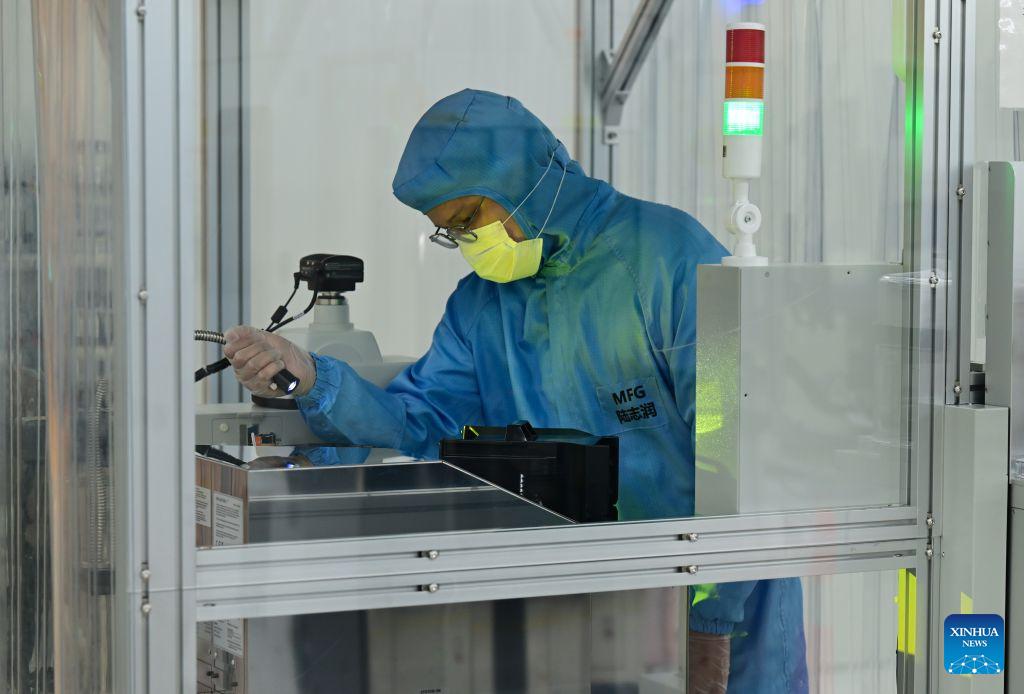
A staff member works on a brain-computer interface (BCI) electrode production line at a company in China Sensor Valley in Bengbu, east China's Anhui Province, July 17, 2026. Bengbu, a traditional industrial city, has stepped up the development of its brain-computer interface (BCI) industry in recent years. By strengthening collaboration among industry, research institutes and medical institutions, Bengbu has built an innovation ecosystem that supports both BCI research and clinical application, aiming to become an emerging BCI innovation hub in the Yangtze River Delta region. (Xinhua/Zhou Mu)
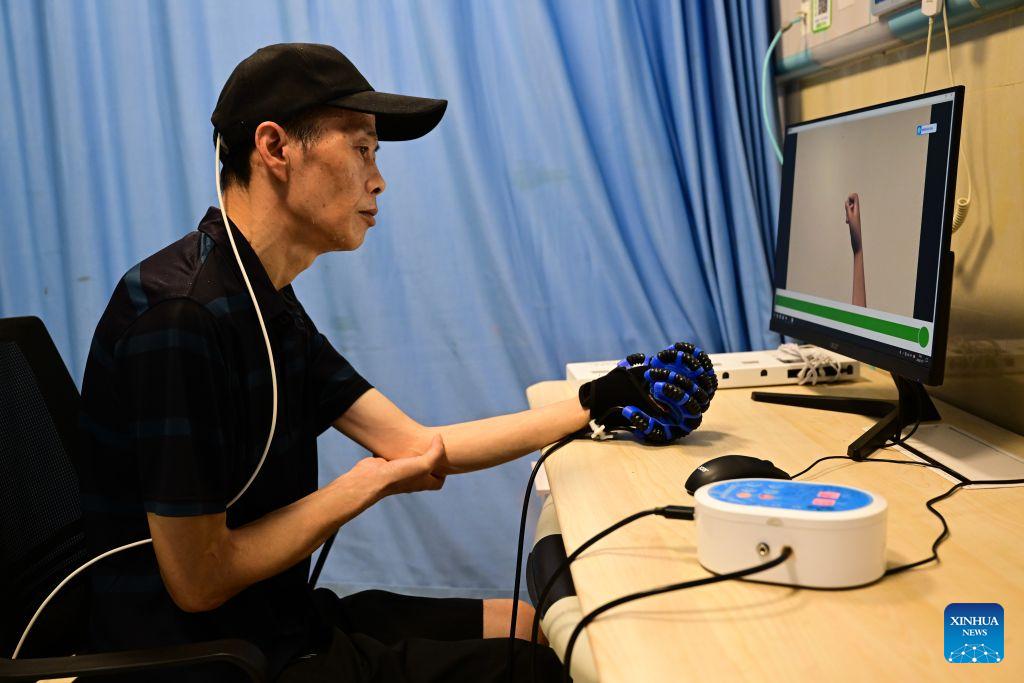
A patient, who received Anhui's first semi-invasive brain-computer interface (BCI) surgery in April 2026, undergoes rehabilitation training at a hospital in Bengbu, east China's Anhui Province, July 17, 2026. Bengbu, a traditional industrial city, has stepped up the development of its brain-computer interface (BCI) industry in recent years. By strengthening collaboration among industry, research institutes and medical institutions, Bengbu has built an innovation ecosystem that supports both BCI research and clinical application, aiming to become an emerging BCI innovation hub in the Yangtze River Delta region. (Xinhua/Zhou Mu)
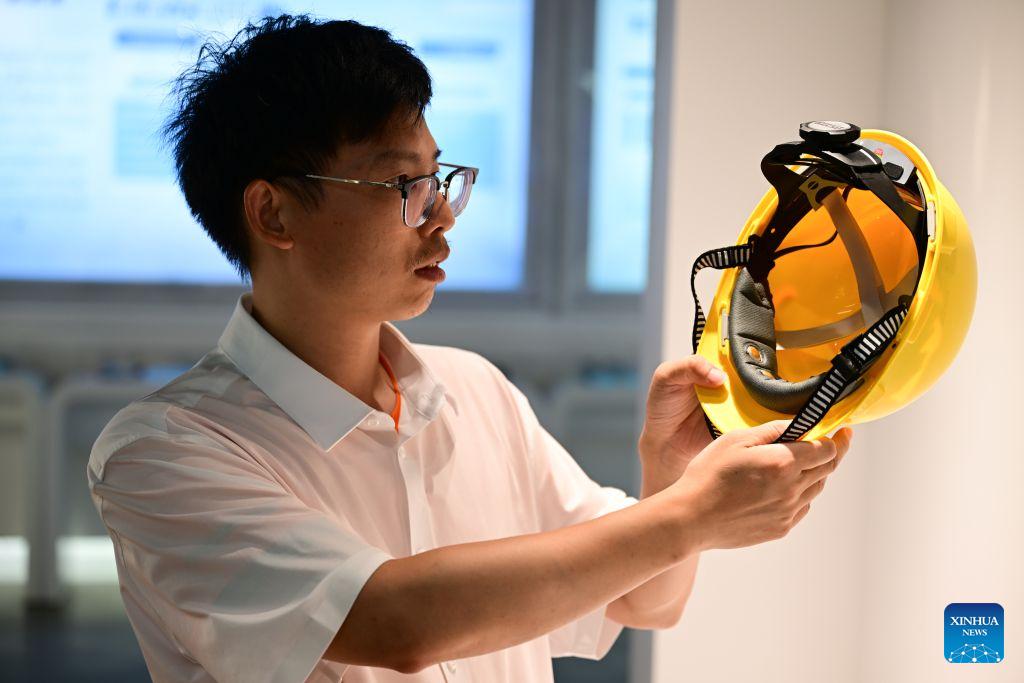
A staff member displays a brain-computer interface (BCI) helmet at an exhibition hall of Anhui North Microelectronics Research Institute Group Co., Ltd. in Bengbu, east China's Anhui Province, July 17, 2026. Bengbu, a traditional industrial city, has stepped up the development of its brain-computer interface (BCI) industry in recent years. By strengthening collaboration among industry, research institutes and medical institutions, Bengbu has built an innovation ecosystem that supports both BCI research and clinical application, aiming to become an emerging BCI innovation hub in the Yangtze River Delta region. (Xinhua/Zhou Mu)
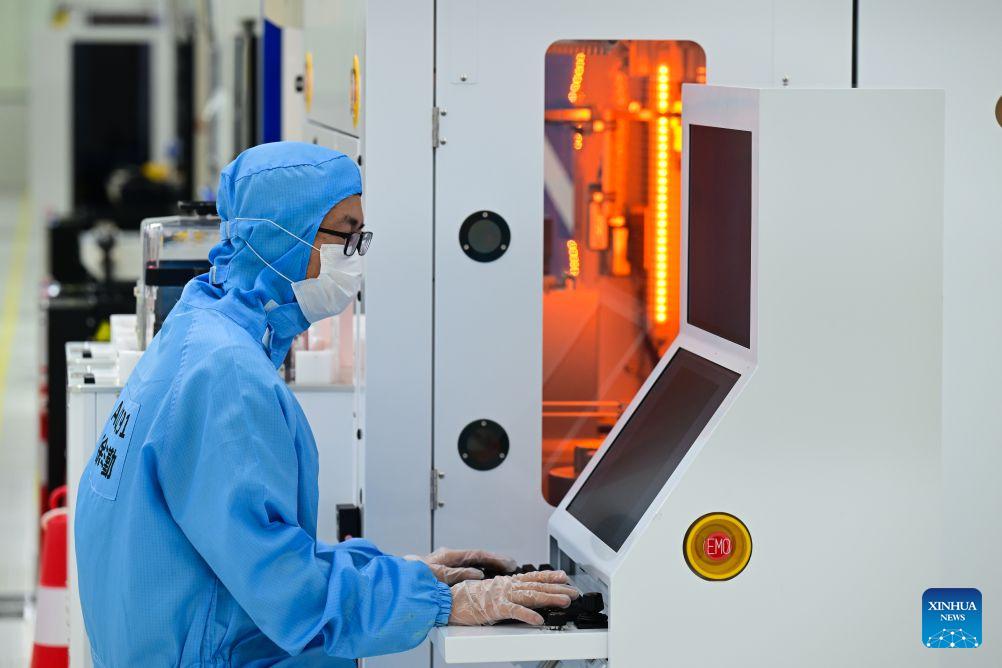
A staff member works on a brain-computer interface (BCI) electrode production line at a company in China Sensor Valley in Bengbu, east China's Anhui Province, July 17, 2026. Bengbu, a traditional industrial city, has stepped up the development of its brain-computer interface (BCI) industry in recent years. By strengthening collaboration among industry, research institutes and medical institutions, Bengbu has built an innovation ecosystem that supports both BCI research and clinical application, aiming to become an emerging BCI innovation hub in the Yangtze River Delta region. (Xinhua/Zhou Mu)
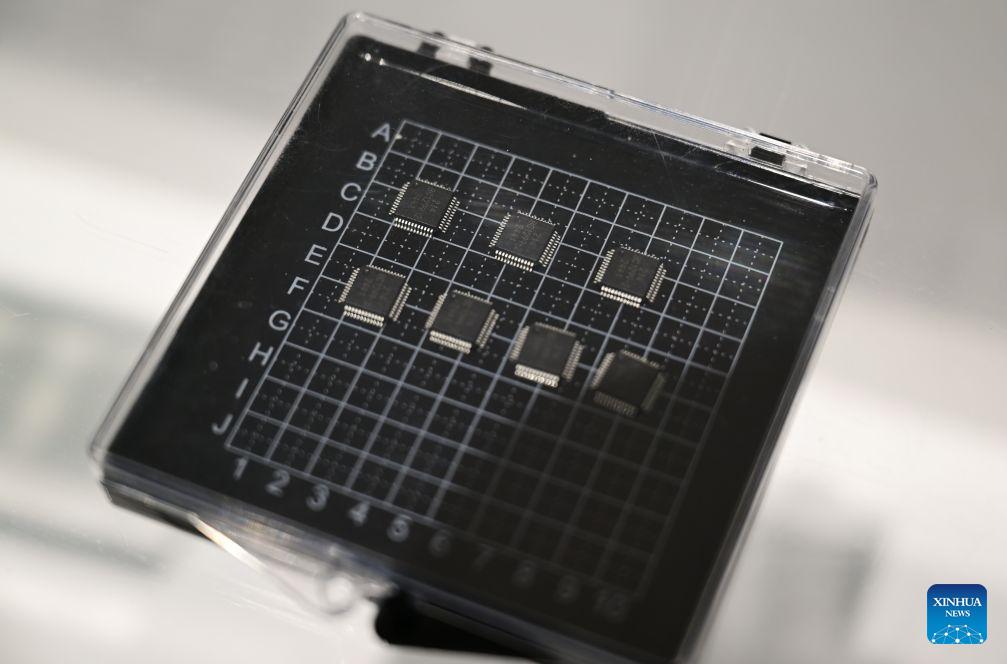
This photo taken on July 17, 2026 shows a brain signal acquisition chip at an exhibition hall of Anhui North Microelectronics Research Institute Group Co., Ltd. in Bengbu, east China's Anhui Province. Bengbu, a traditional industrial city, has stepped up the development of its brain-computer interface (BCI) industry in recent years. By strengthening collaboration among industry, research institutes and medical institutions, Bengbu has built an innovation ecosystem that supports both BCI research and clinical application, aiming to become an emerging BCI innovation hub in the Yangtze River Delta region. (Xinhua/Zhou Mu)
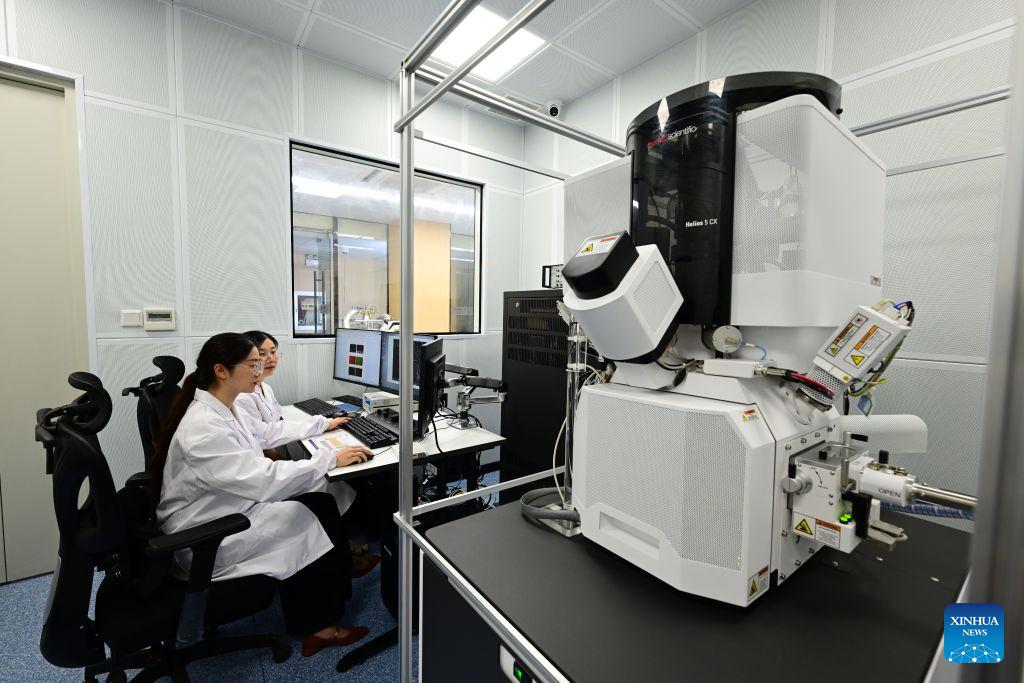
Medical workers conduct brain-computer interface (BCI) research at a hospital in Bengbu, east China's Anhui Province, July 17, 2026. Bengbu, a traditional industrial city, has stepped up the development of its brain-computer interface (BCI) industry in recent years. By strengthening collaboration among industry, research institutes and medical institutions, Bengbu has built an innovation ecosystem that supports both BCI research and clinical application, aiming to become an emerging BCI innovation hub in the Yangtze River Delta region. (Xinhua/Zhou Mu)
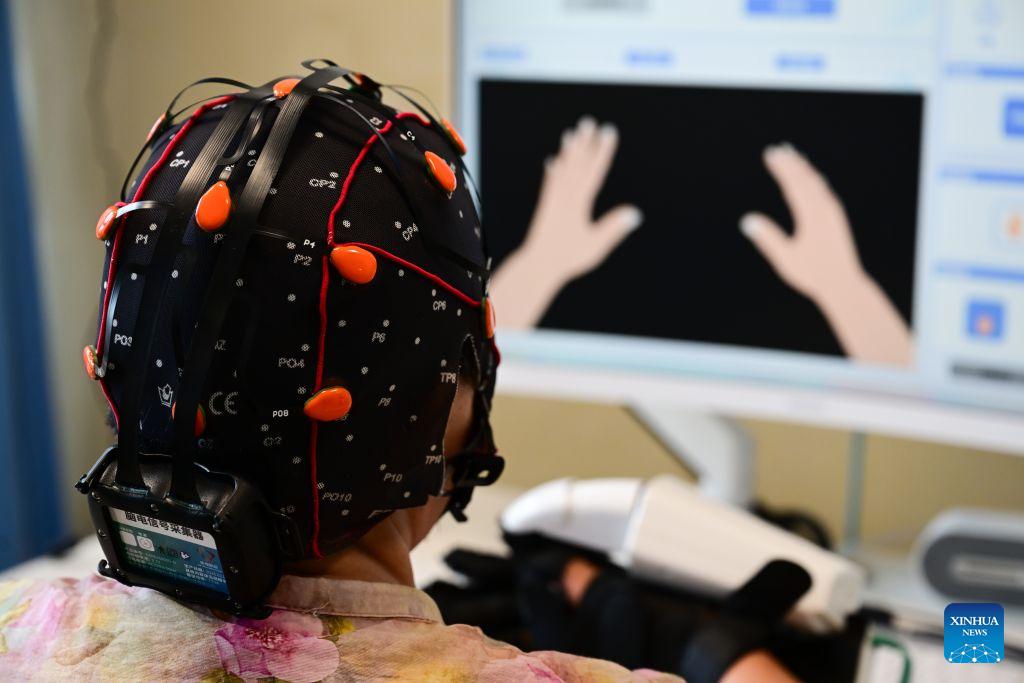
A patient uses a brain-computer interface (BCI) device for hand rehabilitation at a hospital in Bengbu, east China's Anhui Province, July 17, 2026. Bengbu, a traditional industrial city, has stepped up the development of its brain-computer interface (BCI) industry in recent years. By strengthening collaboration among industry, research institutes and medical institutions, Bengbu has built an innovation ecosystem that supports both BCI research and clinical application, aiming to become an emerging BCI innovation hub in the Yangtze River Delta region. (Xinhua/Zhou Mu)
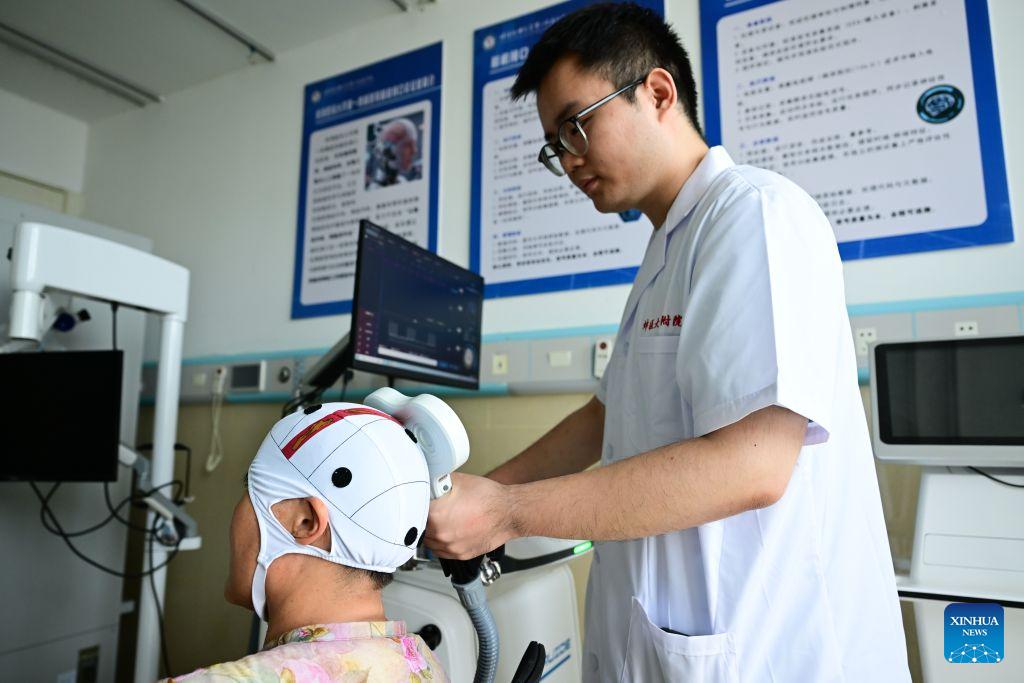
A medical worker provides rehabilitation therapy for a patient with a neuromodulation device at a hospital in Bengbu, east China's Anhui Province, July 17, 2026. Bengbu, a traditional industrial city, has stepped up the development of its brain-computer interface (BCI) industry in recent years. By strengthening collaboration among industry, research institutes and medical institutions, Bengbu has built an innovation ecosystem that supports both BCI research and clinical application, aiming to become an emerging BCI innovation hub in the Yangtze River Delta region. (Xinhua/Zhou Mu)
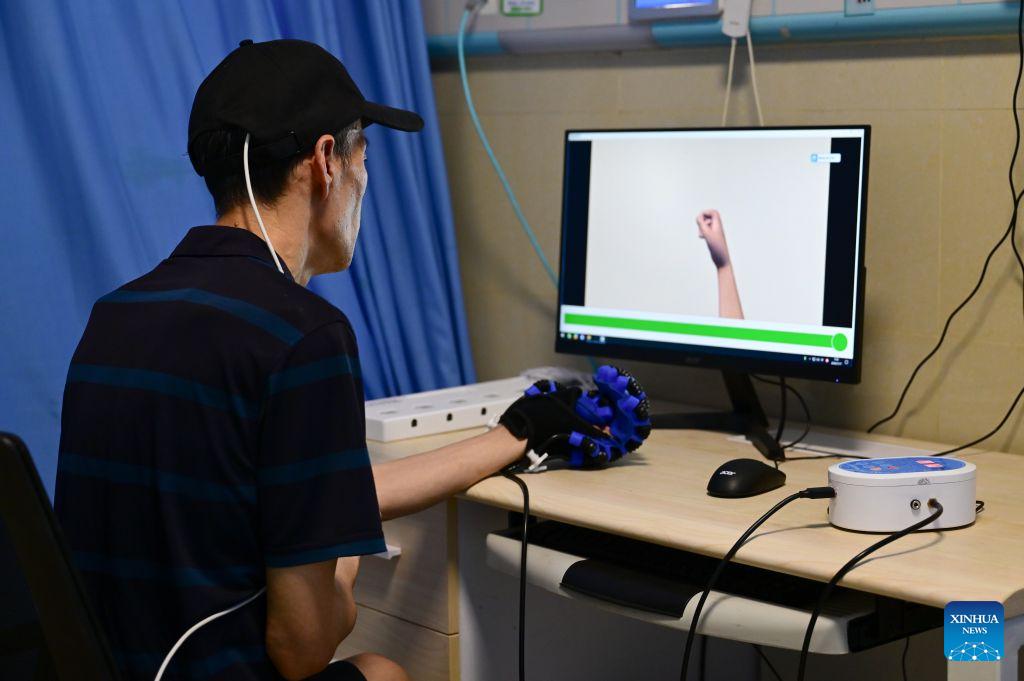
A patient, who received Anhui's first semi-invasive brain-computer interface (BCI) surgery in April 2026, undergoes rehabilitation training at a hospital in Bengbu, east China's Anhui Province, July 17, 2026. Bengbu, a traditional industrial city, has stepped up the development of its brain-computer interface (BCI) industry in recent years. By strengthening collaboration among industry, research institutes and medical institutions, Bengbu has built an innovation ecosystem that supports both BCI research and clinical application, aiming to become an emerging BCI innovation hub in the Yangtze River Delta region. (Xinhua/Zhou Mu)