


China has unveiled its blueprint for building a leading sports nation during the 15th Five-Year Plan period (2026–2030), outlining a roadmap for the high-quality development of the country's sports sector over the next five years. Approved by the State Council, the plan marks the first time that sports development has been included in China's national-level special planning framework. It sets out key priorities for advancing China's sports development and supports the long-term goal of building China into a global sports powerhouse by 2035.
Beyond improving competitive sports performance, the plan places greater emphasis on fitness for all, the growth of the sports industry and international sports exchanges, reflecting China's commitment to promoting healthier lifestyles and deeper cooperation with the global sports community.
Over the past five years, China's sports sector has made significant progress. Public fitness facilities have continued to expand, competitive sports have achieved steady improvements and the sports industry has grown in both scale and quality. These developments have laid a solid foundation for the next stage of growth.
Against the backdrop of a rapidly evolving global sports landscape and rising public demand for healthier lifestyles, China is seeking to make sports more accessible and inclusive. The new plan sets clear targets for 2030, including increasing per capita sports space nationwide to around four square meters, raising the proportion of people who regularly participate in physical exercise to about 40% and expanding the total scale of the sports industry to more than 7 trillion yuan (around $980 billion).
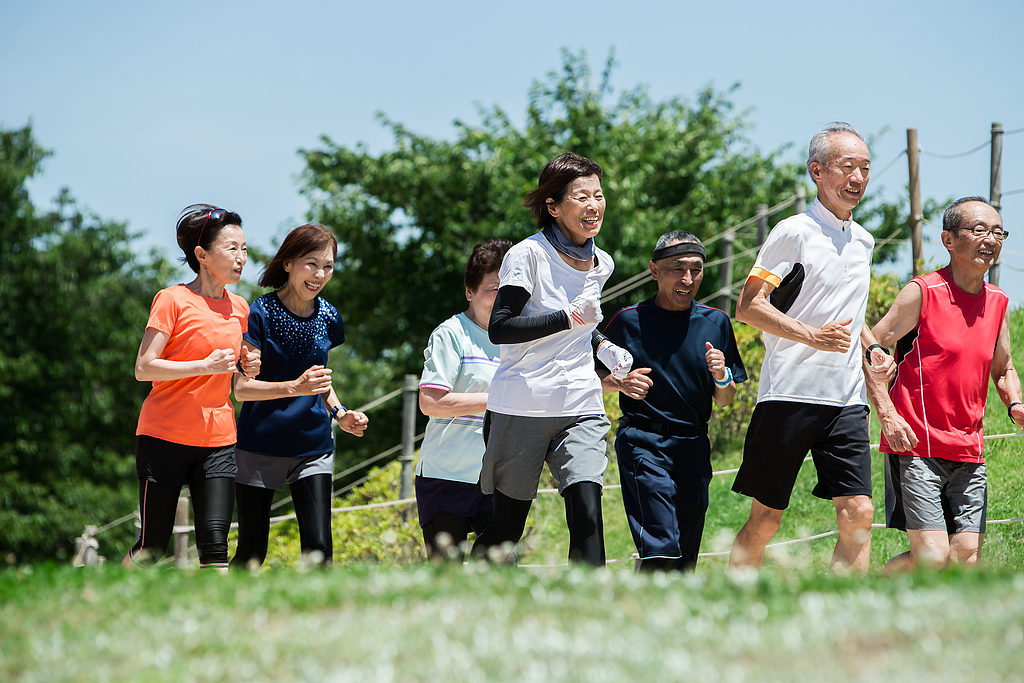
A group of seniors are running. (Photo: VCG)
To achieve these goals, China will implement eight major initiatives covering areas such as sports infrastructure, athlete development, sports science and technology innovation, outdoor sports and the improvement of anti-doping systems.
In the area of public fitness, China will continue to improve accessible and inclusive sports services, making better use of urban spaces to create more convenient exercise facilities for communities. The plan also calls for adapting sports venues to better serve children, older adults and people with disabilities.
China will further promote the integration of sports with education and healthcare, using scientific exercise programs to address health challenges among young people, including myopia, obesity, spinal health issues and psychological well-being.
In competitive sports, China will optimize the development of sports disciplines, improve talent selection and training mechanisms and strengthen the capacity of national teams. Efforts will also continue to revitalize football, basketball and volleyball, known in China as the "three major ball sports."
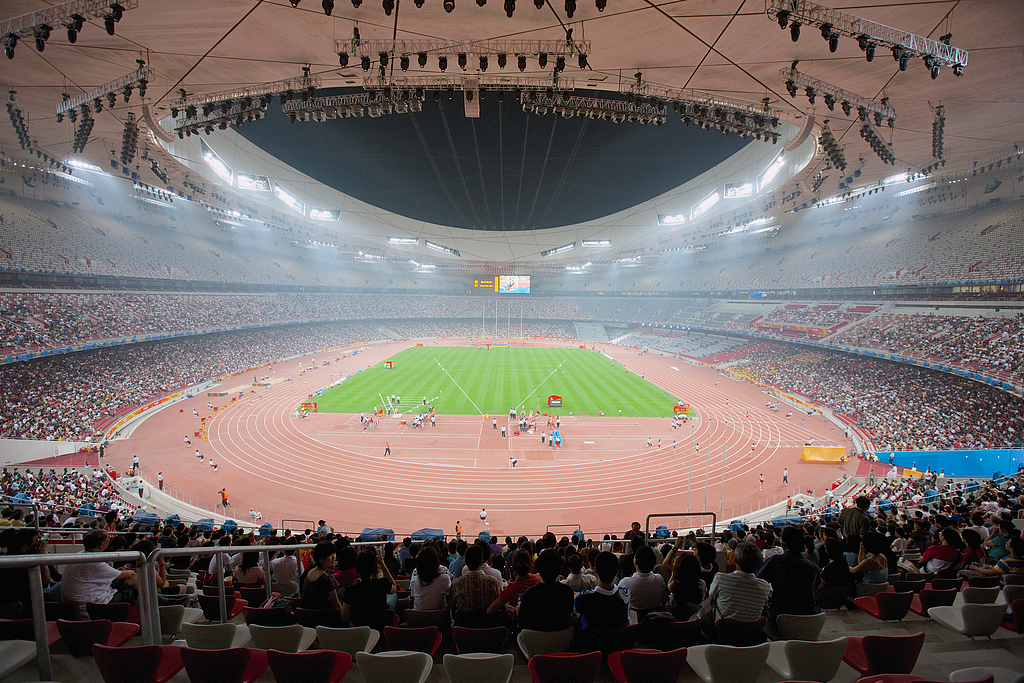
The Beijing National Stadium. (Photo: VCG)
International cooperation is another key focus of the plan. China will deepen exchanges and cooperation with international sports organizations, including the International Olympic Committee and the Olympic Council of Asia, while actively participating in global sports governance.
The country will also promote traditional Chinese sports such as martial arts, dragon boat racing and Go on the global stage, using sports as a bridge for cultural exchange and mutual understanding among peoples.
The plan also highlights the importance of strengthening sports governance, improving legal frameworks, maintaining strict anti-doping standards and creating a healthier environment for the development of the sports sector.
From expanding fitness opportunities for all to enhancing international cooperation, China's latest sports blueprint outlines its vision for a more inclusive and open sports future – one that places health, development and global exchange at the center of its next phase of growth.