


Zhoukoudian: Where early humans once lived
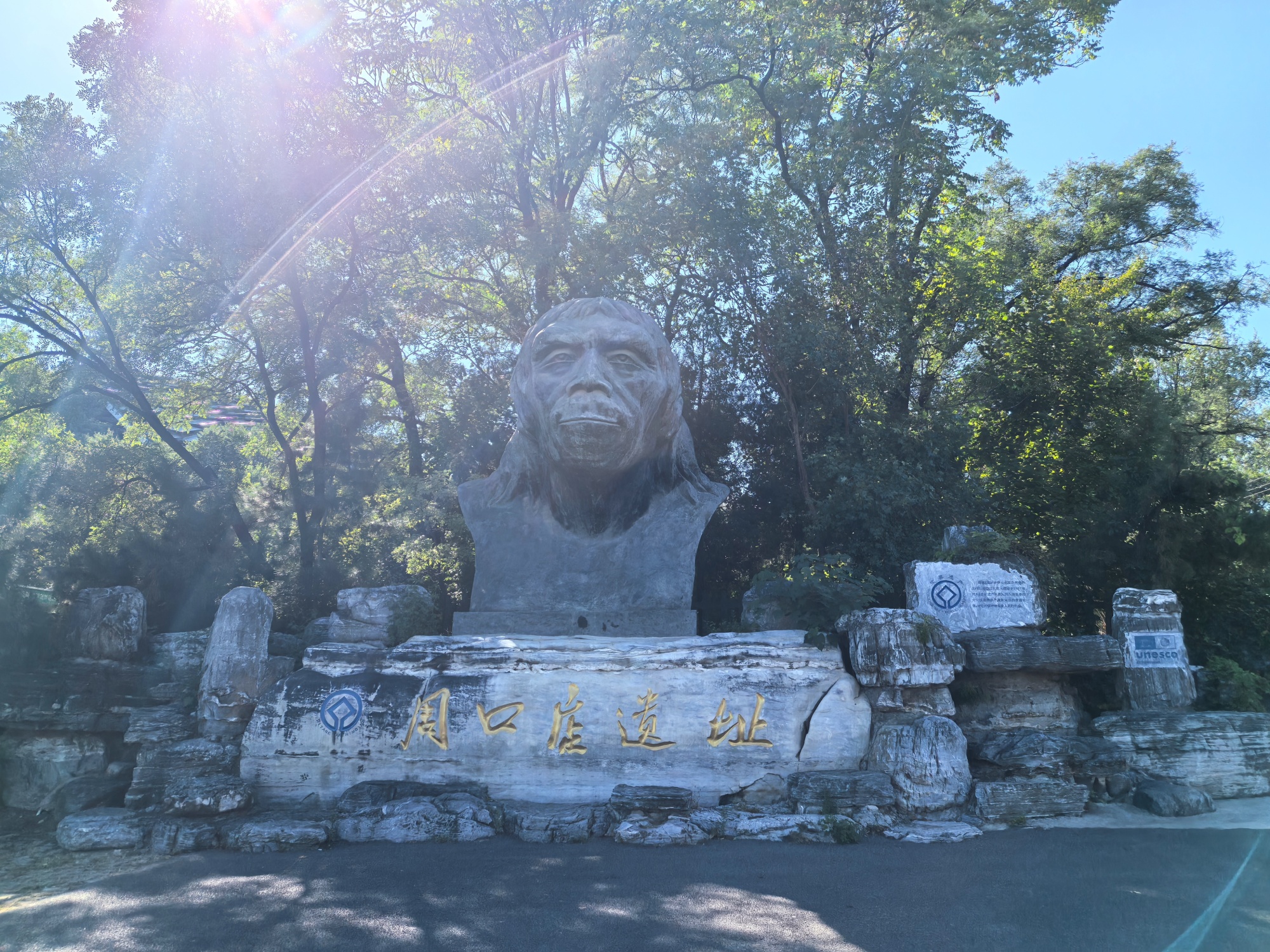
The entrance of Peking Man Site at Zhoukoudian is seen in Beijing, August 31, 2026. /CGTN
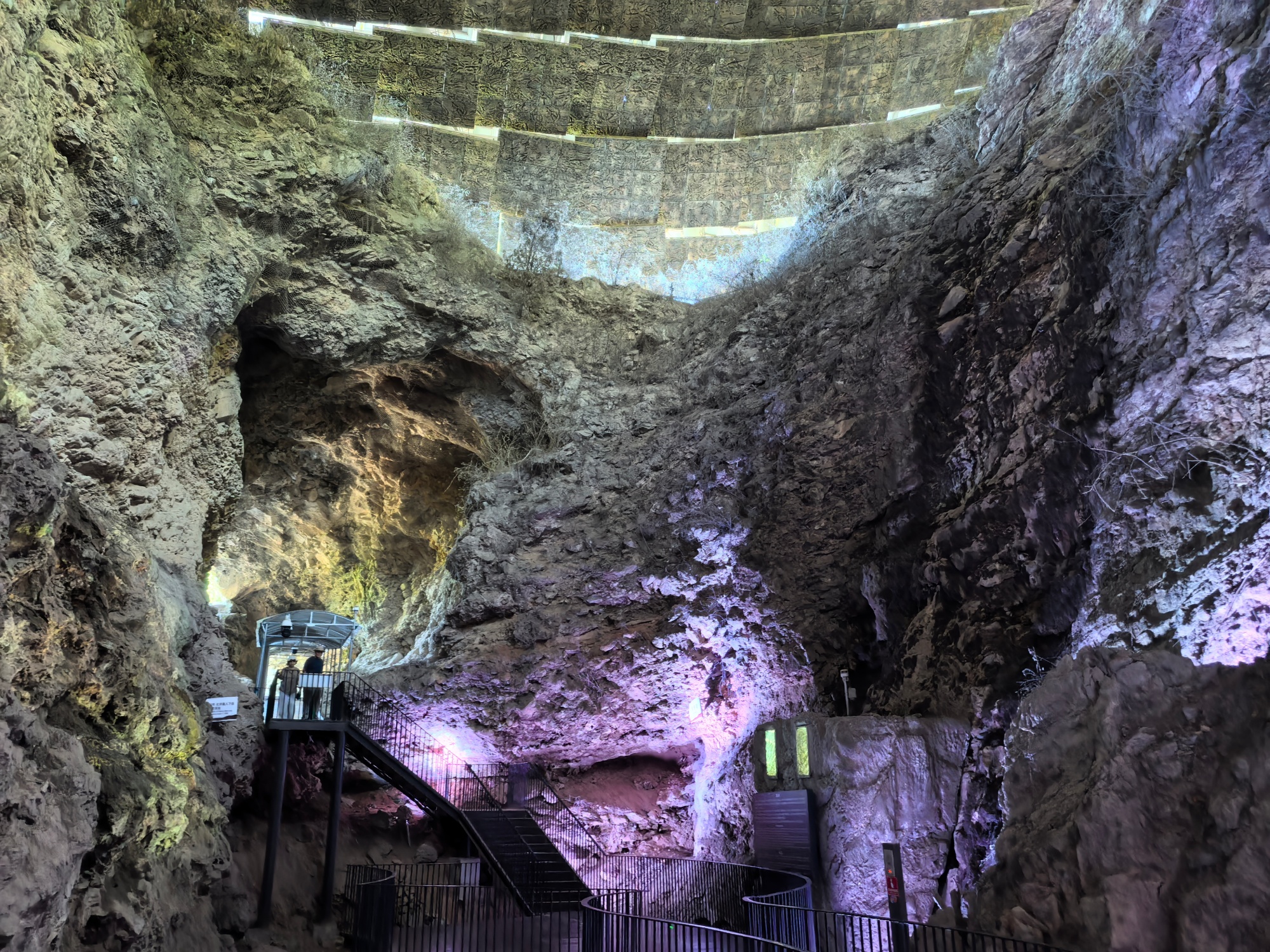
A view of an ape‑man cave at the Peking Man Site at Zhoukoudian, Beijing, August 31, 2026. /CGTN
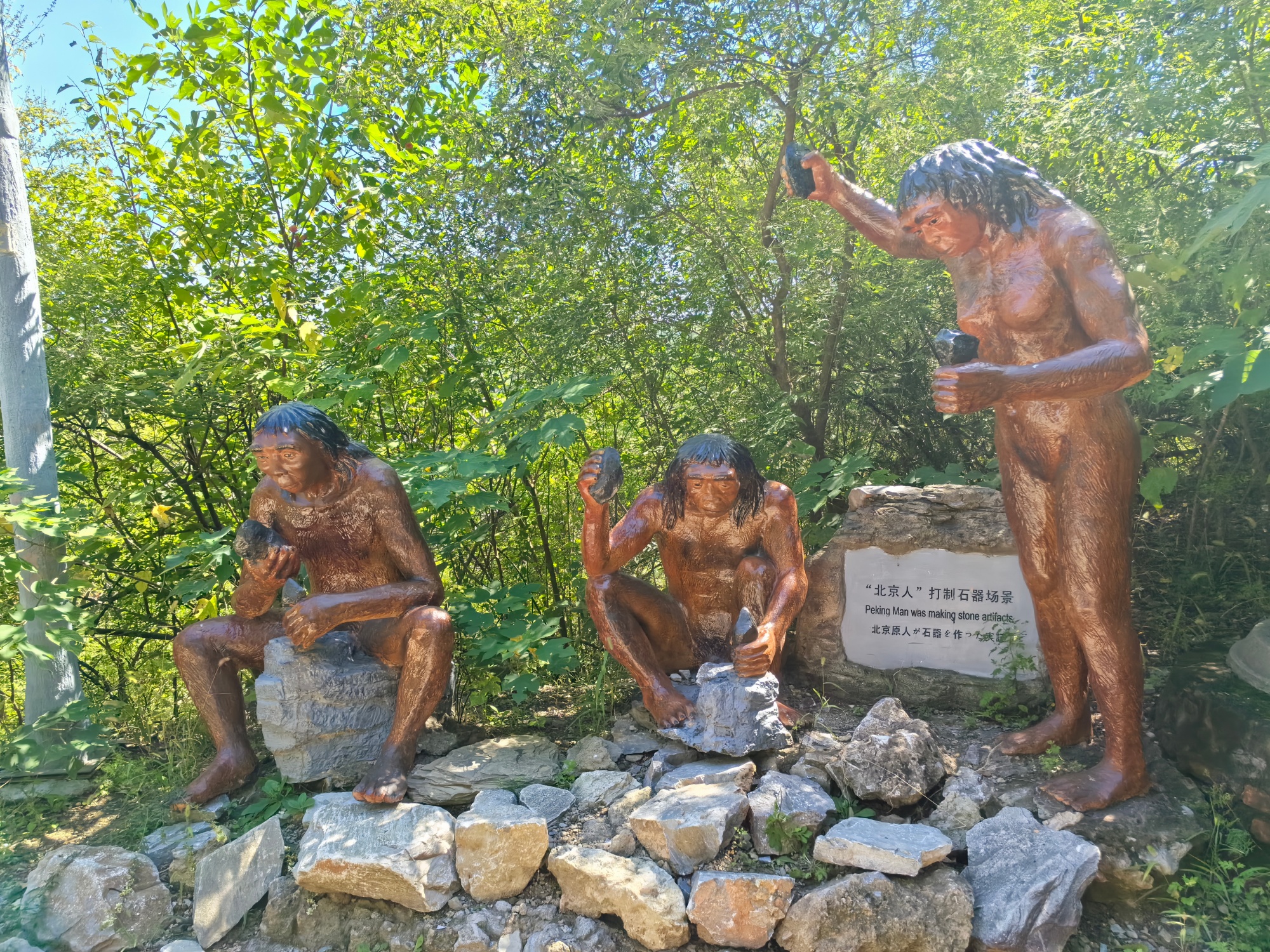
Sculptures recreate a scene of ancestors making stone tools at the Peking Man Site at Zhoukoudian, Beijing, August 31, 2026. /CGTN
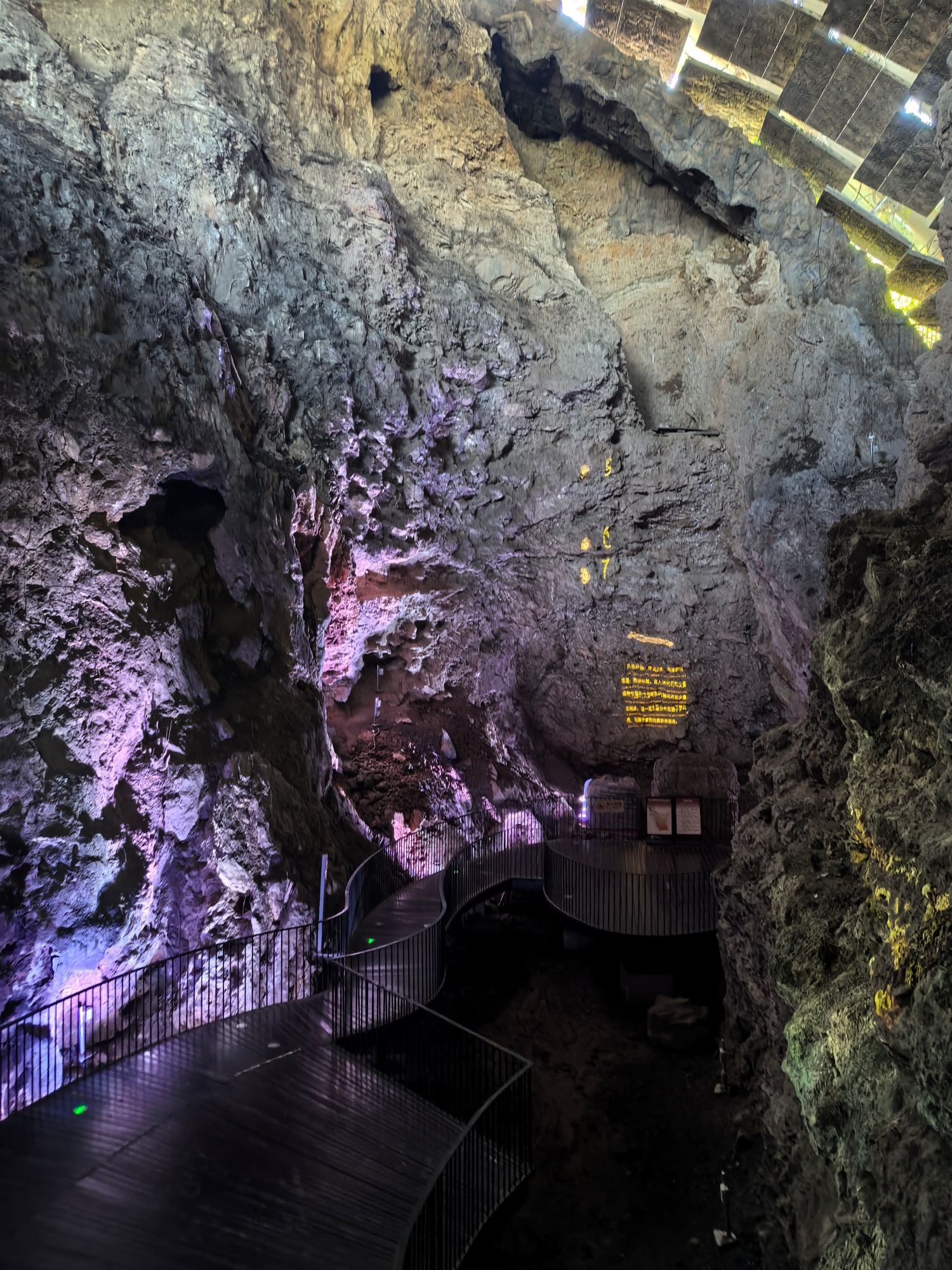
A view of an ape‑man cave at the Peking Man Site at Zhoukoudian, Beijing, August 31, 2026. /CGTN
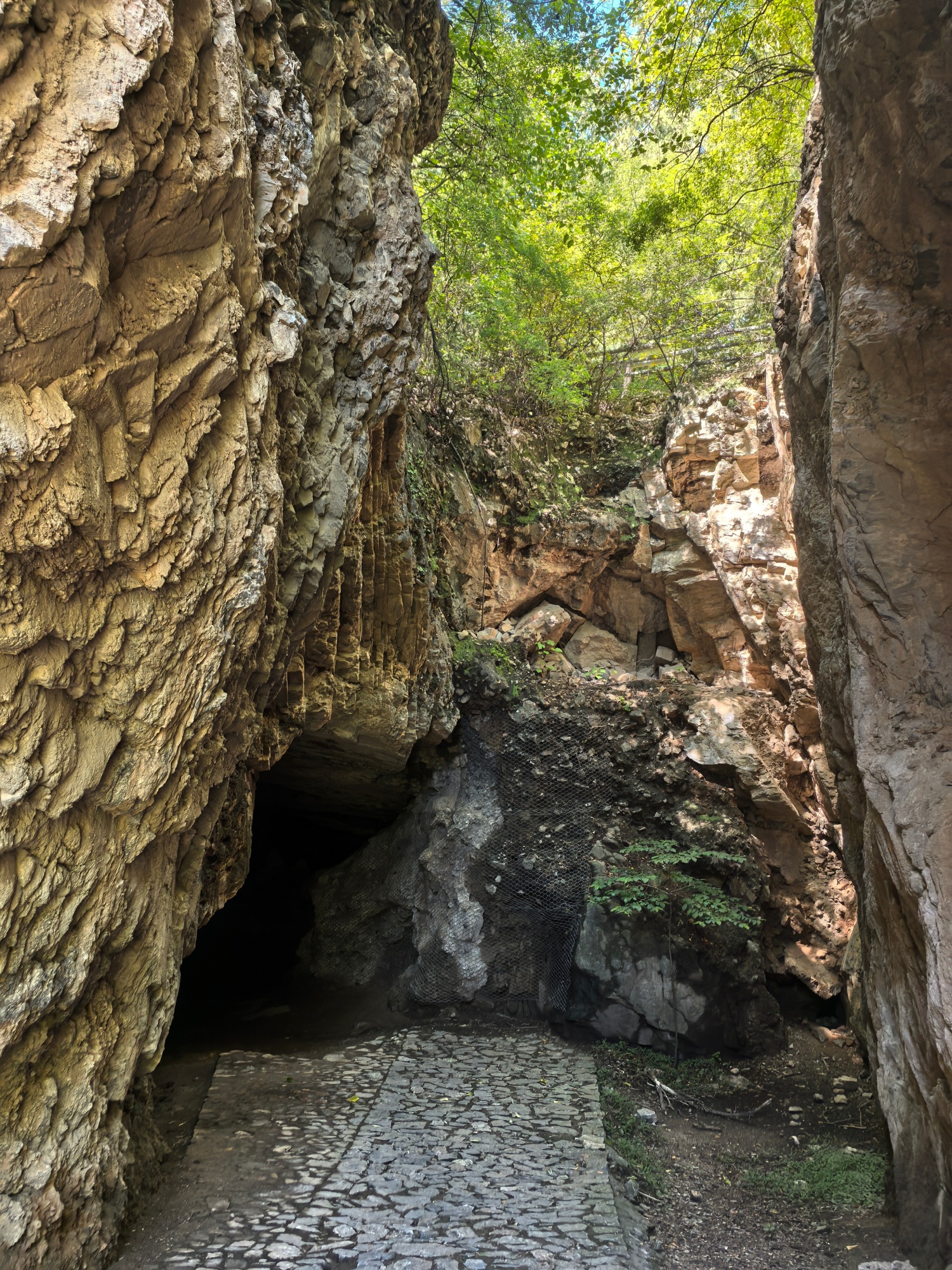
An ancient cave entrance of Peking Man Site at Zhoukoudian is seen in Beijing, August 31, 2026. /CGTN
The Peking Man Site at Zhoukoudian is a UNESCO World Heritage Site in Beijing. About 700,000 years ago, the Peking Man ancestors made their home here in the ape-man cave. Stone tools and burnt ash preserved in the rock layers offer solid proof that these early humans knew how to control fire. Walking along the mountain trails and exploring the ancient caves, visitors get a firsthand look at the remarkable story of human evolution.
In 1929, Chinese archaeologist Pei Wenzhong unearthed the first complete Peking Man skullcap at this site, shocking the global scientific community. This groundbreaking find provided hard evidence that homo erectus was a vital stage in human evolution, transforming academic understanding of early human development in Asia.