


6,000-year-old alcohol brewing practices revealed at archaeological site in North China
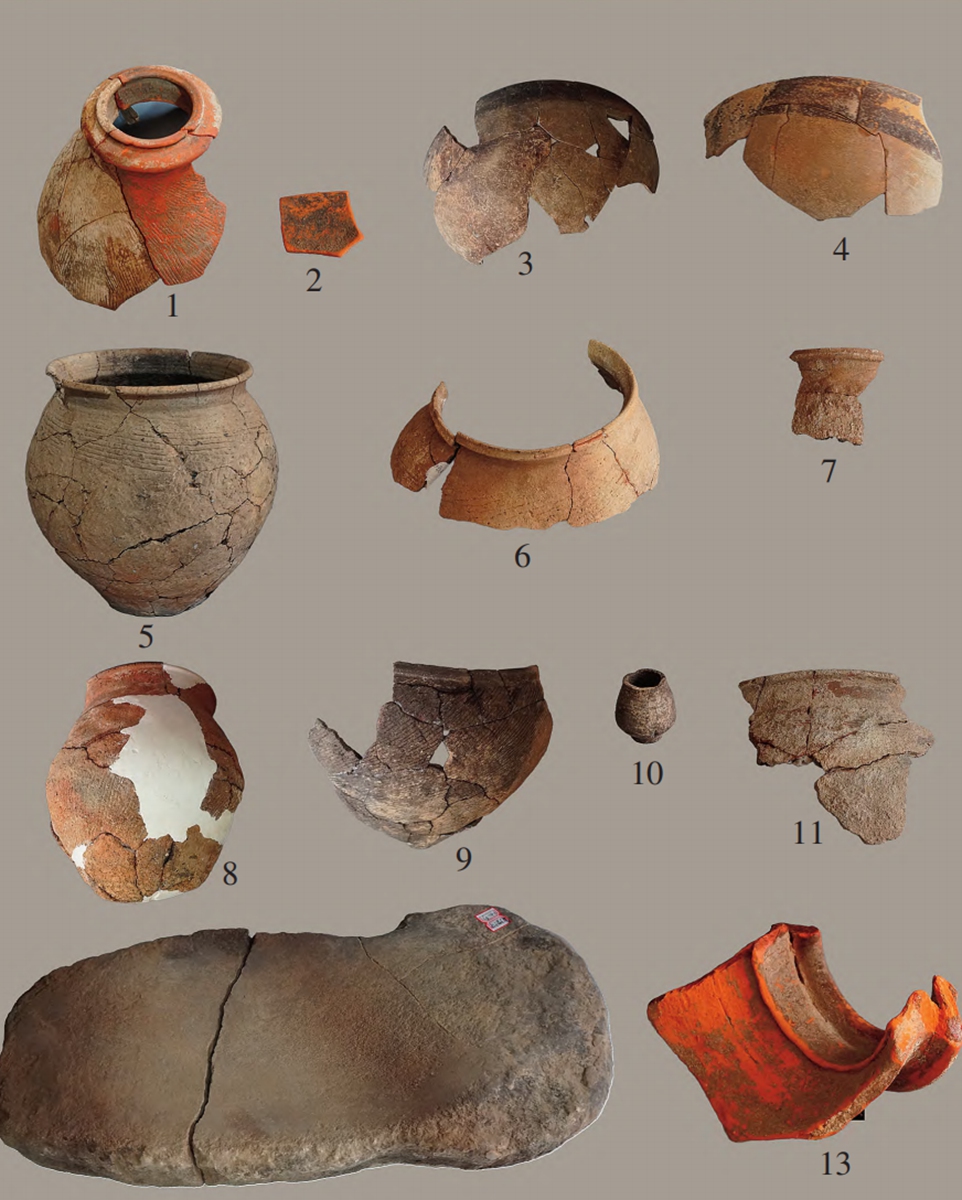
Photo: Shanxi Provincial Institute of Archaeology
Archaeologists have identified residues from alcohol production dating back approximately 6,000 to 5,500 years in pottery unearthed at the Xinghuacun archaeological site in Fenyang, North China's Shanxi Province, the Shanxi Provincial Institute of Archaeology announced, China News Agency reported on late Friday.
The finding was made by a research team from Stanford University's ancient alcohol research group and the Shanxi Provincial Institute of Archaeology through an analysis of microfossils in pottery unearthed at the Fenghaogou locality of the Xinghuacun archaeological site.
The Xinghuacun site was first discovered in 1982. Located in Xinghua town, Fenyang, the area is renowned for its liquor-making tradition and has been celebrated in Chinese poetry since the Tang Dynasty (618-907).
In 2022, archaeologists excavated ancient remains discovered about 300 meters northeast of Fenghaogou village in Xinghua town, Fenyang. The site lies along the northern edge of the site's development control zone and within the central area of its Yangshao Culture remains.
Researchers analyzed residues on 10 pottery vessels dating to the middle Yangshao period (5,000 to 7,000 years), including two bottles with narrow mouths and pointed bottoms, two pottery bowls and six pottery jars.
All 10 pottery samples contained substantial quantities of starch granules and fungal spores, along with small amounts of phytoliths, microscopic silica structures formed in plants. Most of the starch granules showed clear signs of damage caused by enzymatic breakdown and gelatinization, according to the research.
The residues commonly contained fungi, primarily reproductive structures of Monascus, a genus of fungi associated with red yeast fermentation, alongside small amounts of fungal filaments and yeast cells. This combination is associated with the fermentation of qu-based alcoholic beverages, according to the research.
The pottery also contained starch granules showing enzymatic damage associated with saccharification, the process by which starch is converted into sugars through low-temperature heating. Phytoliths potentially derived from the husks of broomcorn millet or foxtail millet were also found, suggesting that the brewing methods also included malt-based fermentation.
The starch analysis identified a diverse range of plant sources, primarily rice and millets, as well as Job's tears, wild wheat relatives, snake gourd root, fox nuts, acorns and ginger.
Rice was identified for the first time in the starch assemblage from the Fenghaogou pottery and was both the most abundant type and the most frequently occurring, according to the researchers.
Based on the residue analysis and the forms of the vessels, the team concluded that the pointed-bottom bottles were mainly used to brew qu-based and malt-based alcoholic beverages. They may also have served as drinking vessels for consuming alcohol through reed straws. Some jars were associated with brewing or storage, while painted pottery bowls were closely linked to feasting activities.
All of these pottery vessels came from an ordinary residential site, suggesting that brewing and drinking were widespread practices in Yangshao communities, rather than privileges reserved for an elite, according to the study.
The discovery of rice starch residues also provides new evidence for exploring the regional spread of rice farming in central Shanxi, although further research is needed to determine whether rice was used at other Yangshao sites in the province.
The findings fill a gap in research on alcohol culture during the Yangshao period in Shanxi and and also shed light on how brewing traditions were sustained and adapted to local resources as Yangshao culture expanded, according to the research.
The history of Chinese alcohol production dates back more than 6,000 years, with its roots in Xinghuacun. The small-mouth, pointed-bottom pottery vessels unearthed at the site have been regarded by archaeologists and brewing experts as among the earliest known fermentation vessels for alcohol production, Liu Zheng, a member of the Chinese Society of Cultural Relics, told the Global Times.
As ancient farming communities migrated and settled in new areas, ritual gatherings may have played an important role in maintaining group identity and social ties, with alcohol-centered feasts serving as a key bond, the expert noted.
The traditions of brewing with pointed-bottom vessels and feasting with painted pottery, which persisted throughout the roughly 2,000-year development of Yangshao culture, were therefore more than expressions of cultural continuity; they may also have served as an important means of reinforcing group identity and social cohesion, said Liu.