


Youth and Knowledge for Global Climate Action at COP31
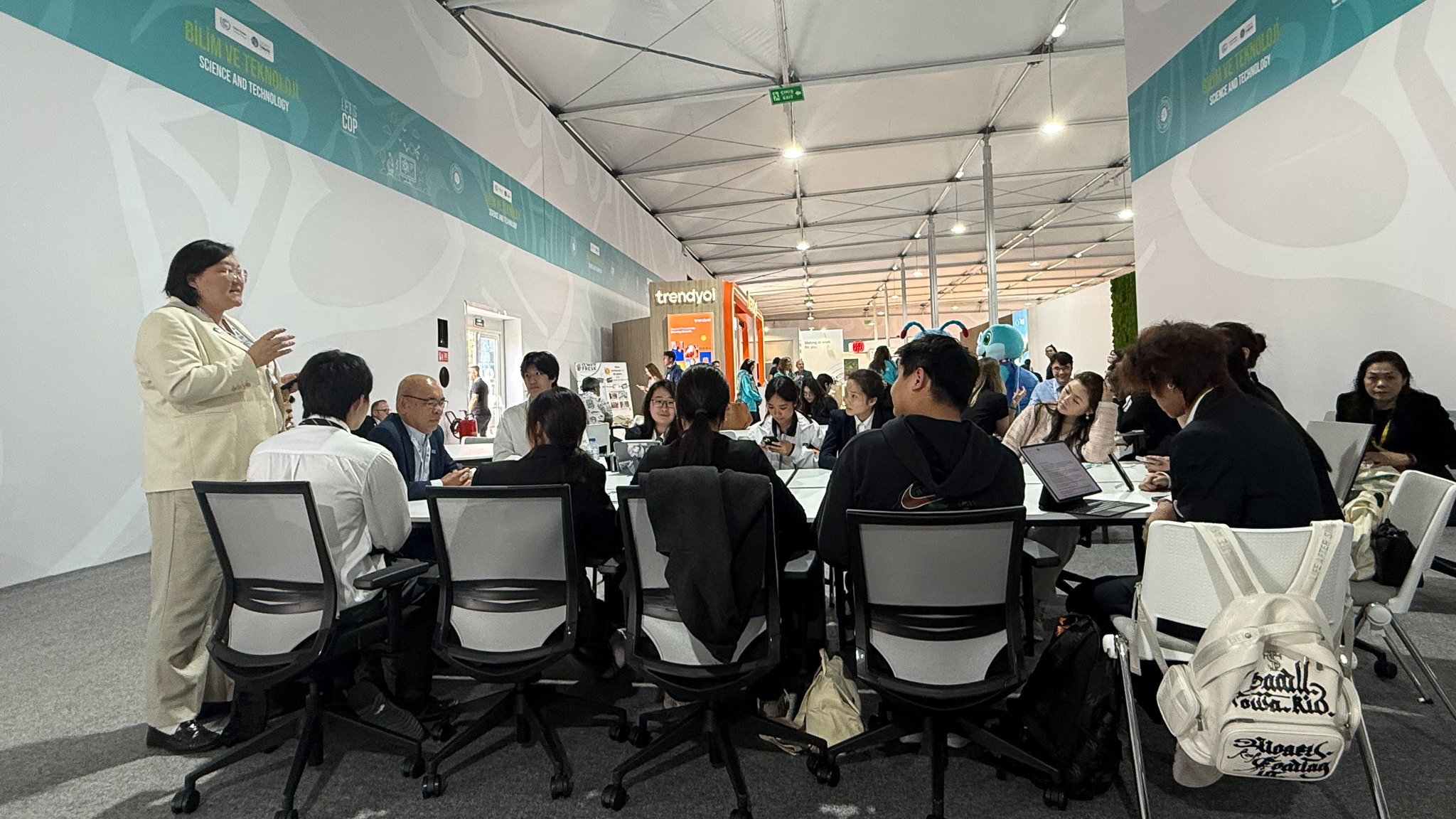
How can countries turn climate commitments into practical action? At COP31, a youth delegation from Shenzhen explored this question through a study programme focused on climate governance, sustainable development and the skills needed to implement climate solutions.
Working in groups, the students examined how different countries respond to carbon constraints, manage natural resources and translate climate finance commitments into action. They presented their findings to Michael Adalla, Officer-in-Charge of the Division for Prosperity at the United Nations Institute for Training and Research (UNITAR), who offered feedback on how training and institutional capacity can help turn proposed solutions into practice.
The programme reflects a broader challenge in global climate action: beyond technology and investment, countries also need the knowledge, skills and institutional capacity to adapt solutions to their own circumstances.
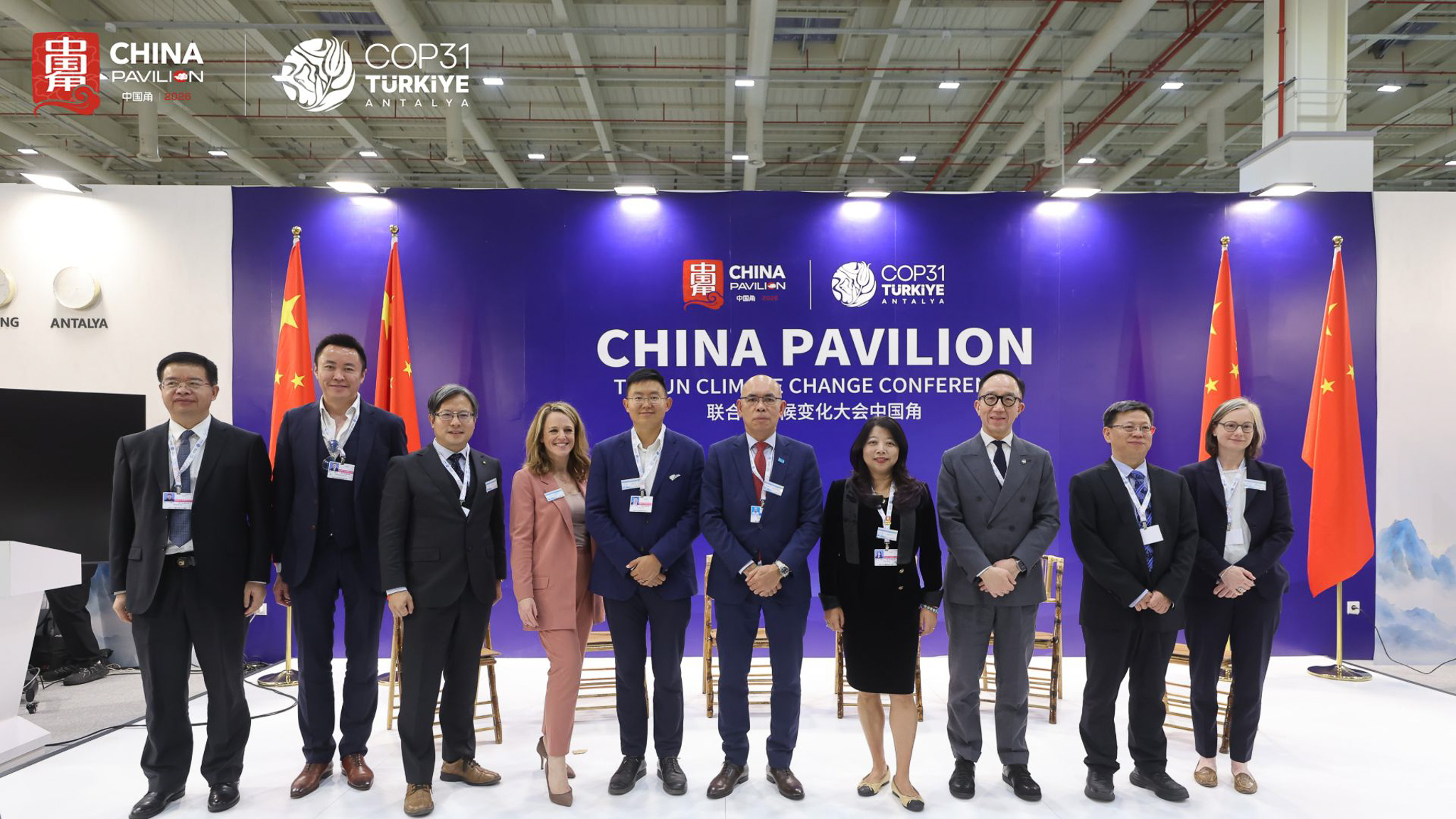
This theme was also explored at the "Global Open Classroom: Green Transformation in Action," held at the COP31 China Pavilion on November 9, where international experts, scientists and business representatives discussed how China's green transition experience could inform climate action elsewhere.
Michelle Gyles-McDonnough, United Nations Assistant Secretary-General and Executive Director of UNITAR, highlighted the importance of knowledge, leadership and institutional capacity in translating climate commitments into action. Dr Gabriel M. Leung, GBS, JP, Executive Director, Charities and Community, The Hong Kong Jockey Club, contributed perspectives on the importance of knowledge, capacity building and partnerships in advancing sustainable development. Vivian Jiang, Chair of Deloitte China and Dean of Deloitte University China, examined opportunities for international cooperation under China's 15th Five-Year Plan, including green technology, sustainable supply chains, carbon management and green finance.
Scientific innovation was another focus. Jiao Nianzhi, an academician of the Chinese Academy of Sciences and Chair Professor at Xiamen University, discussed the potential of ocean-based negative emissions research. Tian Yajun of the Chinese Academy of Sciences presented GIS-based life-cycle assessment methods for measuring product carbon footprints, while Professor He Guojun of HKU Business School explored how digital platforms can help businesses and regulators apply local knowledge to sustainability challenges.
The discussions also drew on practical experience from Xiamen, Shenzhen, Hunan and Shanxi. Four guides jointly developed by UNITAR and Southeast University were presented, translating selected Chinese sustainability practices into resources for international learning and local adaptation.
UNITAR and Deloitte China also introduced a proposed capacity-building programme to help Chinese enterprises expand overseas responsibly, with a focus on ESG expectations, regulatory requirements and cross-cultural communication.
Together, the youth study programme, knowledge-sharing activities and practical resources highlight the importance of building capacity at both individual and institutional levels. Turning the goals of the Paris Agreement into lasting climate action requires not only technology and investment, but also the knowledge, skills and international partnerships that enable solutions to work in different local contexts.