


New museum showcases 10,000-year-old Shangshan culture
The Shangshan National Archaeological Site Park and the Shangshan Museum opened to the public on November 21 in Pujiang, east China's Zhejiang Province.
The museum—the first dedicated to Shangshan culture—features a permanent exhibition across five sections with nearly 300 artifacts. It showcases Shangshan culture, one of the earliest Neolithic cultures in China and East Asia, represented by the Shangshan Archaeological Site discovered by Chinese archaeologists in Pujiang county's Shangshan village in 2000.
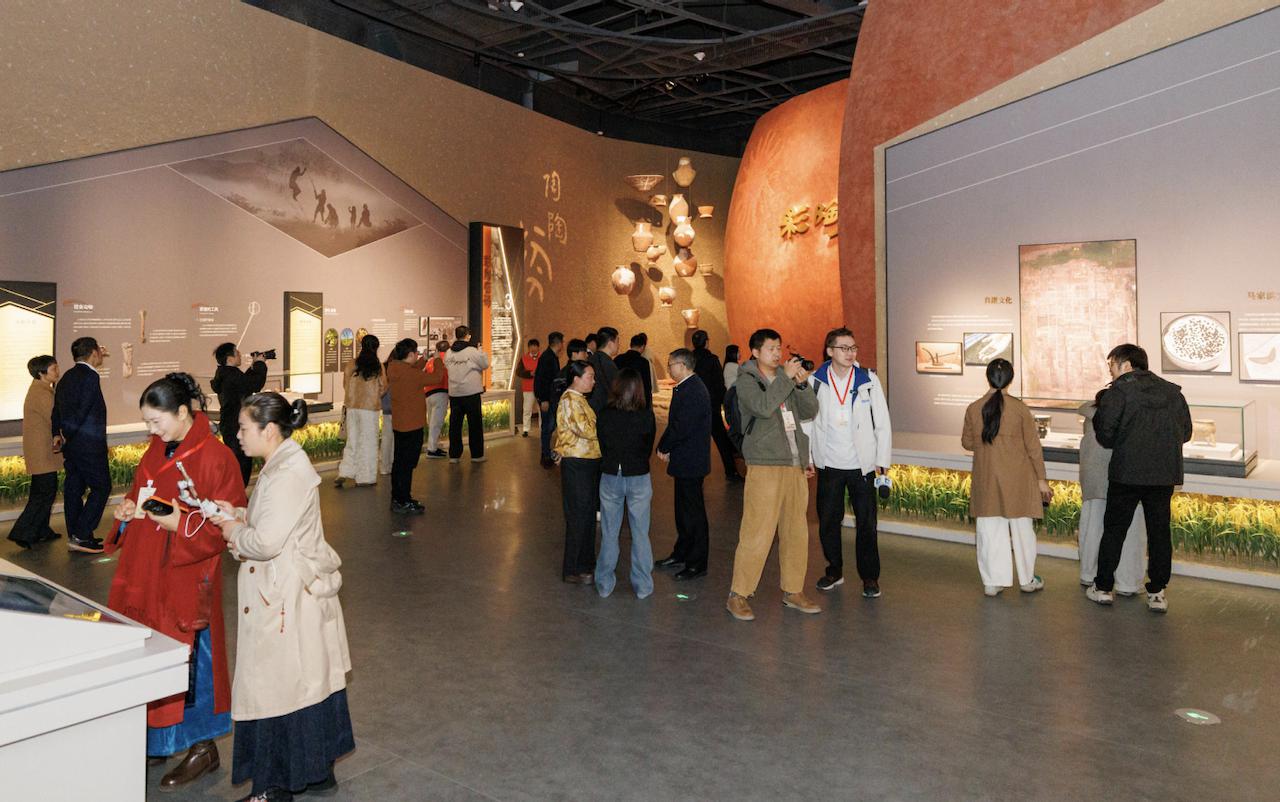
The Shangshan National Archaeological Site Park and the Shangshan Museum opened to the public on November 21 in Pujiang, east China's Zhejiang Province. (Photo: Courtesy of He Min and Feng Yangkang)
A carbonized rice grain just about 3 millimeters long is the star exhibit. Carbon-14 dating and other research show it is a primitive cultivated rice dating back about 10,000 years—the earliest known evidence of rice farming in the world.
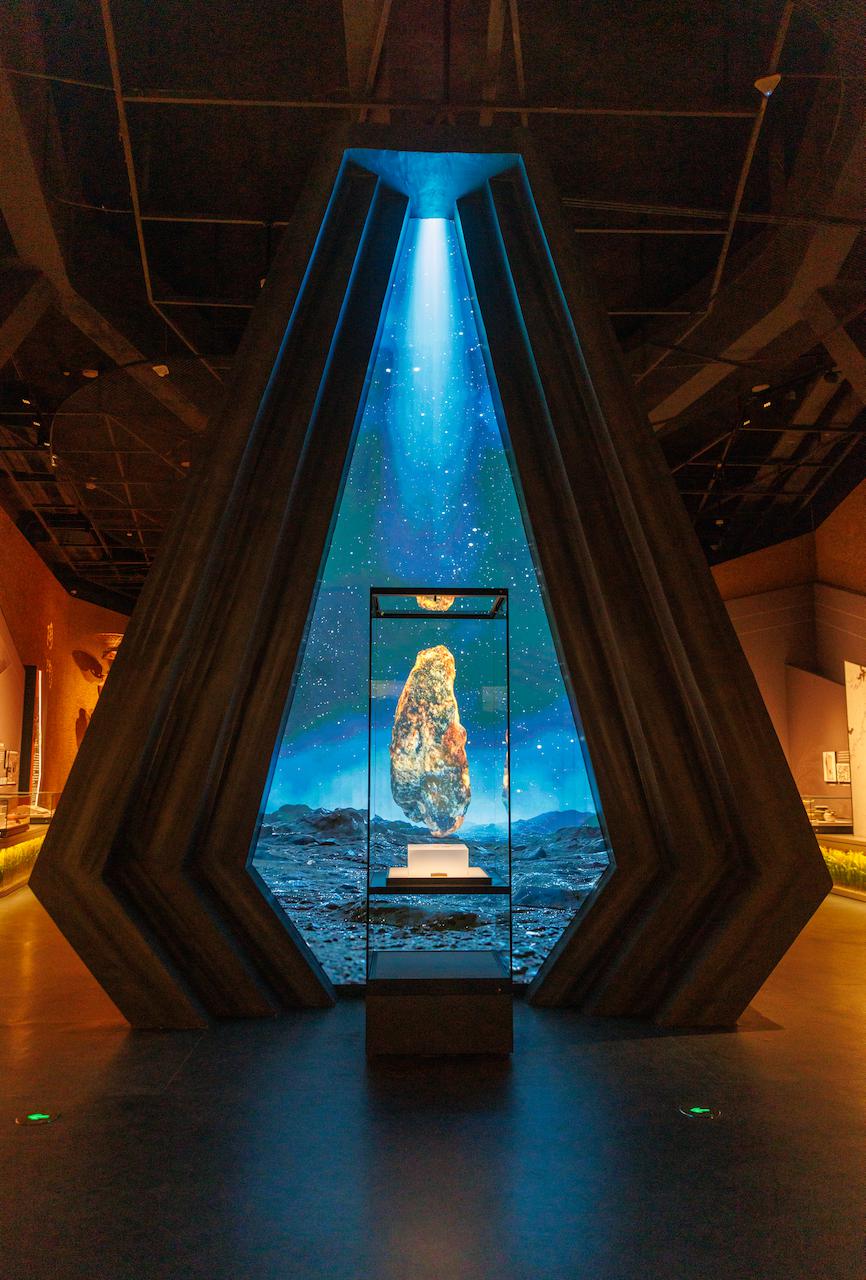
Using holographic projection technology, the museum magnifies its signature treasure—a 3-millimeter-long, 10,000-year-old carbonized rice grain—and shows it to the public. (Photo: Courtesy of He Min and Feng Yangkang)
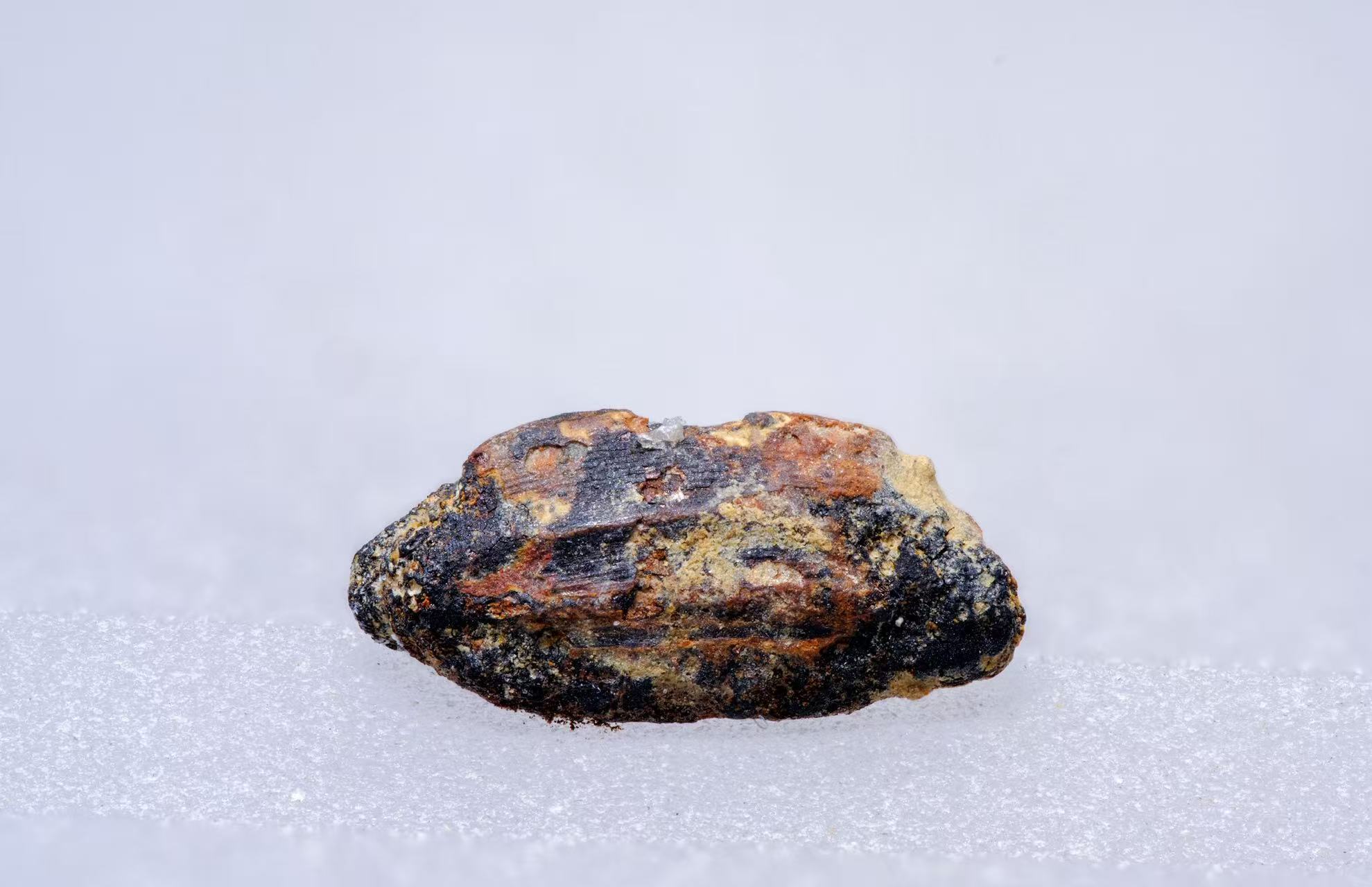
Close-up of the 3-millimeter-long, 10,000-year-old carbonized rice grain. (Photo: Courtesy of He Min and Feng Yangkang)
After more than 20 years of archaeological investigation, 24 Shangshan sites have been found across 12 counties (cities and districts) in four cities in Zhejiang Province. These discoveries push the origin of human rice-farming back to 10,000 years ago, reshape our understanding of world agriculture and attest to China's 10,000-year cultural history.
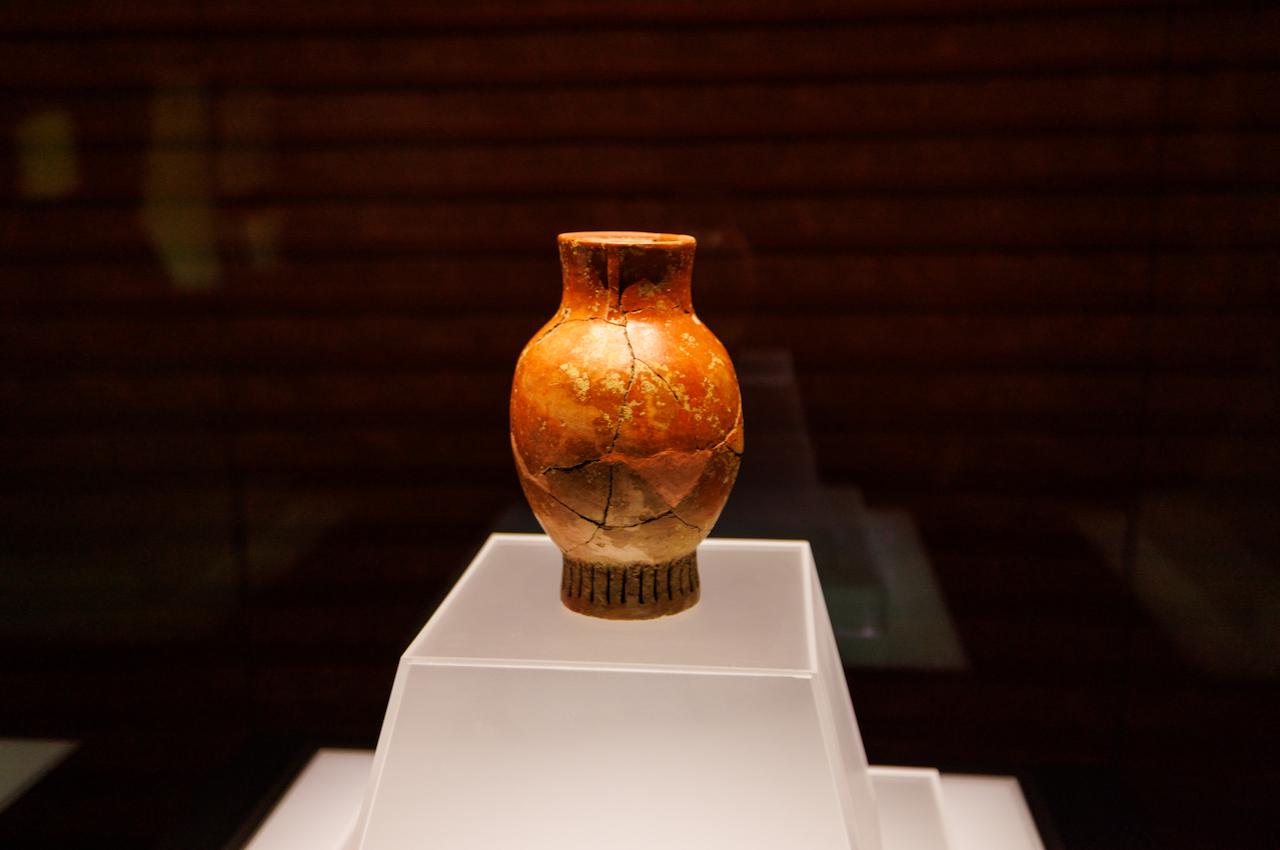
Other representative artifacts in the museum include Shangshan painted pottery—the earliest painted pottery ever discovered in the world. (Photo: Courtesy of He Min and Feng Yangkang)
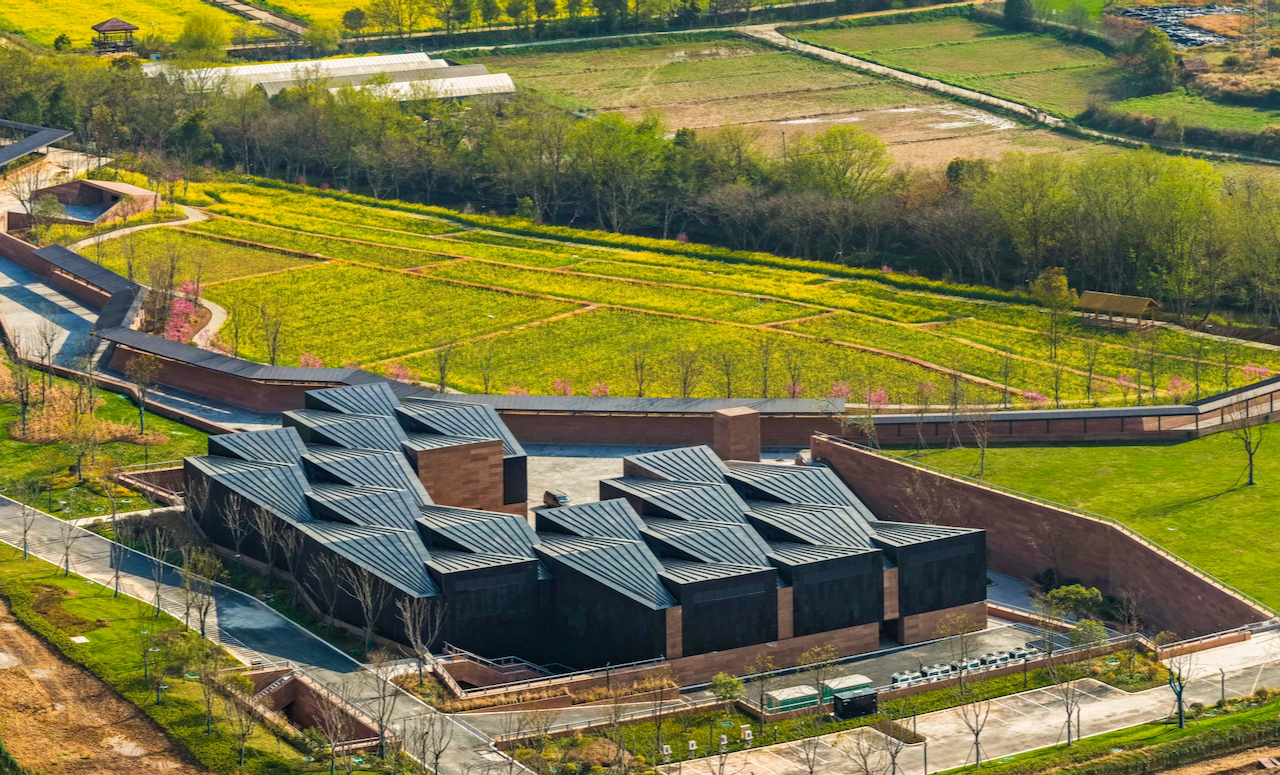
The Shangshan Museum's architecture blends into the surrounding environment and won a 2026 WAN (World Architecture News) Award in March. (Photo: Courtesy of He Min and Feng Yangkang)