


As winter's chill settles over much of China, the Laba Festival ushers in a time of warmth and anticipation. On the eighth day of the 12th lunar month, which falls on Monday this year, the aroma of Laba will drift across Beijing and the rest of the country, signaling the arrival of the Chinese New Year season.
Laba porridge, also known as "eight treasure porridge," is a signature dish of the festival. It's made with a mix of eight ingredients, as the number eight is considered highly auspicious in Chinese culture. While the recipe varies from region to region based on local ingredients, common components include rice, glutinous rice, millet, corn, barley, dried dates, lotus seeds, longan fruit, red beans, peanuts and walnuts. Each ingredient represents good fortune and health for the year ahead.
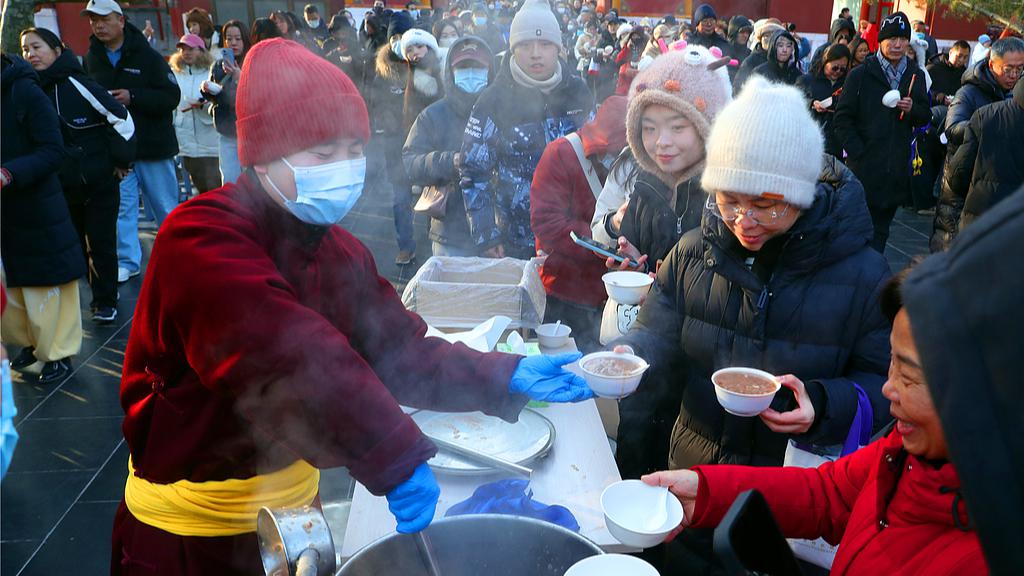
Locals line up for Laba porridge at the Yonghe Lama Temple in Beijing, China, January 26, 2026. (Photo: VCG)
The Laba Festival is also a major Buddhist holiday. Temples across the country offer free bowls of Laba porridge to visitors, a gesture meant to honor Buddha and share his blessings. Devotees line up at dawn to receive the porridge, praying for good fortune in the year to come.
Beyond the temples, communities hold events where neighbors, students and volunteers are invited to enjoy this festive dish together, further fostering a sense of unity and celebration.
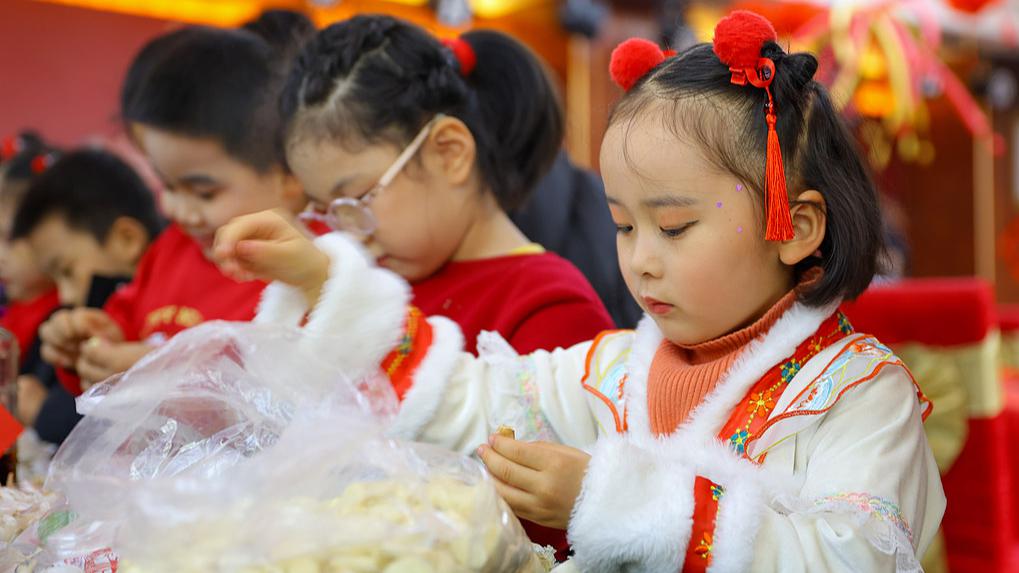
Children make Laba garlic at a school in Liaocheng city, east China's Shandong Province, January 25, 2026. (Photo: VCG)
In addition to the porridge, other culinary delights are integral to the festival.
In northern China, Laba garlic is a beloved tradition – garlic cloves soaked in vinegar turn a vibrant emerald green after fermenting for over 20 days, just in time for the Spring Festival. Meanwhile, Laba tofu from east China's Anhui Province is a flavorful snack seasoned with salt, star anise and chili pepper, often dried and preserved to last through the winter months.
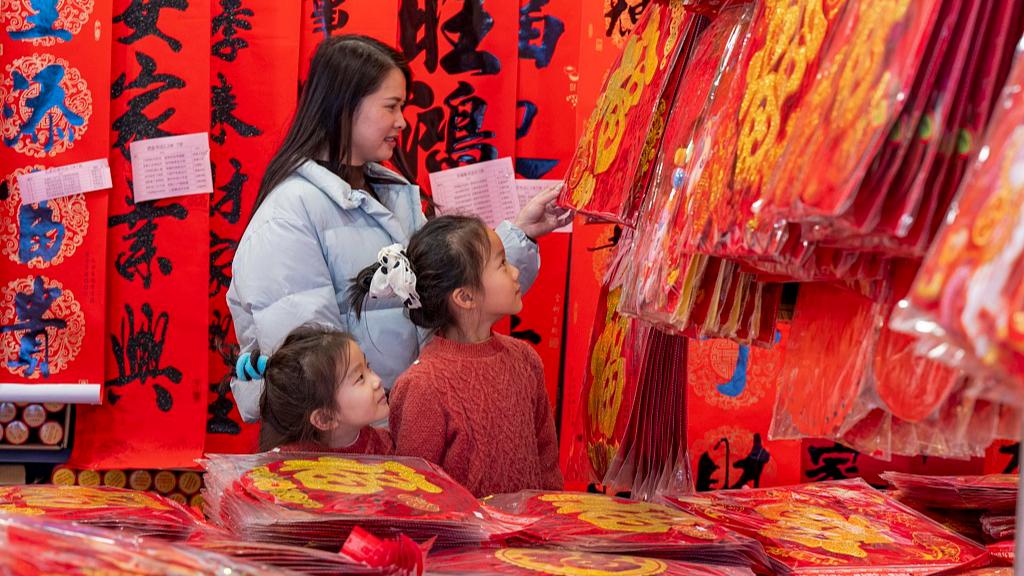
Locals shop for Spring Festival goods at a market in Changzhou district, Wuzhou city, south China's Guangxi Zhuang Autonomous Region, January 26, 2026. (Photo: VCG)
The Laba Festival is more than just a day of celebration; it marks the countdown to the Chinese New Year. As a popular nursery rhyme goes: "Kid, don't be greedy; when Laba is here, Spring Festival is not far away."
Once the porridge is served and festivities begin, the excitement of the Spring Festival fills the air. Families start preparing for the new year – buying goods for the celebration, shopping for new clothes, cleaning homes, gathering ingredients for the festive feast and preparing for family reunions.
Nearly a week later, millions of people who work, study, or live away from their hometowns will begin returning home to reunite with their families for the Spring Festival, China's most important traditional holiday, forming the world's largest annual human migration.