


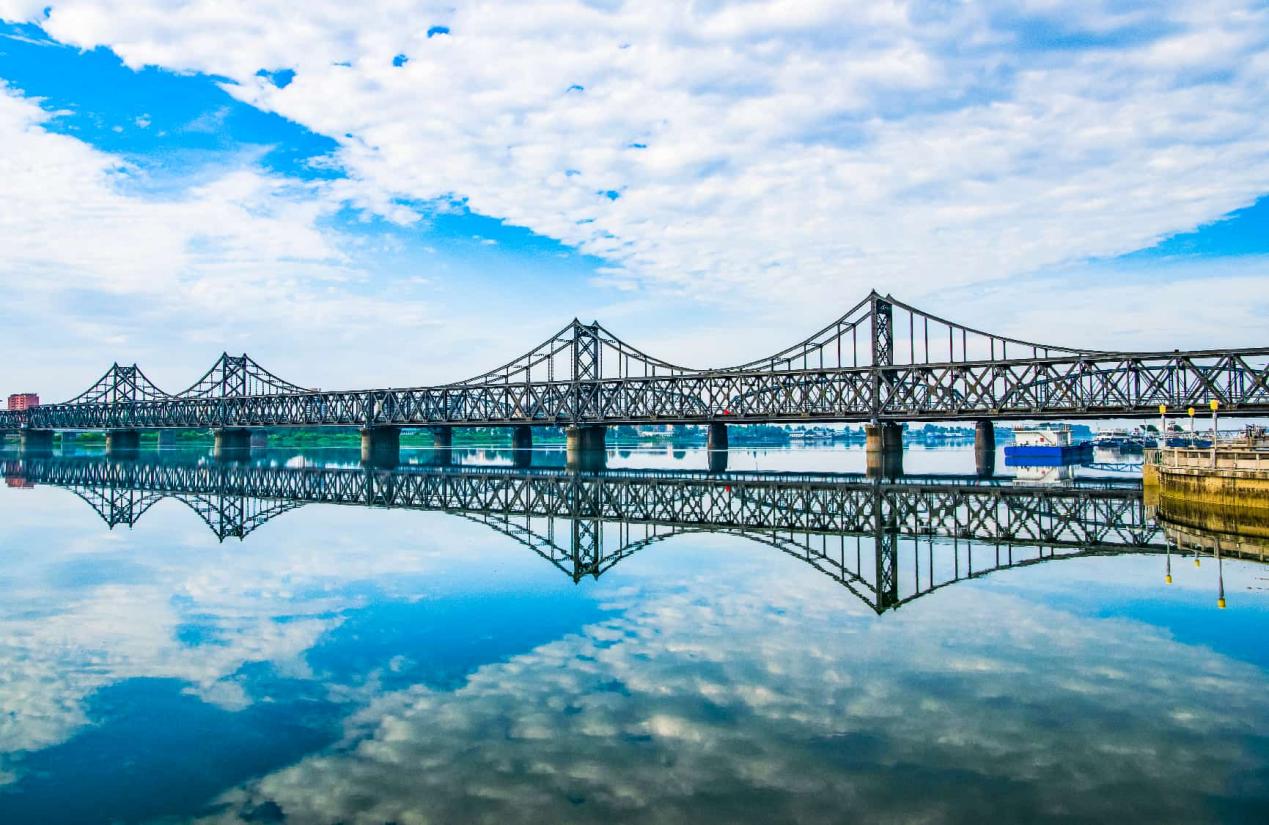
Photo shows the China-North Korea Friendship Bridge on Yalu River. (Photo/Liu Haidong)
Nestled on the Yellow Sea coast in southeastern Liaoning province in northeast China, the border city of Dandong blends industrial vigor with tourism and trade. As "China's largest and most beautiful border city," it faces Sinuiju in the Democratic People's Republic of Korea (DPRK) across the Yalu River -- known as a "river of friendship."
For decades, this river has witnessed the deep bond between the peoples of China and the DPRK. Their shared history, economic ties, and cultural exchanges have sustained a resilient, neighborly friendship over generations.
Dandong's historical ties with the DPRK date to ancient times, when it served as a gateway to the Korean Peninsula. After the founding of the People's Republic of China in 1949, it became both a strategic rear area and a departure point during the War to Resist U.S. Aggression and Aid Korea (1950-1953).
Perched on Yinghua Mountain in Dandong, the Memorial Hall of the War to Resist U.S. Aggression and Aid Korea houses many exhibits and restored scenes, which bear witness to the profound memories of the time-honored friendship between China and the DPRK.
Cultural exchanges thrive here. The city has hosted performances by the DPRK's National Folk Art Troupe, built a China-DPRK folk culture park, and sent art troupes to join the Happy Spring Festival celebration in Pyongyang.
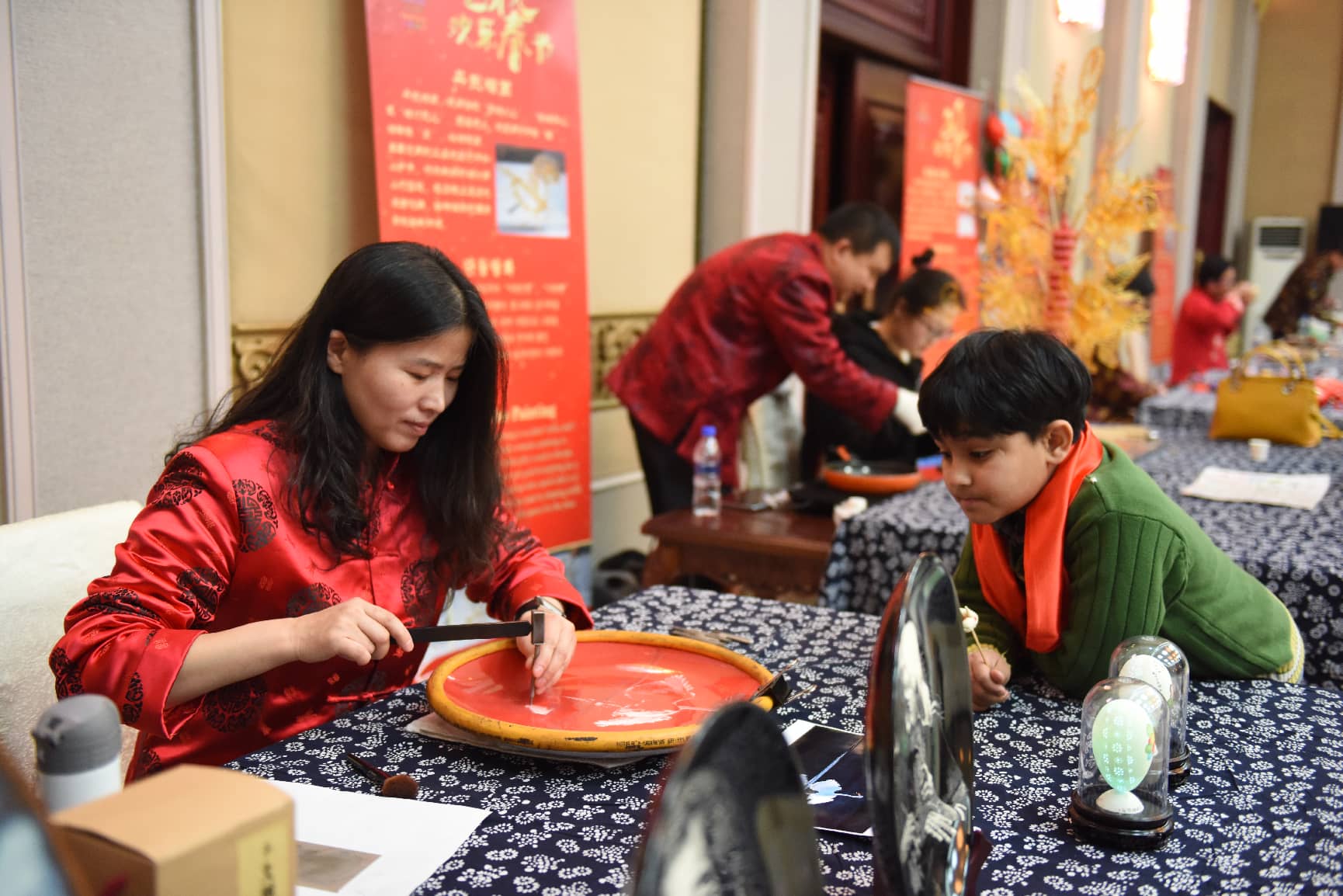
An inheritor of intangible cultural heritage (first from left) showcases ceramic carving technique at the Happy Spring Festival celebration in Pyongyang. (Photo/Yang Jiabin)
"In the DPRK, I now have more than 1,000 students," said Huang Li, a lecturer at Liaodong University who has traveled to the DPRK three times to teach Chinese at Pyongyang University of Foreign Studies. She highlighted their role as future "cultural ambassadors" sustaining bilateral friendship.
Built in 1943 and originally known as the Yalu River Bridge, the China-North Korea Friendship Bridge stretches more than 940 meters. In 1990, marking the 40th anniversary of the Chinese People's Volunteers Army entering the DPRK to help in the War to Resist U.S. Aggression, the cities of Dandong and Sinuiju jointly renamed it the China-North Korea Friendship Bridge. Today, this dual-use bridge carrying both highway and railway traffic has become a major artery for trade.
At Dandong International Trade Market, staff member Zou Mingyue, dressed in traditional Korean attire, introduced the wide range of products from the DPRK on sale, including beverages, skincare products, shampoos, oil paintings and prints created by DPRK artists, postcards, commemorative stamps, and more.
"These products have consistently sold well, attracting both Chinese and international visitors," she said.
Chunhyangjeon is one of the best-known literary works in the DPRK. A cosmetics brand bearing the name "Chunhyang" has become highly recognizable there, and in Dandong, it has also become something of an internet sensation. A staff member explained that skincare products and cosmetics from the DPRK are among the best-selling items, with the popular Chunhyang brand sometimes even selling out.
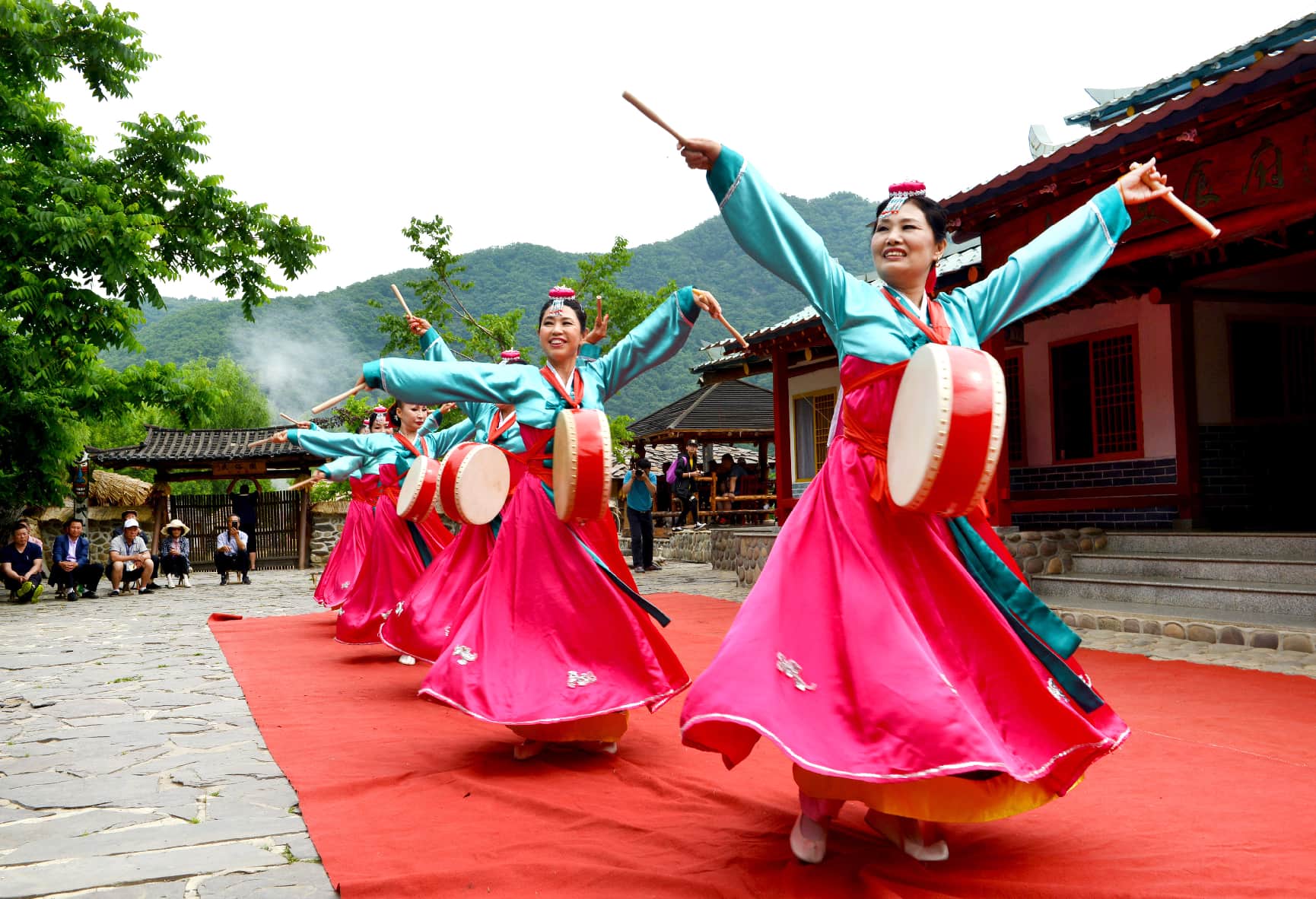
An ethnic Korean folk dance performance is staged at a tourism attraction in Xialuhe Korean ethnic township, Dandong, northeast China's Liaoning province. (Photo/Wu Qiong)
On Andong Old Street, a historical and cultural quarter in Dandong, there is a shop named Goryeo Store. Ginseng soaps made in the Kaesong, the DPRK stand in a prominent position inside the shop.
"These imported soaps contain ginseng ingredients and sell extremely well. They're among our most popular products," said a shop assistant surnamed Gao.
From Chunhyang skincare products to Kaesong ginseng soaps, many of these well-loved goods come from the Sinuiju Cosmetics Factory, the DPRK's first cosmetics production base. The factory produces more than 250 types of cosmetic products and exports them to many countries.
At night, walking along the Yalu River offers another glimpse into cross-border cultural connections. Melodies drift across the water from both sides of the river. Sometimes songs with distinctly Korean styles can be heard from the Chinese side; at other times, Chinese songs sung in Korean echo from across the river.
DPRK visitors to Dandong are especially fond of singing Song of the Chinese People's Volunteer Army in Korean. Though languages differ, shared melodies often create an immediate emotional resonance.
Painting has also become an increasingly important bridge for cultural exchange and people-to-people connections in recent years.
"Contemporary DPRK painting places particular emphasis on realism. Its depictions of ethnic customs, landscapes, and everyday life are easy for Chinese audiences to understand and appreciate," said Wang Tingting, director of an art museum in Dandong.
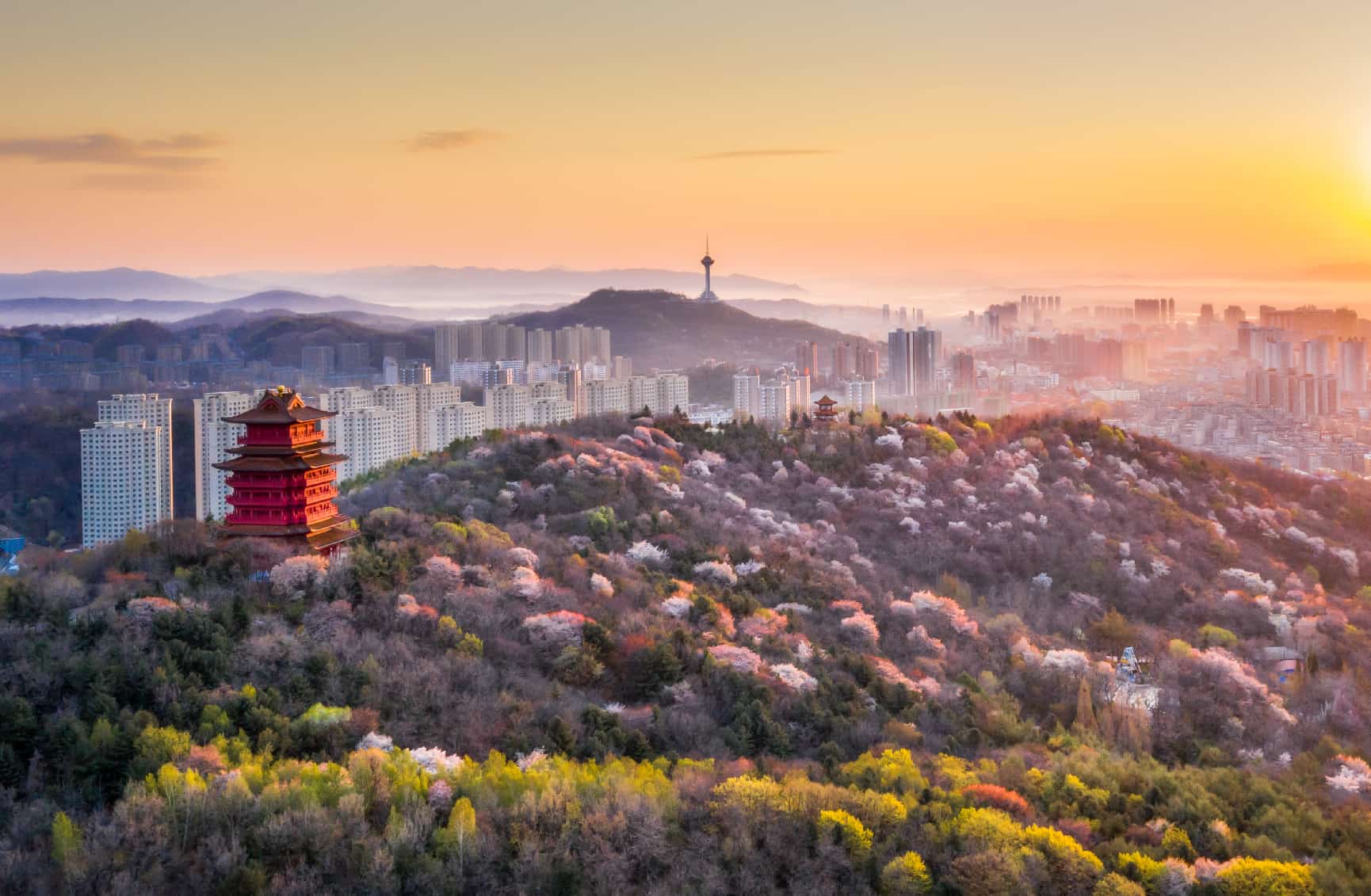
Photo shows a beautiful scene in Dandong, northeast China's Liaoning province. (Photo/Gao Chao)
Wang has worked with the DPRK's art museums to organize multiple exchange activities, including joint exhibitions featuring Chinese and DPRK artists.
At the China-DPRK Cultural Exhibition Center on Huayuan Road in Dandong, visitors encounter a rich collection of outstanding DPRK artworks.
"Among all the exhibits, DPRK oil paintings are especially popular because artists' hyperrealistic techniques create remarkably lifelike images," said Zhang Chunxiang, manager of the exhibition center's visitor reception department.
The exhibition center, a China-DPRK cultural cooperation project covering more than 32,000 square meters, originally focused on cultural and artistic creation and exhibitions. Over time, it expanded to include ethnic Korean cultural experience zones, galleries displaying Chinese and DPRK artworks, handicraft workshops, restaurants serving Chinese and Korean cuisine, and stores selling products from the DPRK. It also hosts large-scale cultural exchange activities, artist salons, and exhibitions each year, attracting large numbers of visitors.
Built on profound traditional friendship, China-DPRK ties in Dandong are enriched by expanding economic, trade and cultural exchanges, growing more dynamic by the day.