


From motion capture to virtual studios, AI is forging China's content
Chinese firms in the film and television industry are tapping into the vast potential of artificial intelligence (AI) technology to create superior content models that are more efficient and cost-effective.
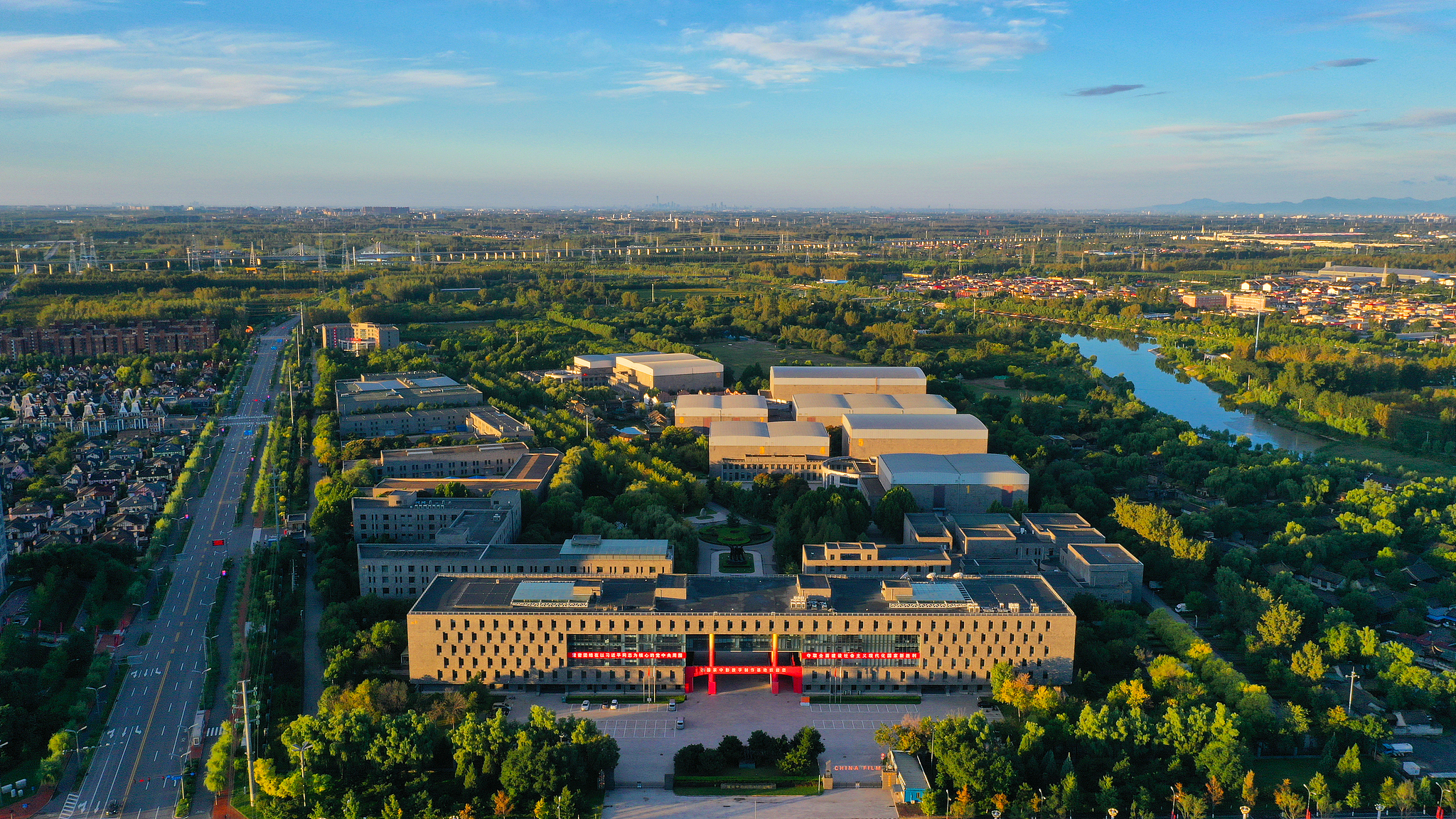
An aerial view of the China (Huairou) Film and Television Base in Beijing. /VCG
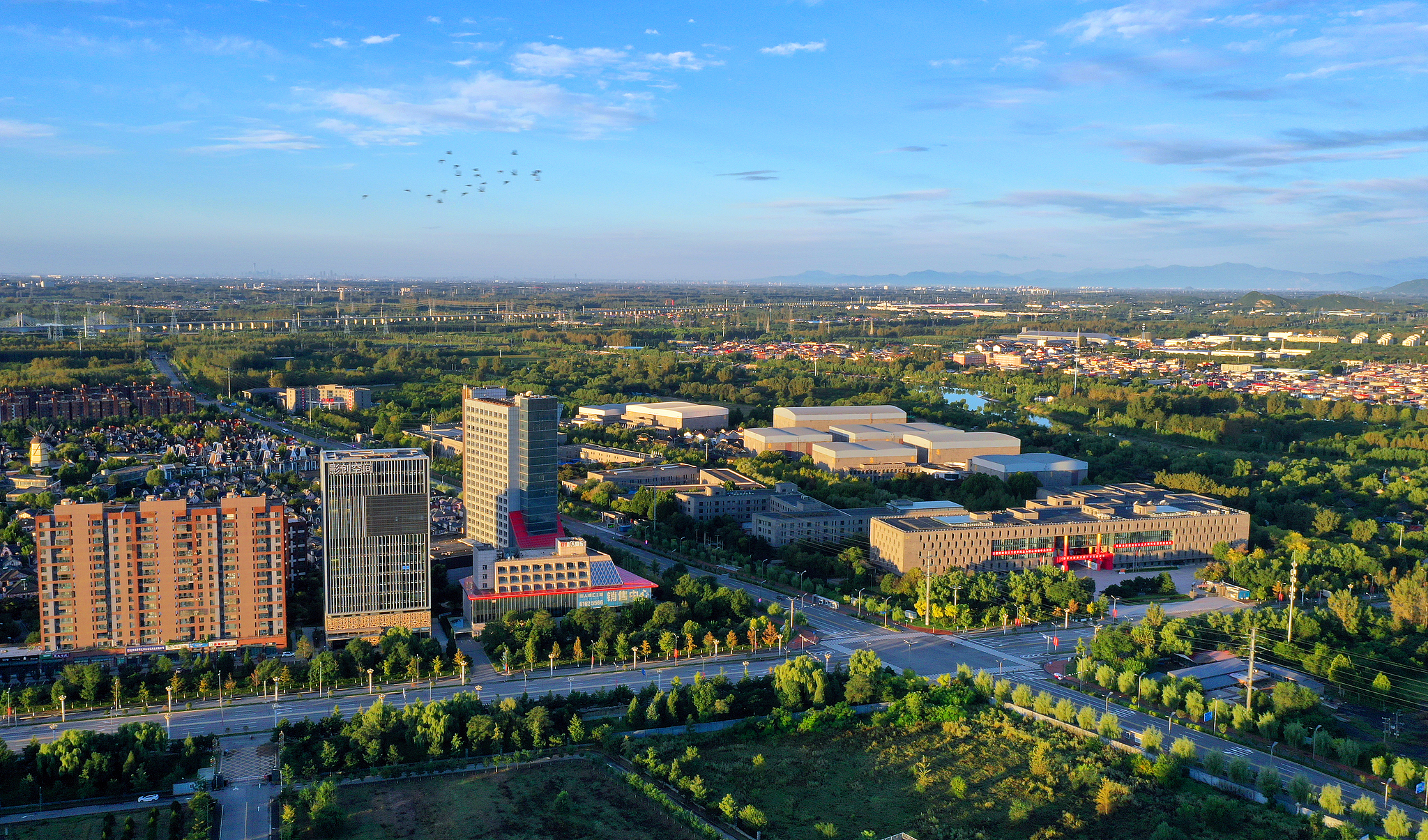
An aerial view of the China (Huairou) Film and Television Base in Beijing. /VCG
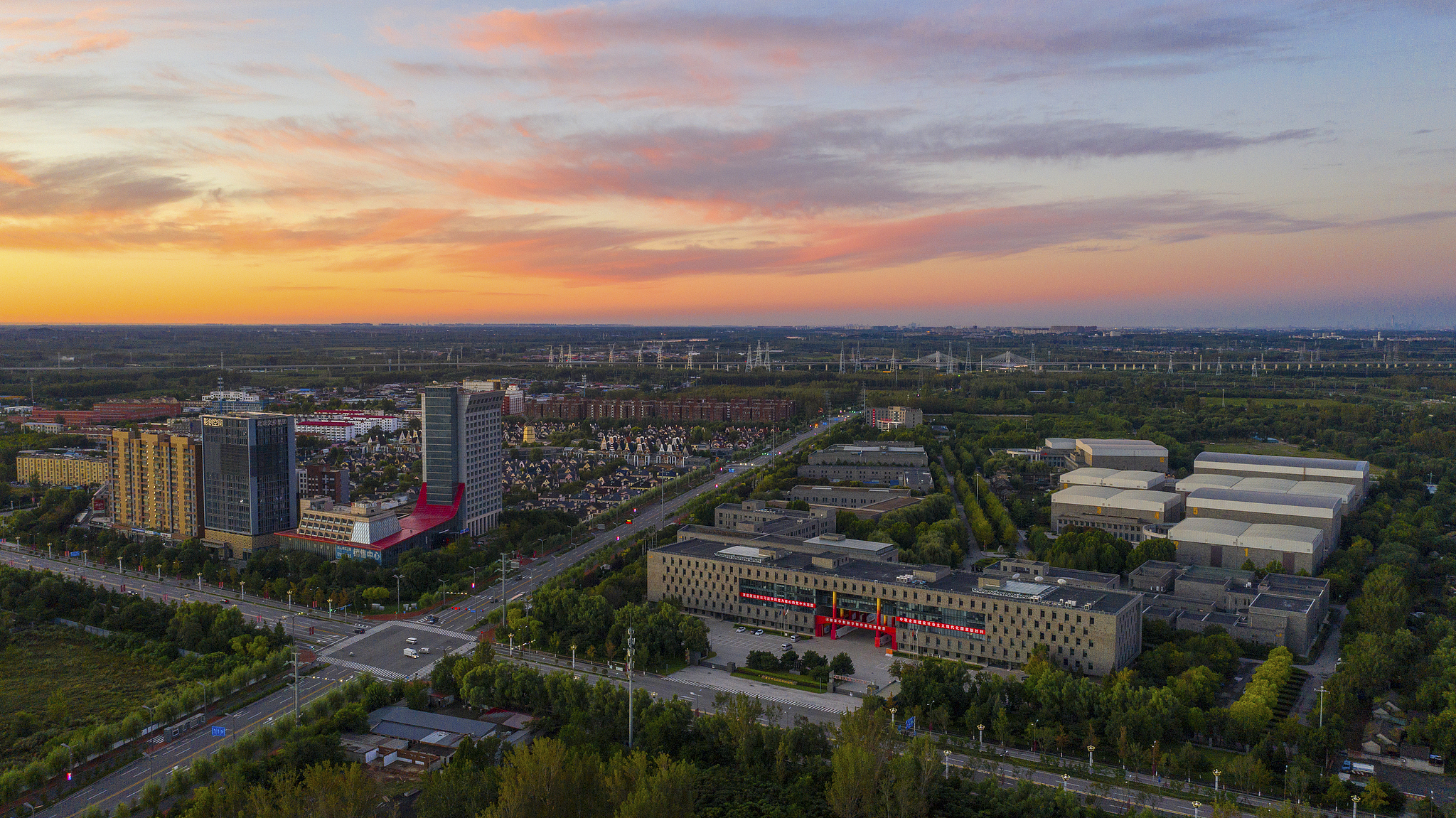
An aerial view of the China (Huairou) Film and Television Base in Beijing. /VCG
Spanning 2,000 square meters, the CreateAI Motion Capture Base at the China (Huairou) Film and Television Base, also known as China Movie Capital, in Beijing, is being put to good use. Equipped with 130 advanced optical motion-capture cameras, the AI studio can achieve sub-millimeter precision and generate 4K models, replete with visible pores, within 15 minutes. The LED virtual studio has transformed the post-production process, increasing shooting efficiency by over 50% and reducing overall costs by 15 to 30%.
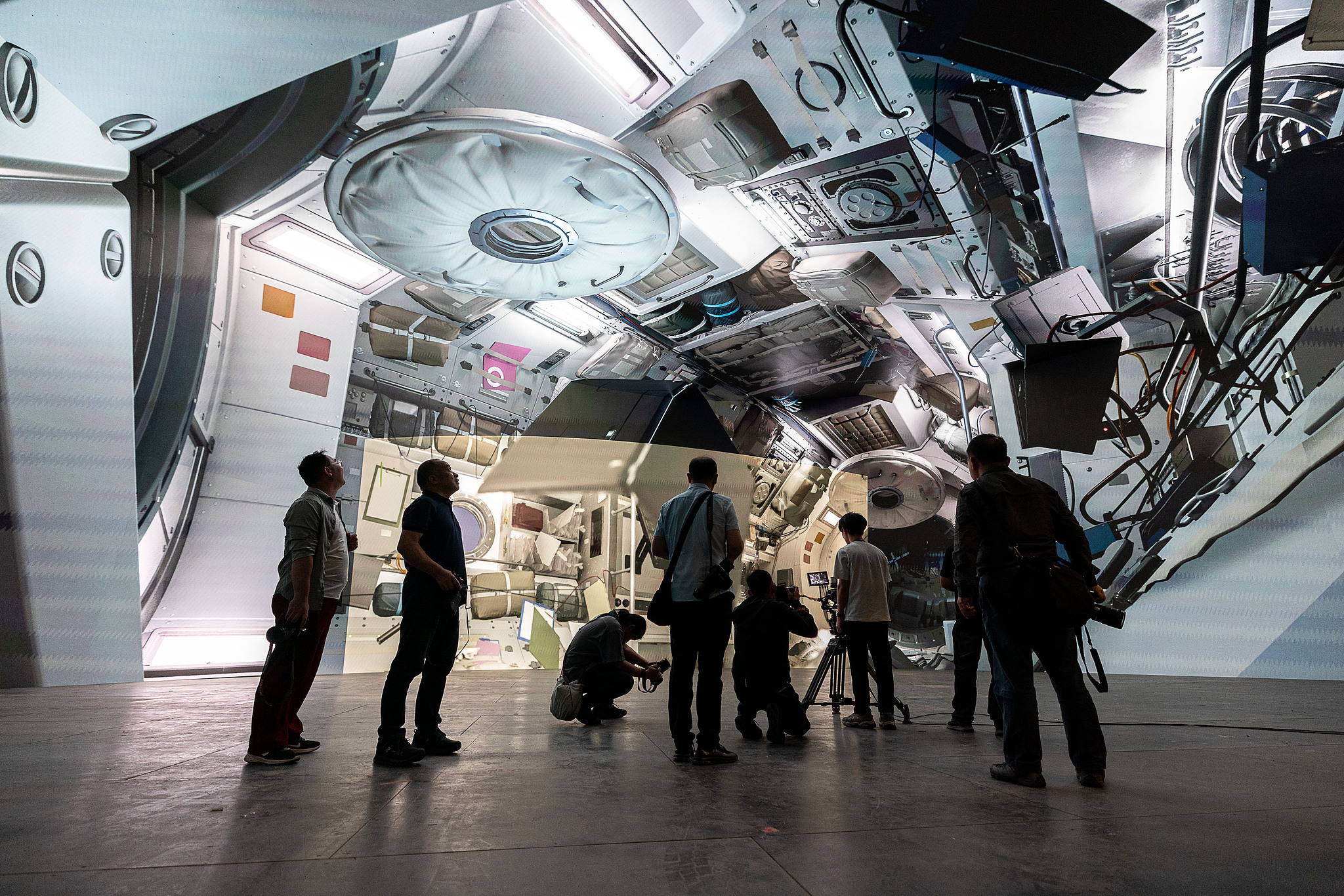
People visit Moganshan AI Film City in Deqing, east China's Zhejiang Province. /VCG
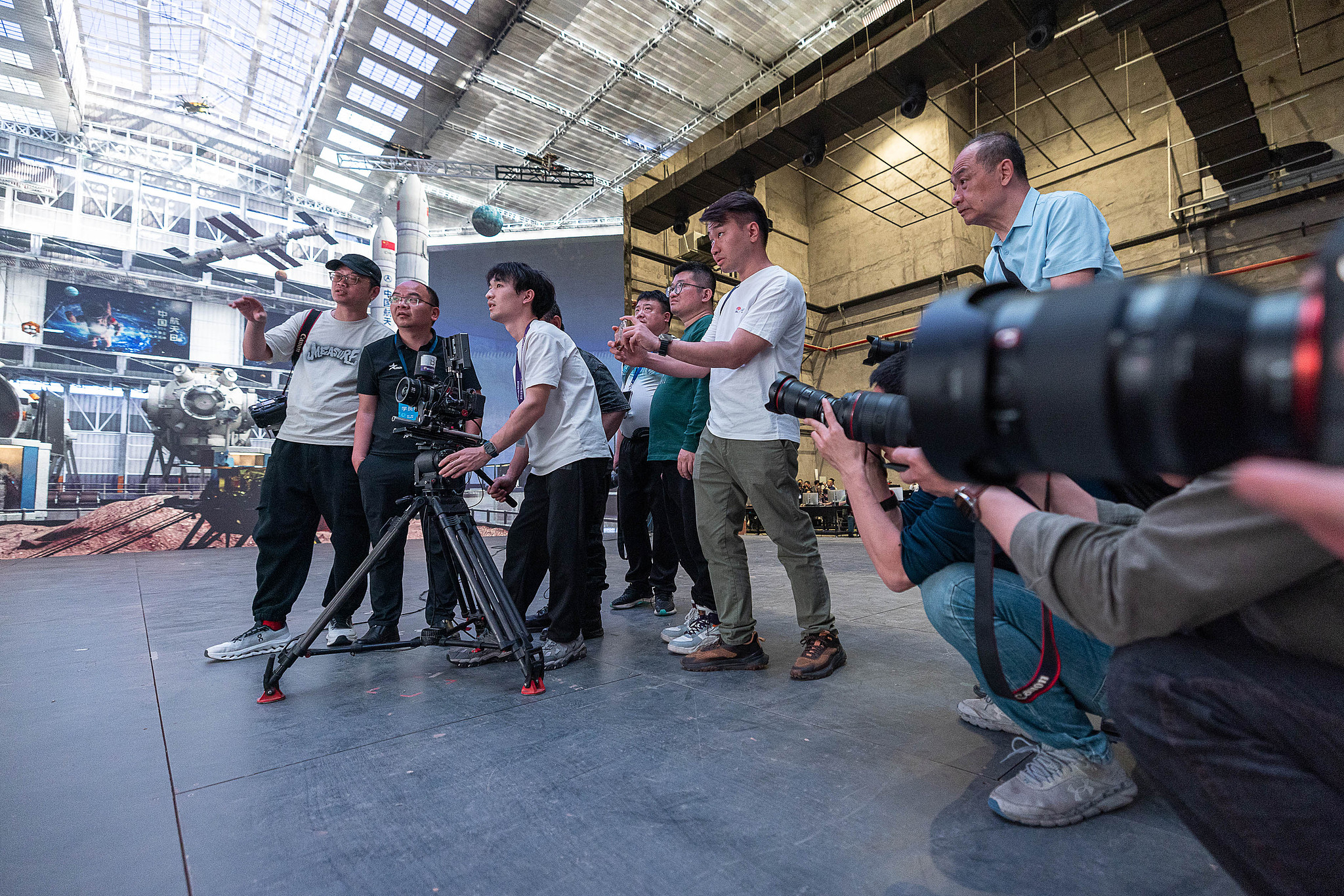
People visit Moganshan AI Film City in Deqing, east China's Zhejiang Province. /VCG
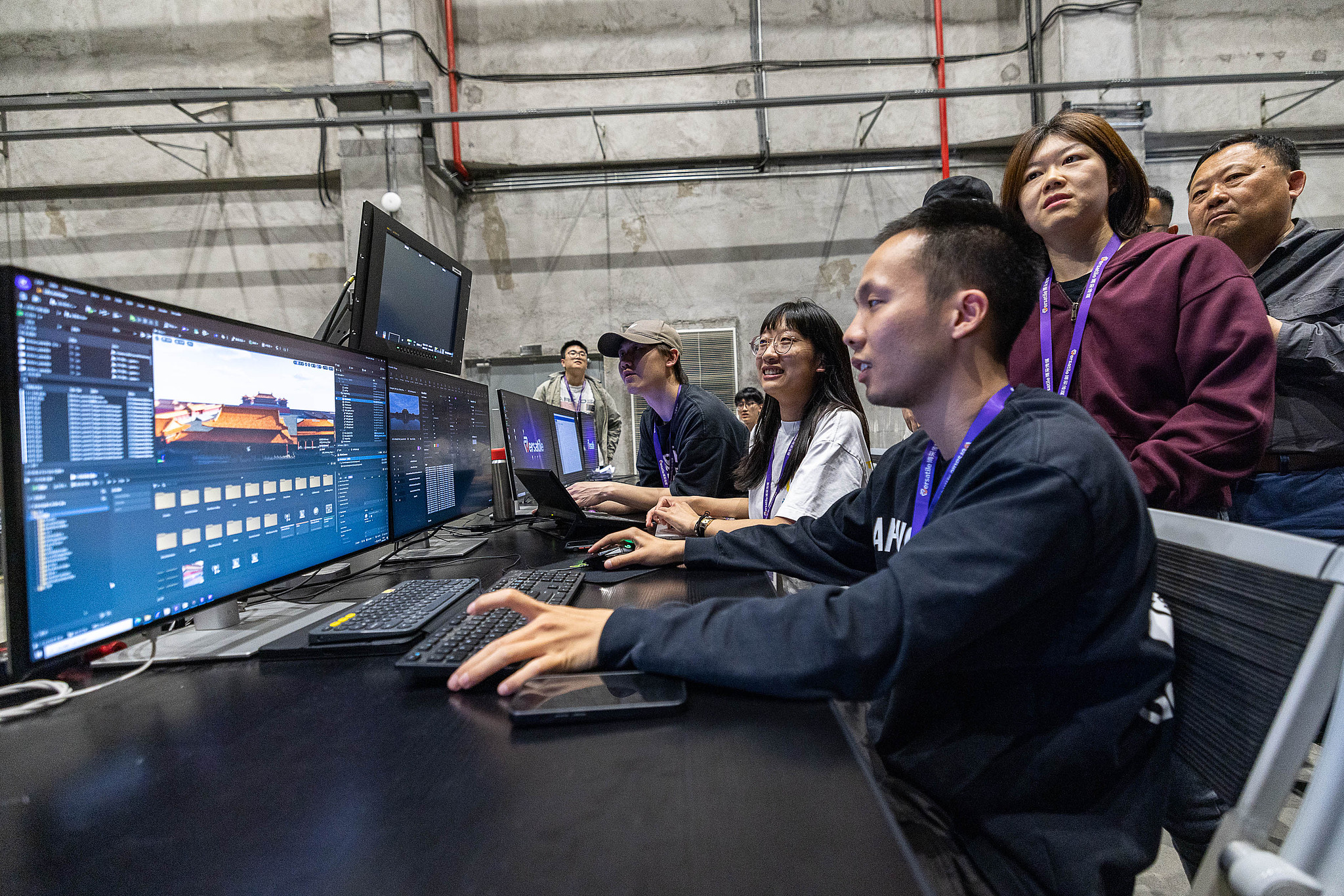
People visit Moganshan AI Film City in Deqing, east China's Zhejiang Province. /VCG
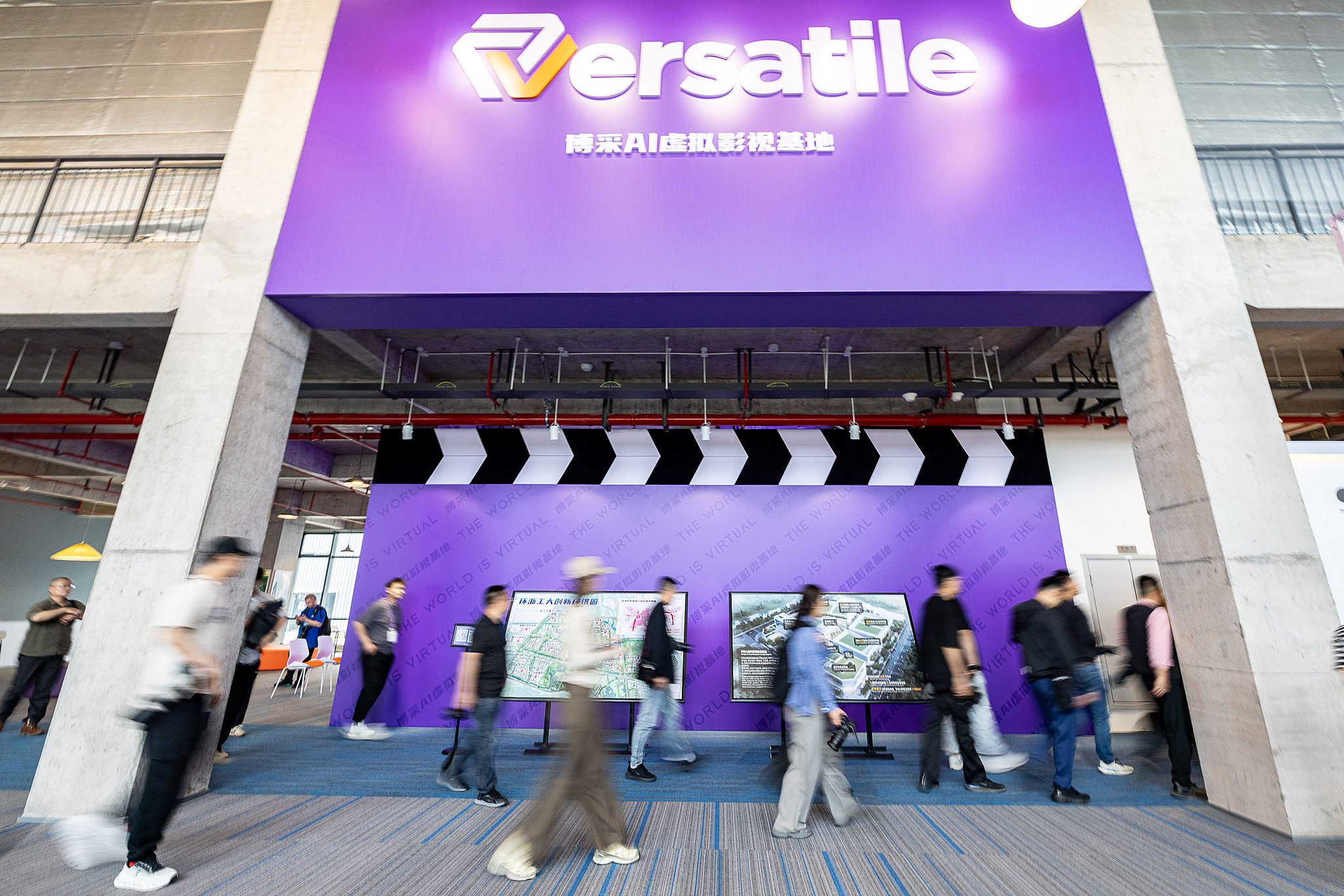
People visit Moganshan AI Film City in Deqing, east China's Zhejiang Province. /VCG
The use of AI in digital content creation is also in full swing at Moganshan AI Film City in Deqing, eastern China's Zhejiang Province. The city is home to the world's largest LED virtual production studio. Here, AI agents can assist with every stage of the creative process, from script breakdown to real-time rehearsals.
And AI is not only being used to create short dramas in China, but also to produce feature films, animations and documentaries. For example, the two popular documentaries Wuyue Kingdom and Exploring Chinese Civilization through Gold and Stone used AI to create virtual historical scenes, from ancient palaces and cities to ritual settings and costumes, enabling filmmakers to shoot period content as if they were filming on location, while maintaining historical accuracy grounded in archaeological research.