


Along Beijing's 7.8-kilometer historic axis

Scenes along Beijing’s Central Axis. (Photos: VCG)
The 7.8-kilometer Central Axis runs through the heart of Beijing, linking many of the city's best-known historic sites. It was added to the UNESCO World Heritage List in July 2024. Since then, work to protect the area has continued, with more historic sites opening to the public.
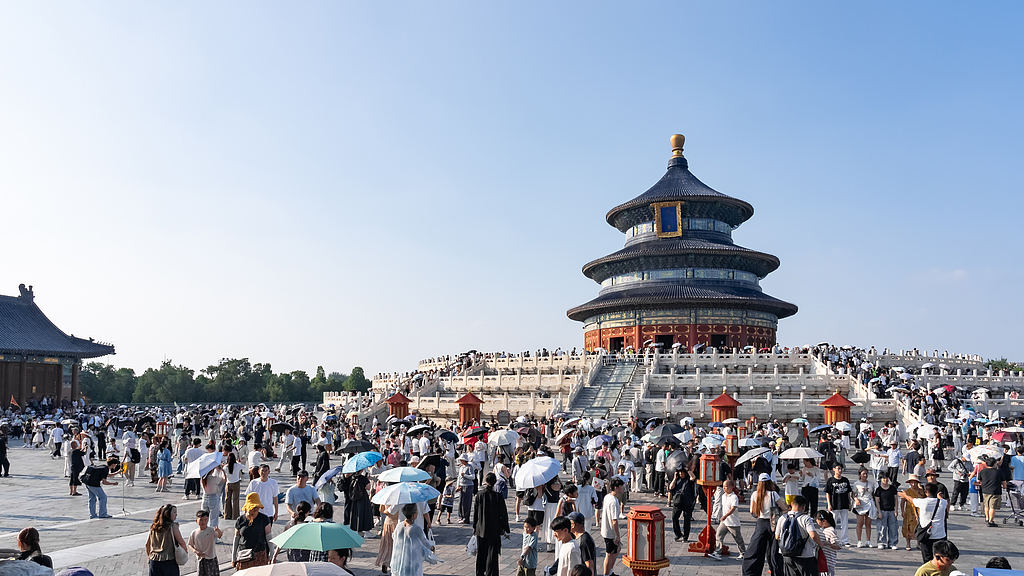
Visitors throng the Temple of Heaven in Beijing on August 24, 2026.
New tools are also being used to protect the historic sites. At the Temple of Heaven, cameras and monitoring devices track changes to historic structures. A digital system covers 15 heritage sites and more than 200 protected buildings along the Central Axis. Traditional restoration work is also continuing. At the Bell Tower, the support structure for a 600-year-old bell was reinforced in June, its first major reinforcement since 1747.
Several sites have also reopened or added new public spaces. The Temple of Heaven now has a new museum with digital displays about imperial rituals and music. The Drum Tower now hosts film screenings and music events.
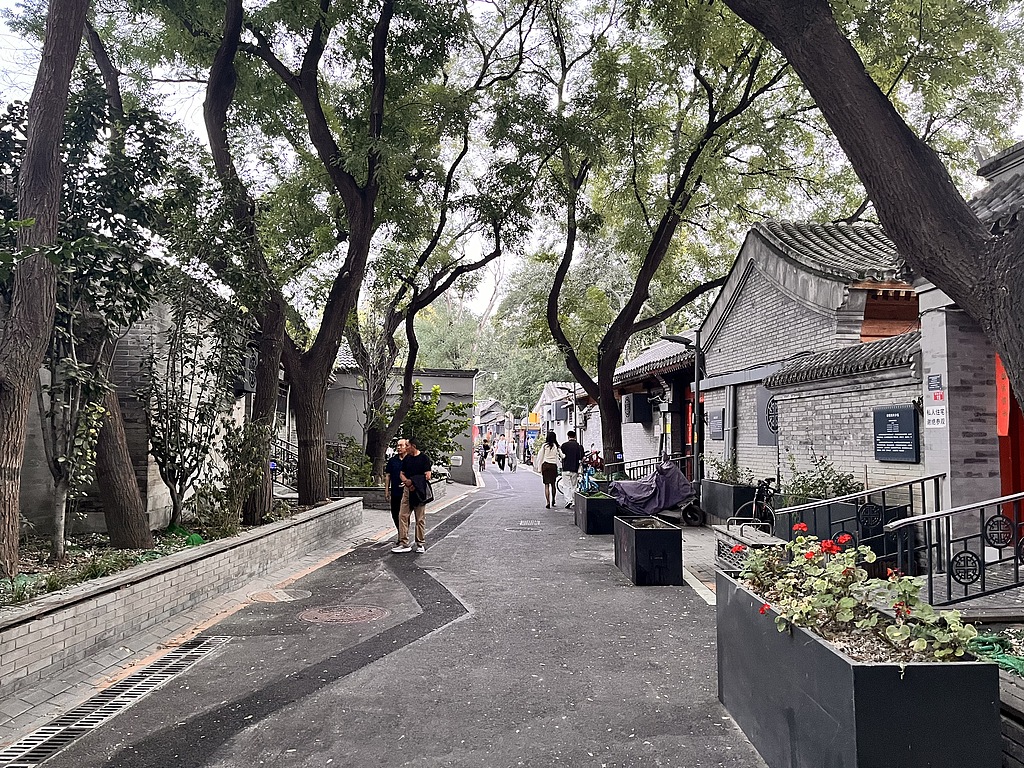
Visitors explore the Fayuan Temple historic neighborhood in Xicheng District on September 19, 2026. Restored hutongs retain the area's traditional character, with Lanman Hutong drawing crowds as a popular spot for city walks.
The work also extends into the old neighborhoods. Hutongs around the Bell Tower have been repaired, with overhead wires moved underground. The Sanlihe waterway near Qianmen has also been restored.