


Crossing the snow-capped mountains: Epic of the Long March
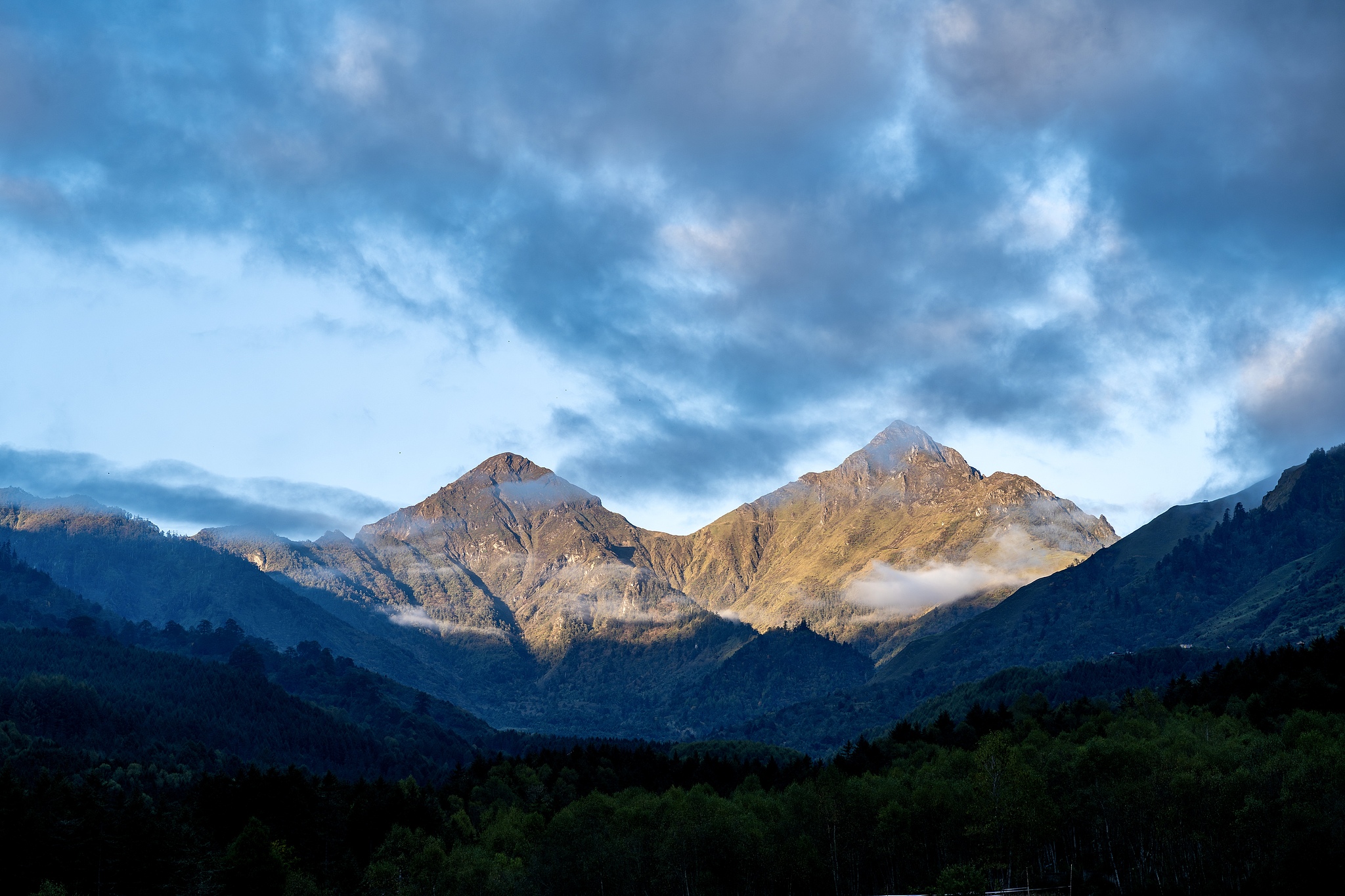
Jiajin Mountain in Ya'an, Sichuan Province, China, October 16, 2025. (Photos: VCG)
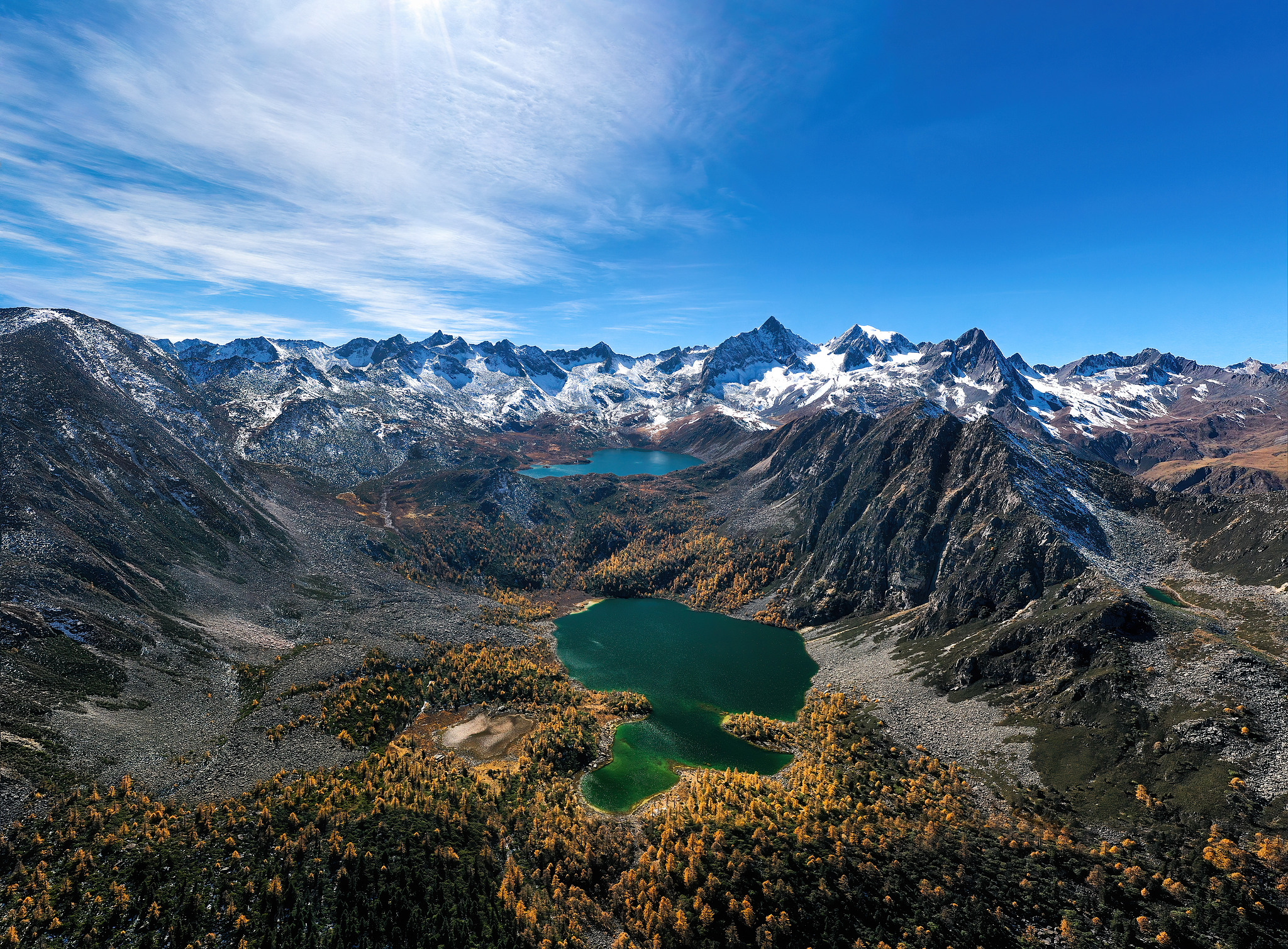
Autumn scenery of Dangling Mountain, Ganzi Tibetan Autonomous Prefecture, China, October 31, 2020.
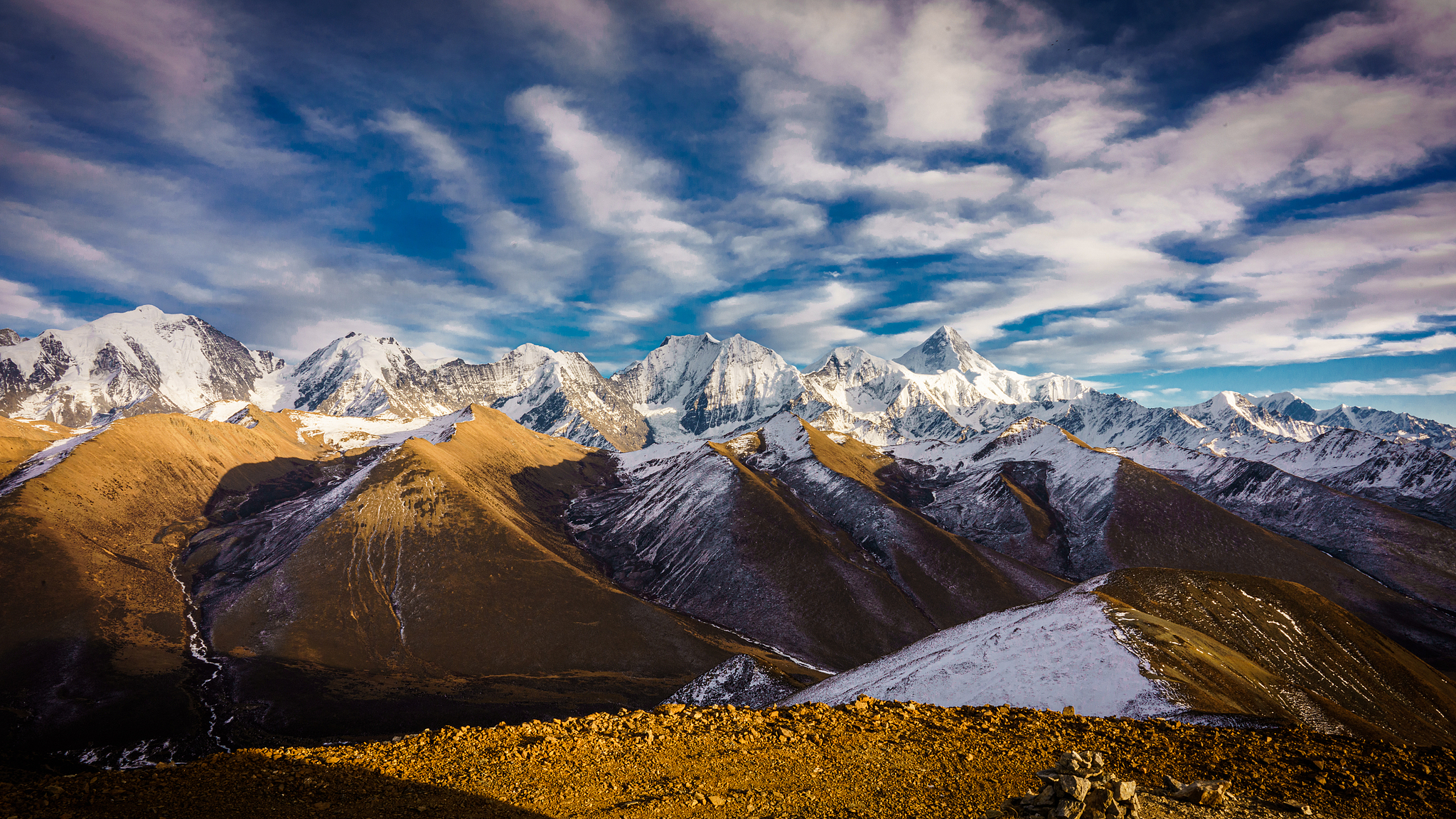
Yaha Mountain, Aba Tibetan and Qiang Autonomous Prefecture, Sichuan Province, China, September 1, 2016.
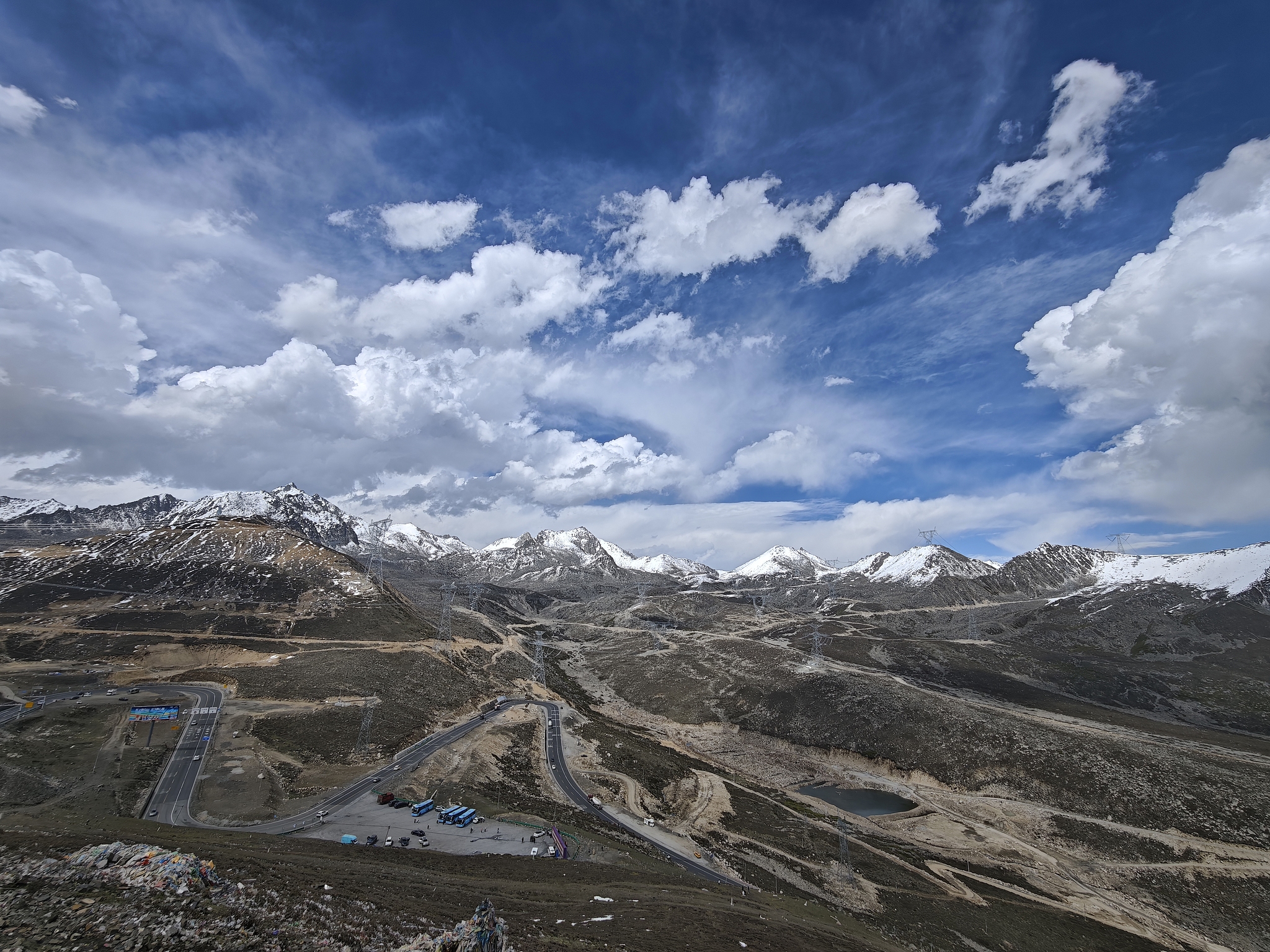
Zheduo Mountain, Ganzi Tibetan Autonomous Prefecture, China, May 21, 2026.
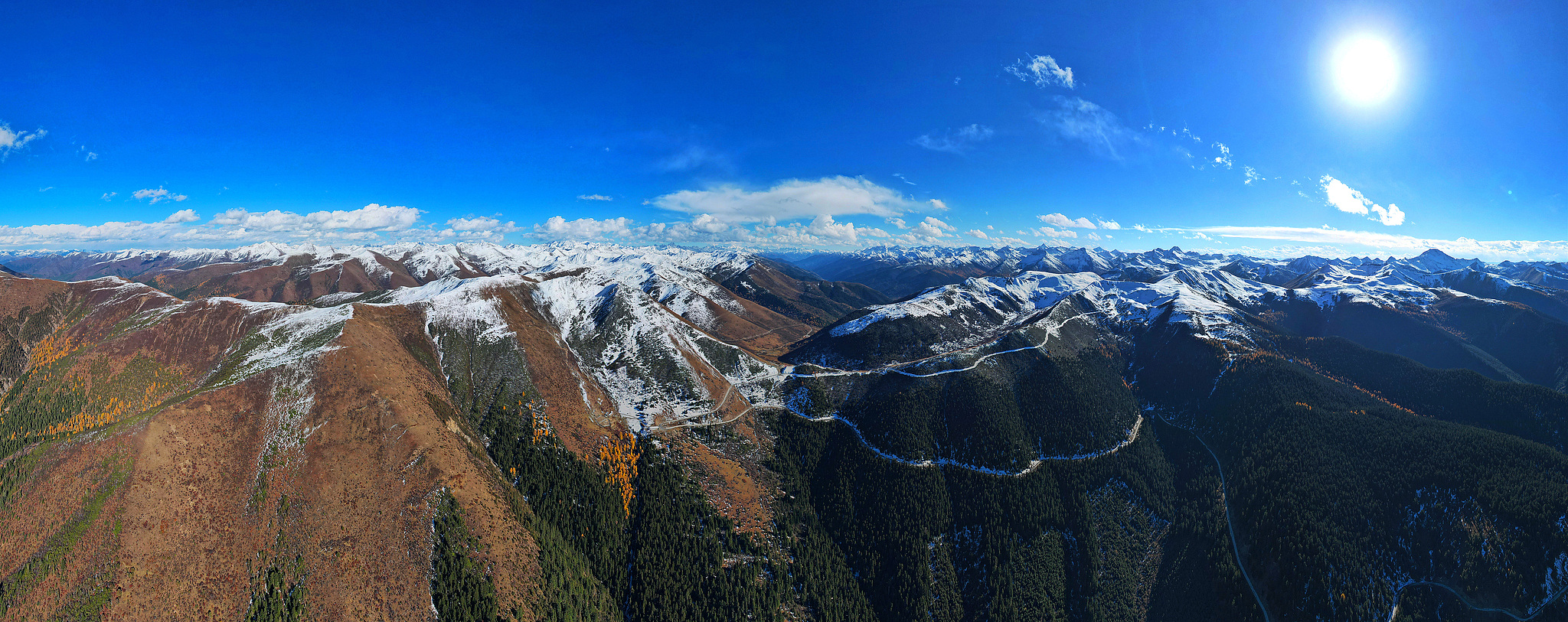
Mengbi Mountain, Aba Tibetan and Qiang Autonomous Prefecture, Sichuan Province, China, November 1, 2025.
During the Long March in the 1930s, the Chinese Red Army endured one of its most brutal ordeals: crossing the freezing snow-capped mountains.
Among these mountains, Jiajin Mountain, which stands at over 4,000 meters, was the first and most famous – it was called a "death mountain" for its deadly altitude and blizzards. Dangling Mountain, which rises more than 5,000 meters, was the highest snow-capped mountain crossed by the three main forces of the Red Army during the Long March. These mountains, together with other peaks, posed a life-and-death test of endurance.
High-altitude peaks brought biting winds, thin air and freezing temperatures. Soldiers wore thin uniforms and carried heavy equipment, marching through deep snow. Many suffered from altitude sickness, frostbite and hunger. Yet they pressed forward, supporting one another, refusing to yield to the harsh conditions. These snow-covered mountains were not just geographical barriers, but a formidable challenge for the revolutionary forces.
This arduous journey forged the indomitable spirit of the Red Army – perseverance, solidarity and unyielding faith