


Fudan University opens major retrospective devoted to scholar-calligrapher Wang Quchang
Fudan University in Shanghai launched a major retrospective devoted to scholar-calligrapher Wang Quchang at its Fudan Art Museum on Oct 24.
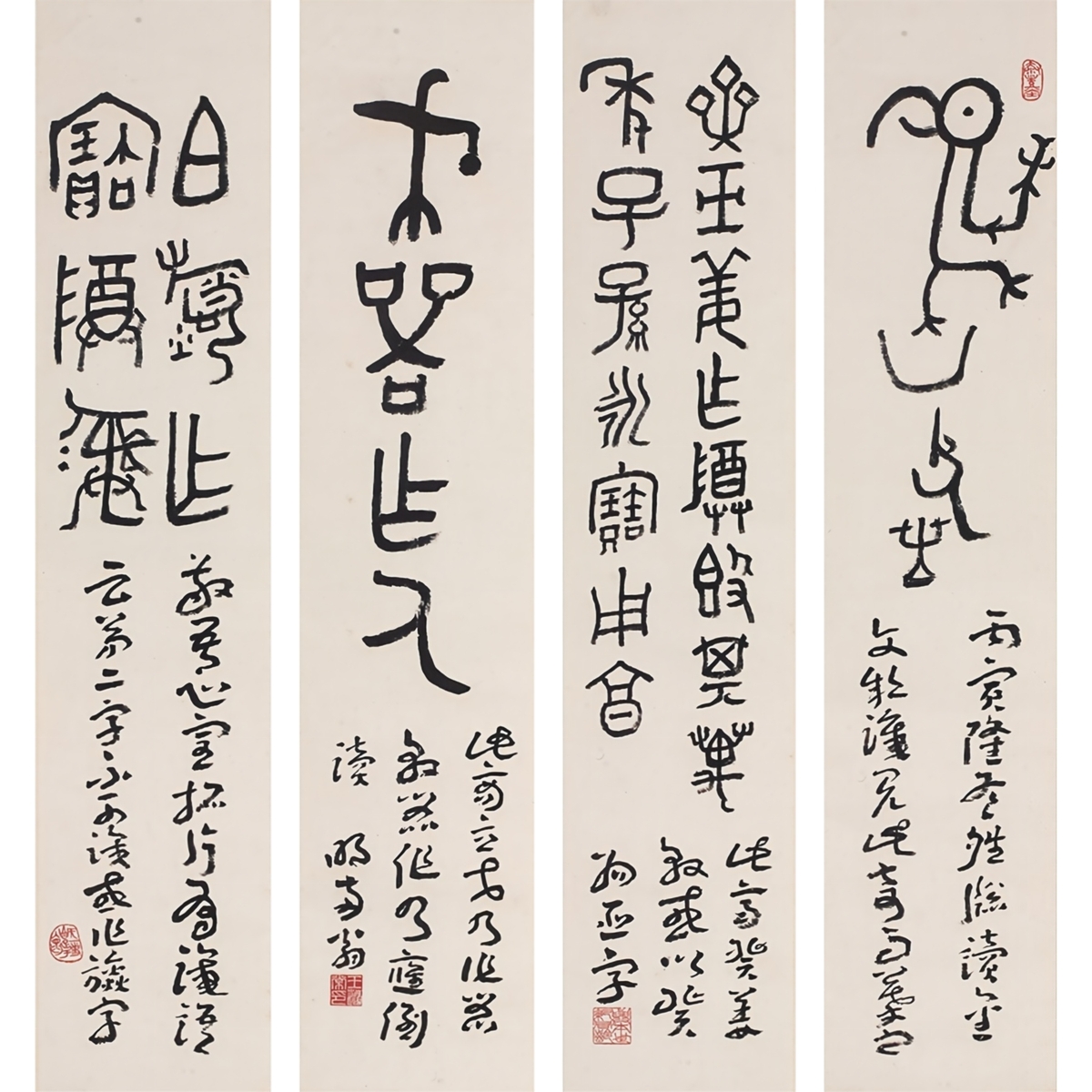
A calligraphy piece by Wang Quchang, a renowned philosopher, historian and calligrapher who taught at Fudan University for decades. (Photo: China Daily)
Wang Quchang (1900–1989), a native of Jiaxing in Zhejiang province, was a renowned philosopher, historian and calligrapher who taught at the university for decades.
On view until March 25, the exhibition is jointly organized by the School of Philosophy, the Fudan Art Institute and the Fudan Art Museum. Titled The Scholarship and Calligraphy Art of Wang Quchang, it presents his achievements in both fields.
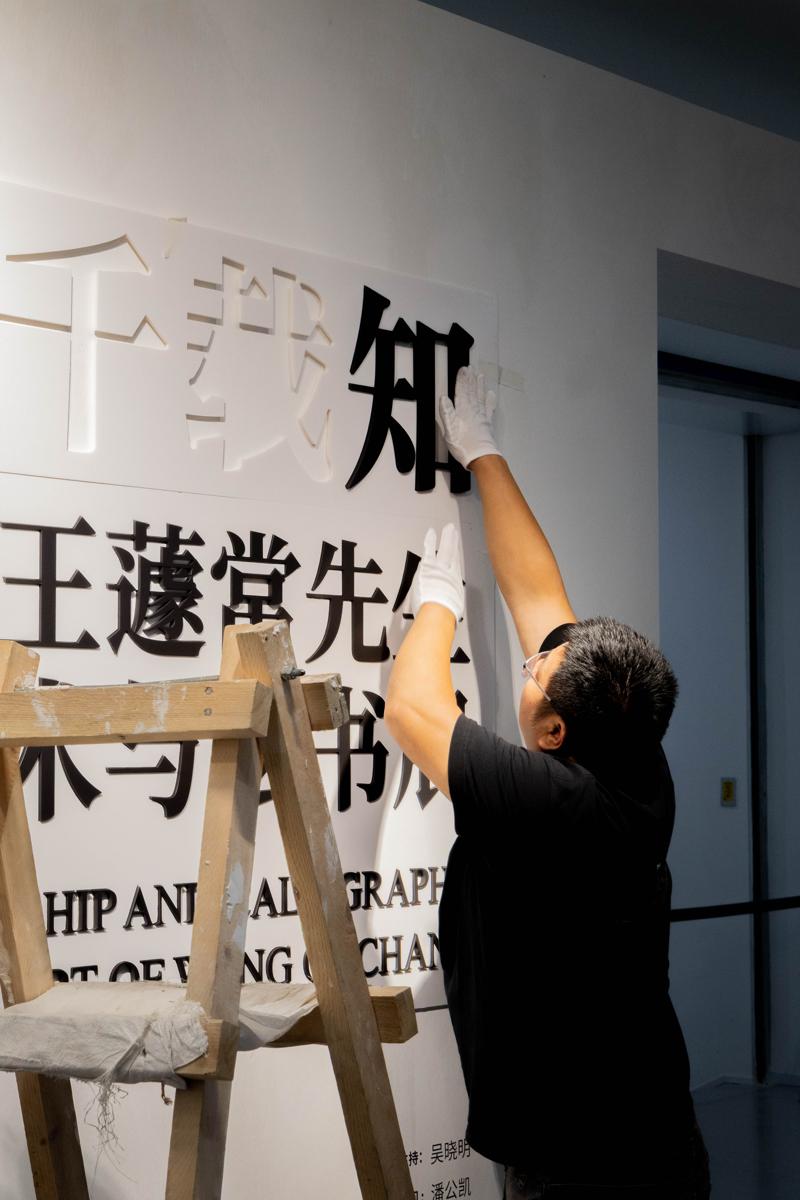
The preparations for the exhibition. (Photo: China Daily)
More than 100 artworks, manuscripts, letters and personal documents — some on public display for the first time — unfold across four chapters. Together they reveal a rich, multifaceted character through four roles: scholar, poet, patriot, and calligrapher. Highlights include the eight hanging scrolls of "Song of Righteousness" (Zhengqi Ge), the poem by Song-dynasty (960-1279) loyalist Wen Tianxiang (1236-1283), which Wang wrote in 1987, and the album of his 1982 preface to Ma Guoquan's Zhangcao Dictionary.
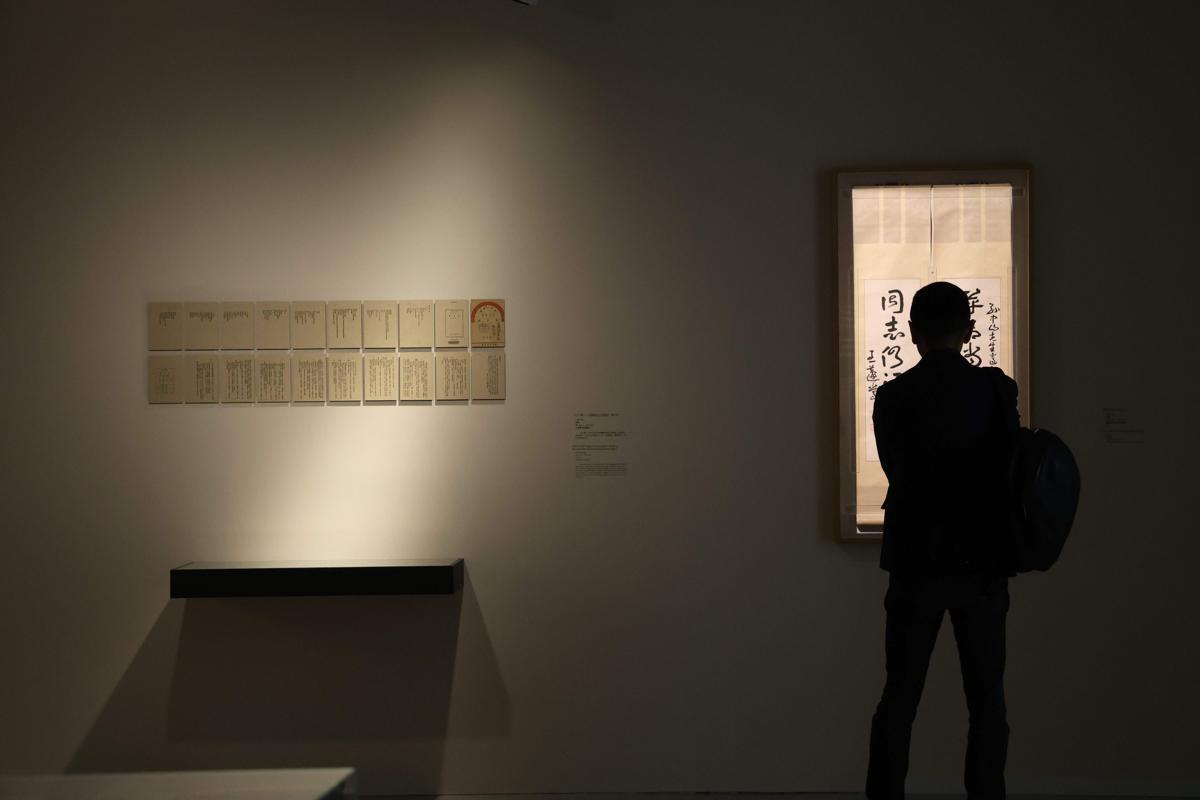
The exhibition marks the first comprehensive retrospective of scholar-calligrapher Wang Quchang, showcasing his achievements in both fields. (Photo: China Daily)
Zhangcao, an early form of Chinese cursive script that grew out of clerical script, had nearly become a lost art before Wang took it up. Drawing on Qin and Han dynasty seal and clerical scripts as well as bamboo and silk manuscripts, he breathed new life into the thousand-year-old form.
"His calligraphy has been shown at venues across Shanghai before," Sun Xiangchen, executive dean of the Fudan Art Institute and one of the exhibition's curators, said, "but this is the first time an exhibition offers a comprehensive view of his achievements in both scholarship and calligraphy."
Among the important exhibits are works on loan from the Liaoning Provincial Museum and manuscripts donated by Wang's family.