


For 13 years, Guo Haibo, a villager from Kongjiajiao village, Licheng county, North China's Shanxi Province, has climbed cliffs, braved icy rivers, and combed rocky crevices — all to bring home the remains of fallen soldiers who fell over 80 years ago.
Armed only with a sickle and a cloth bag, 51-year-old Guo has recovered 25 anonymous remains from the Taihang Mountains in Licheng county, where fierce battles once raged during the Chinese People's War of Resistance Against Japanese Aggression (1931-45).
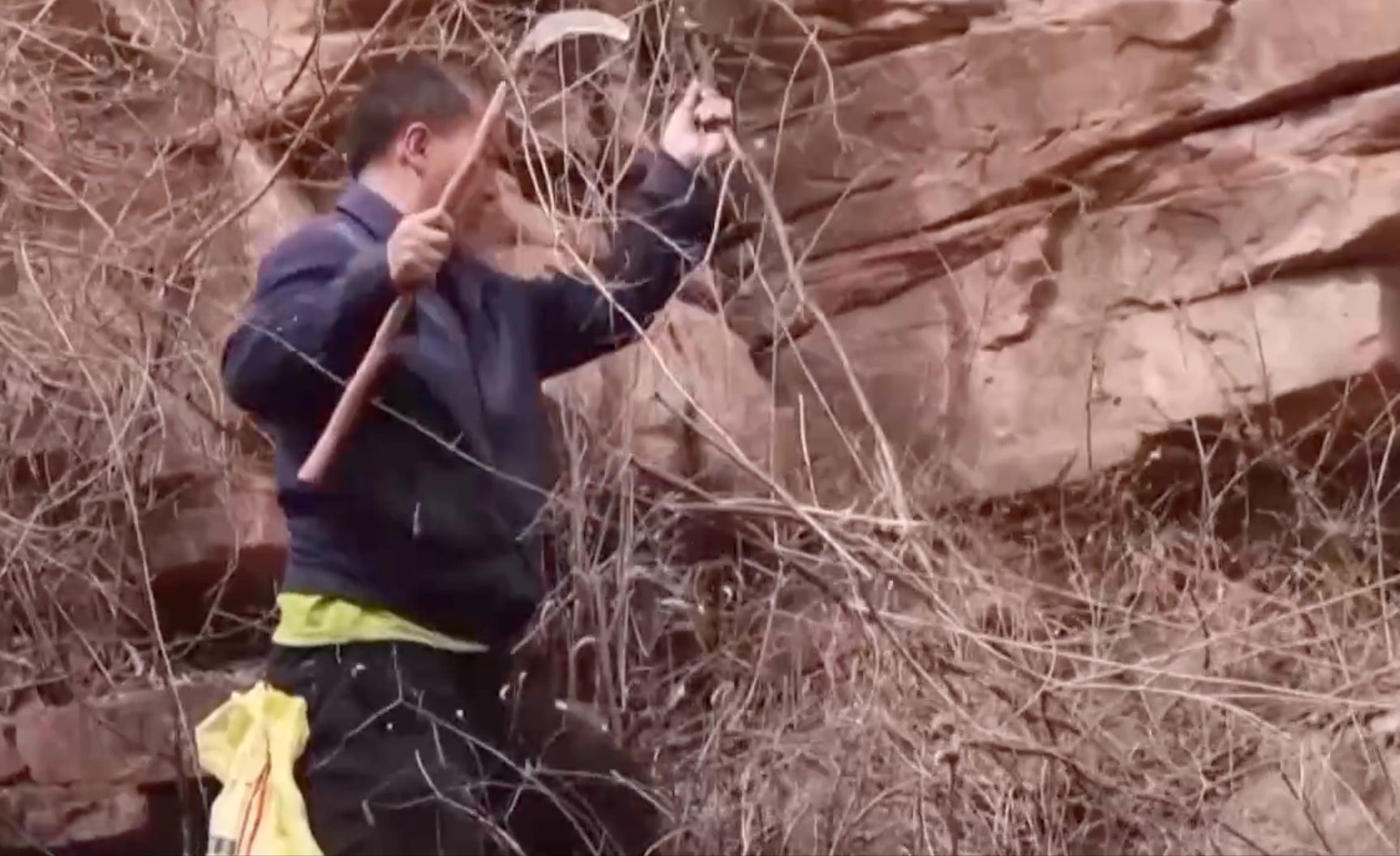
Guo navigates a rugged ountain path in search of fallen soldiers' remains among the Taihang mountains. (Photo: CCTV)
Awakening forgotten memories
Shanxi Province was a key battleground during the war. The Eighth Route Army’s headquarters and its famed 129th Division operated extensively among the Taihang Mountains, commanding campaigns such as the Huangyadong Defense Battle, where Chinese troops fought eight grueling days and nights against an enemy five times their size.
During the war, the roar of artillery, gunfire, and explosions echoed day and night without pause. Thick smoke blanketed the battlefield, while buildings fell and shattered into rubble.
Countless soldiers sacrificed their lives in the mountains, but many never recovered or were remembered — until Guo made it his mission to change that.
Having grown up hearing elders recount the fierce battles fought by the Eighth Route Army, Guo was profoundly struck when, for the first time, he came upon the remains of a fallen soldier in the wilderness — a moment that compelled him to take action.
“I just want to bring these heroes home,” he said, a flicker of sorrow shadowing his eyes. “They’ve been left alone and forgotten in the mountains for decades.”
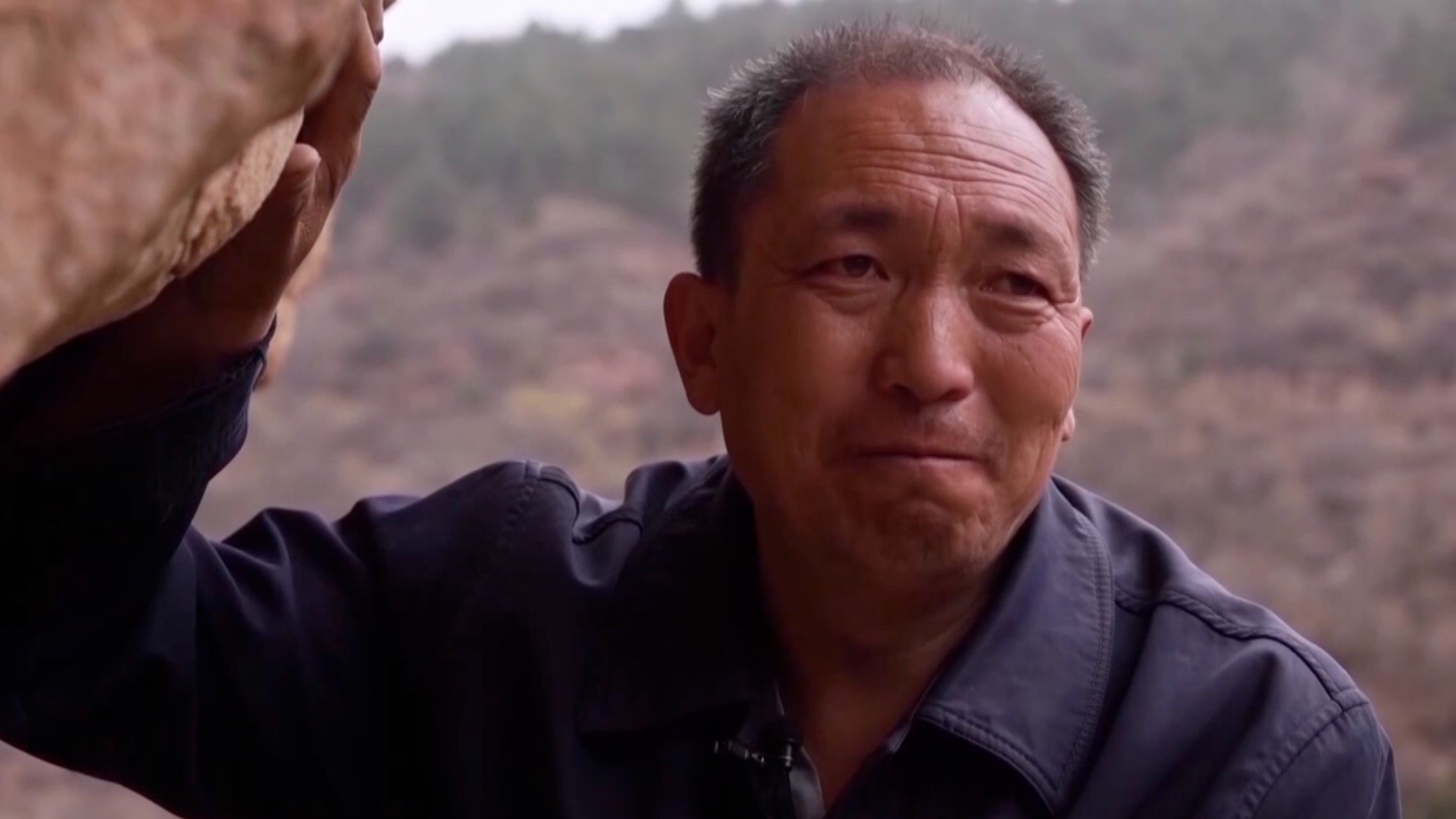
Guo quietly honors the sacrifices of those who never returned. (Photo: CCTV)
Since 2012, Guo has trekked alone through steep, often treacherous terrain — sometimes climbing slopes with gradients as high as 70 degrees — hacking through thorny underbrush with his sickle.
Over the years, he has crossed hundreds of mountain ridges and inspected more than a thousand such rock formations.
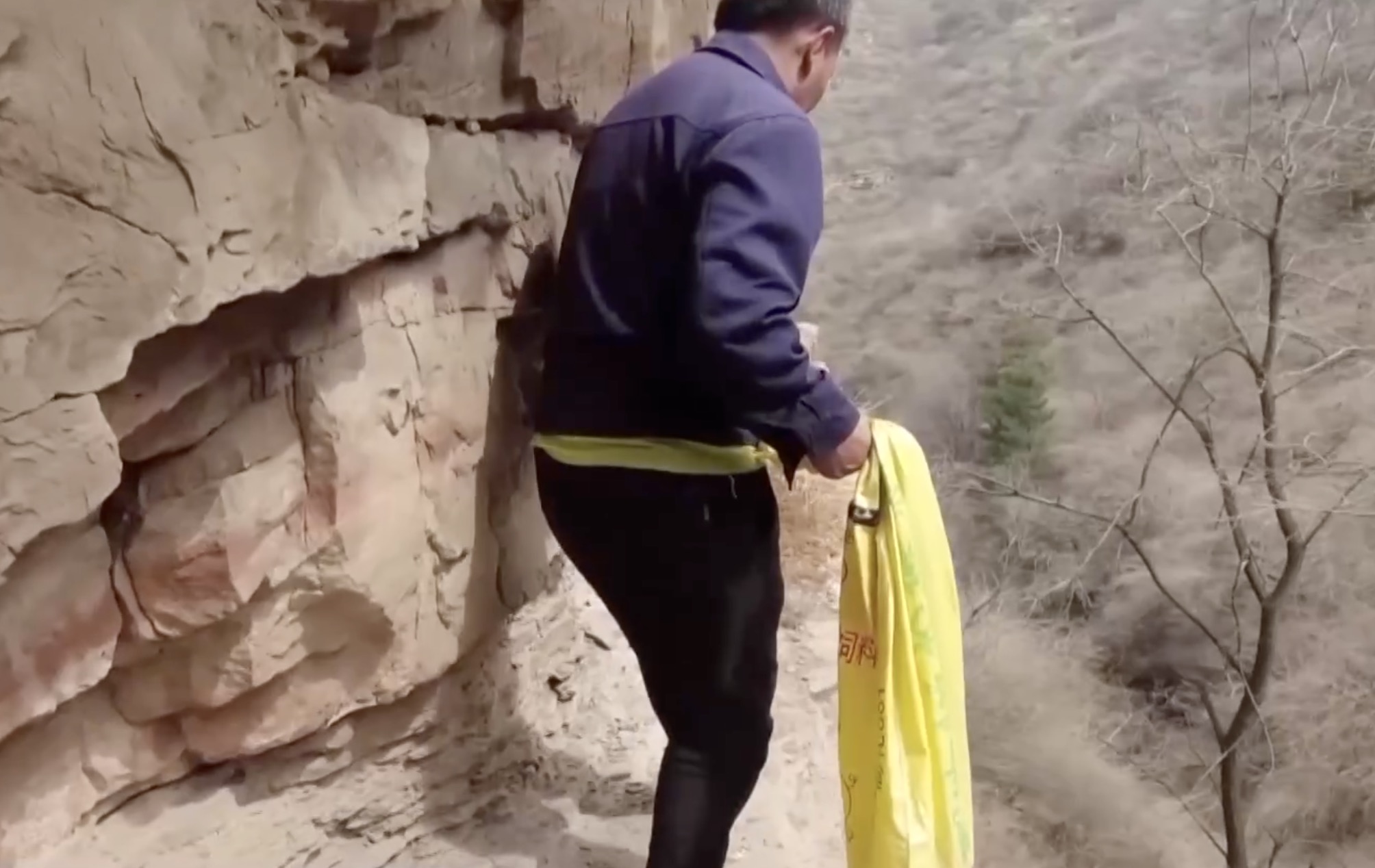
Guo makes his way along a narrow mountain trail among the Taihang Mountains. (Photo: CCTV)
Every time on the narrow and dangerous trail back, Guo carried the remains on his back with utmost care, determined to give these fallen soldiers — long lost to history — a proper rest, and a path home.
A family tied to the war
During the war, Guo’s great-grandfather served as a village official and doctor, managing supplies and providing medical care for the Eighth Route Army.
Hidden beneath Guo’s family home were thousands of handwritten ration logs, accounting books, and refugee relief slips — many issued by the 129th Division. Some of these yellowed documents survive to this day, worn but legible.
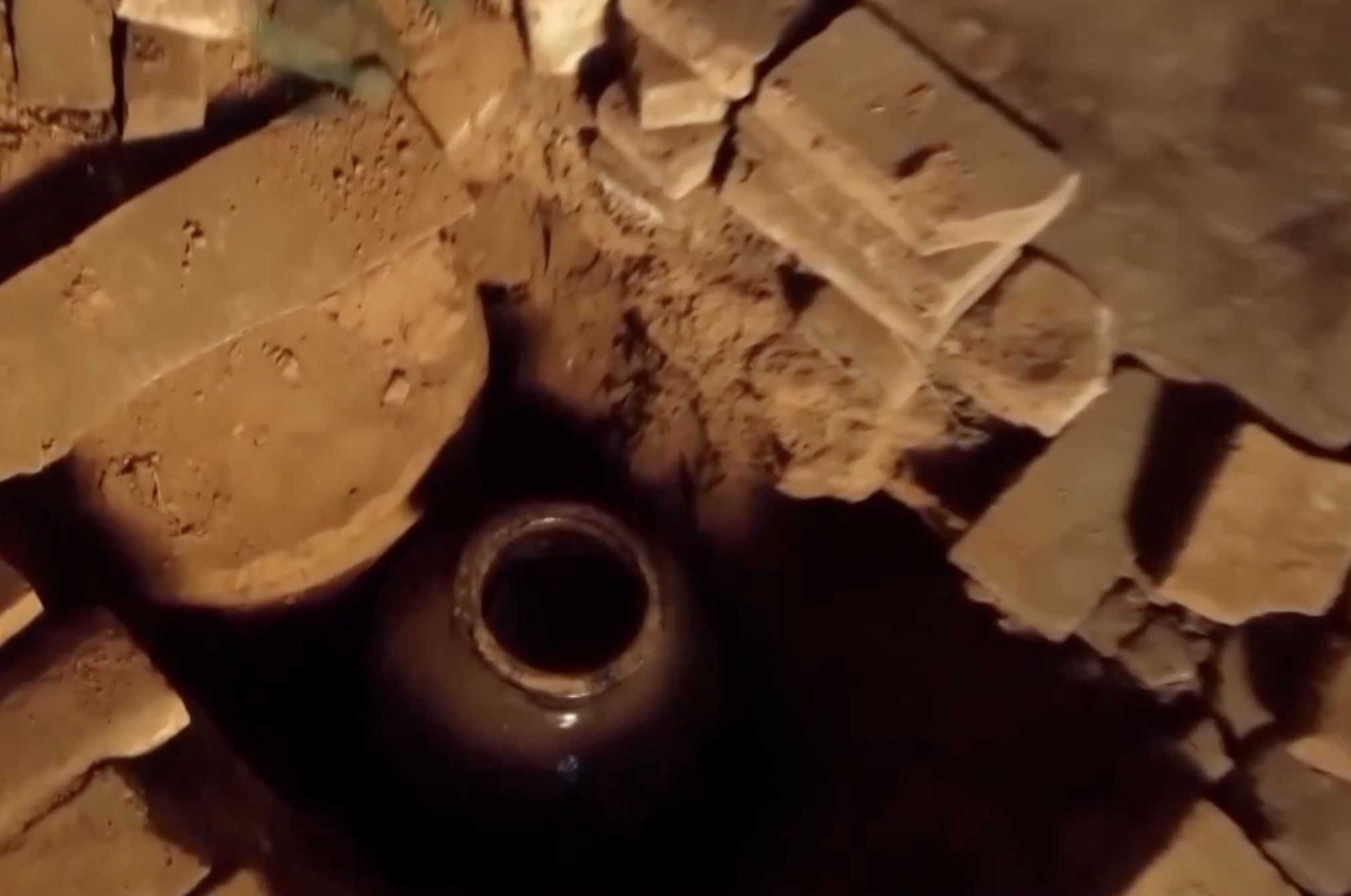
A storage area beneath Guo's home where old bills and ledgers are kept. (Photo: CCTV)
Guo remembers old veterans visiting from across China to see his great-grandfather and revisit those ledgers. The old bills and ledgers were taken out again and again, each telling fragments of a story too important to forget.
“These were the grain vouchers and refugee aid slips my great-grandfather kept,” Guo explained, showing faded records. “When the Japanese came to raid the villages, they captured civilians and threatened them at gunpoint, trying to force them to reveal where the soldiers’ grain was hidden. But not one villager gave in. They protected the army with their lives.”
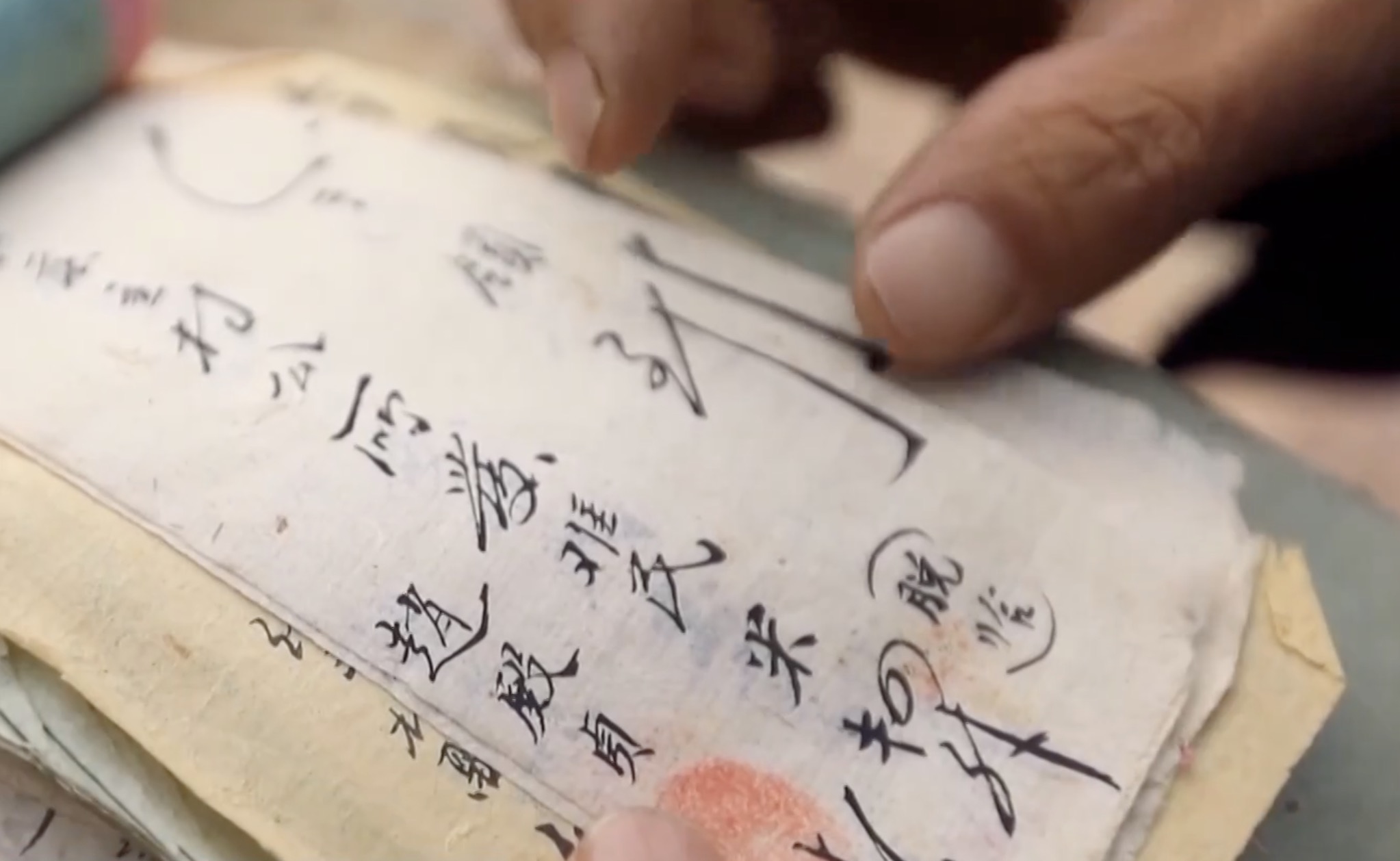
Ration slips issued by the Eighth Route Army to refugees. (Photo: CCTV)
Today, the remains of the fallen soldiers recovered by Guo are carefully laid to rest in a memorial cemetery in Kongjiajiao village.
The gravestones bear no names, but the villagers know who they are: soldiers who laid down their lives to secure the peace that endures today.
“The search for the Eighth Route Army’s remains is far from over,” Guo said. “In times of peace, it is all the more important that we do not forget those who sacrificed everything for people.”