


Asian Games 2026: A guide on what to watch
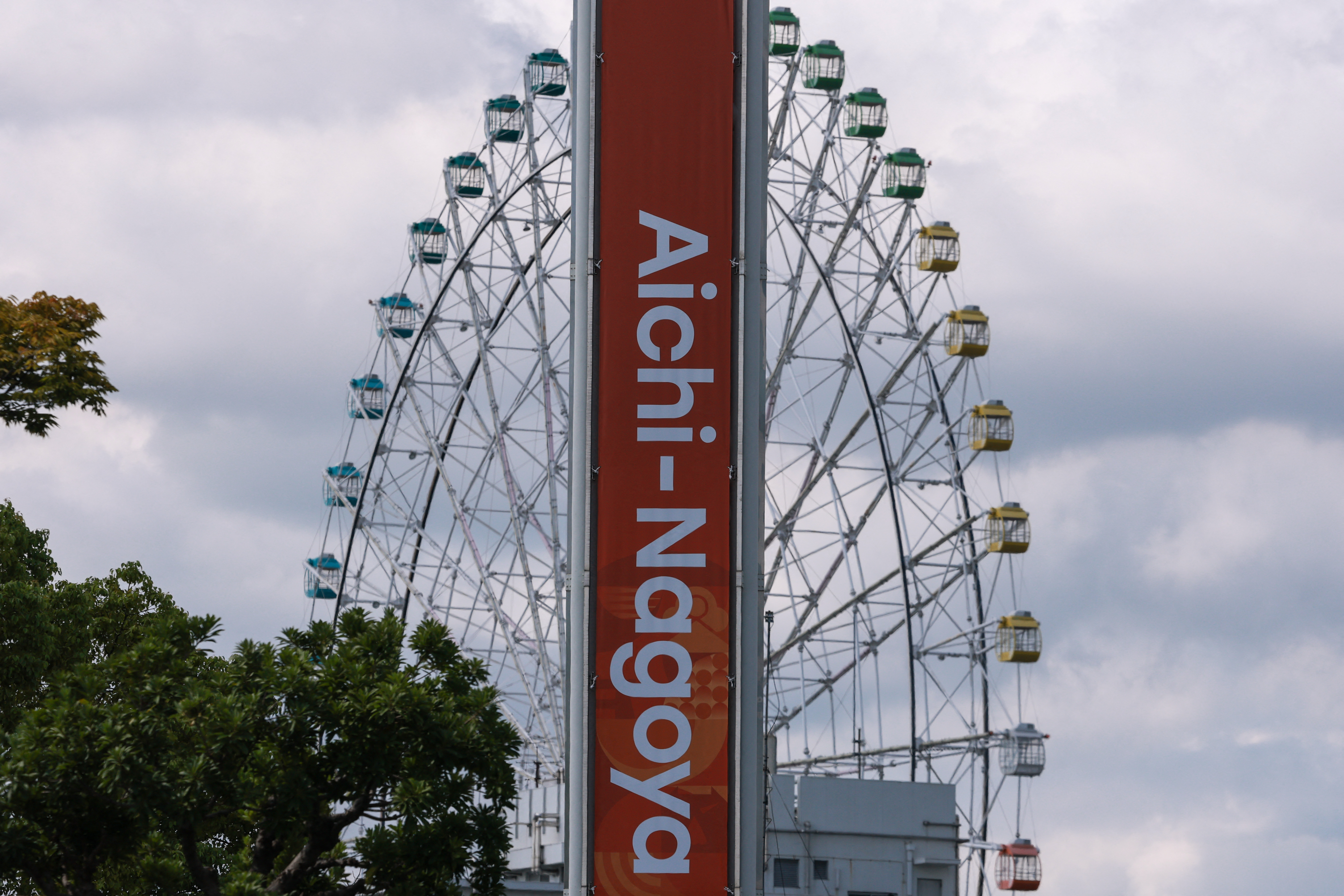
A ferris wheel is seen behind signage for the 2026 Asian Games in Nagoya, Aichi Prefecture on September 17, 2026. (Photo: AFP)
For sports lovers across Asia, the Asian Games always generate a wave of anticipation and shared enthusiasm -- not only because of their four-year cycle but also because of their ability to bring together athletes and audiences from diverse backgrounds onto one continental stage.
Here are a few things to watch when this year's biggest multi-sport gathering in Asia gets underway in Japan's Aichi Prefecture and Nagoya between September 19 and October 4.
China aims for a 12th consecutive gold medal table lead
China has dominated the Asian Games gold medal table for decades, finishing first in every edition since 1982 in New Delhi and setting a record with 201 gold medals at the last edition in Hangzhou.
The same overall dominance is expected with this edition. During the inaugural meeting of the Chinese delegation for the Aichi-Nagoya Asian Games earlier this month, Gao Zhidan, director of China's General Administration of Sport and chef de mission of China's delegation, said that China will strive to maintain its leading position at the 2026 Asian Games.
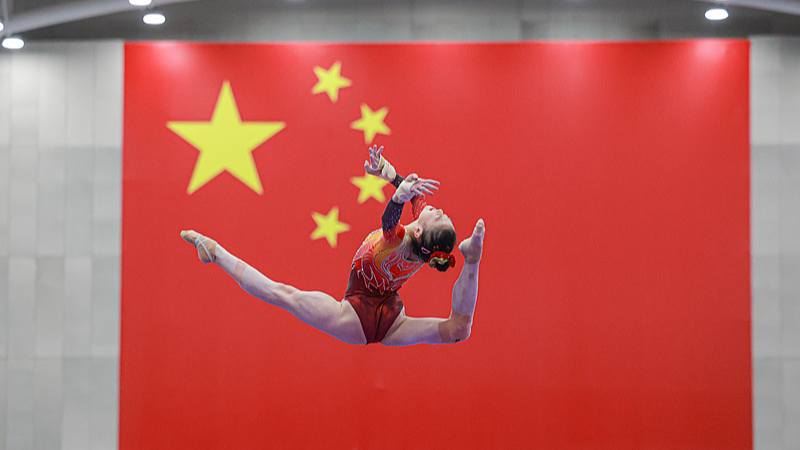
The Chinese women's artistic gymnastics team held practice trials for the Nagoya Asian Games and Rotterdam World Gymnastics Championships at the Training Bureau of the General Administration of Sport of China on September 3, 2026. This photo shows Chinese artistic gymnast Ke Qinqin. (Photo: VCG)
This time, China is sending 815 athletes -- 404 women and 411 men -- to compete in 38 sports and 369 events. Of them, 548 are making their Asian Games debut, while 306 have previous Olympic or Asian Games competition experience.
Thirty‑six Olympic champions from 13 disciplines, including swimming, artistic swimming, badminton, boxing, rhythmic gymnastics, trampoline, shooting and volleyball, are set to take part in the Games.
Among them, several athletes have claimed gold medals at both the Tokyo and Paris Olympics. The list includes table‑tennis players Sun Yingsha and Wang Manyu, divers Chen Yuxi and Wang Zongyuan, gymnast Zou Jingyuan, sprint canoeist Sun Mengya and weightlifter Li Wenwen.
For the Chinese team, the 2026 Asian Games also serve as a crucial mid-cycle test and valuable competitive platform in preparation for the 2028 Los Angeles Olympics.
Japan vs South Korea on gold medal tally
While China's continued dominance at the top of the gold medal table is widely expected, the contest for second place carries far greater intrigue.
Since the 1982 New Delhi Asian Games, Japan and South Korea have long contested the runner-up position. Over the past 11 editions, South Korea finished second seven times and Japan four times. At the most recent three Games, Japan took second place in both Jakarta and Hangzhou, while South Korea's last second-place finish came on home soil at the 2014 Incheon Games.
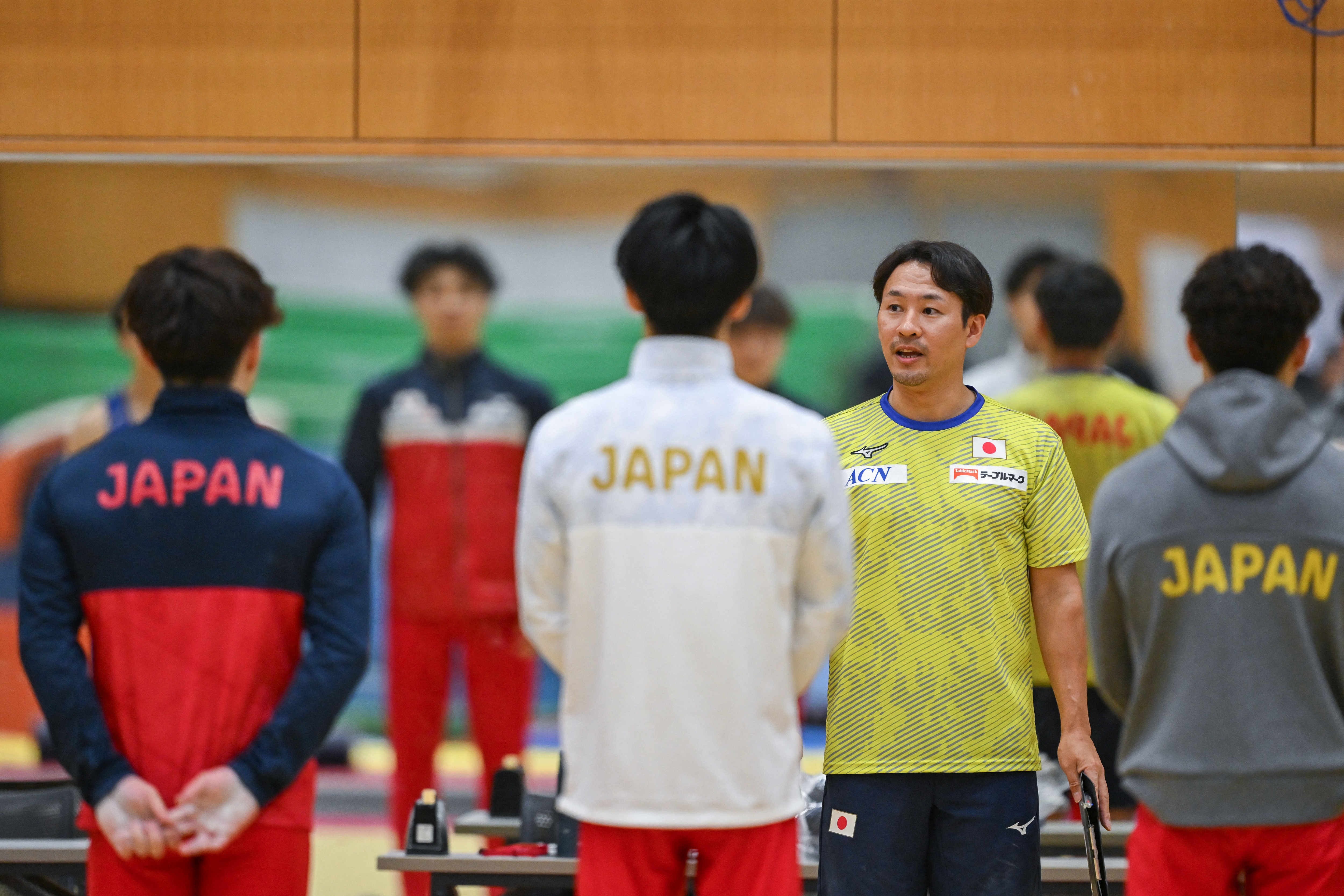
A member of the coaching staff speaks to members of the Japan gymnastics team as they hold a training exhibition for the media ahead of the Aichi-Nagoya Asian Games in Tokyo on September 9, 2026. (Photo: AFP)
Host Japan is fielding 932 athletes across all 43 sports. At the Hangzhou Asian Games, Japan won 52 gold, 67 silver and 69 bronze medals to finish second. This time the Japanese team has set a clear goal of surpassing its Hangzhou performance.
South Korea is sending 792 athletes to compete in 41 sports -- its highest number of sports at an Asian Games. The team aims to finish in the top three overall and target 40-45 gold medals, while seeking to close the gap with Japan.
In Hangzhou, South Korea won 42 gold, 59 silver and 89 bronze medals. Although it trailed Japan in golds, it surpassed Japan in total medals with 190.
Competition for places in the second tier of the gold medal table remains intense. Eight years ago in Jakarta, host Indonesia finished fourth with 31 golds, followed by Uzbekistan (21), Iran (20), Chinese Taipei (17) and India (15), while Thailand ranked only 12th. In Hangzhou, India (28 golds), Uzbekistan (22), Chinese Taipei (19), Iran (13) and Thailand (12) occupied the fourth to eighth places, reflecting the shifting balance of power in Asian sports.
India now retains clear strengths in cricket, boxing and hockey, while Uzbekistan remains formidable in boxing, judo and wrestling. These two nations appear best placed to lead the second group on the medal tally.
A blend of familiar excellence and distinctive Asian disciplines
As with previous editions, the 2026 Aichi-Nagoya Asian Games place classic Olympic sports such as athletics, swimming, badminton, football and boxing alongside disciplines that hold particular cultural or regional resonance, including kabaddi, sepaktakraw, wushu, kurash and jiu-jitsu.
Padel and teqball were added to the program in March, taking the number of sports from 41 to 43 -- more than at the Olympic Games.
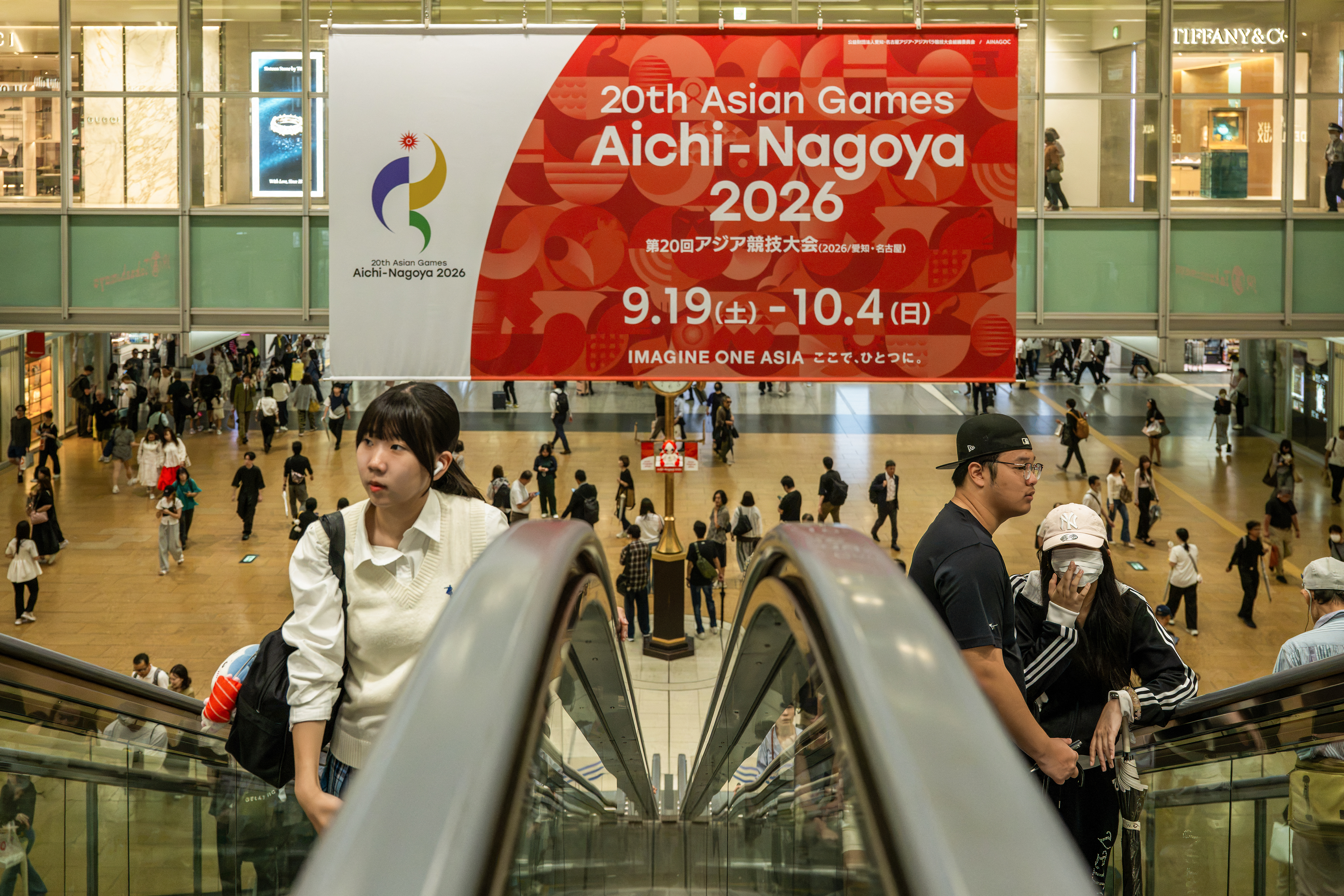
People ride escalators in front of a banner promoting the 2026 Asian Games at the train station in Nagoya, Aichi Prefecture on September 16, 2026. (Photo: AFP)
Some sports and disciplines will also make their Asian Games debuts in Aichi-Nagoya.
Surfing is one of them, with men's and women's shortboard events. BMX freestyle, a new discipline under cycling, will have men's and women's park competitions.
Mixed martial arts (MMA) will make its Asian Games debut as a discipline under combat sports, alongside jiu-jitsu and kurash. Six MMA gold medals -- four men's and two women's -- will be contested.
Virtual taekwondo has also been added to the program for the first time, with one mixed individual medal event.
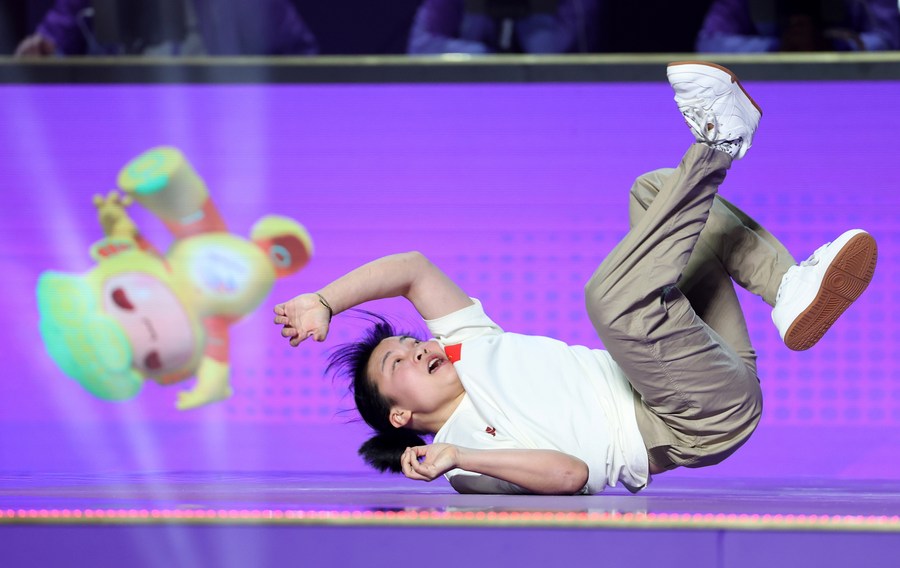
Liu Qingyi of China in action during the women's breakdancing gold medal battle at the 19th Asian Games in Hangzhou on October 7, 2023. (Photo: Xinhua)
Breaking and esports, both of which made their official Asian Games debuts at the Hangzhou Games, have been retained for Aichi-Nagoya.
Young talents set to shine
The field will feature a mix of proven performers and emerging young talents, with some of the brightest rising stars in sports competing for gold.
China's swimming prodigy Yu Zidi became the youngest World Championships medalist in history in 2025, winning bronze as part of the Chinese 4x200m freestyle relay team at the age of just 12.
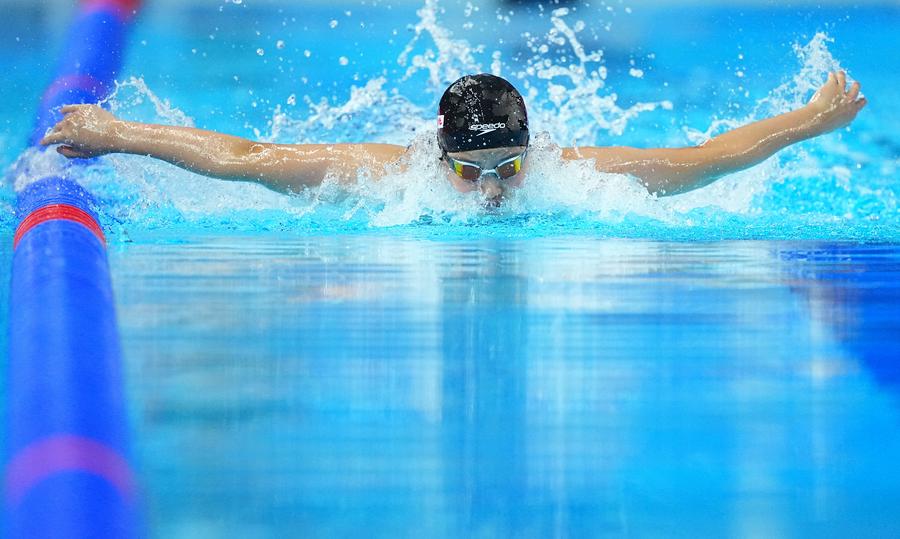
Yu Zidi of China competes during the women's 200m individual medley final of swimming at the World Aquatics Championships in Singapore on July 28, 2025. (Photo: Xinhua)
She also finished a whisker outside the medals at fourth place in three world individual events.
She has embellished her growing reputation in 2026, notably with a victory over multiple medal-winning US Olympic champion Regan Smith in the 200m butterfly in March.
Not turning 14 until two weeks after the Asian Games end in October, Yu is targeting glory.
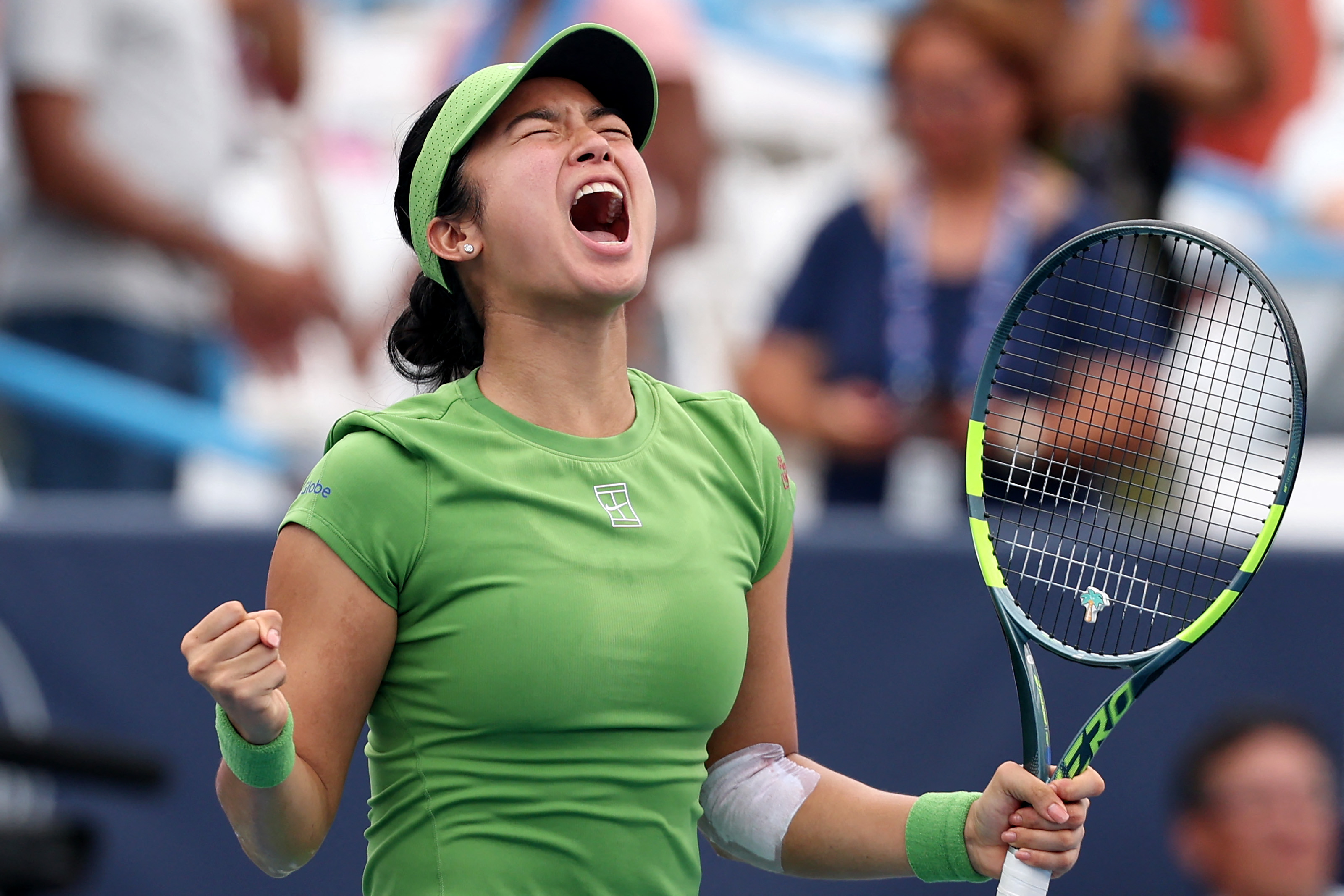
Alexandra Eala of the Philippines celebrates after winning a women's singles match against Naomi Osaka of Japan on day six of the Mubadala DC Open 2026 at William H.G. FitzGerald Tennis Center on August 01, 2026 in Washington, DC. (Photo: AFP)
Philippine tennis star Alex Eala will skip the WTA 1000 China Open to specifically represent her country at the Asian Games.
She is now at a career-high 18th in the world. With a first WTA Tour title and a stunning win against defending champion Iga Swiatek at Wimbledon this season, Eala has emerged as one of the most exciting new talents in tennis.
She won Asian Games bronze at the age of 18 in Hangzhou three years ago, losing in the semi-finals to China's Zheng Qinwen, who went on to take gold and claimed the Olympic title one year later in Paris.
Japan's rising gymnastics star Misa Nishiyama, just 16, will make her senior international debut in front of a home crowd at the Asian Games and will look to make an immediate impact.
In strong form, Nishiyama claimed her first NHK Trophy title in May. Her victory at the Tokyo Metropolitan Gymnasium came less than a month after she won the All-Japan All-Around Championships.
Nishiyama has been widely regarded as a key prospect for Japan at the 2028 Los Angeles Olympic Games.
Another talent worth watching is Japanese swimmer Shin Ohashi. The 17-year-old, standing just 169 centimeters, has emerged as the star of Japan's new swimming generation.
He came within a second of the 200m breaststroke world record held by China's Qin Haiyang earlier in 2026, having been on course to beat it at the final turn. The performance earned him a junior world record and the fastest time in the world this year. He is set to lock horns with Qin once again in Nagoya.
Streamlined organization
The 20th edition Asian Games will mark Japan's third time as host (following Tokyo in 1958 and Hiroshima in 1994), bringing the event back to the country after more than three decades.
More than 11,000 athletes from 45 countries and regions across Asia are expected to compete at the continental showpiece.
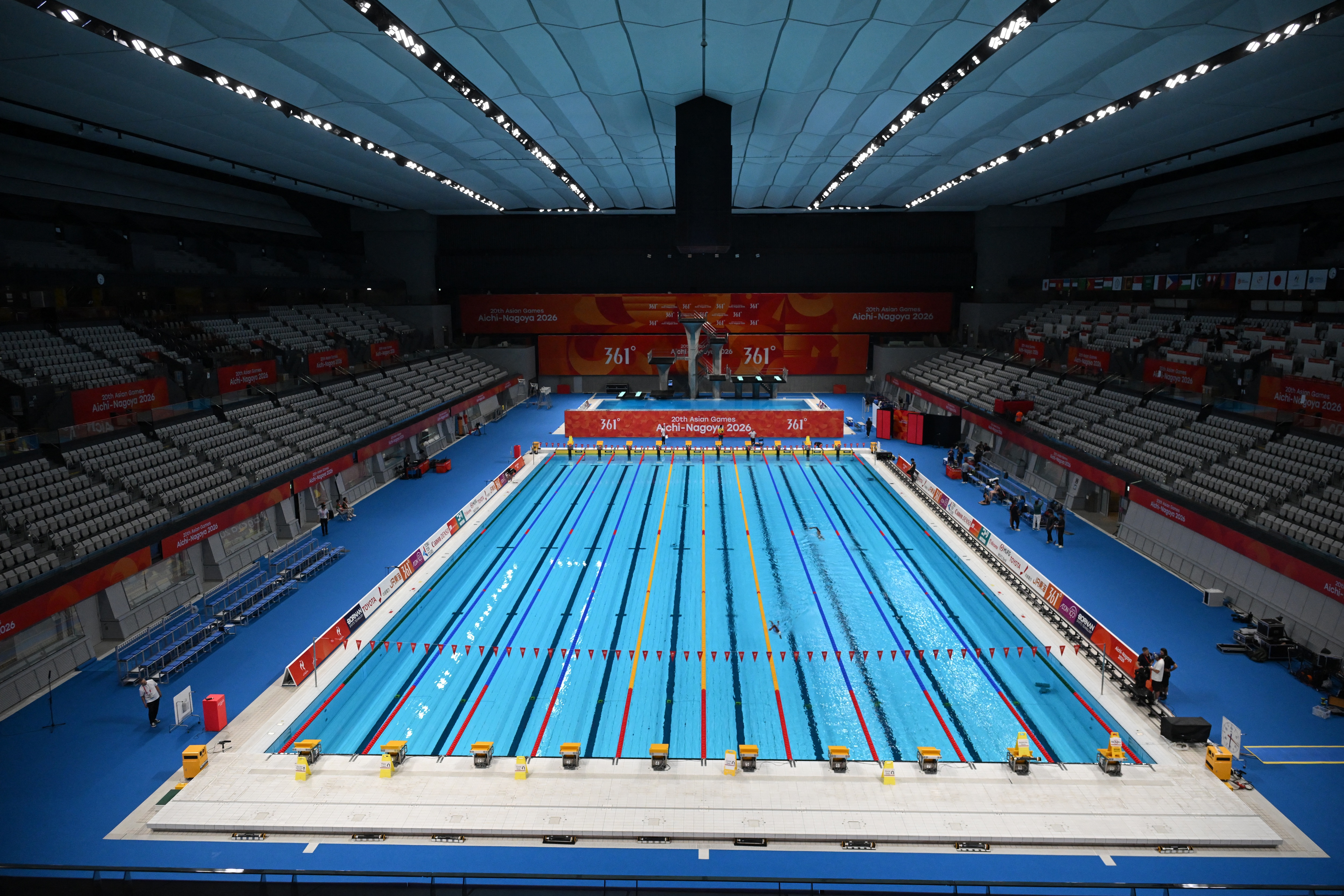
A general view shows the pool at the Tokyo Aquatics Centre ahead of the 2026 Asian Games in Tokyo on September 17, 2026. (Photo: AFP)
While this edition will primarily be held in Nagoya and the rest of Aichi Prefecture, competitions will also be staged in Tokyo, Shizuoka, Gifu and Osaka.
The list of venues for the 2026 Asian Games includes multiple facilities previously used for the Tokyo 2020 Olympics. The organizers have opted to use existing sports facilities, supplemented by new, redeveloped and temporary venues where required.
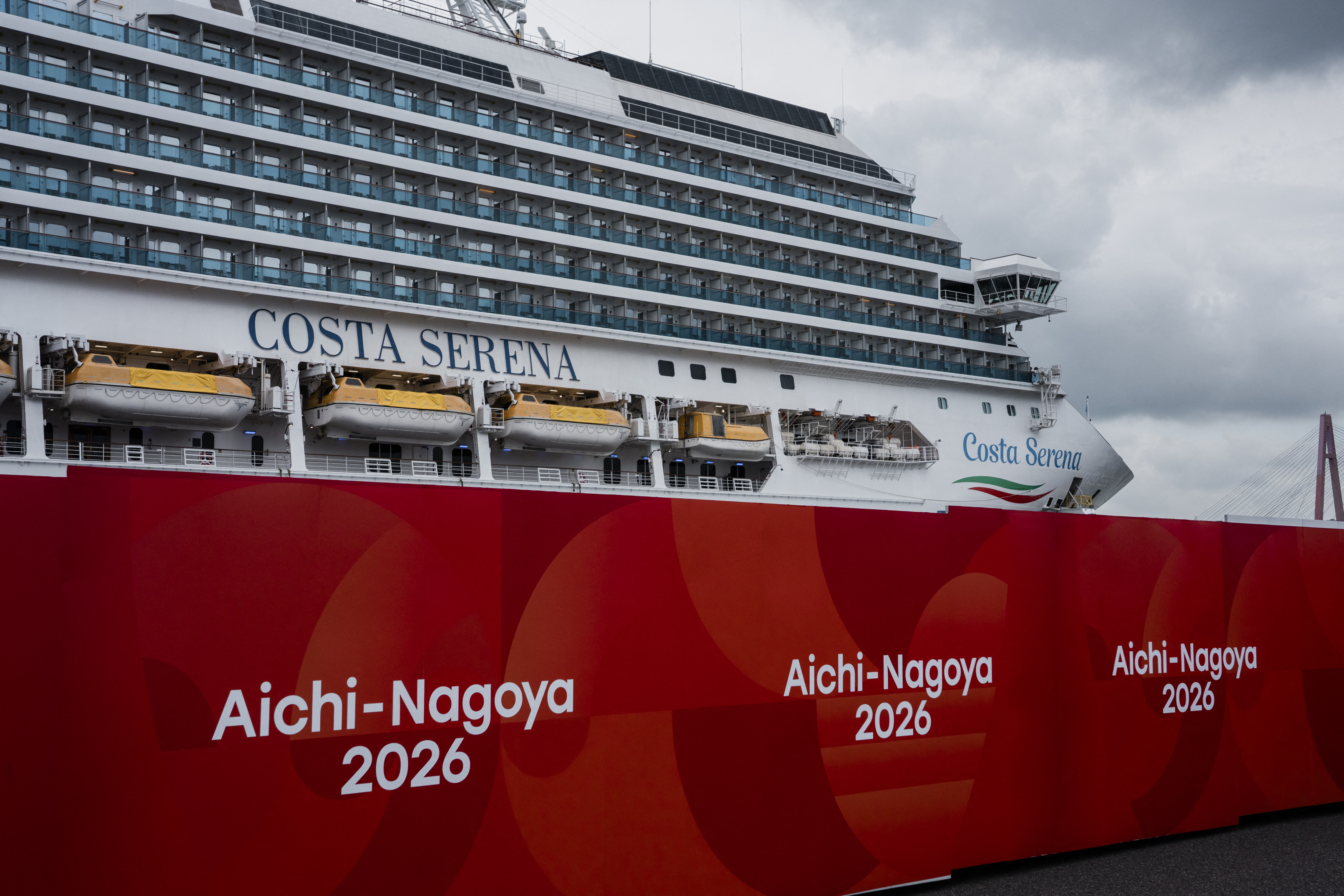
The Costa Serena, a 290-metre-long cruise ship that will be used as an accommodation facility for athletes and officials during the 2026 Asian Games, is seen at the Port of Nagoya in Nagoya, Aichi Prefecture on September 15, 2026. (Photo: AFP)
Another feature is the Games' decentralized housing approach.
Organizers decided to not build an athletes' village, instead using a mix of accommodations: the Italian cruise ship Costa Serena is docked at Nagoya Port for around 4,000–4,600 athletes and officials, temporary wooden container-style villas are there for about 2,000 more, while hotels await guests across the region.
However, this arrangement has been met with widespread criticism. Many athletes and officials have voiced complaints about shortages of beds, cramped conditions in temporary container units, and imbalanced living standards across the different housing options.
Official figures show that the total cost of the 2026 Asian Games, including the Asian Para Games in October, has climbed to 370 billion yen ($2.37 billion) -- more than triple the original estimate.
This sharp rise in expenses may help explain the organizers' decision to pursue a more cost-conscious approach.