



China's recently concluded two sessions, the annual meetings of the country's top political bodies, have provided an important opportunity for the international community to observe Chinese democracy.
At the meetings, nearly 3,000 National People's Congress (NPC) deputies and more than 2,000 members of the Chinese People's Political Consultative Conference (CPPCC) National Committee fulfilled their duties, bringing voices from the grassroots to the country's highest deliberative platforms.
The people's aspirations and expectations have been fully integrated into the top-level design of national development, demonstrating the vitality of whole-process people's democracy.
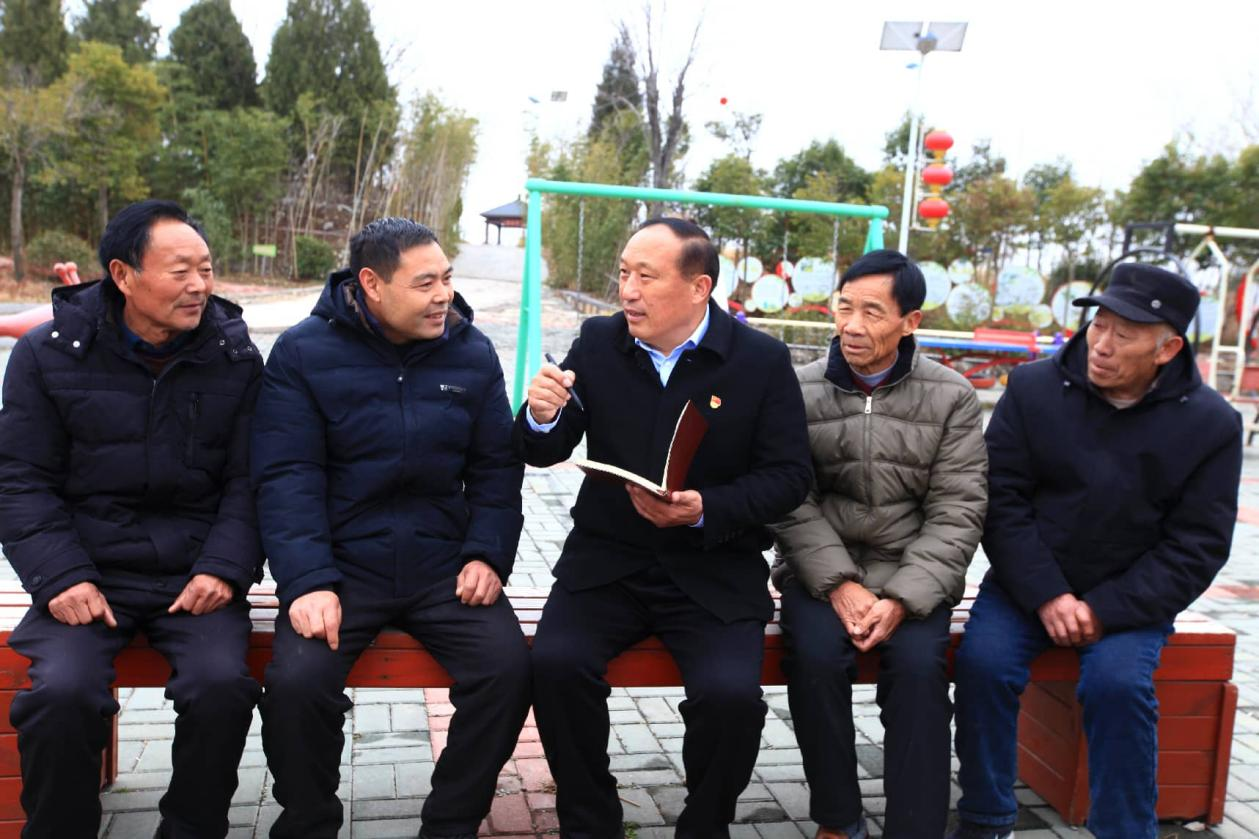
Yang Yong (middle), a deputy to the 14th NPC and Party secretary of Qishan village solicits opinions from its residents, Zizhuang township, Xuzhou, East China's Jiangsu Province, February 25, 2026. (Photo: People's Daily)
The draft outline of China's 15th Five-Year Plan (2026-2030) was a major focus of international attention during this year's two sessions.
The drafting process included online consultations that collected more than 3.113 million suggestions from internet users. Government departments at all levels compiled and categorized proposals on issues of public concern, including access to education, employment opportunities and elder care.
In formulating the plan, China integrated top-level design with extensive public consultation, ensuring that the efforts of the Party and the government align with the aspirations of the people. An international media outlet noted that the broad social participation in drafting the 15th Five-Year Plan reflects whole-process people's democracy in practice.
Through the two sessions, the world has seen that the Chinese people's willingness to participate in democratic processes continues to grow, while the breadth and depth of participation keep expanding and the channels and forms of engagement become increasingly diverse.
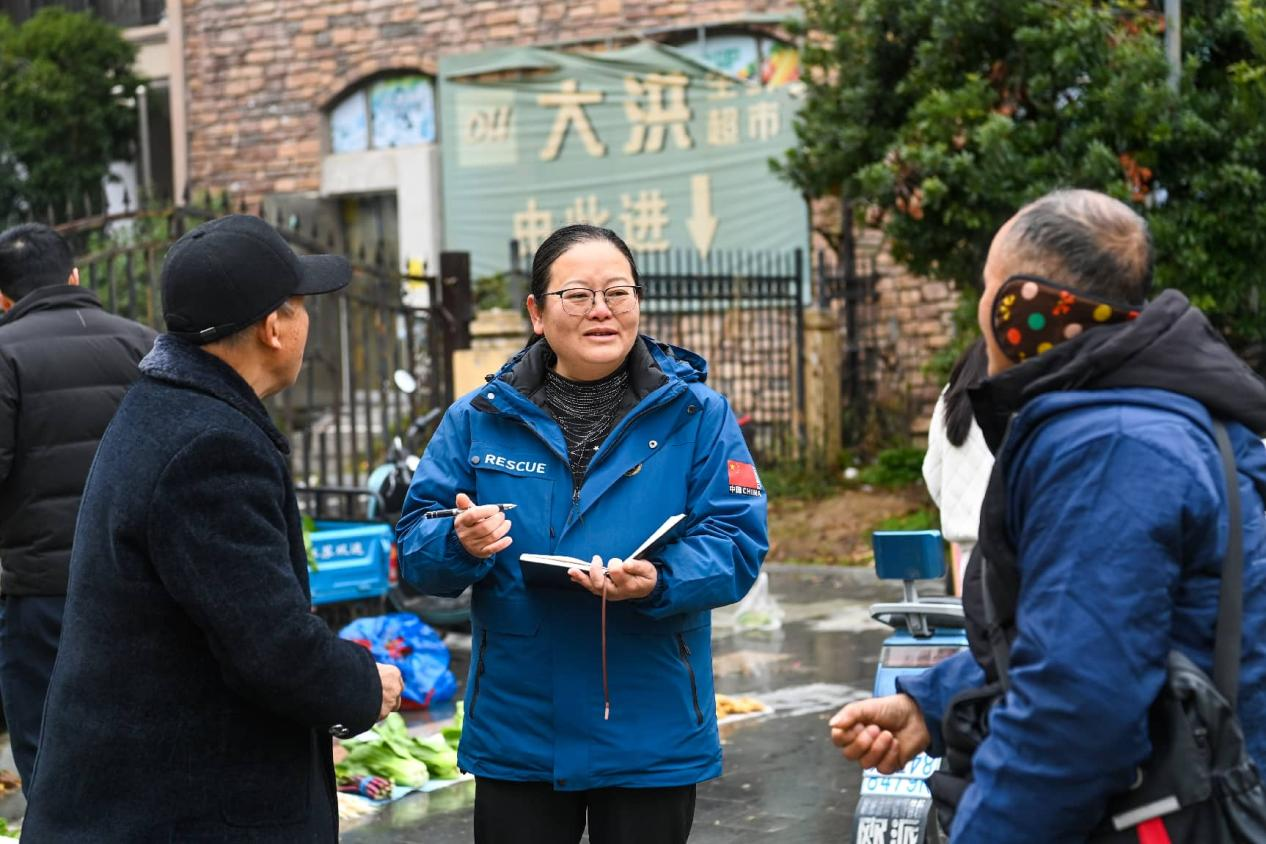
A member of the Yichun municipal CPPCC (middle) conducts field research on community management in a neighborhood in Yichun, East China's Jiangxi Province, January 27, 2026. (Photo: Peoplel's Daily)
A journalist from Latin America observed that China's two sessions bring together deputies and members from all ethnic groups and sectors of society, including education, healthcare, and science and technology, ensuring that diverse voices are fully heard.
The deliberation of draft legislation such as the Ecological and Environmental Code, the Ethnic Unity and Progress Promotion Law, and the National Development Planning Law vividly illustrates the interaction between democracy and the rule of law, as well as the integration of public opinion into the legislative process.
The drafting of the Ecological and Environmental Code, for example, included four rounds of public consultation and received more than 20,000 suggestions from over 7,000 participants, many of which were carefully studied and incorporated into the draft.
A closer look at China's democratic practice shows that genuine and effective democracy contributes to efficient governance.
In 2025, departments of the State Council handled 8,754 suggestions submitted by NPC deputies and 4,868 proposals from CPPCC members, all processed on schedule. These departments adopted more than 4,900 suggestions and introduced over 2,200 related policy measures.
In Linxia, Northwest China's Gansu Province, an NPC deputy proposed building an expressway traversing mountains and valleys to boost farmers' incomes. In Yinzhou District of Ningbo, East China's Zhejiang Province, a participatory system was adopted in which the public proposes, representatives decide, the government implements, and the public evaluates, leading to the construction of a safe path for students on their way to school. These are just two examples of how grassroots suggestions are met with response, oversight and action, ultimately delivering tangible benefits to the people.
Hong Won-sook, a South Korean expert who has lived and worked in Shanghai for many years and has been invited several times to participate in activities of the Shanghai CPPCC, said that China's whole-process people's democracy provides a platform for people to voice their views. When they face difficulties, they can raise them; their voices are heard and their suggestions are implemented, helping improve people's lives.
China's whole-process people's democracy stands in contrast to forms of democracy in some countries that have become increasingly formalistic or reduced to slogans. It offers the international community food for thought on effective ways to realize democracy.
Democracy is not an ornament or a decorative label; it is meant to solve problems for the people. A system in which people can express their wishes but cannot see them realized is not true democracy. China's democracy is people's democracy, and the people's status as masters of the country is its essence and core.
This form of democracy, which has grown from China's own soil, is flourishing and has strengthened confidence among other developing countries seeking democratic development paths suited to their national conditions. A Brazilian media outlet said that whole-process people's democracy encourages public participation, promotes social harmony, and delivers tangible results.
Democracy is a shared value of humanity and a right of the people of all countries. China will continue to advance whole-process people's democracy and stands ready to strengthen exchanges and mutual learning with other countries. Together, countries can explore ways to realize broad, genuine, and effective democracy, making new contributions to the progress of human political civilization.