


The U.S.-Iran ceasefire and two-week negotiation window offer a rare chance for de-escalation, but history shows the real challenge is not starting talks, but sustaining trust-- and on that front, Washington's record remains deeply questioned.
Explosions have continued across parts of the Middle East following the announcement of the temporary ceasefire. While the cessation of hostilities is welcome, it is only the beginning of a long journey toward enduring peace.
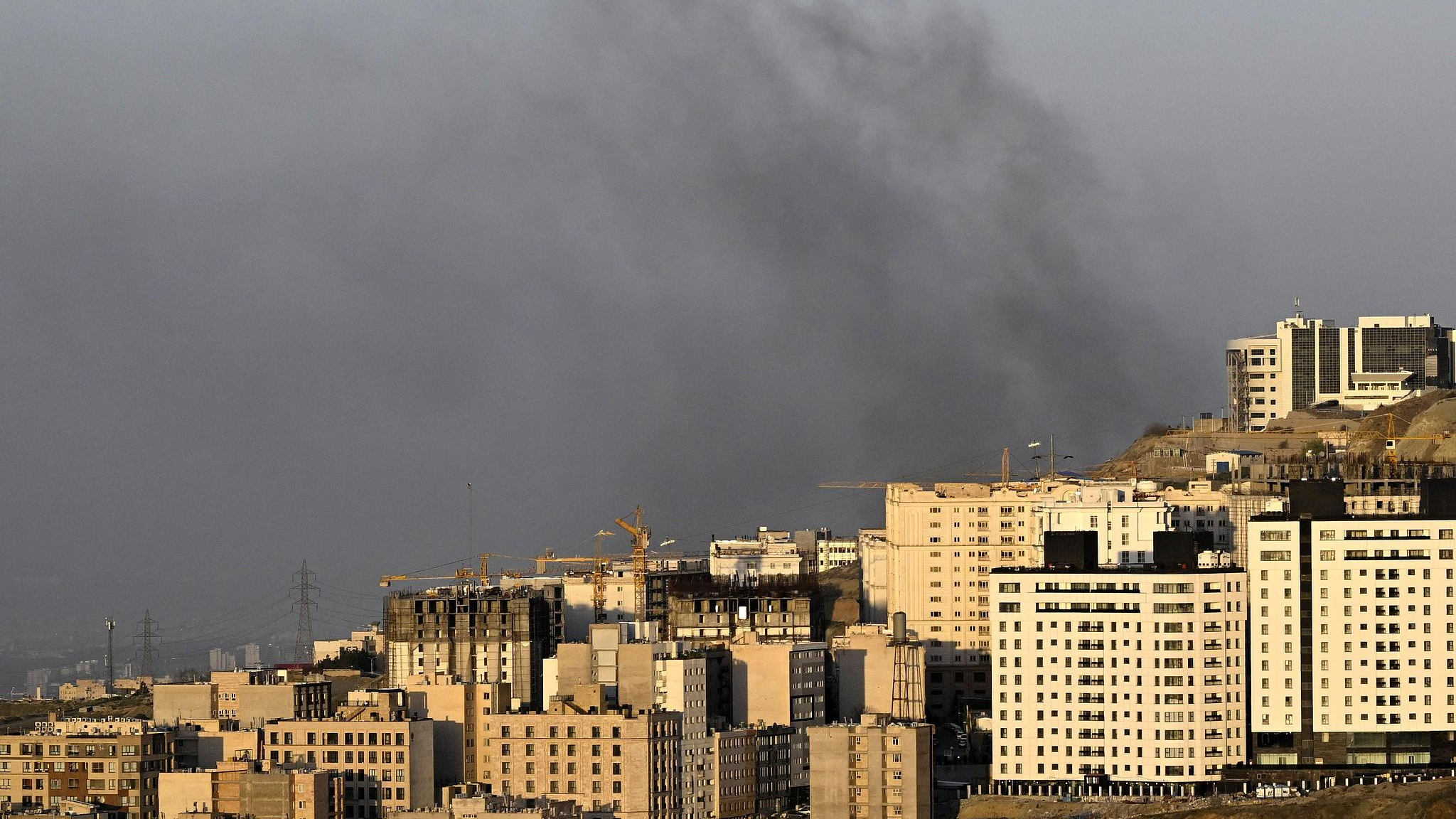
Black smoke rises following missile attacks in Tehran, Iran, April 5, 2026. (Photo: VCG)
Rebuilding trust remains the foremost challenge. The United States' unilateral withdrawal from the Iran nuclear deal -- formally known as the Joint Comprehensive Plan of Action (JCPOA) in 2018 -- followed by the reimposition and expansion of sanctions, dealt a major blow to mutual confidence.
More recently, military actions carried out during periods of diplomatic engagement have reinforced Tehran's distrust of Washington. Such episodes highlight a persistent obstacle to meaningful progress.
Bridging differences will not be easy. Apart from the deep distrust between the two sides, Iran's proposals and Washington's previously outlined plans reveal stark divergences in priorities and expectations.
This gulf in priorities underscores a deeper structural challenge: the absence of mutual confidence in the integrity and purpose of the negotiating process itself. Without credible assurances that diplomacy is pursued in good faith, even the most carefully drafted proposals risk being overshadowed by suspicion.

Oil tankers and cargo ships line up in the Strait of Hormuz as seen from Khor Fakkan, United Arab Emirates, March 11, 2026. (Photo: VCG)
To move beyond entrenched positions, the United States must view negotiations not as arenas for strategic maneuvering. When negotiations are treated as tactical tools -- to buy time, shape the strategic environment, or consolidate leverage -- rather than as genuine pathways to resolution, they risk becoming hollow exercises.
More importantly, the United States must refrain from using force, or the threat of force, as a bargaining chip to extract concessions.
History has shown that military force cannot deliver lasting peace; only political solutions grounded in dialogue and mutual respect can do so. The success of future negotiations will depend on whether the United States demonstrates sincerity and abandons reliance on coercion.
The current ceasefire provides an opportunity -- but only that. Once the door to peace and reconciliation is opened, it should not be easily closed. Though the road ahead is rough, steadfast commitment to diplomacy offers hope that this conflict, which should never have occurred, may one day reach its definitive end.