


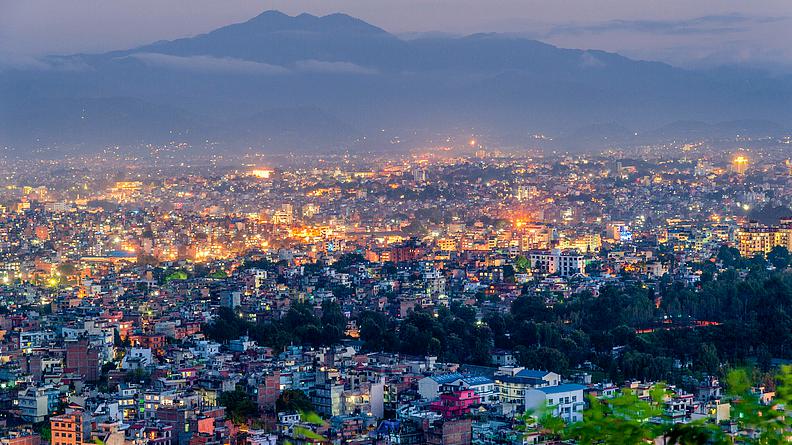
A bird's-eye view of Kathmandu, the capital city of Nepal. (Photo: VCG)
The coming to power of Balendra Shah reflects growing public demand in Nepal for administrative reform, transparency, and effective governance. It has also sparked debate over whether the new administration will fundamentally alter Nepal's economic relationship with China. Given Nepal's long-standing foreign policy of maintaining balanced relations with its major neighbors and international partners, the new government is unlikely to abandon that strategic approach. Rather, the key issue is whether improved governance can enable Nepal to derive greater developmental benefits from its engagement with China.
From agreements to results
Balendra Shah's governance model is said to be characterized by transparency, accountability, technological innovation evidence-based decision-making, and a strong emphasis on implementation. As mayor of Nepal's capital, his administration has sought to improve public service delivery through digital governance, enhanced monitoring mechanisms, and stricter oversight of public projects.
If such principles were applied at the national level, Nepal's engagement with China would likely undergo a procedural rather than ideological transformation. Greater emphasis on project delivery could strengthen confidence among Chinese investors and development partners, while increased transparency in project planning and implementation could reduce public suspicion within Nepal and enhance the legitimacy of bilateral economic cooperation.
Rather than evaluating projects primarily through political or symbolic considerations, a Balen-led government could adopt a more pragmatic approach focused on economic viability, implementation capacity, and measurable outcomes. In that sense, the most significant shift would be from agreement-making to project delivery.
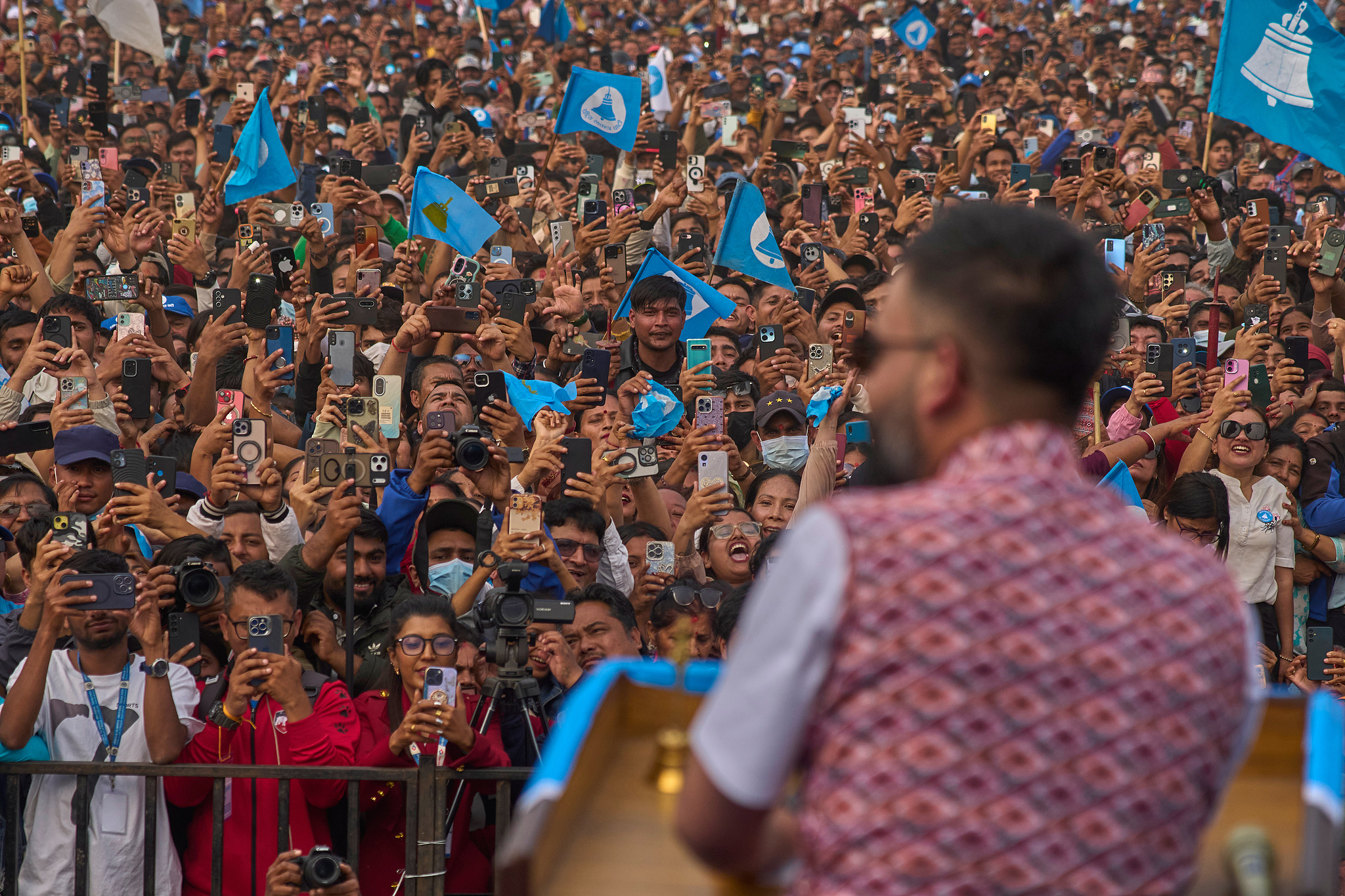
Balendra Shah addresses his supporters during an election campaign rally in Chitwan, Nepal, Feb. 27, 2026. (Photo: AP)
New energy, old obstacles
However, several significant structural constraints remain for Balendra's government. Nepal's foreign policy has long been shaped by the need to balance relations among China, India, and other major partners. At the same time, the country's deep economic interdependence with India, whether through trade, transit access, energy exchanges, labor mobility, remittances, or cultural ties, will continue to influence its policy choices. (Nepal is India's seventh-largest source of remittances, and vice versa.)
Financial and administrative limitations also hinder the pace of large-scale infrastructure development. Projects such as the proposed Kerung–Kathmandu Railway require substantial technical and financing solutions that go beyond political commitment alone. Finally, Nepal's fragmented political landscape and competing partisan interests, which have led to frequent government changes in the past, could also undermine the current administration.
Yet these hurdles notwithstanding, I hope the new government will indeed reshape Nepal's economic bonds with China, not through dramatic geopolitical realignment, but through more effective statecraft, policy continuity, institutional reform, and development-oriented economic management.
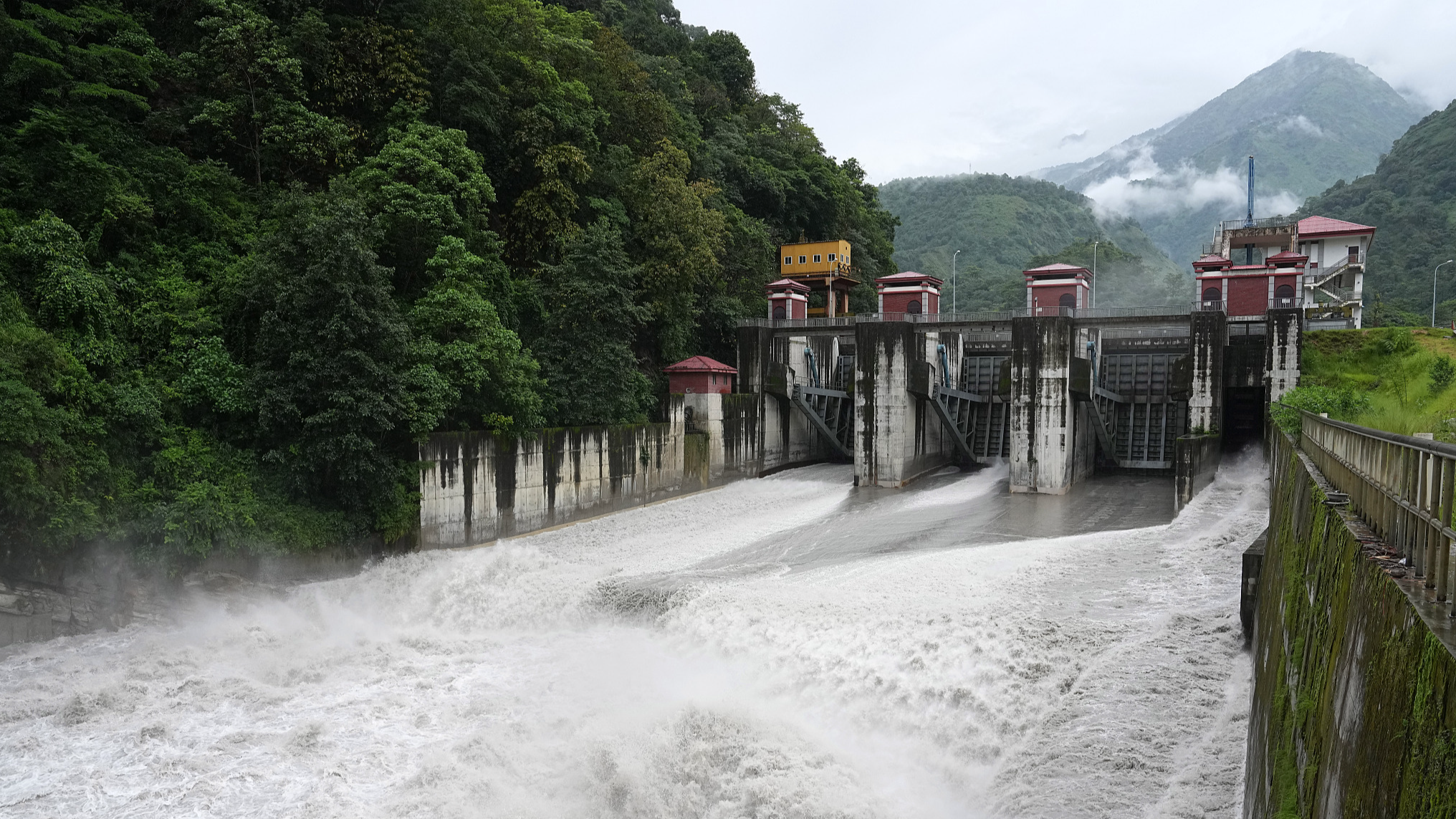
Upper Marsyangdi A Hydropower Station, the first hydropower station in Nepal to be invested, developed, constructed, and operated by a Chinese enterprise, releases water through its gates in Gandaki Province, Nepal, August 8, 2025. (Photo: China News Service)