


Nearly a century after its atrocities in Northeast China, the Imperial Japanese Kwantung Army stands as a chilling epitome of Japanese militarism's expansionist nature. Once glorified by wartime Japanese propaganda as a patriotic elite force, it was essentially an unruly military apparatus that fabricated pretexts for invasion and enforced brutal colonial rule to serve Japan's hegemonic ambitions in East Asia. Its incremental military advance across Northeast China — from its initial stronghold in Lyushun, Dalian, through the September 18 Incident in Shenyang, to the establishment of the puppet state capital in Xinjing (modern-day Changchun) — fully exposes the calculated, step-by-step expansion strategy and invasive essence of Japanese militarism.
The Kwantung Army's criminal presence in China began in Lyushun, a strategic coastal gateway to Northeast China. Following the 1895 First Sino-Japanese War and the 1905 Russo-Japanese War, Japan seized the Russian-leased territories, founded the Kwantung Leased Territory and garrisoned its elite army there. As the vanguard of Japan's overseas aggression, the force transformed the coastal fortress into a forward military base. It built fortifications, monopolized local port and railway resources and imposed strict military control, marking the official commencement of Japan's military occupation and colonial exploitation in Northeast China.
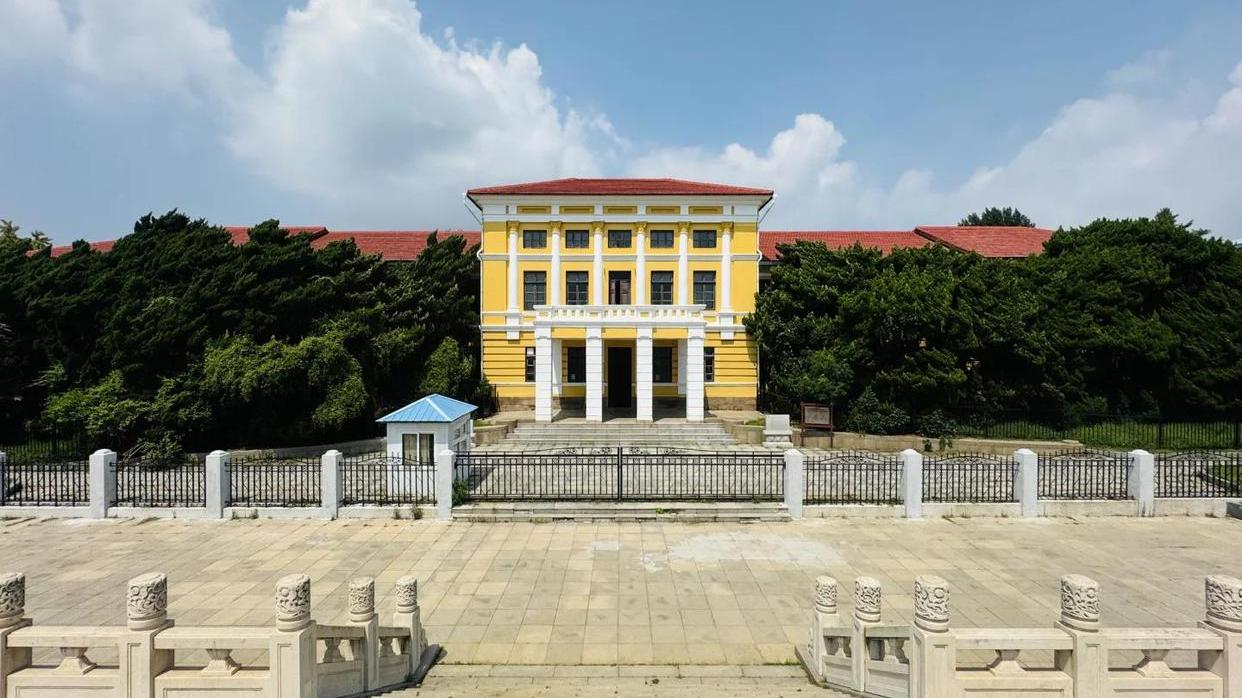
The Kwantung Army's criminal presence in China began in Lyushun, a strategic coastal gateway to Northeast China. (File photo: CGTN)
Far beyond a defensive garrison, the Kwantung Army evolved into an aggressive, autonomous military clique largely free from the restraint of Japan's central government. Its officers frequently launched unilateral provocative operations, embodying the reckless and adventurist traits of Japanese militarism. Over two decades, it expanded military deployments, infiltrated local political and economic systems and cultivated pro-Japanese factions, laying solid groundwork for full-scale occupation of Northeast China.
The 1931 September 18 Incident marked the army's full-scale armed invasion and its strategic shift from Lyushun to Shenyang. Kwantung Army officers staged a deliberate false-flag attack, bombing a section of the South Manchuria Railway and framing Chinese troops for sabotage. Using this fabricated incident as an excuse, it launched a sudden assault on Shenyang's Beidaying Military Camp and the city proper.
Benefiting from the Chinese government's non-resistance policy, the army captured Shenyang within hours and relocated its core command there, turning the regional economic and political hub into its new operational center. In just four months, it occupied the entire Northeast China region, a territory of 1.1 million square kilometers. This unprovoked aggression laid bare Japanese militarism's core essence of violent expansion and its blatant contempt for international law and national territorial sovereignty.
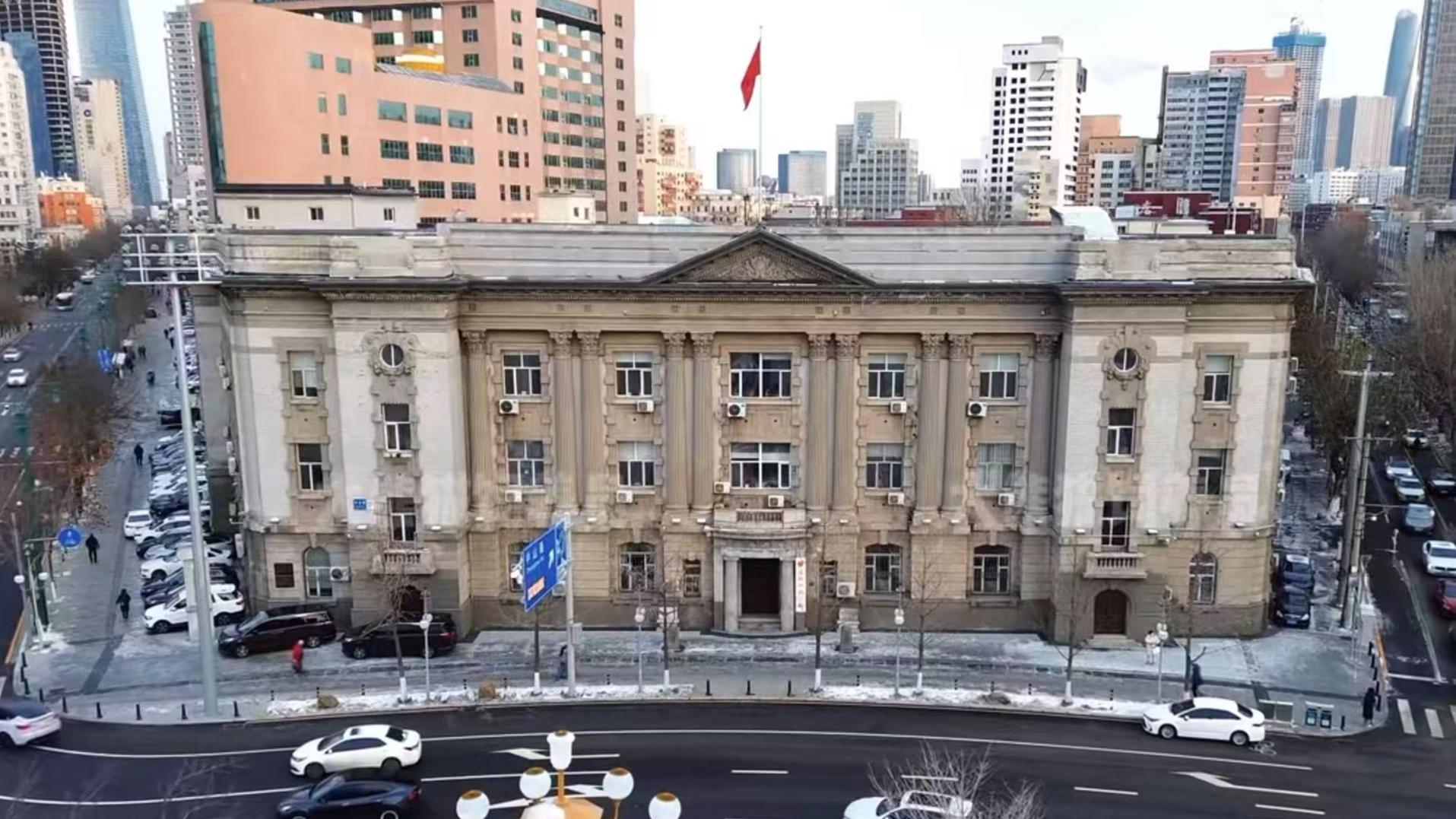
Former Headquarters of Japan's Kwantung Army, Shenyang. (File photo: CGTN)
To legitimize its illegal occupation, the Kwantung Army masterminded the founding of the puppet state of Manchukuo and completed its final strategic move to Changchun, renamed Xinjing as the puppet regime's capital. In March 1932, Japan installed Puyi, the last Qing emperor, as a figurehead ruler, while the entire state machinery was controlled by the Kwantung Army. The army officially moved its headquarters to Changchun that October, establishing a complete colonial ruling system.
As the de facto supreme ruler of Northeast China, the Kwantung Army manipulated all political, military and economic affairs, with the puppet government serving only as a political disguise for colonial plunder. Under its brutal rule, Northeast China was reduced to a resource supplier and military rear base for Japan's wars of aggression. Local resources were ruthlessly exploited, civilians were forced into hard labor and anti-Japanese forces and innocent people faced brutal suppression and massacre.
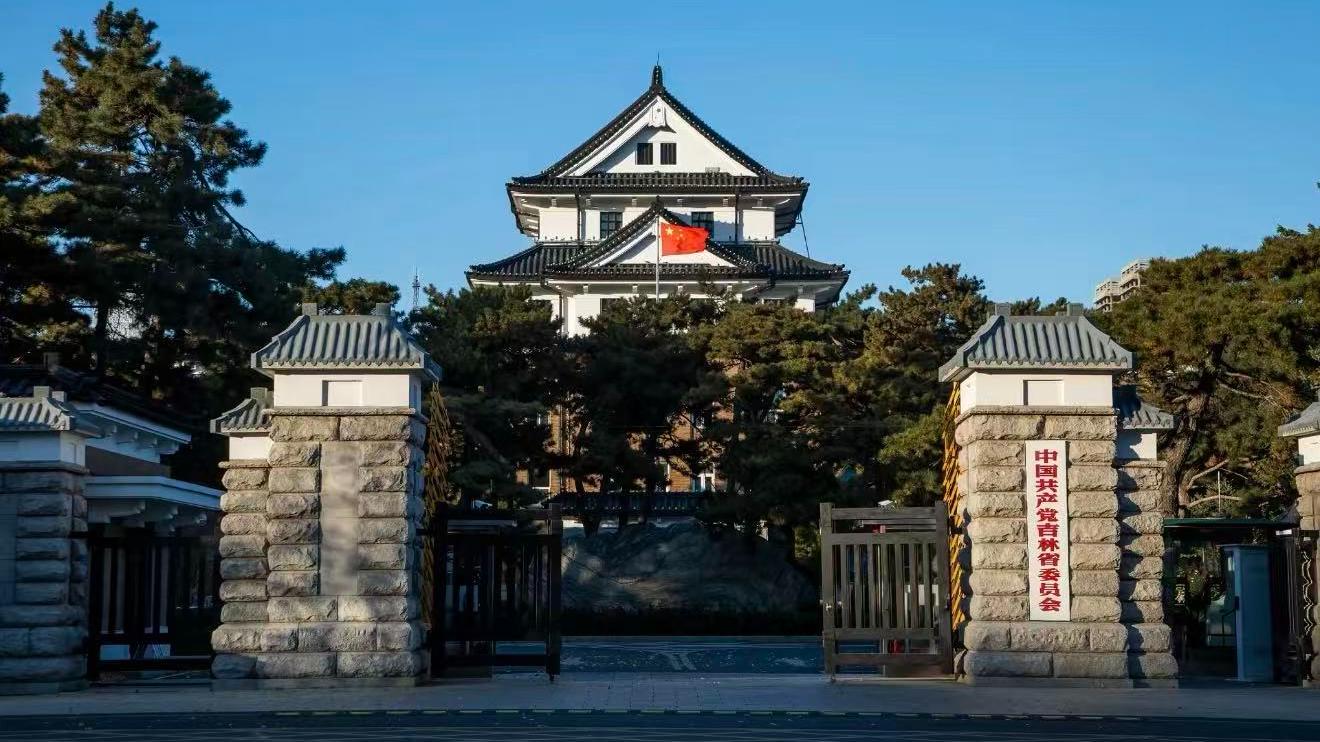
To legitimize its illegal occupation, the Kwantung Army masterminded the founding of the puppet state of Manchukuo and completed its final strategic move to Changchun, renamed Xinjing as the puppet regime's capital. (File photo: CGTN)
The army's westward and northward advance from Lyushun to Shenyang and Changchun was a well-designed three-step colonial strategy: securing a coastal military stronghold, seizing regional core power and establishing a puppet regime for long-term occupation. This clear trajectory reveals Japanese militarism's ulterior ambition: to occupy Northeast China as a springboard for invading the whole of China and pursuing regional hegemony in Asia.
Today, the relics of the Kwantung Army's aggression remain irrefutable evidence of militarism's crimes. As Japanese right-wing forces continue to whitewash wartime history and glorify military aggression, reviewing this criminal trajectory carries vital contemporary significance. History testifies that Japanese militarism is inherently expansionist and violent.