


Observer: APEC Shenzhen meeting ties artificial intelligence to jobs, growth

The 33rd Asia-Pacific Economic Cooperation (APEC) Economic Leaders' Meeting in Shenzhen marked another step in regional cooperation on artificial intelligence. Leaders adopted the Shenzhen Outlook and endorsed a new statement linking digital and emerging technologies more closely to industrial upgrading, smaller businesses and employment.
The groundwork was already in place. APEC adopted its AI Initiative for 2026–2030 last year. In July, digital and AI ministers meeting in Chengdu called for wider AI use in manufacturing, agriculture and services, as well as affordable, easy-to-deploy solutions for smaller firms. Shenzhen built on that work with a new leaders' statement and a follow-up arrangement: APEC's Human Resources Development Working Group and other relevant bodies will advance its implementation, with progress covered in an annual report.
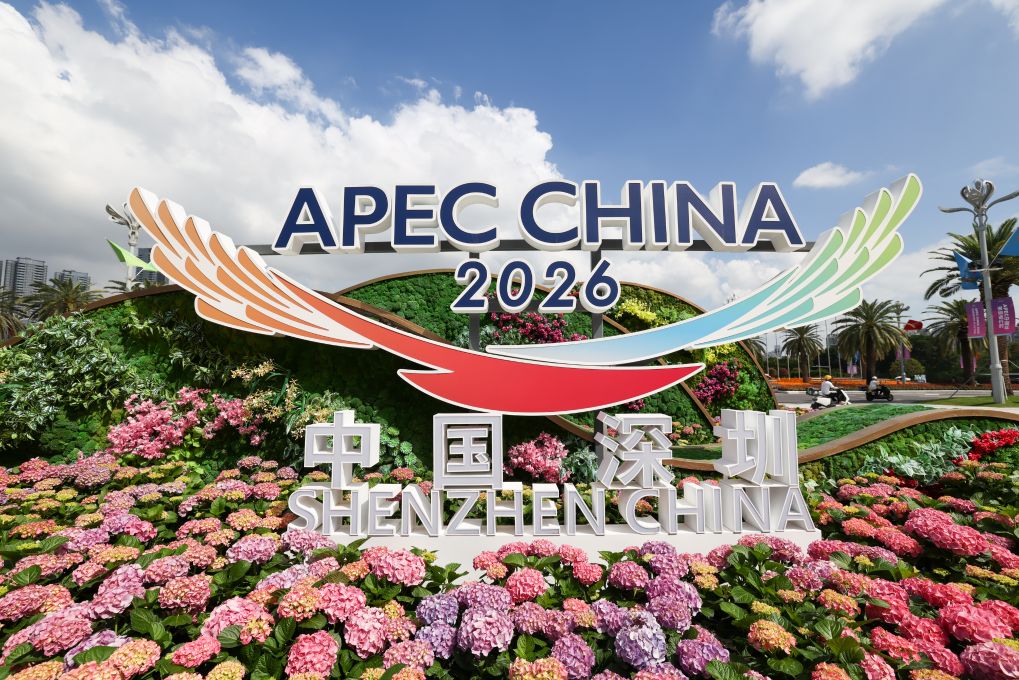
Photo: Xinhua
The focus is increasingly practical: how can AI raise productivity, create quality jobs and spread the benefits of growth more widely?
China has helped advance this agenda and has technology and industrial experience to contribute.
At the Shenzhen meeting, China called for stronger digital infrastructure, better data governance and cooperation on cross-border data flows, alongside broader AI adoption and industrial upgrading. It also announced plans to establish cooperation institutions in digital technology, cross-border data flows and other areas.
Chinese businesses offer examples of what wider AI adoption can look like. A recent study commissioned by the APEC Business Advisory Council examined 13 applications across nine member economies. Among them, industrial AI company SmartMore uses AI for quality inspection in battery manufacturing and develops systems that other manufacturers can deploy.
Chinese foundation models are also supporting innovation elsewhere in the region. AI Singapore developed a SEA-LION model by further training Alibaba's Qwen3-32B for Southeast Asian languages. On November 18, it announced a new SEA-LION v5 family whose flagship model is built on Alibaba's Qwen3.5-397B-A17B.
These examples show two ways China can contribute: through industrial AI tools tested in production and foundation models that regional developers can adapt to local needs. Partners can build on existing technology rather than start from scratch.
But APEC economies differ in digital infrastructure, skills and business capacity. Building on the Shenzhen agreements, members could share proven AI applications, adapt them to local needs and strengthen workforce training, particularly for smaller businesses.
The measure of success should be whether more firms can use AI affordably, workers gain the skills to benefit from it, and productivity gains translate into broader economic opportunities. That would turn Shenzhen's commitments into tangible progress for the Asia-Pacific.