


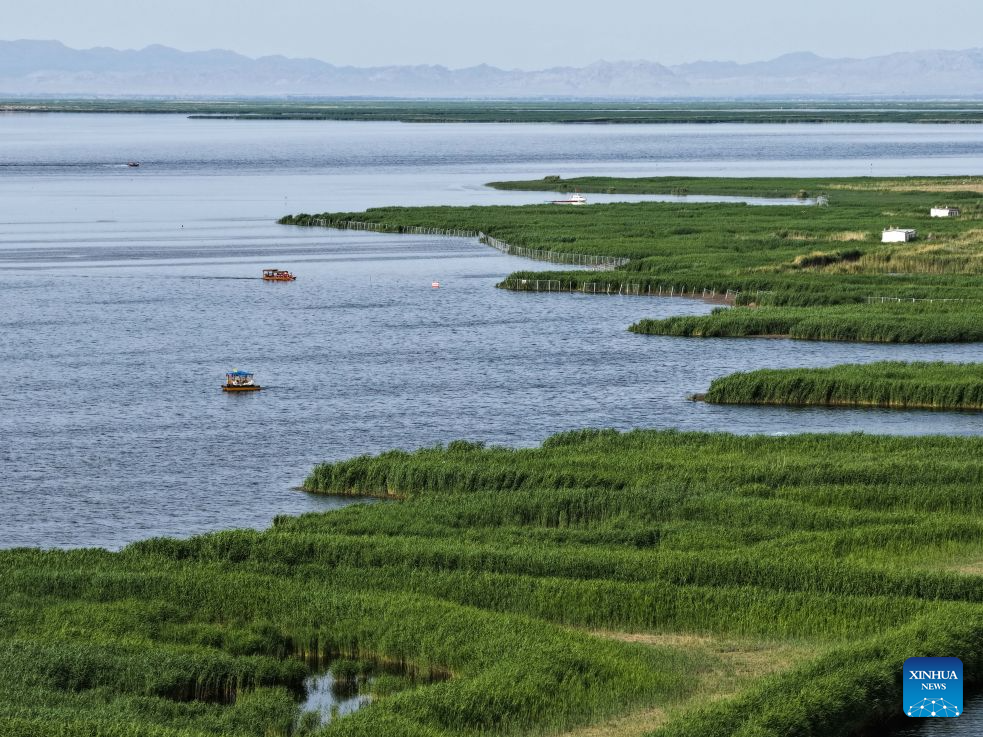
An aerial drone photo taken on May 31, 2026 shows a view of Ulan Suhai Lake in Urad Front Banner of Bayannur, north China's Inner Mongolia Autonomous Region. Hulun Lake, Ulan Suhai Lake and Daihai Lake are three major freshwater lakes in Inner Mongolia. Once affected by natural and human factors, the lakes suffered from shrinking water areas and deteriorating water quality.
Comprehensive ecological restoration efforts in recent years have brought notable improvements, with water quality steadily recovering and wildlife species increasing.
The three lakes are now playing a stronger role in safeguarding the ecological security of northern China. (Xinhua/Li Zhipeng)
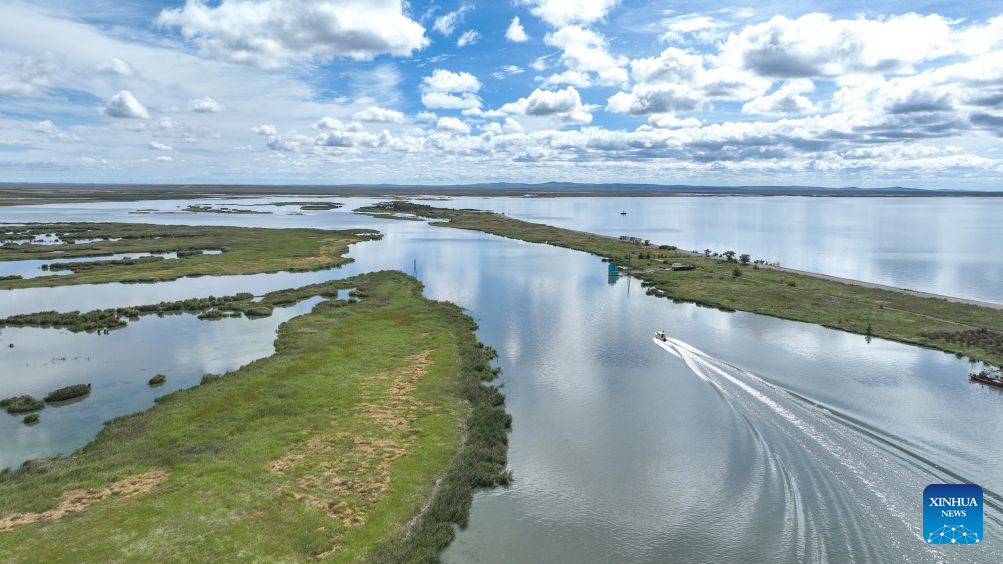
An aerial drone photo taken on Aug. 27, 2026 shows staff members patrolling on Hulun Lake in Hulun Buir, north China's Inner Mongolia Autonomous Region. Hulun Lake, Ulan Suhai Lake and Daihai Lake are three major freshwater lakes in Inner Mongolia. Once affected by natural and human factors, the lakes suffered from shrinking water areas and deteriorating water quality.
Comprehensive ecological restoration efforts in recent years have brought notable improvements, with water quality steadily recovering and wildlife species increasing.
The three lakes are now playing a stronger role in safeguarding the ecological security of northern China. (Xinhua/Bei He)
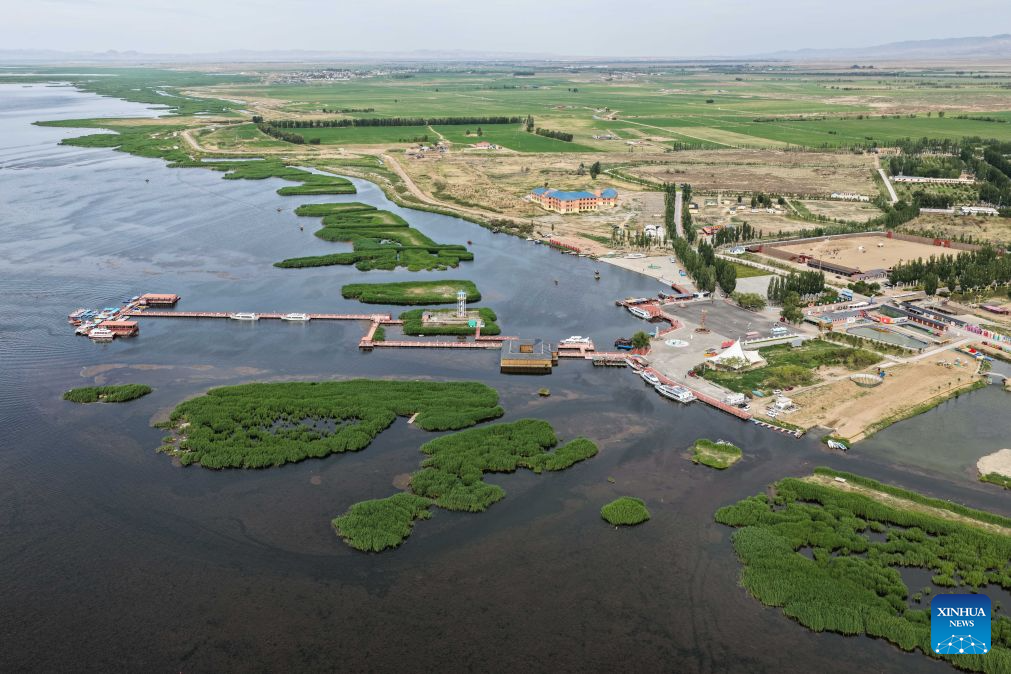
An aerial drone photo taken on May 31, 2026 shows a view of Ulan Suhai Lake in Urad Front Banner of Bayannur, north China's Inner Mongolia Autonomous Region. Hulun Lake, Ulan Suhai Lake and Daihai Lake are three major freshwater lakes in Inner Mongolia. Once affected by natural and human factors, the lakes suffered from shrinking water areas and deteriorating water quality.
Comprehensive ecological restoration efforts in recent years have brought notable improvements, with water quality steadily recovering and wildlife species increasing.
The three lakes are now playing a stronger role in safeguarding the ecological security of northern China. (Xinhua/Li Zhipeng)
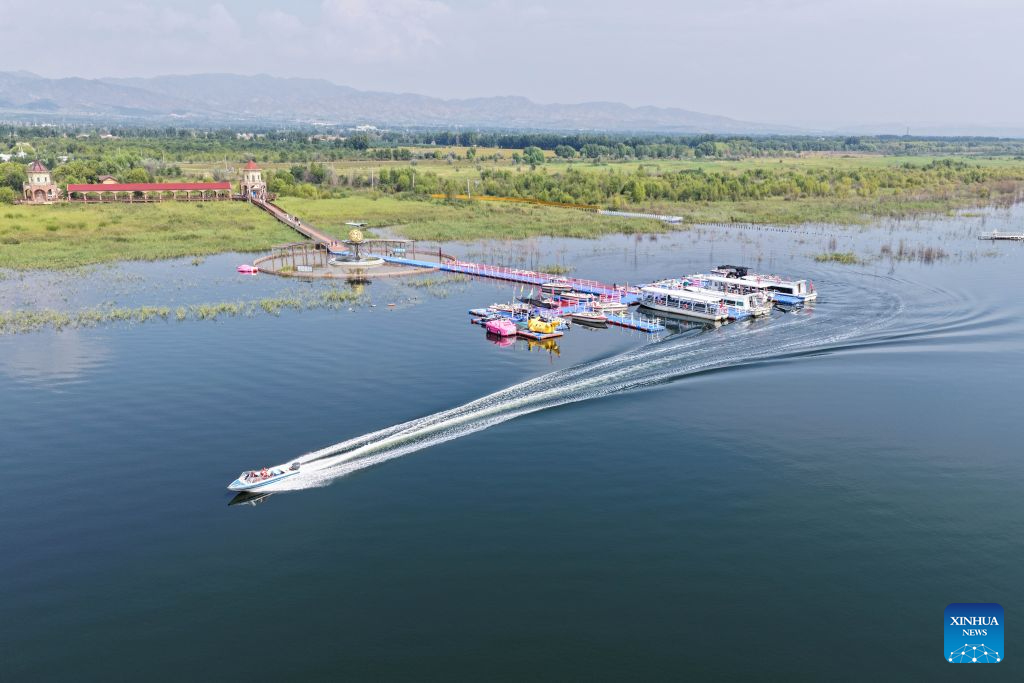
An aerial drone photo taken on Aug. 21, 2026 shows a view of Daihai Lake in Ulanqab, north China's Inner Mongolia Autonomous Region. Hulun Lake, Ulan Suhai Lake and Daihai Lake are three major freshwater lakes in Inner Mongolia. Once affected by natural and human factors, the lakes suffered from shrinking water areas and deteriorating water quality.
Comprehensive ecological restoration efforts in recent years have brought notable improvements, with water quality steadily recovering and wildlife species increasing.
The three lakes are now playing a stronger role in safeguarding the ecological security of northern China. (Xinhua/Li Zhipeng)
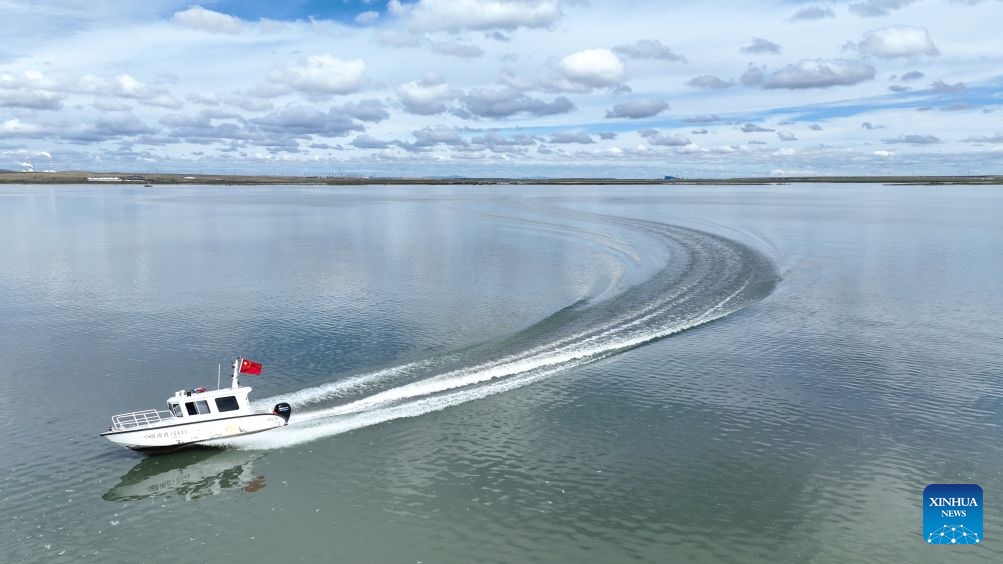
A drone photo taken on Aug. 27, 2026 shows staff members patrolling on Hulun Lake in Hulun Buir, north China's Inner Mongolia Autonomous Region. Hulun Lake, Ulan Suhai Lake and Daihai Lake are three major freshwater lakes in Inner Mongolia. Once affected by natural and human factors, the lakes suffered from shrinking water areas and deteriorating water quality.
Comprehensive ecological restoration efforts in recent years have brought notable improvements, with water quality steadily recovering and wildlife species increasing.
The three lakes are now playing a stronger role in safeguarding the ecological security of northern China. (Xinhua/Bei He)
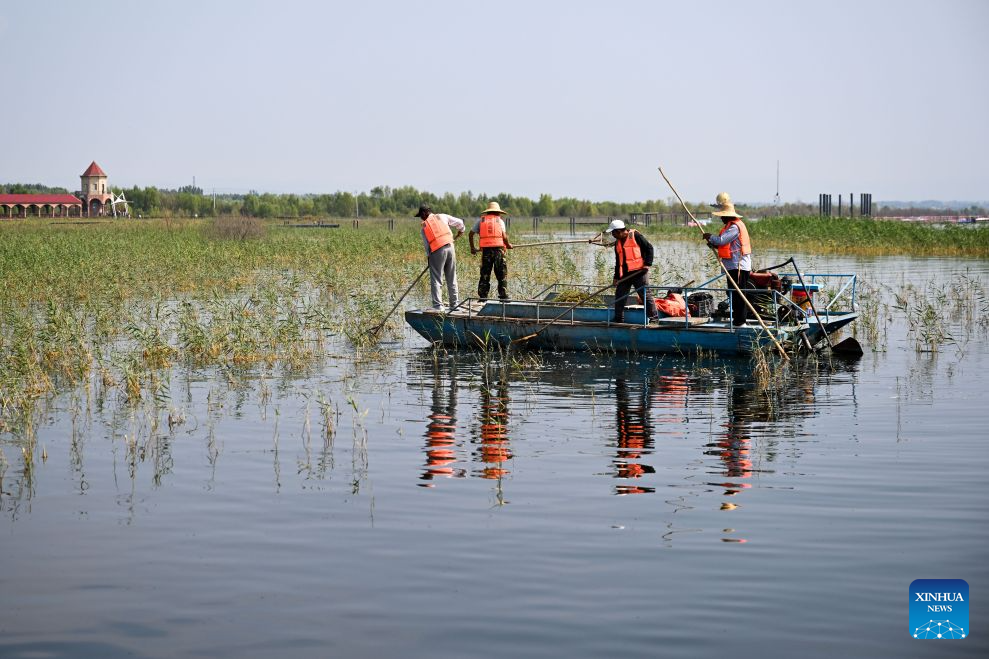
Workers remove aquatic plants from Daihai Lake in Ulanqab, north China's Inner Mongolia Autonomous Region, Aug. 21, 2026. Hulun Lake, Ulan Suhai Lake and Daihai Lake are three major freshwater lakes in Inner Mongolia. Once affected by natural and human factors, the lakes suffered from shrinking water areas and deteriorating water quality.
Comprehensive ecological restoration efforts in recent years have brought notable improvements, with water quality steadily recovering and wildlife species increasing.
The three lakes are now playing a stronger role in safeguarding the ecological security of northern China. (Xinhua/Li Zhipeng)
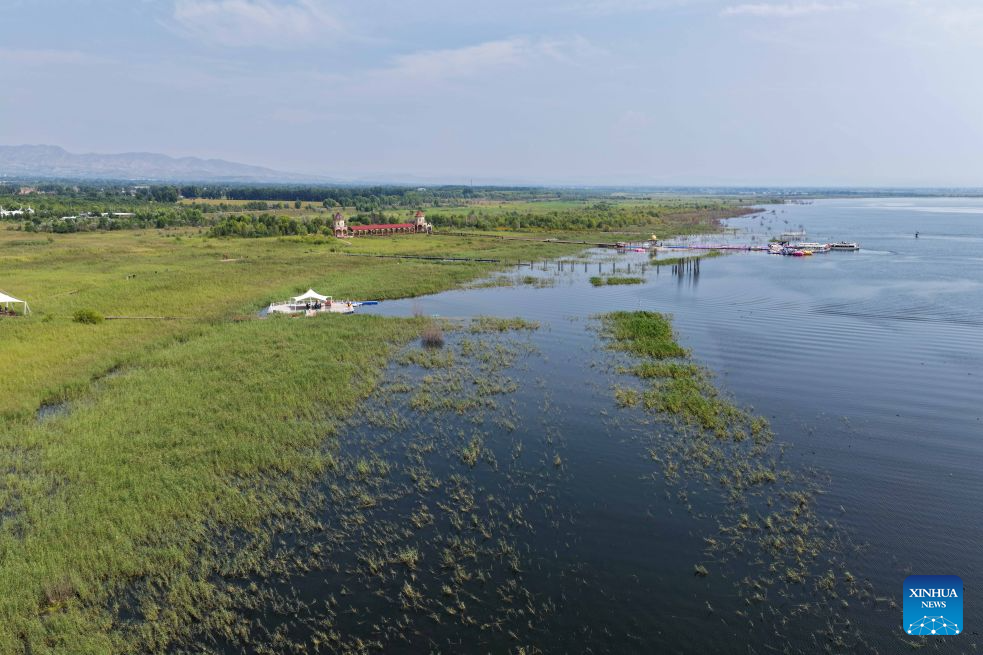
An aerial drone photo taken on Aug. 21, 2026 shows a view of Daihai Lake in Ulanqab, north China's Inner Mongolia Autonomous Region. Hulun Lake, Ulan Suhai Lake and Daihai Lake are three major freshwater lakes in Inner Mongolia. Once affected by natural and human factors, the lakes suffered from shrinking water areas and deteriorating water quality.
Comprehensive ecological restoration efforts in recent years have brought notable improvements, with water quality steadily recovering and wildlife species increasing.
The three lakes are now playing a stronger role in safeguarding the ecological security of northern China. (Xinhua/Li Zhipeng)
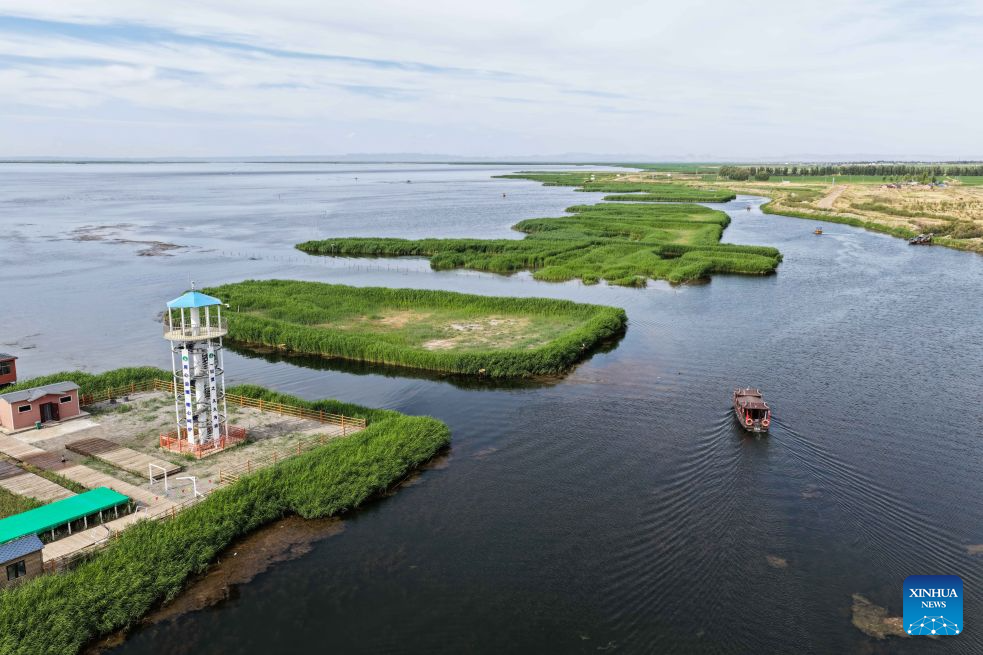
An aerial drone photo taken on May 31, 2026 shows a view of Ulan Suhai Lake in Urad Front Banner of Bayannur, north China's Inner Mongolia Autonomous Region. Hulun Lake, Ulan Suhai Lake and Daihai Lake are three major freshwater lakes in Inner Mongolia. Once affected by natural and human factors, the lakes suffered from shrinking water areas and deteriorating water quality.
Comprehensive ecological restoration efforts in recent years have brought notable improvements, with water quality steadily recovering and wildlife species increasing.
The three lakes are now playing a stronger role in safeguarding the ecological security of northern China. (Xinhua/Li Zhipeng)
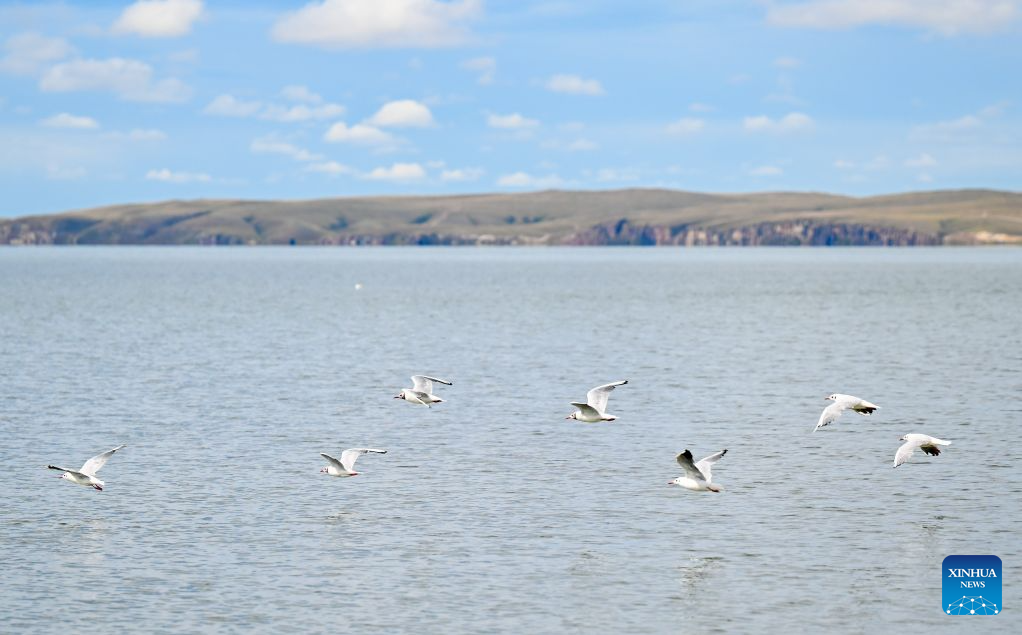
This photo taken on Aug. 27, 2026 shows a view of Hulun Lake in Hulun Buir, north China's Inner Mongolia Autonomous Region. Hulun Lake, Ulan Suhai Lake and Daihai Lake are three major freshwater lakes in Inner Mongolia. Once affected by natural and human factors, the lakes suffered from shrinking water areas and deteriorating water quality.
Comprehensive ecological restoration efforts in recent years have brought notable improvements, with water quality steadily recovering and wildlife species increasing.
The three lakes are now playing a stronger role in safeguarding the ecological security of northern China. (Xinhua/Bei He)
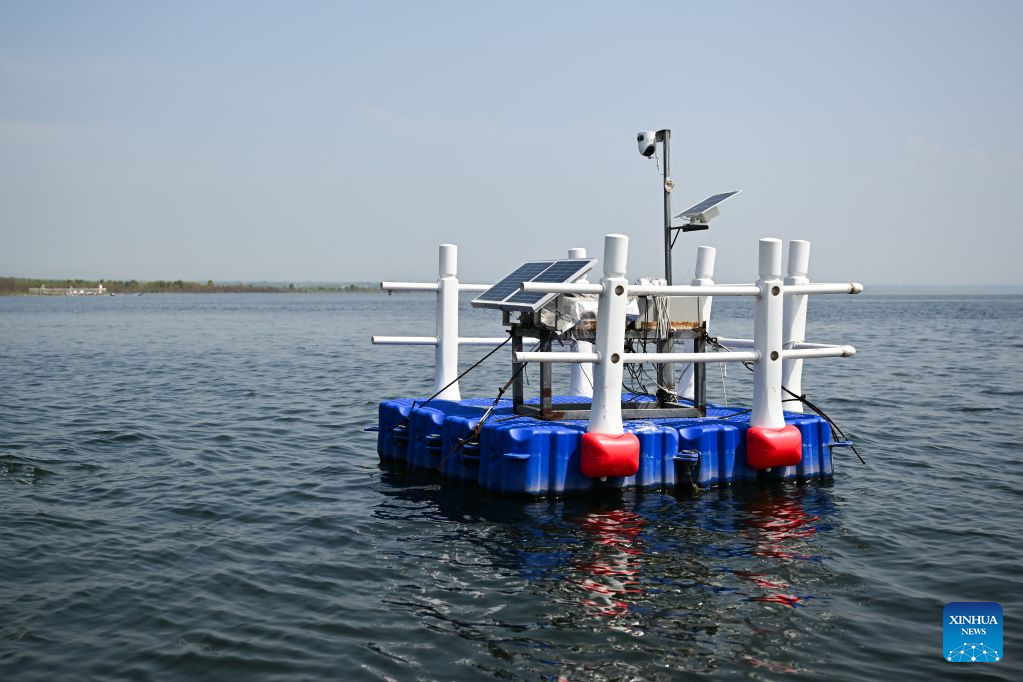
This photo taken on Aug. 21, 2026 shows a water quality monitoring device on Daihai Lake in Ulanqab, north China's Inner Mongolia Autonomous Region. Hulun Lake, Ulan Suhai Lake and Daihai Lake are three major freshwater lakes in Inner Mongolia. Once affected by natural and human factors, the lakes suffered from shrinking water areas and deteriorating water quality.
Comprehensive ecological restoration efforts in recent years have brought notable improvements, with water quality steadily recovering and wildlife species increasing.
The three lakes are now playing a stronger role in safeguarding the ecological security of northern China. (Xinhua/Li Zhipeng)
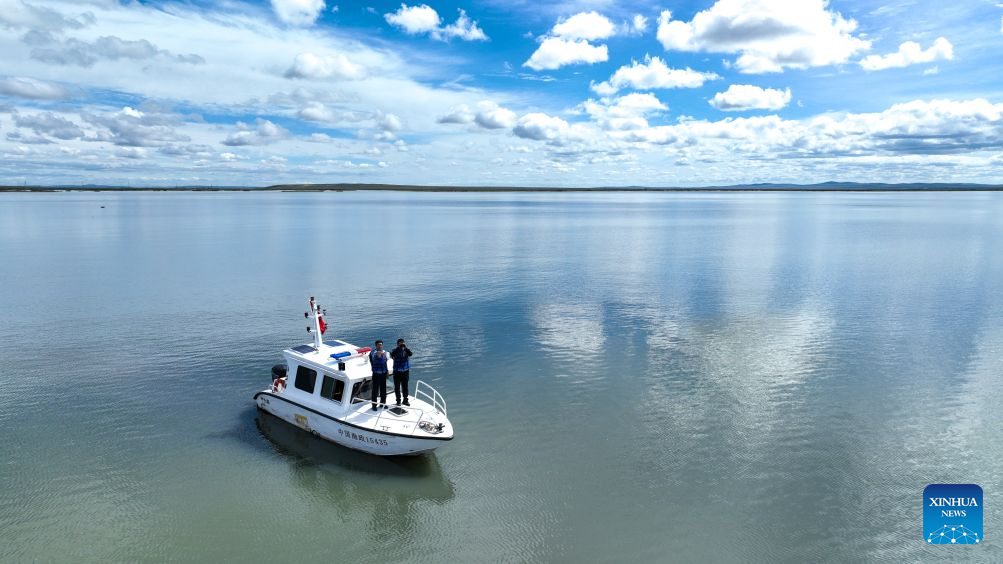
A drone photo taken on Aug. 27, 2026 shows staff members patrolling on Hulun Lake in Hulun Buir, north China's Inner Mongolia Autonomous Region. Hulun Lake, Ulan Suhai Lake and Daihai Lake are three major freshwater lakes in Inner Mongolia. Once affected by natural and human factors, the lakes suffered from shrinking water areas and deteriorating water quality.
Comprehensive ecological restoration efforts in recent years have brought notable improvements, with water quality steadily recovering and wildlife species increasing.
The three lakes are now playing a stronger role in safeguarding the ecological security of northern China. (Xinhua/Bei He)
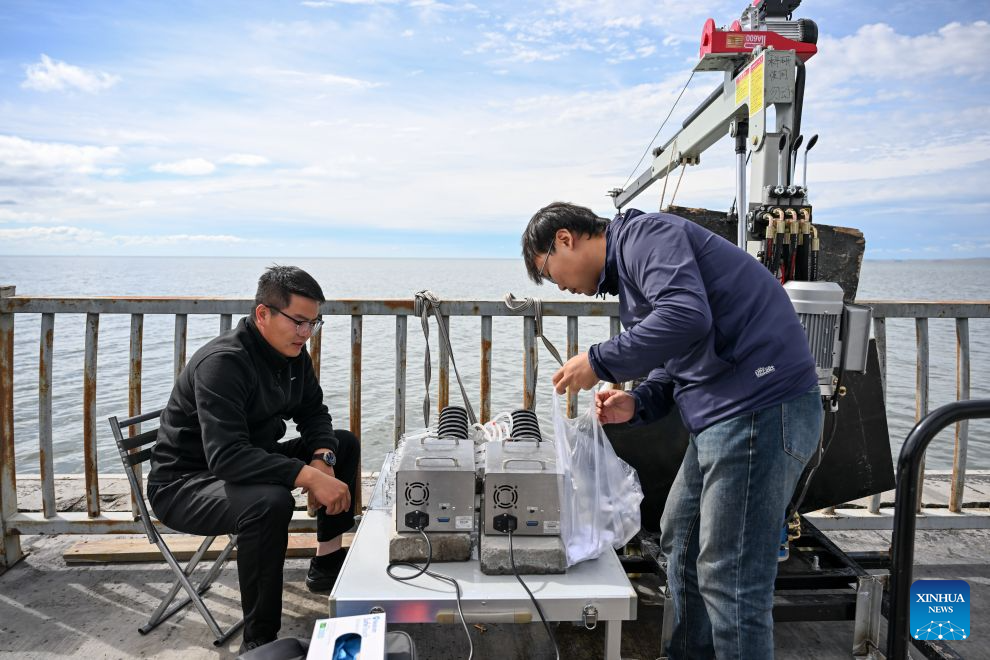
Researchers collect water samples from Hulun Lake at Hulun Lake National Nature Reserve in Hulun Buir, north China's Inner Mongolia Autonomous Region, Aug. 27, 2026. Hulun Lake, Ulan Suhai Lake and Daihai Lake are three major freshwater lakes in Inner Mongolia. Once affected by natural and human factors, the lakes suffered from shrinking water areas and deteriorating water quality.
Comprehensive ecological restoration efforts in recent years have brought notable improvements, with water quality steadily recovering and wildlife species increasing.
The three lakes are now playing a stronger role in safeguarding the ecological security of northern China. (Xinhua/Bei He)
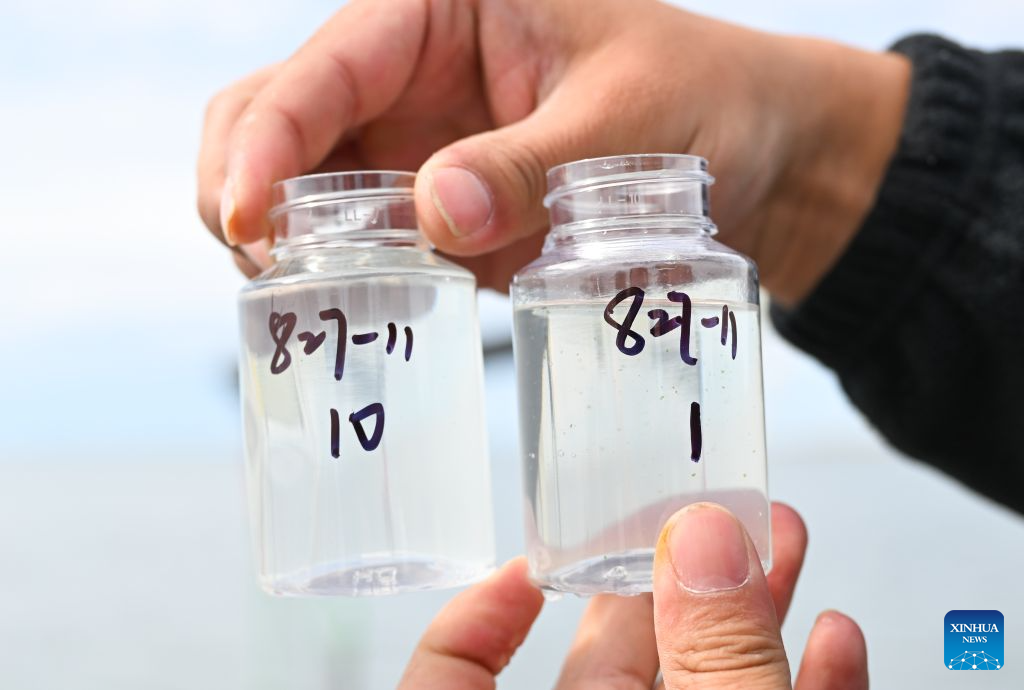
A researcher demonstrates water samples from Hulun Lake for algae analysis at Hulun Lake National Nature Reserve in Hulun Buir, north China's Inner Mongolia Autonomous Region, Aug. 27, 2026. Hulun Lake, Ulan Suhai Lake and Daihai Lake are three major freshwater lakes in Inner Mongolia. Once affected by natural and human factors, the lakes suffered from shrinking water areas and deteriorating water quality.
Comprehensive ecological restoration efforts in recent years have brought notable improvements, with water quality steadily recovering and wildlife species increasing.
The three lakes are now playing a stronger role in safeguarding the ecological security of northern China. (Xinhua/Bei He)
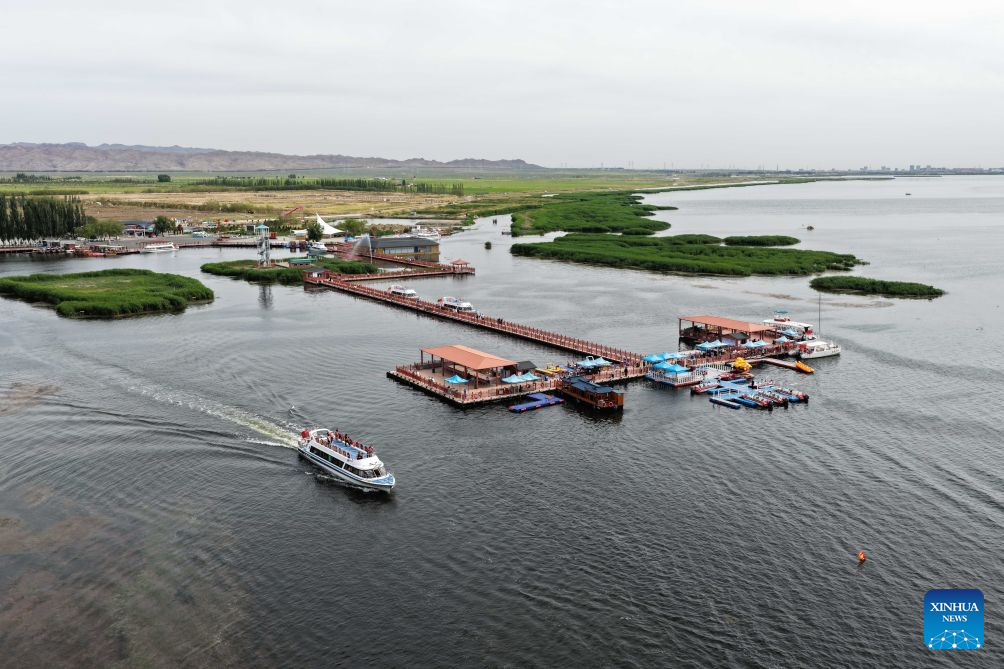
An aerial drone photo taken on May 31, 2026 shows a view of Ulan Suhai Lake in Urad Front Banner of Bayannur, north China's Inner Mongolia Autonomous Region. Hulun Lake, Ulan Suhai Lake and Daihai Lake are three major freshwater lakes in Inner Mongolia. Once affected by natural and human factors, the lakes suffered from shrinking water areas and deteriorating water quality.
Comprehensive ecological restoration efforts in recent years have brought notable improvements, with water quality steadily recovering and wildlife species increasing.
The three lakes are now playing a stronger role in safeguarding the ecological security of northern China. (Xinhua/Li Zhipeng)
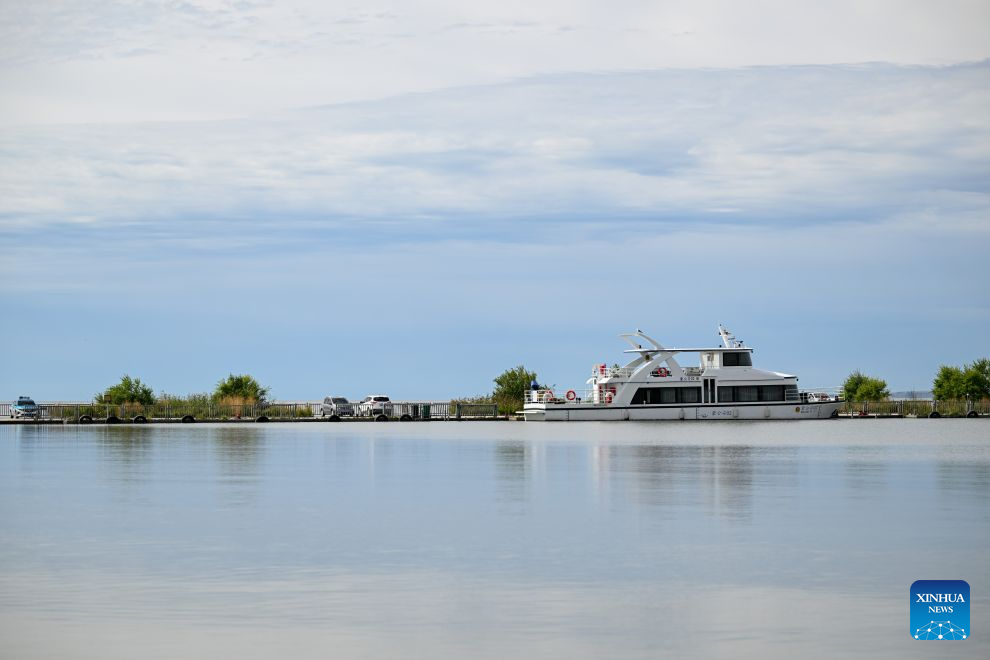
This photo taken on Aug. 27, 2026 shows a view of Hulun Lake in Hulun Buir, north China's Inner Mongolia Autonomous Region. Hulun Lake, Ulan Suhai Lake and Daihai Lake are three major freshwater lakes in Inner Mongolia. Once affected by natural and human factors, the lakes suffered from shrinking water areas and deteriorating water quality.
Comprehensive ecological restoration efforts in recent years have brought notable improvements, with water quality steadily recovering and wildlife species increasing.
The three lakes are now playing a stronger role in safeguarding the ecological security of northern China. (Xinhua/Bei He)
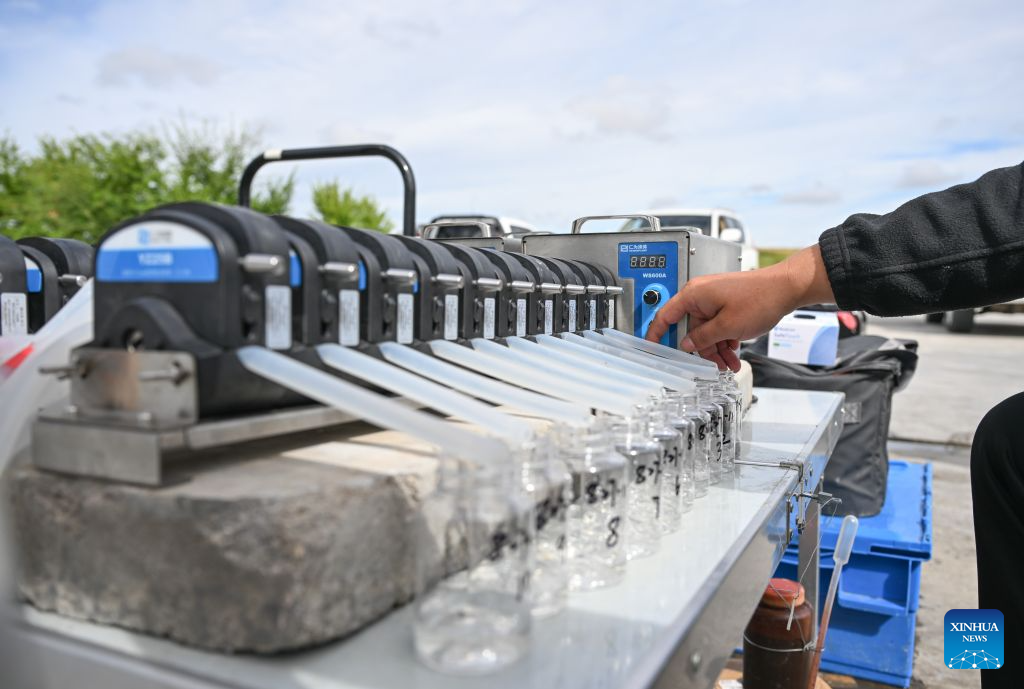
A researcher collects water samples from Hulun Lake for algae analysis at Hulun Lake National Nature Reserve in Hulun Buir, north China's Inner Mongolia Autonomous Region, Aug. 27, 2026. Hulun Lake, Ulan Suhai Lake and Daihai Lake are three major freshwater lakes in Inner Mongolia. Once affected by natural and human factors, the lakes suffered from shrinking water areas and deteriorating water quality.
Comprehensive ecological restoration efforts in recent years have brought notable improvements, with water quality steadily recovering and wildlife species increasing.
The three lakes are now playing a stronger role in safeguarding the ecological security of northern China. (Xinhua/Bei He)
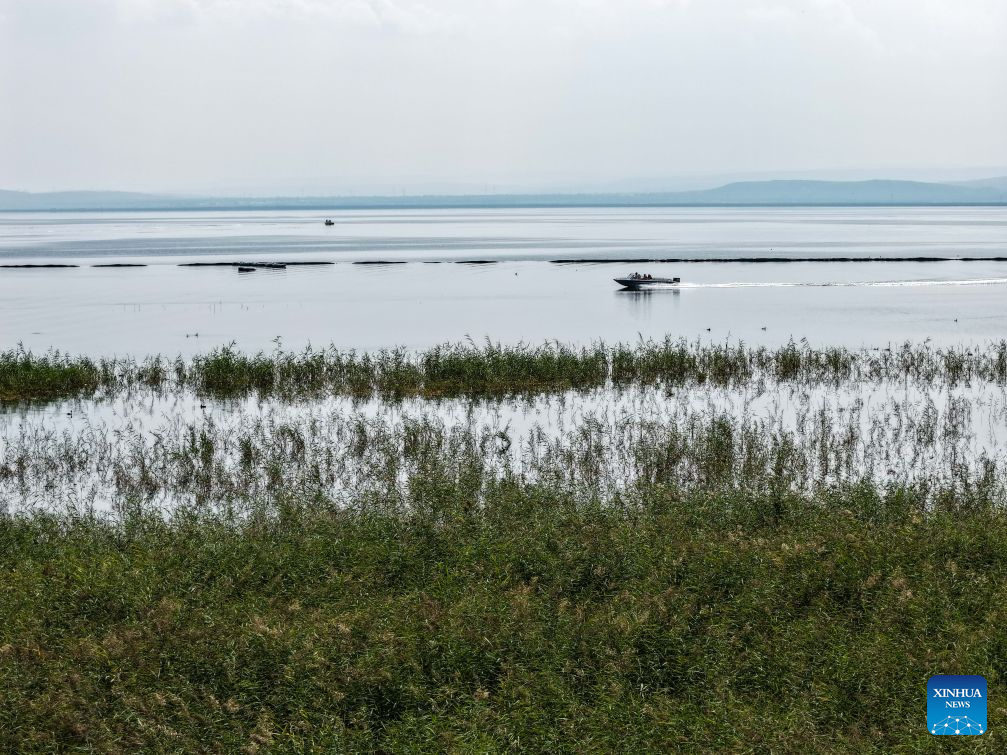
A drone photo taken on Aug. 21, 2026 shows a view of Daihai Lake in Ulanqab, north China's Inner Mongolia Autonomous Region. Hulun Lake, Ulan Suhai Lake and Daihai Lake are three major freshwater lakes in Inner Mongolia. Once affected by natural and human factors, the lakes suffered from shrinking water areas and deteriorating water quality.
Comprehensive ecological restoration efforts in recent years have brought notable improvements, with water quality steadily recovering and wildlife species increasing.
The three lakes are now playing a stronger role in safeguarding the ecological security of northern China. (Xinhua/Li Zhipeng)
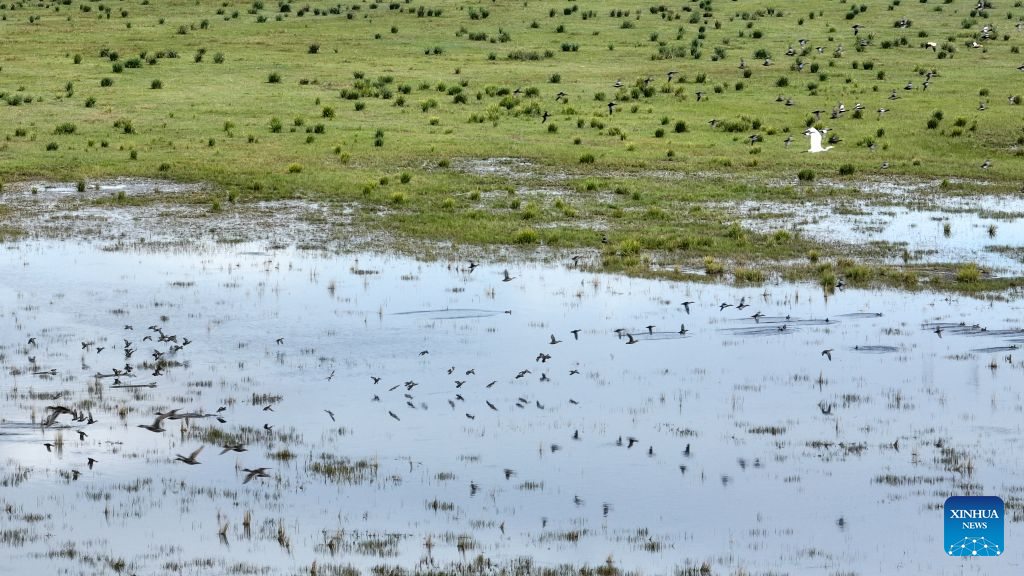
A drone photo taken on Aug. 27, 2026 shows a view of Hulun Lake in Hulun Buir, north China's Inner Mongolia Autonomous Region. Hulun Lake, Ulan Suhai Lake and Daihai Lake are three major freshwater lakes in Inner Mongolia. Once affected by natural and human factors, the lakes suffered from shrinking water areas and deteriorating water quality.
Comprehensive ecological restoration efforts in recent years have brought notable improvements, with water quality steadily recovering and wildlife species increasing.
The three lakes are now playing a stronger role in safeguarding the ecological security of northern China. (Xinhua/Bei He)
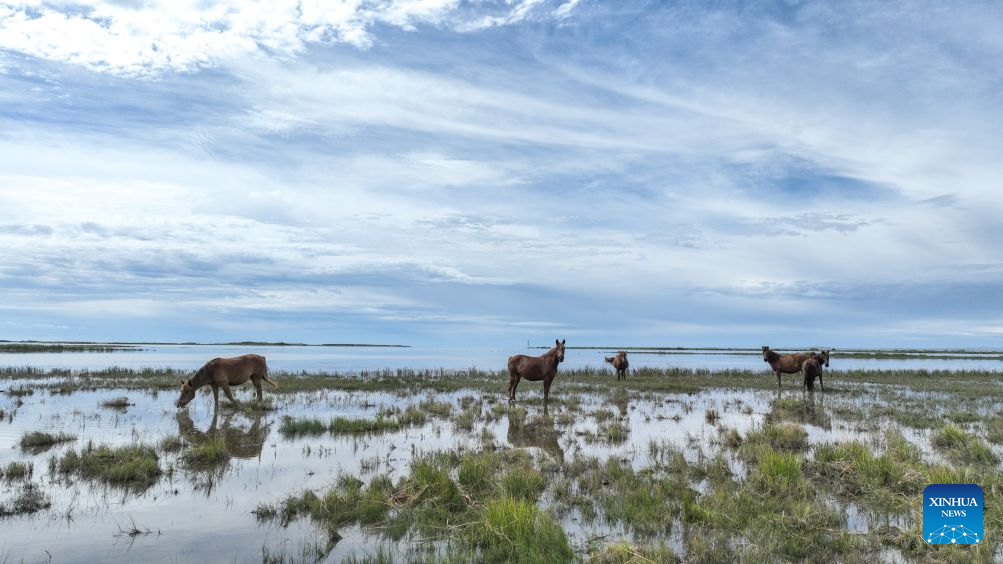
A drone photo taken on Aug. 27, 2026 shows a herd of horses by Hulun Lake in Hulun Buir, north China's Inner Mongolia Autonomous Region. Hulun Lake, Ulan Suhai Lake and Daihai Lake are three major freshwater lakes in Inner Mongolia. Once affected by natural and human factors, the lakes suffered from shrinking water areas and deteriorating water quality.
Comprehensive ecological restoration efforts in recent years have brought notable improvements, with water quality steadily recovering and wildlife species increasing.
The three lakes are now playing a stronger role in safeguarding the ecological security of northern China. (Xinhua/Bei He)
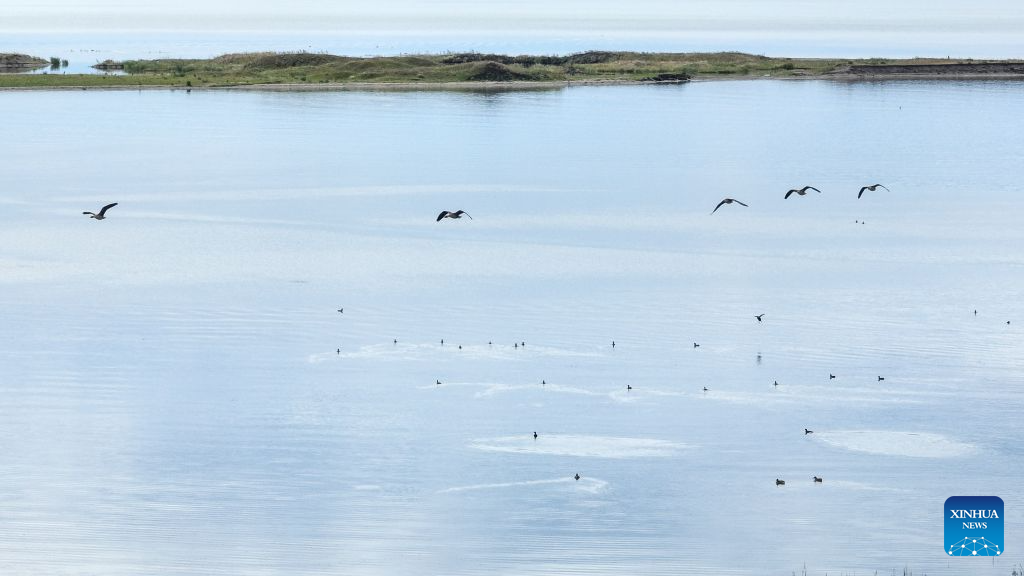
A drone photo taken on Aug. 27, 2026 shows a view of Hulun Lake in Hulun Buir, north China's Inner Mongolia Autonomous Region. Hulun Lake, Ulan Suhai Lake and Daihai Lake are three major freshwater lakes in Inner Mongolia. Once affected by natural and human factors, the lakes suffered from shrinking water areas and deteriorating water quality.
Comprehensive ecological restoration efforts in recent years have brought notable improvements, with water quality steadily recovering and wildlife species increasing.
The three lakes are now playing a stronger role in safeguarding the ecological security of northern China. (Xinhua/Bei He)
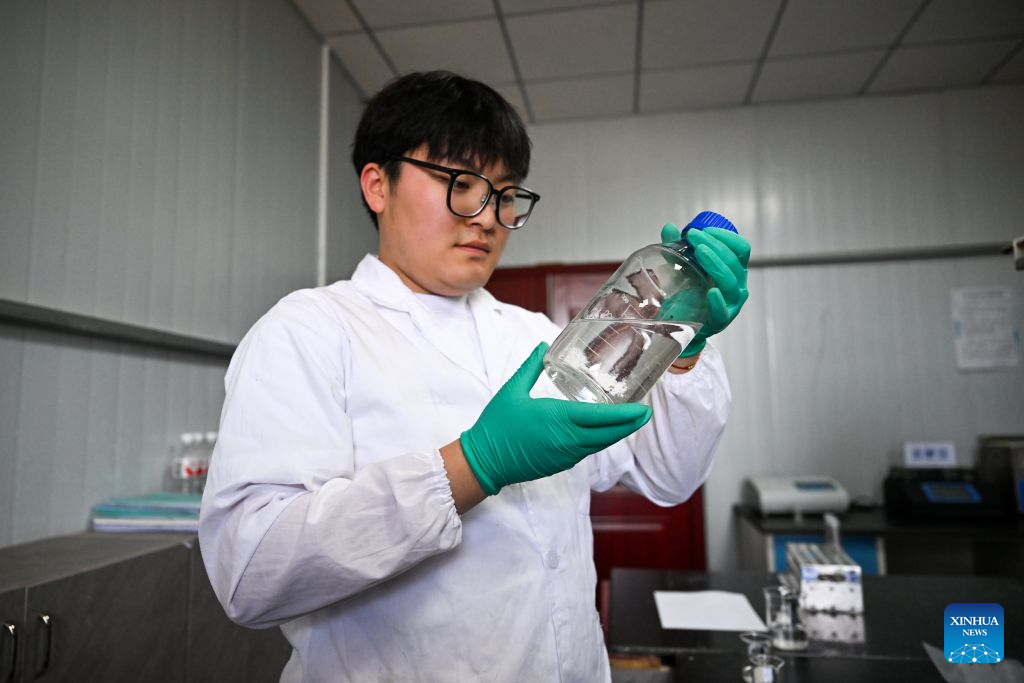
A postgraduate student from Inner Mongolia Agricultural University checks a bottle of water sample at the State Gauge and Research Station of Wetland Ecosystem of Ulan Suhai Lake in Urad Front Banner of Bayannur, north China's Inner Mongolia Autonomous Region, May 31, 2026. Hulun Lake, Ulan Suhai Lake and Daihai Lake are three major freshwater lakes in Inner Mongolia. Once affected by natural and human factors, the lakes suffered from shrinking water areas and deteriorating water quality.
Comprehensive ecological restoration efforts in recent years have brought notable improvements, with water quality steadily recovering and wildlife species increasing.
The three lakes are now playing a stronger role in safeguarding the ecological security of northern China. (Xinhua/Li Zhipeng)
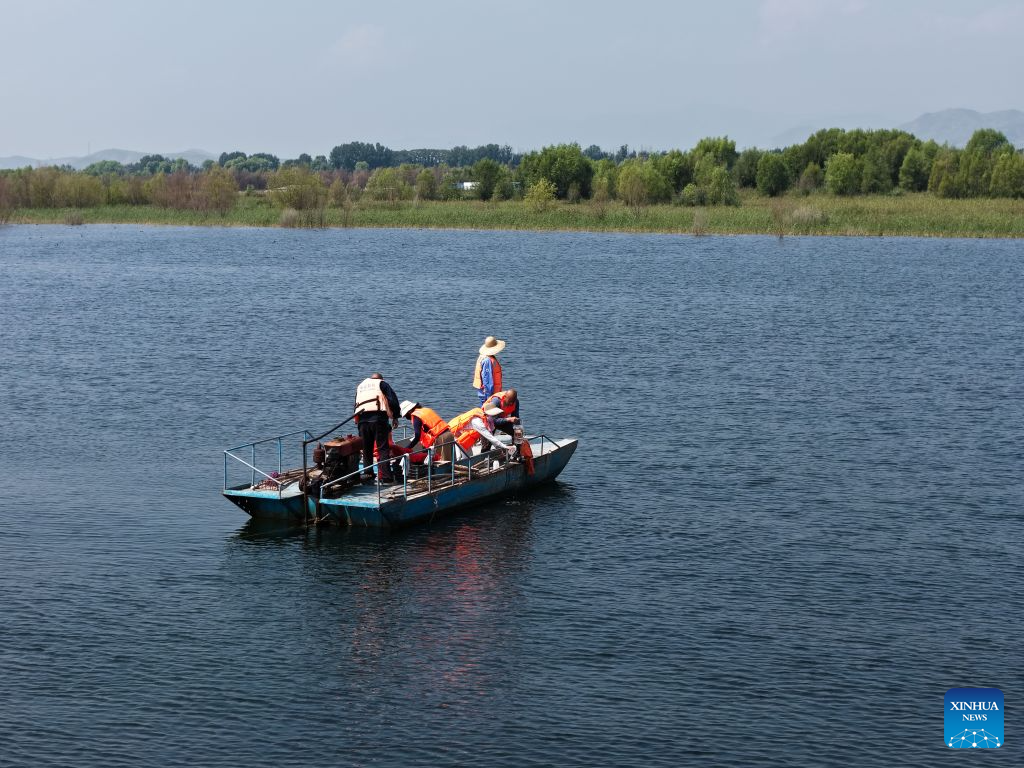
A drone photo shows staff members collecting water samples from Daihai Lake in Ulanqab, north China's Inner Mongolia Autonomous Region, Aug. 21, 2026. Hulun Lake, Ulan Suhai Lake and Daihai Lake are three major freshwater lakes in Inner Mongolia. Once affected by natural and human factors, the lakes suffered from shrinking water areas and deteriorating water quality.
Comprehensive ecological restoration efforts in recent years have brought notable improvements, with water quality steadily recovering and wildlife species increasing.
The three lakes are now playing a stronger role in safeguarding the ecological security of northern China. (Xinhua/Li Zhipeng)