


Football matches were divided into four quarters to allow hydration breaks, fans voiced widespread outrage over visa policies, soaring ticket prices and controversial dynamic pricing, and a contentious red card suspension sparked debate across the sporting world... Like it or not, the 2026 FIFA World Cup has now drawn to a close.
The FIFA logo is displayed on the Jumbotron prior to the 2026 World Cup Group D football match between USA and Paraguay at the Los Angeles Stadium in Inglewood, California, on June 12, 2026. (Photo: AFP)
Co-hosted by the United States, Canada and Mexico, the tournament was the largest in FIFA history. It featured a record 48 teams and 104 matches across 16 host cities throughout North America over more than five weeks of action.
Yet beyond the numbers, it was the human stories, the heartbreaks, the unexpected heroes and the enduring magic of the game that will linger in our memories long after the stadium lights dim.
Defining an era
As the roar echoed through MetLife Stadium in New Jersey and confetti rained down on Spanish players after Sunday's final, La Roja's journey to football's biggest prize reached its climax.
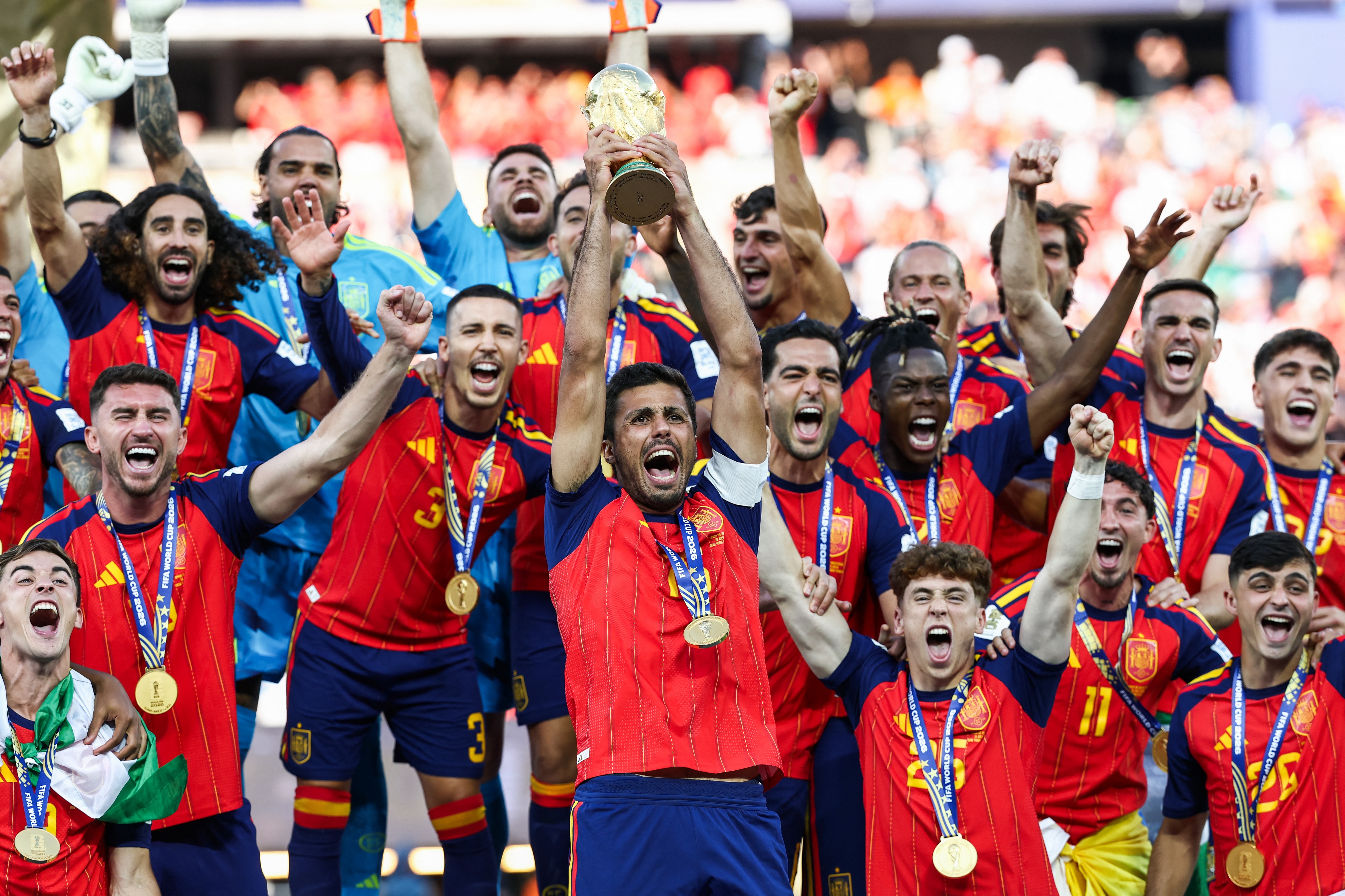
Spain's midfielder #16 Rodri lifts the trophy with his teammates after winning the 2026 World Cup football tournament final match between Spain and Argentina at the New York/New Jersey Stadium in East Rutherford on July 19, 2026. (Photo: AFP)
Spain finished the group stage unbeaten and went on a remarkable run in the knockout rounds, eliminating four European teams -- Austria, Portugal, Belgium and France -- to reach the final against 2022 champions Argentina.
A final between the reigning Copa América champions and the reigning UEFA European champions proved especially grueling. For long periods, neither side could break the deadlock, though Spain dominated possession and created more chances.
Luis de la Fuente's men remained patient in attack. In the 106th minute, Ferran Torres scored a dramatic winner to reward Spain's dominant display against Argentina.
With that goal, Spain secured its second World Cup title, 16 years after its maiden triumph at South Africa 2010.
As celebrations erupted across Spain following the historic victory, anguish, tension and tears swept through Argentina's supporters.
Argentina had hoped to become back-to-back champions, joining Italy (1934 and 1938) and Brazil (1958 and 1962) as the only nations to achieve the feat. But Lionel Scaloni's team failed to register a single shot on target in more than 90 minutes.
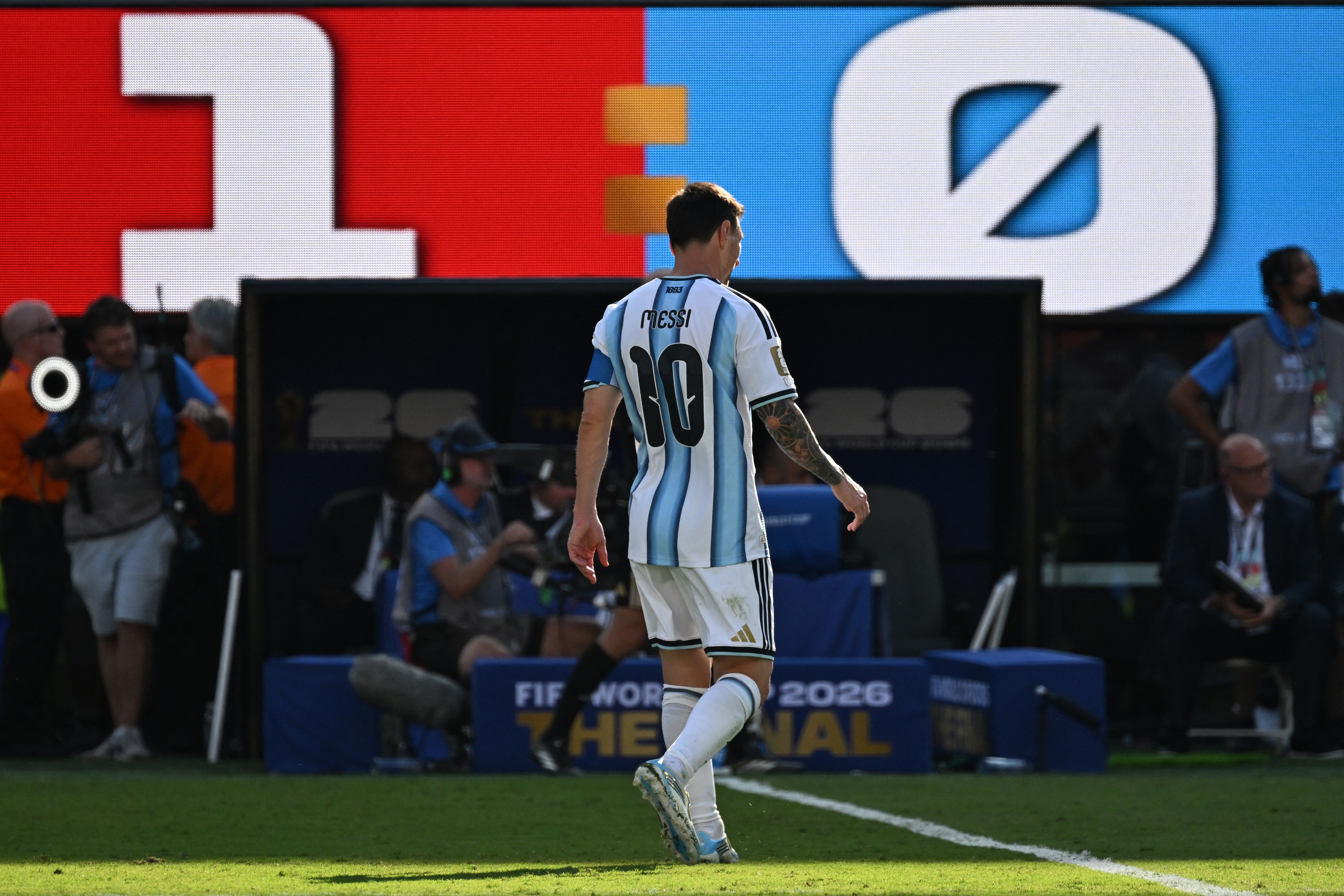
Argentina's forward #10 Lionel Messi reacts after Spain's forward #07 Ferran Torres scores his team's first goal during the 2026 World Cup football tournament final match between Spain and Argentina at the New York/New Jersey Stadium in East Rutherford on July 19, 2026. (Photo: AFP)
At age 39, Argentina captain Lionel Messi had the chance to silence all debate over the greatest player of all time by lifting another World Cup trophy. Instead, his dream of a triumphant farewell on football's biggest stage was shattered.
For Messi and Spanish teenager Lamine Yamal, the final carried a deeply personal and almost poetic significance.
Long before the two met on the biggest stage in football, a remarkable thread of destiny had already connected them for nearly two decades. Their first encounter happened in 2007, when Yamal was just five months old.
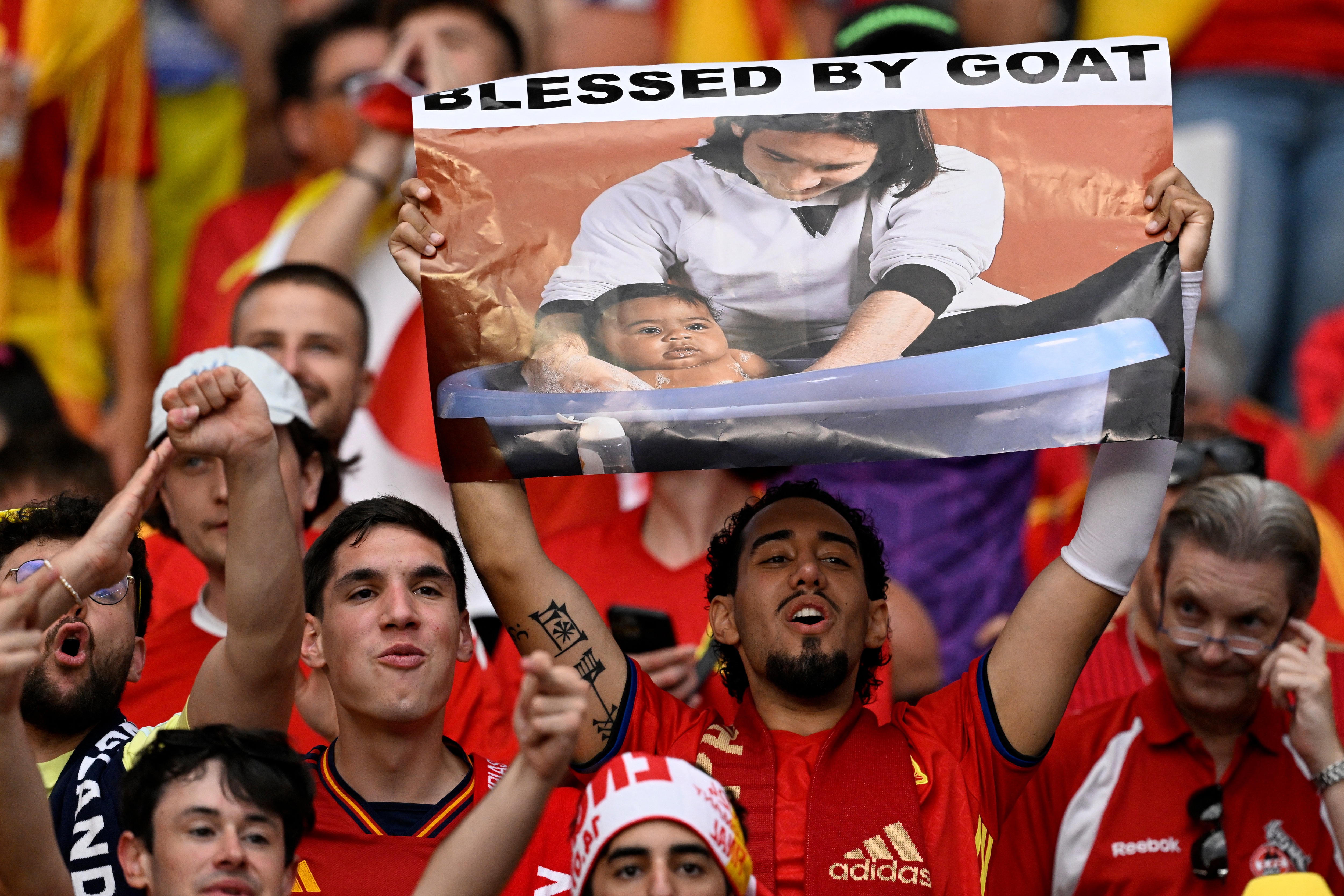
A Spain's supporter holds a placard with a picture showing Argentina's Lionel Messi posing with young Spain's forward #19 Lamine Yamal who was visiting a Barcelona locker room as part of a charity calendar photo shoot in 2007 ahead of the UEFA Euro 2024 final football match between Spain and England at the Olympiastadion in Berlin on July 14, 2024. (Photo: AFP)
During a UNICEF charity event at Camp Nou, a young Messi gently bathed baby Lamine in the dressing room. A photograph capturing the moment resurfaced in recent years and captivated fans around the world.
What appeared to be an ordinary act of kindness became one of football's most poetic stories: the baby Messi once bathed grew up to challenge him on the greatest stage of the sport.
Big farewells
Lionel Messi left the World Cup stage for the final time in tears. For other veterans, however, the pain of an early exit was even more bitter. Cristiano Ronaldo, Neymar and Luka Modric all bid emotional farewells to the tournament.
Cristiano Ronaldo bid an emotional farewell to the World Cup after Portugal's 0-1 defeat to Spain in the round of 16. The Portuguese superstar, who made his tournament debut at just 21, returned this summer at the age of 41 as the second oldest player in the competition. He still managed to score three goals, reminding the world that he remained a formidable force.
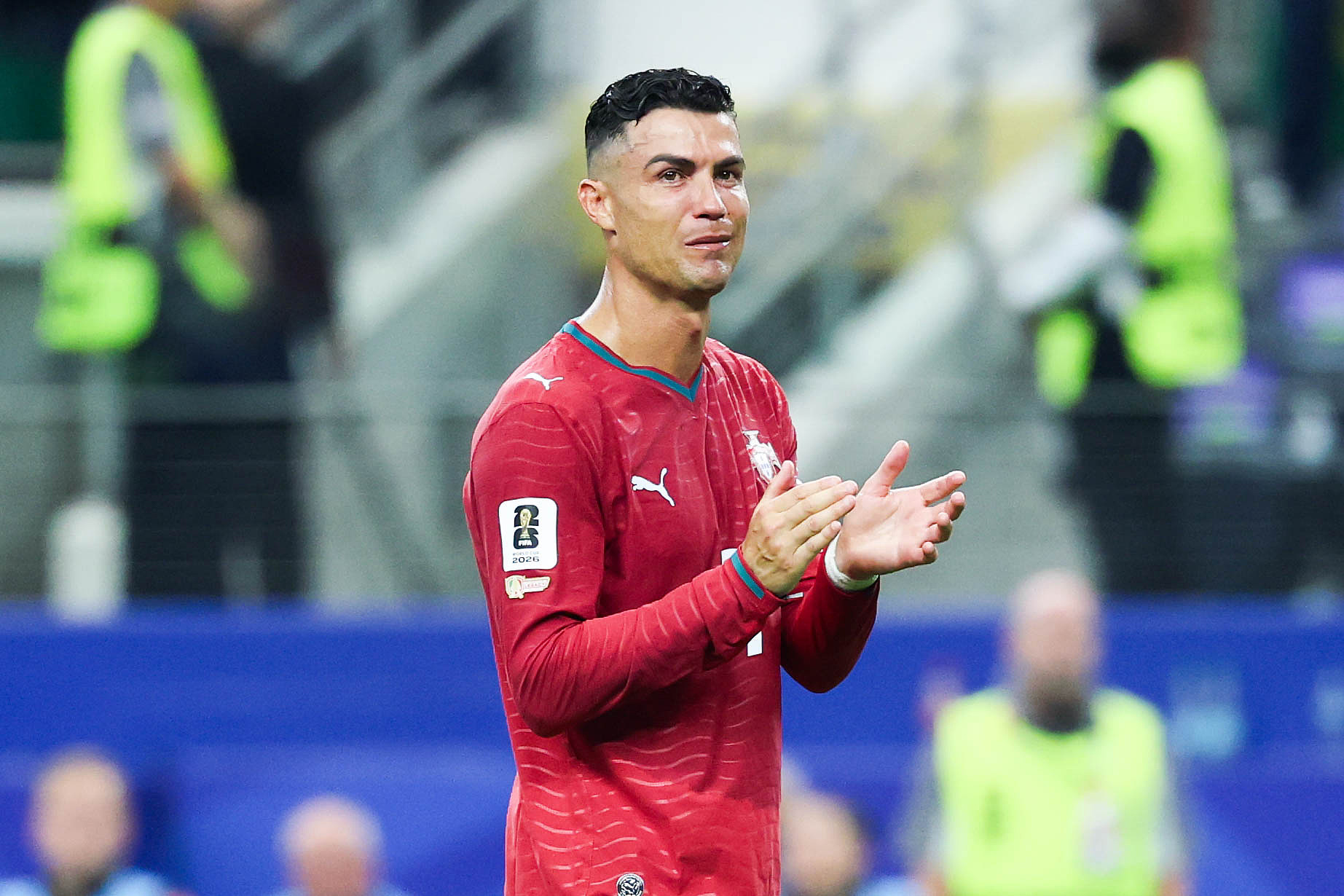
Cristiano Ronaldo cries after Portugal's 1-0 defeat to Spain in the Round of 16 match at the World Cup, at Dallas Stadium, Texas, United States, on July 6, 2026. (Photo: VCG)
The Portugal captain later confirmed that his sixth World Cup would be his last. Though he departs the global stage without lifting the famous trophy, Ronaldo leaves as the first player to score in six different editions of the tournament.
Brazilian superstar Neymar brought his international career to a close at MetLife Stadium, the same venue where he made his international debut back in 2010. This summer, he played his final match in the famous yellow shirt, scoring Brazil's only goal from the penalty spot in stoppage time. However, he could not prevent his team from being eliminated by Norway in the round of 16.
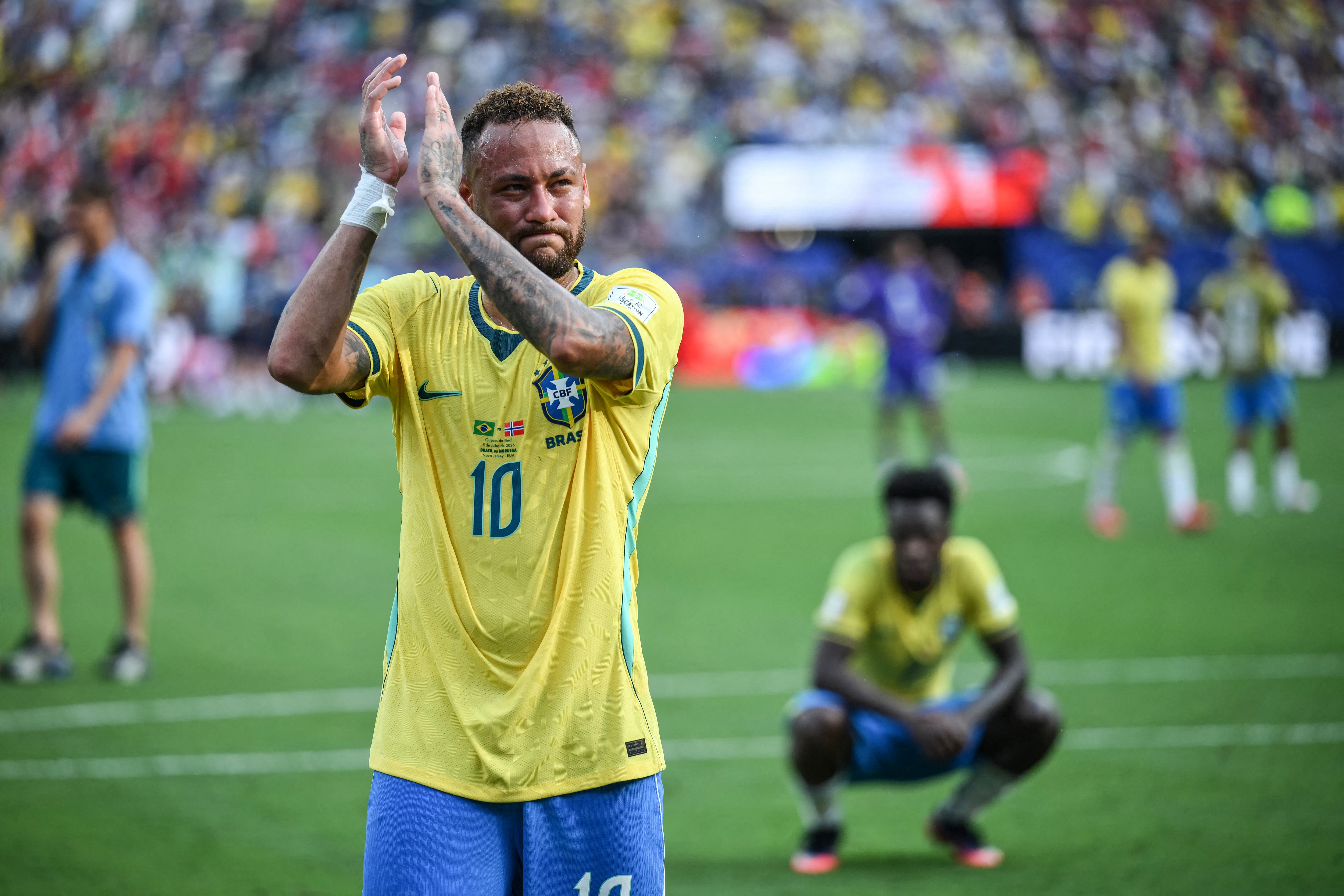
Brazil's forward #10 Neymar reacts after losing the 2026 World Cup round of 16 football match between Brazil and Norway at the New York/New Jersey Stadium in East Rutherford on July 5, 2026. (Photo: AFP)
The 34-year-old had been hampered by a stubborn calf injury that kept him sidelined for most of the tournament. Visibly emotional at the final whistle, Neymar confirmed his retirement from international football, closing a glittering chapter that included a World Cup semifinal appearance and an Olympic gold medal.
Croatian captain Luka Modric played his last match in a heartbreaking 1-2 defeat to Portugal in the round of 32, drawing the curtain on a legendary career that spanned five editions of the tournament. Modric finished his World Cup journey as one of the defining players of his generation, having led Croatia to a historic runner up finish in 2018 and a third-place finish in 2022.
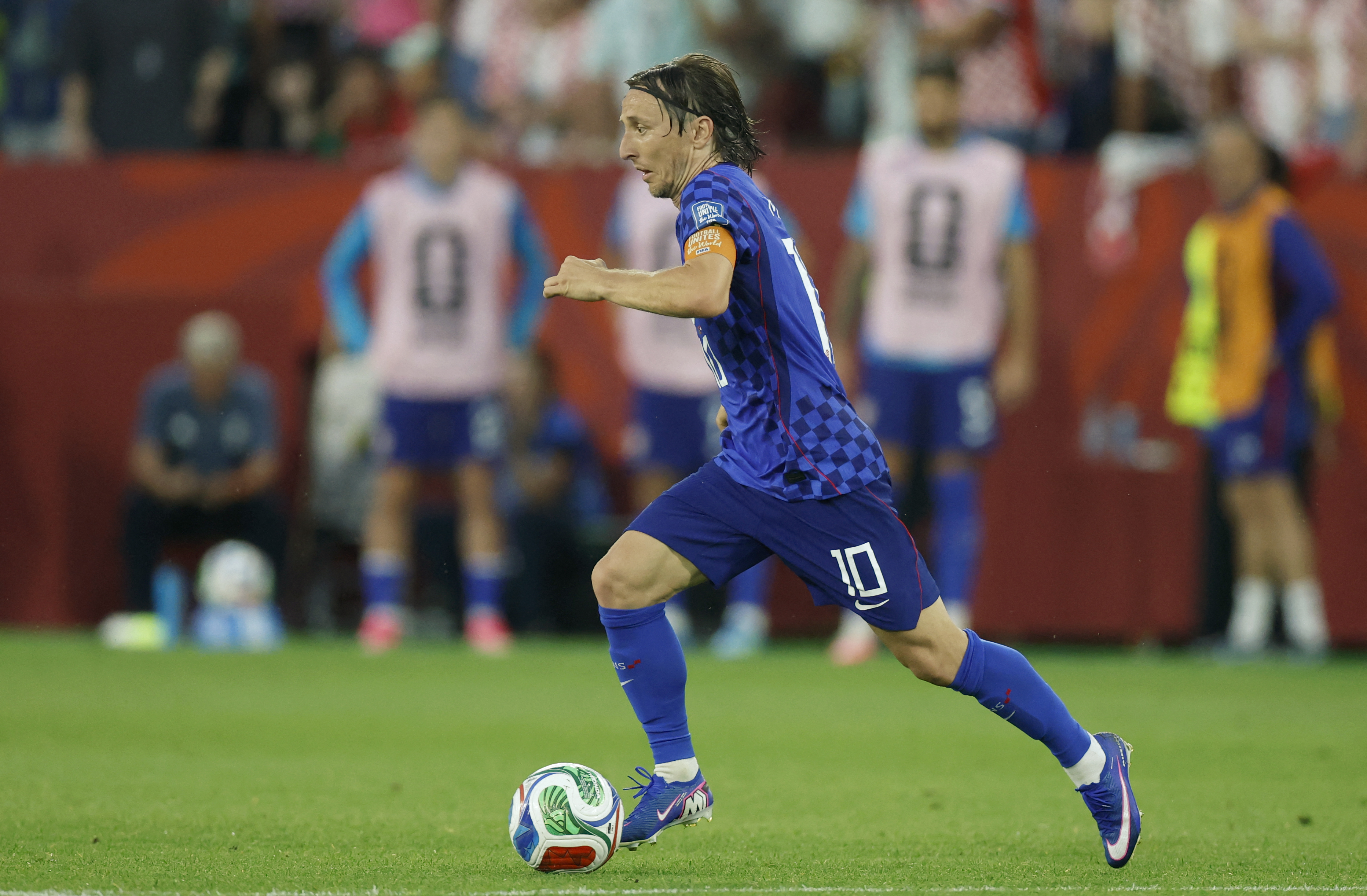
Croatia's midfielder #10 Luka Modric controls the ball during the 2026 World Cup round of 32 football match between Portugal and Croatia at the Toronto Stadium in Toronto on July 2, 2026. (Photo: AFP)
Kevin De Bruyne, Belgium's most decorated midfielder of his generation, could only watch from the bench as his team suffered a 1-2 defeat to Spain in the quarterfinals. His emotional exit marked the end of an era for Belgium's "Golden Generation," concluding a distinguished tournament career across four consecutive World Cups.
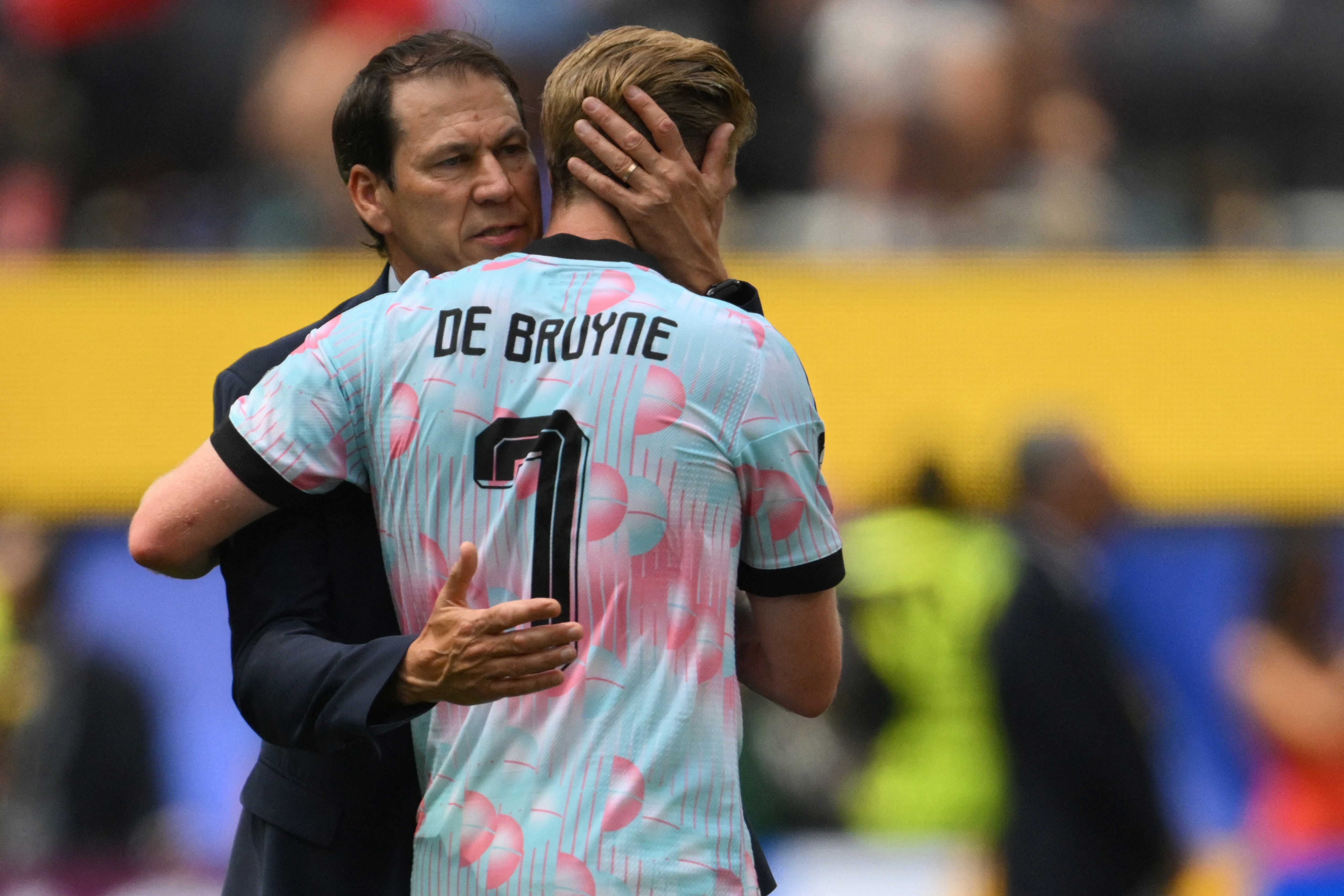
Belgium's French head coach Rudi Garcia and Belgium's midfielder #07 Kevin De Bruyne hug after losing the 2026 World Cup football tournament quarter-final match between Spain and Belgium at the Los Angeles Stadium in Inglewood on July 10, 2026. (Photo: AFP)
Meanwhile, Germany's goalkeeper Manuel Neuer and Mexico's goalkeeper Guillermo Ochoa, both in their 40s, announced their heartbreaking decisions to retire from international football.
Star power
At the other end of the spectrum, the tournament's biggest stars delivered in style. The race for the Golden Boot, an award presented to the tournament’s leading goalscorer, caught fire early and remained absorbing until the final weekend.
Lionel Messi, appearing in his record sixth World Cup, announced his arrival with a dazzling hat trick as Argentina opened their campaign against Algeria. But Kylian Mbappe showed no signs of slowing down, lighting up the tournament with his individual brilliance.
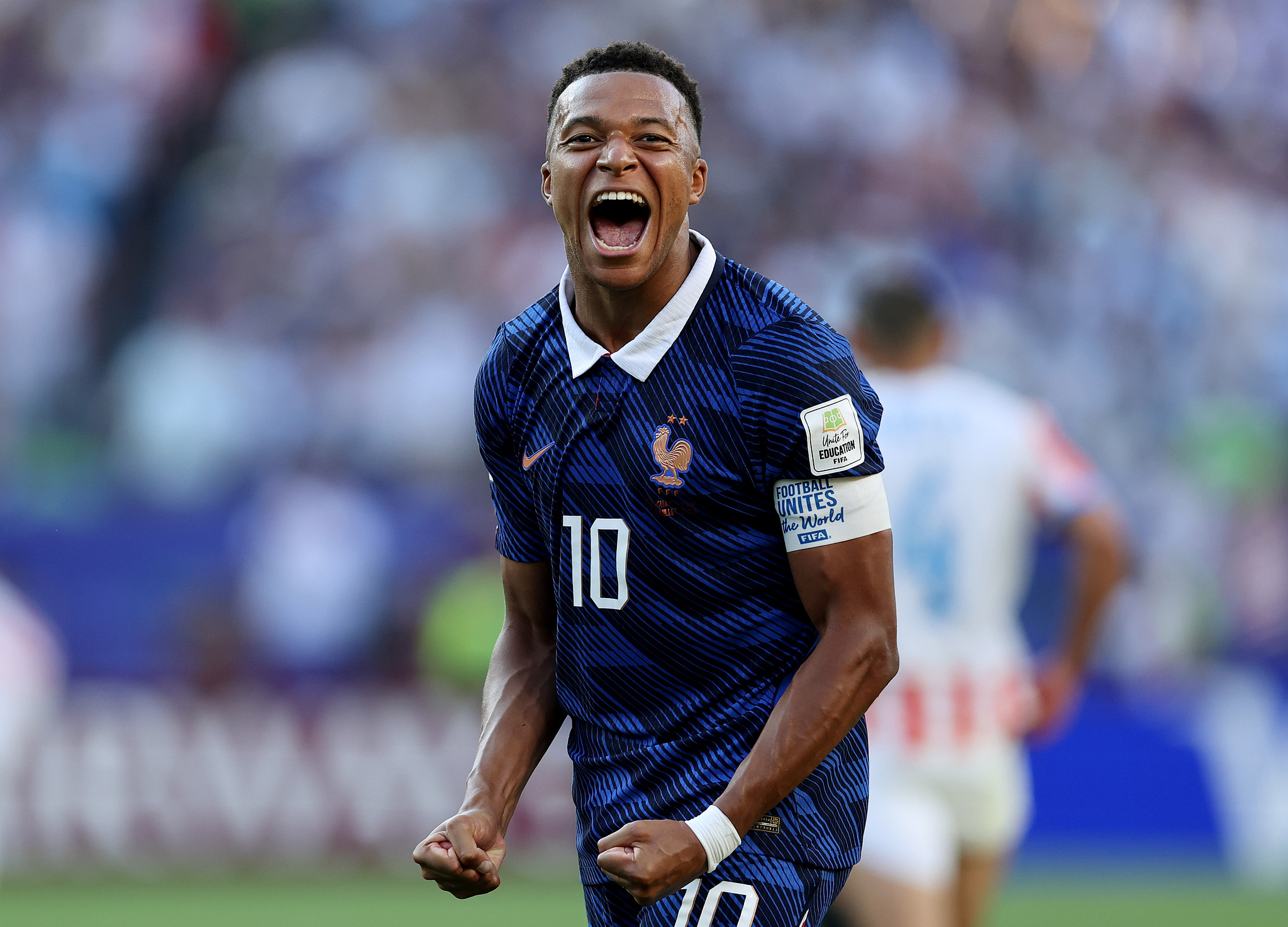
France striker Kylian Mbappe celebrates after scoring a goal in the round-of-16 match against Paraguay at the 2026 FIFA World Cup in Philadelphia, Pennsylvania, on July 4, 2026. (Photo: VCG)
The France captain scored 10 goals to top the charts ahead of Argentina great Messi, who finished with eight at the tournament, and became the first player to win the World Cup Golden Boot twice.
Mbappe is now the top scorer in World Cup history, with 22 goals across three World Cups, one ahead of Messi, who failed to add to his tally in July 19's final.
Norway's towering striker Erling Haaland quickly became a fan favorite, finishing with seven goals, including two in a stunning upset of Brazil in the round of 16.
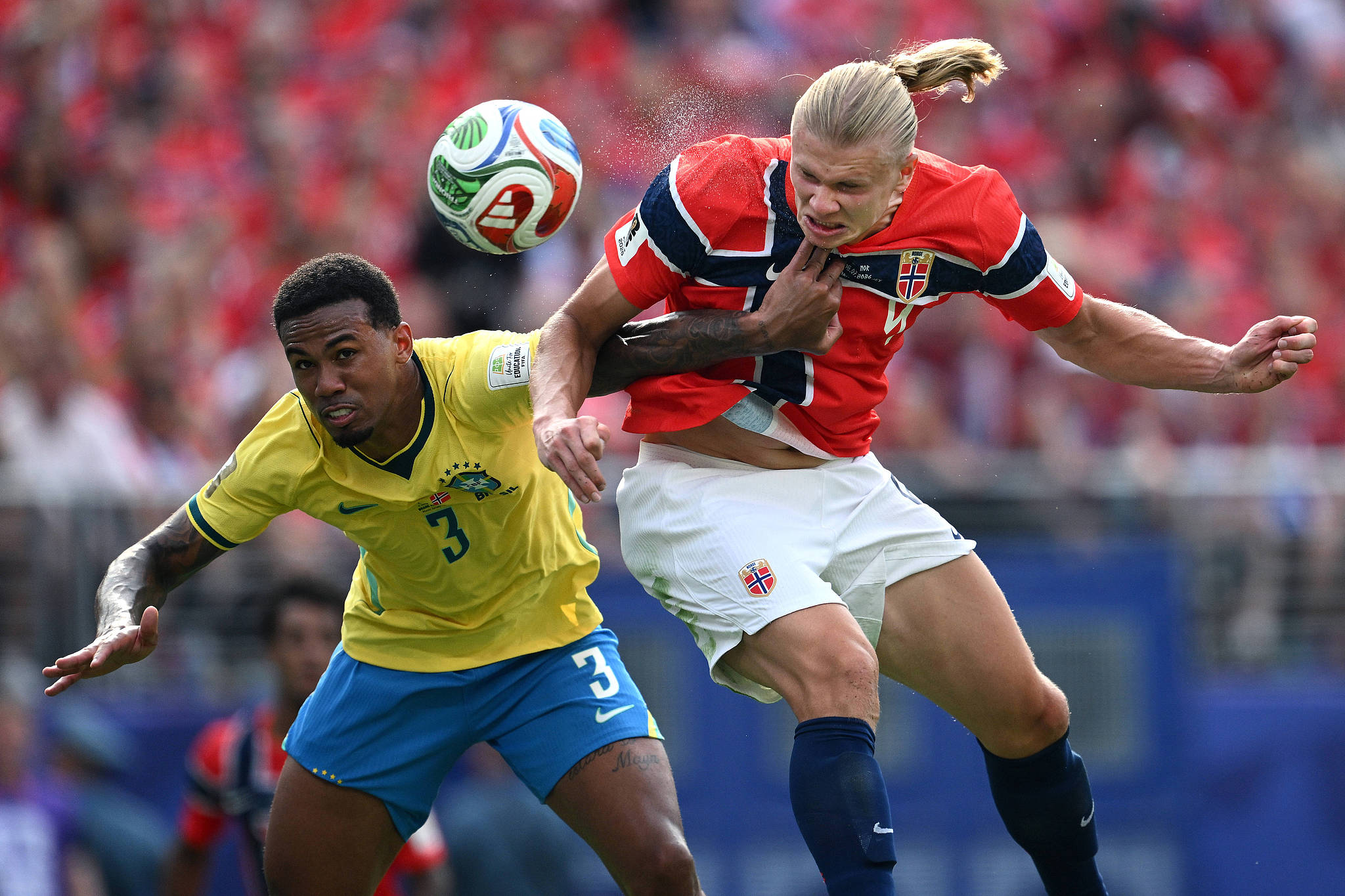
Norway striker Erling Haaland (R) scores with a header in the round-of-16 match against Brazil at the 2026 FIFA World Cup in East Rutherford, New Jersey, on July 5, 2026. (Photo: VCG)
For England, Jude Bellingham scored seven goals while Harry Kane added six as the Three Lions claimed third place with a dazzling 6-4 victory over France.
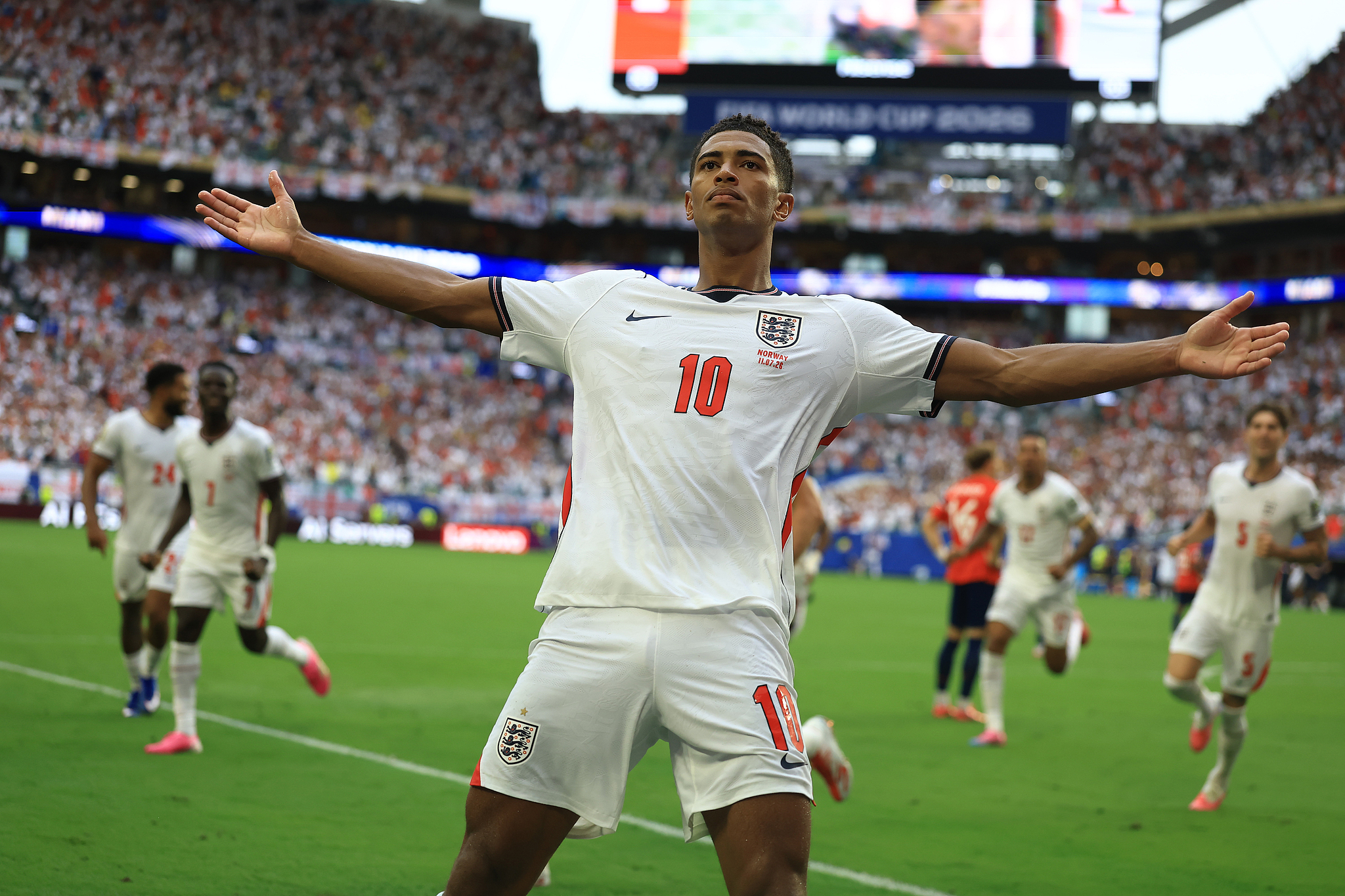
England midfielder Jude Bellingham (#10) celebrates after scoring a goal in the quarterfinal match against Norway at the 2026 FIFA World Cup in Miami Gardens, Florida, on July 11, 2026. (Photo: VCG)
The three host nations, the United States, Canada and Mexico, all reached the last 16 before bowing out.
Overall, 308 goals were scored across 104 matches at an average of 2.96 goals per game, surpassing the previous record of 2.69 in 2022.
Emerging forces
Before the tournament began, many feared that the expansion to 48 teams, including a clutch of tiny debutants, would dilute overall competitiveness. Yet those concerns proved unfounded.
If one story perfectly captured the unpredictability of this enlarged World Cup, it was that of Cape Verde. With disciplined defending, clinical counterattacks and an unbreakable collective spirit, the small island nation off the coast of West Africa proved that its qualification was not down to luck on its World Cup debut.
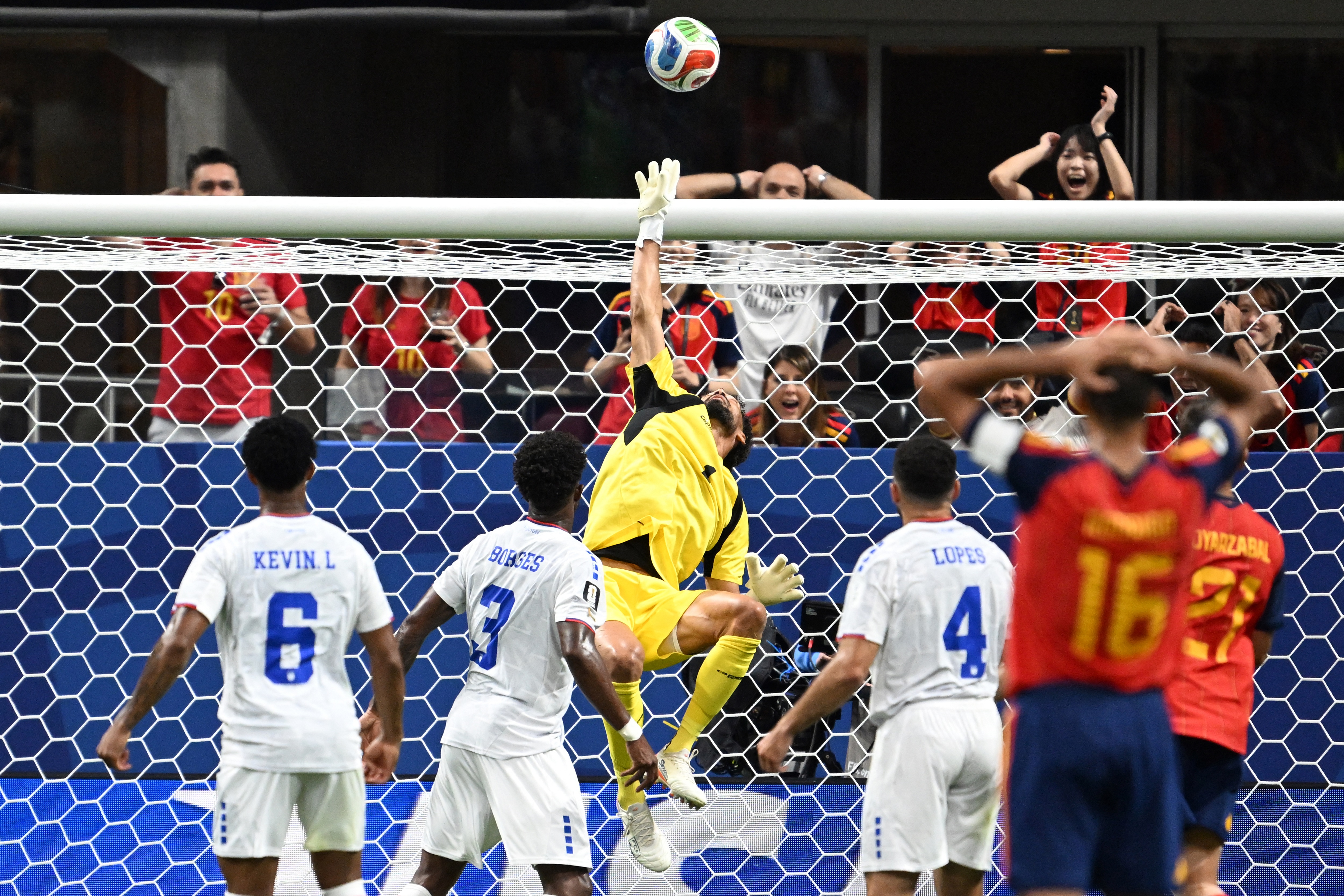
Cape Verde's goalkeeper #01 Vozinha (C) makes a save during the 2026 World Cup Group H football match between Spain and Cape Verde at the Atlanta Stadium in Atlanta on June 15, 2026. (Photo: AFP)
After finishing the group phase undefeated with three draws against Spain, Uruguay and Saudi Arabia, the Blue Sharks fought valiantly before succumbing to a dramatic 2-3 defeat against Argentina in the round of 32. In doing so, they became the only team in the entire tournament that neither of the two finalists -- Spain nor Argentina -- could defeat in 90 minutes of regulation time.
Curacao, with a population of just 185,000, scored its first ever World Cup goal while taking on four-time champions Germany and then earned a 0-0 draw with South American powerhouse Ecuador.
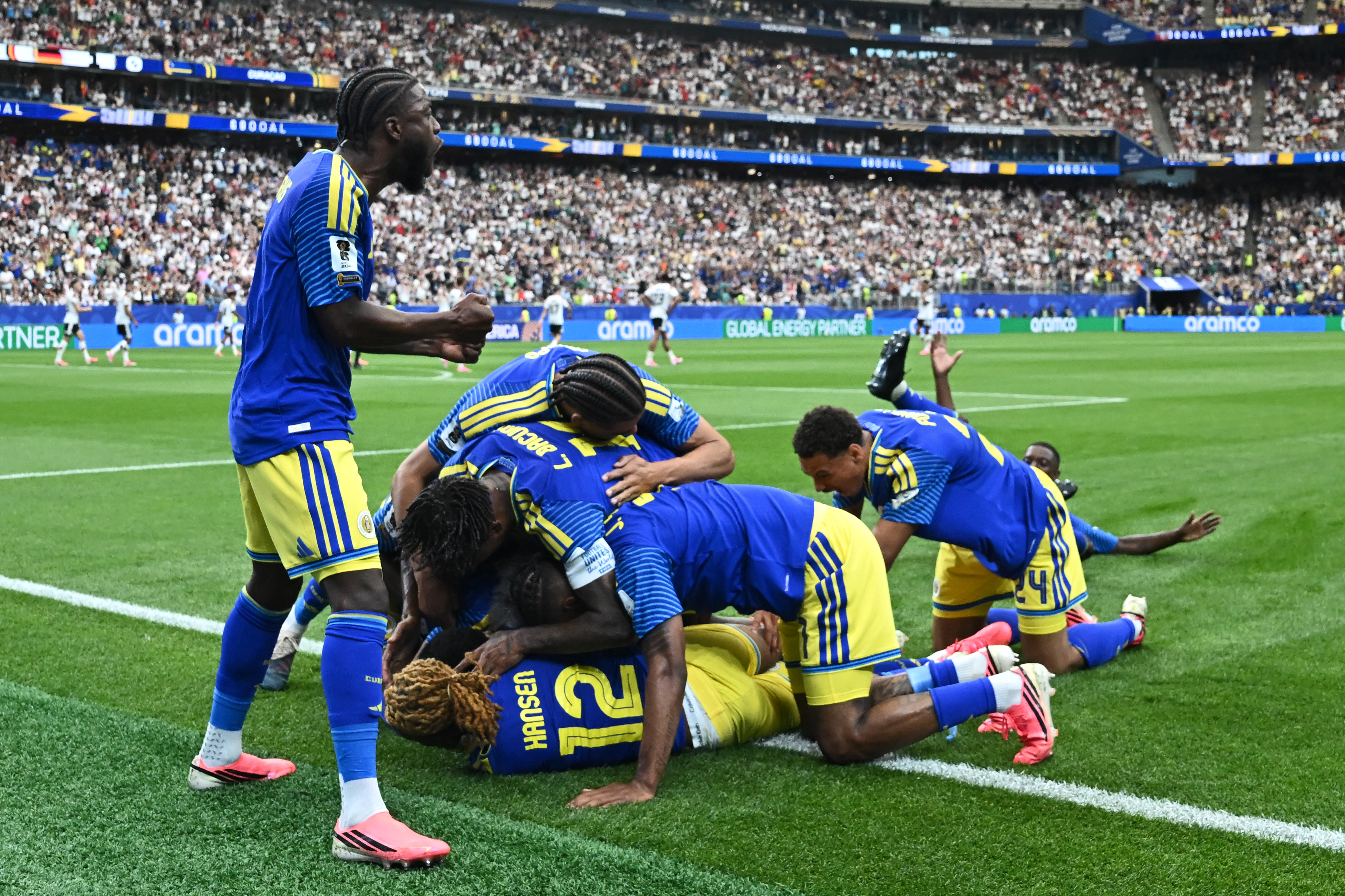
Curacao's players celebrate after scoring agoal during the 2026 World Cup Group E football match between Germany and Curacao at the Houston Stadium in Houston on June 14, 2026. (Photo: AFP)
Egypt reached the knockout rounds for the first time and came within a whisker of a stunning upset of Argentina, leading 2-0 with 11 minutes to go before eventually succumbing to Messi's magic.
The Egyptians and Cape Verde were among a record nine African teams that reached the knockout rounds, signaling the continent's continuing rise.
Norway also produced a fairytale run. Before 2026, the Norwegians had not qualified for a World Cup since 1998, when they reached the round of 16 before being eliminated by Italy.
At the 2026 tournament, they shone brightly. Finishing second behind France in a competitive group featuring Senegal and Iraq, they then edged past another African powerhouse, Cote d'Ivoire, with a 2-1 victory in the round of 32.
Led by Manchester City star Erling Haaland, the Norwegians proved they belonged among the world's elite by stunning five-time champions Brazil 2-1, though their dream run ultimately came to an end against England.
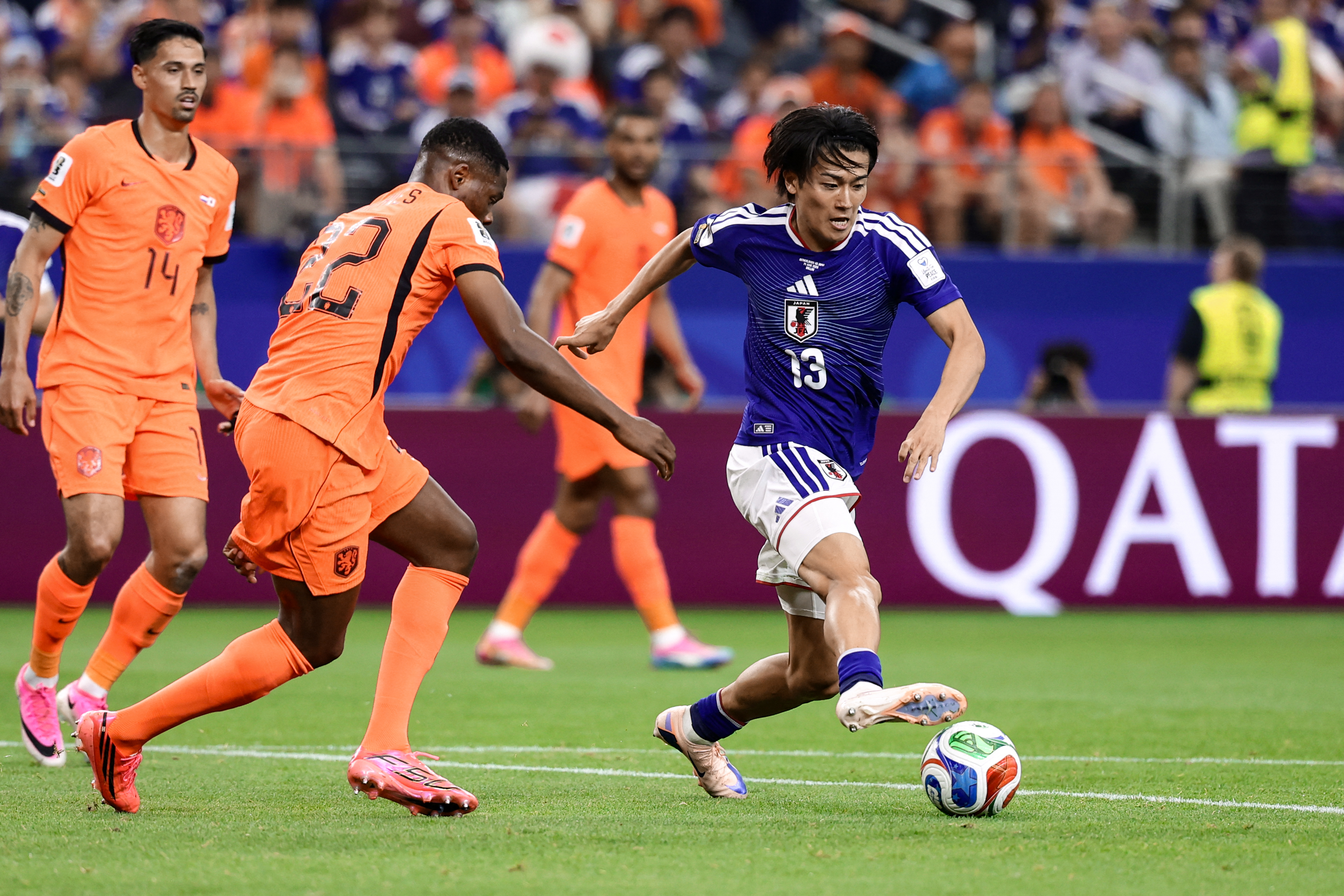
Japan's midfielder #13 Keito Nakamura (R) fights for the ball with Netherlands' defender #22 Denzel Dumfries during the 2026 World Cup Group F football match between the Netherlands and Japan at the Dallas Stadium in Arlington on June 14, 2026. (Photo: AFP)
Japan, the highest-ranked Asian team in the FIFA rankings, showcased impressive resilience by coming from behind twice against the Netherlands to equalize the score. In the round of 32, the Samurai Blue took an early lead against Brazil before eventually succumbing to the five-time world champions in a 1-2 defeat.
A possible 64--team World Cup?
With the 48-team format delivering expanded opportunities and memorable upsets, FIFA President Gianni Infantino has already floated the idea of further growth, potentially expanding the tournament to 64 teams in future editions.
The World Cup featured 32 teams from 1998 through 2022. The 2026 edition is the first to include 48 teams, a change Infantino has hailed as a "huge success."
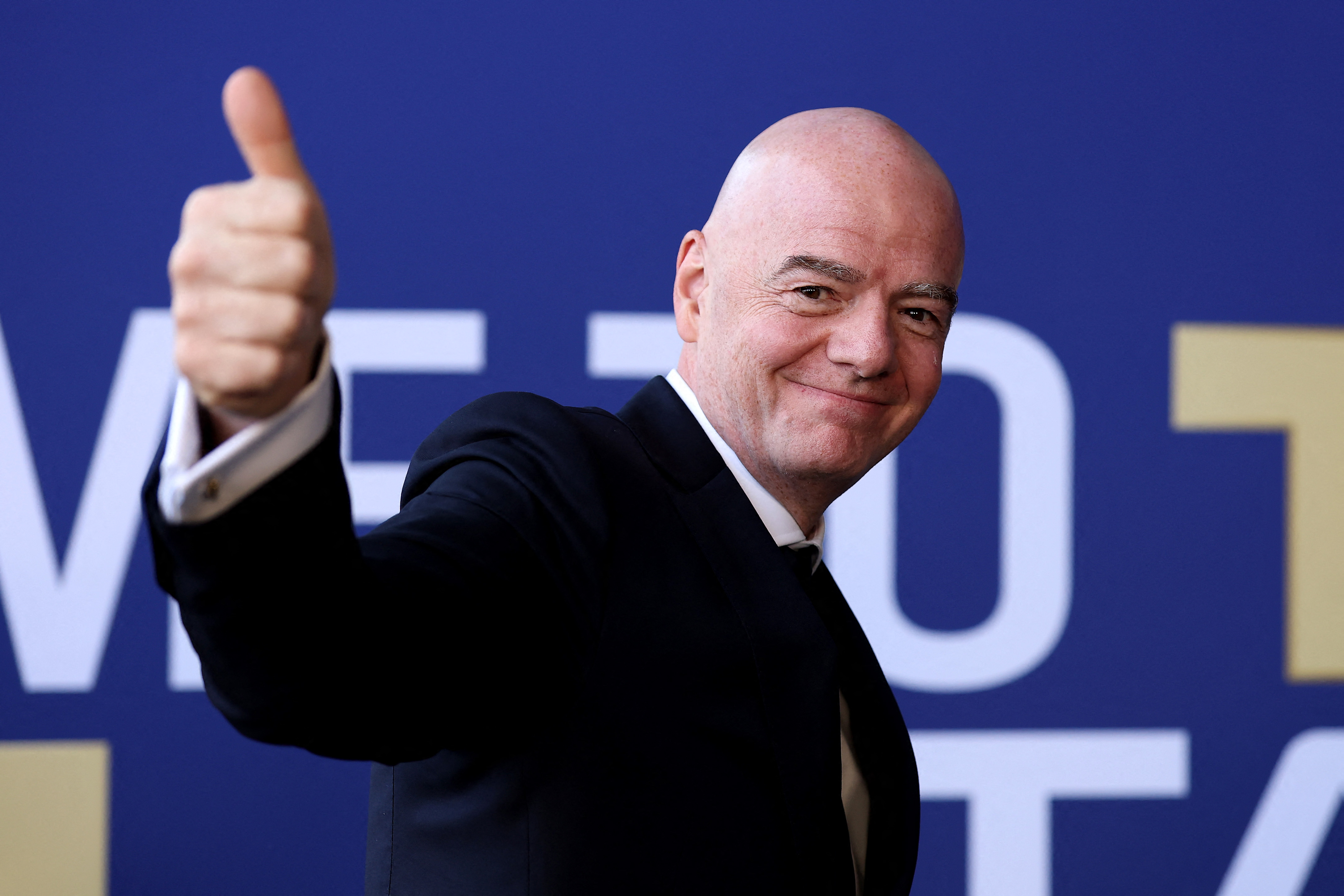
FIFA President Gianni Infantino arrives at the stadium before the FIFA World Cup 2026 Final match between Spain and Argentina at New York New Jersey Stadium on July 19, 2026 in East Rutherford, New Jersey. (Photo: AFP)
For FIFA, the benefits are clear. The addition of 16 more teams has broadened the competition's reach into new territories, significantly expanding commercial opportunities and global audiences. A clear testament to the gains from this unprecedented scale is the forecast that this summer's tournament will generate more than $10 billion in revenue.
Despite those exciting stories from the 2026 tournament, dissenting voices over World Cup expansion persist. Critics argue that the expanded format undermines the quality of competition, devalues the historical prestige of qualification and places extreme physical burdens on players.
At this point, it remains unclear where the World Cup will go from here. But one thing is certain: When the world's biggest tournament spans three continents and six countries to mark its centenary in 2030, the multi-continent effort will bring more than just a larger scale. It will deliver greater inclusivity, broader global reach and a powerful platform for football's continued growth across diverse regions.
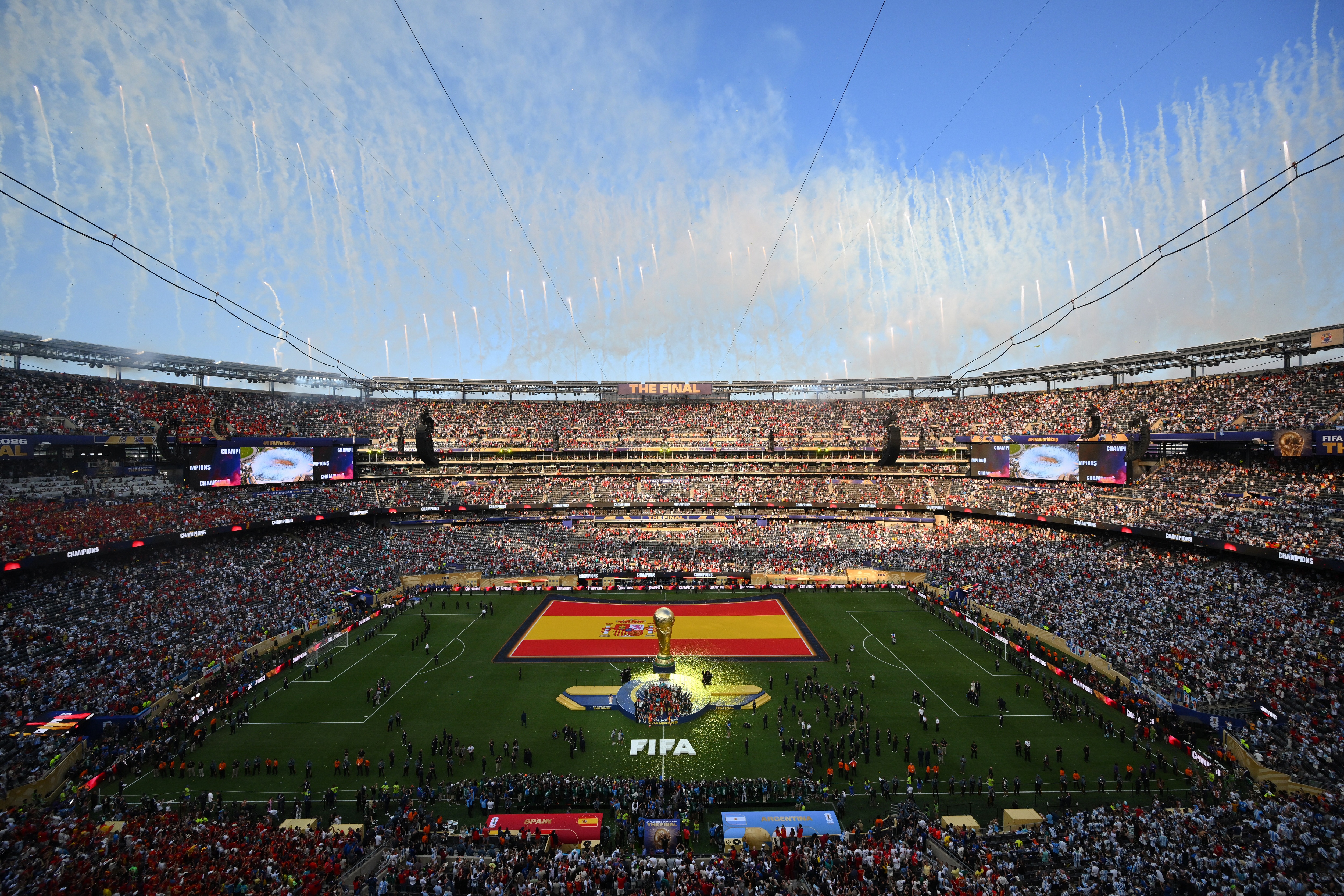
Fireworks explode above the stadium as Spain's players celebrate with the trophy during the final ceremony after the 2026 World Cup football tournament final match between Spain and Argentina at the New York/New Jersey Stadium in East Rutherford on July 19, 2026. (Photo: AFP)
As we wave goodbye to World Cup 2026, a sense of nostalgia has already settled in. We remember the roaring crowds, the underdog stories, the moments of individual brilliance and the collective emotion that only this tournament can produce. Four years from now, football will move on, but the memories born in this edition will remain etched in our hearts.
In the end, that's what the World Cup always gives us: highs that lift the soul, lows that break the heart and stories that remind us why we fall in love with the beautiful game again and again.