


China's research vessel Tansuo-1, carrying the crewed submersible Fendouzhe, arrived in Guangzhou, south China's Guangdong Province, on May 10 after completing a 156-day Pacific crossing mission under the Global Hadal Exploration Program, including the first China-Chile joint manned expedition to the Atacama Trench.
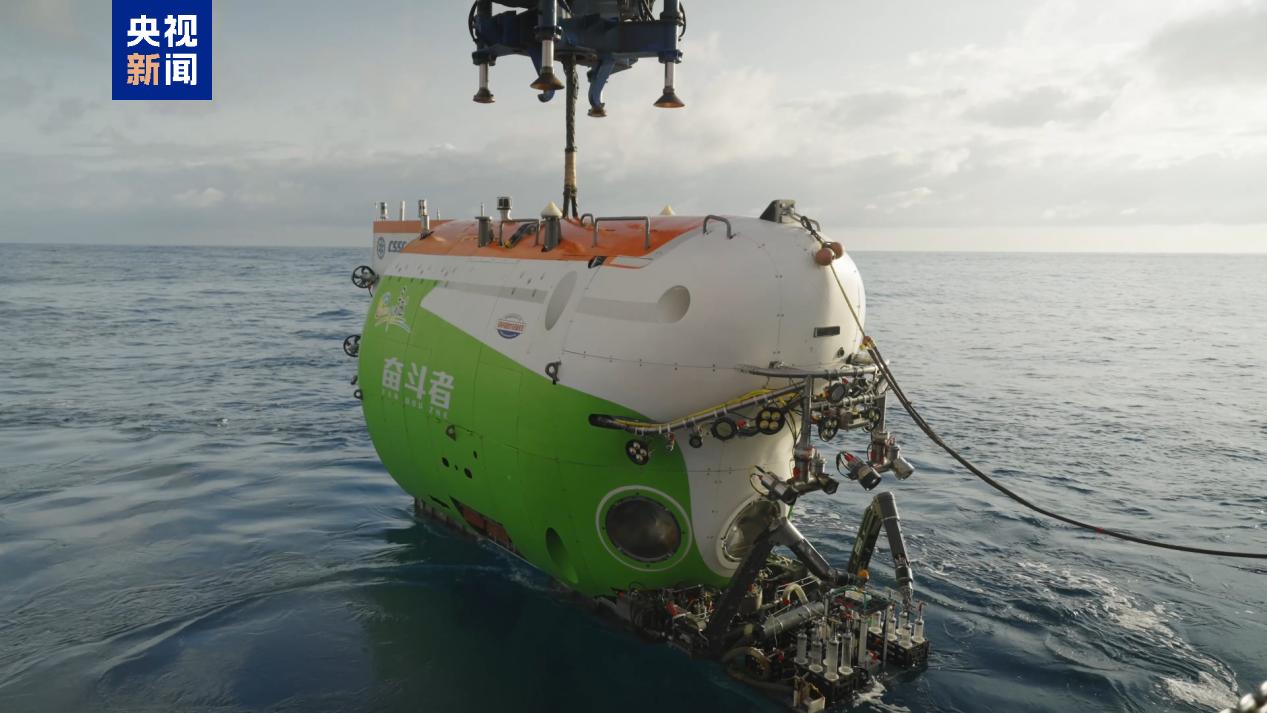
The crewed submersible Fendouzhe. (Photos: China Media Group)
The expedition was led by the State Key Laboratory of Deep-Sea Science and Intelligent Technology under the Chinese Academy of Sciences' Institute of Deep-Sea Science and Engineering.
It departed Sanya on December 6, 2025, lasted 156 days, and covered more than 40,000 kilometers – roughly the length of one circumnavigation of the Earth along the equator. A total of 83 researchers, from China, Chile, Germany, Denmark, Canada and Spain, participated.
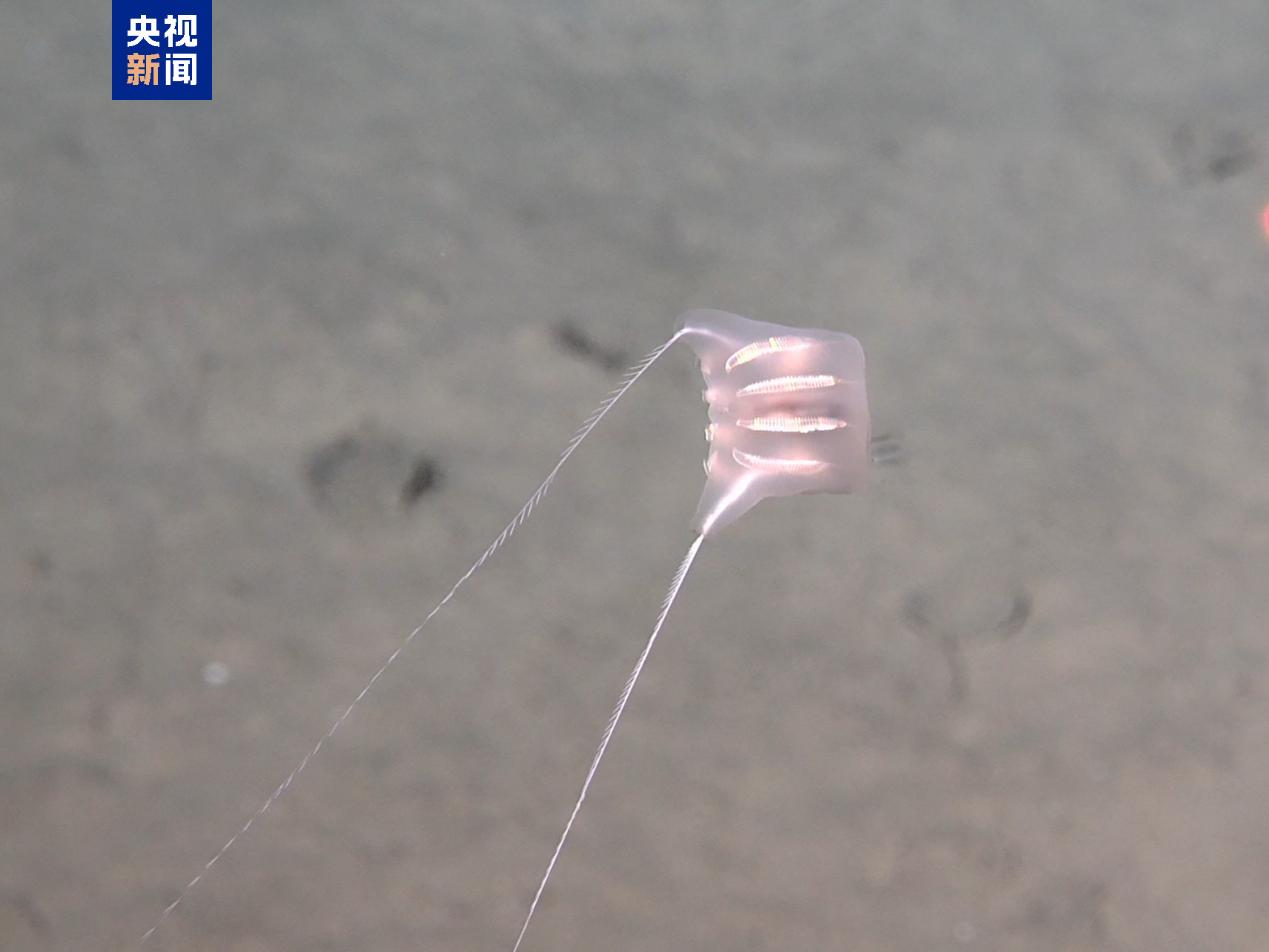
Marine creatures found during the China-Chile deep-see mission.
Focusing on the Atacama and Mussau trenches, the team conducted systematic research on hadal biodiversity, chemosynthetic ecosystems, deep-sea fluid activity and plate subduction mechanisms.
During the mission, Fendouzhe completed 63 dives, including 50 below 6,000 meters, collecting extensive biological and geological samples and high-definition imagery.
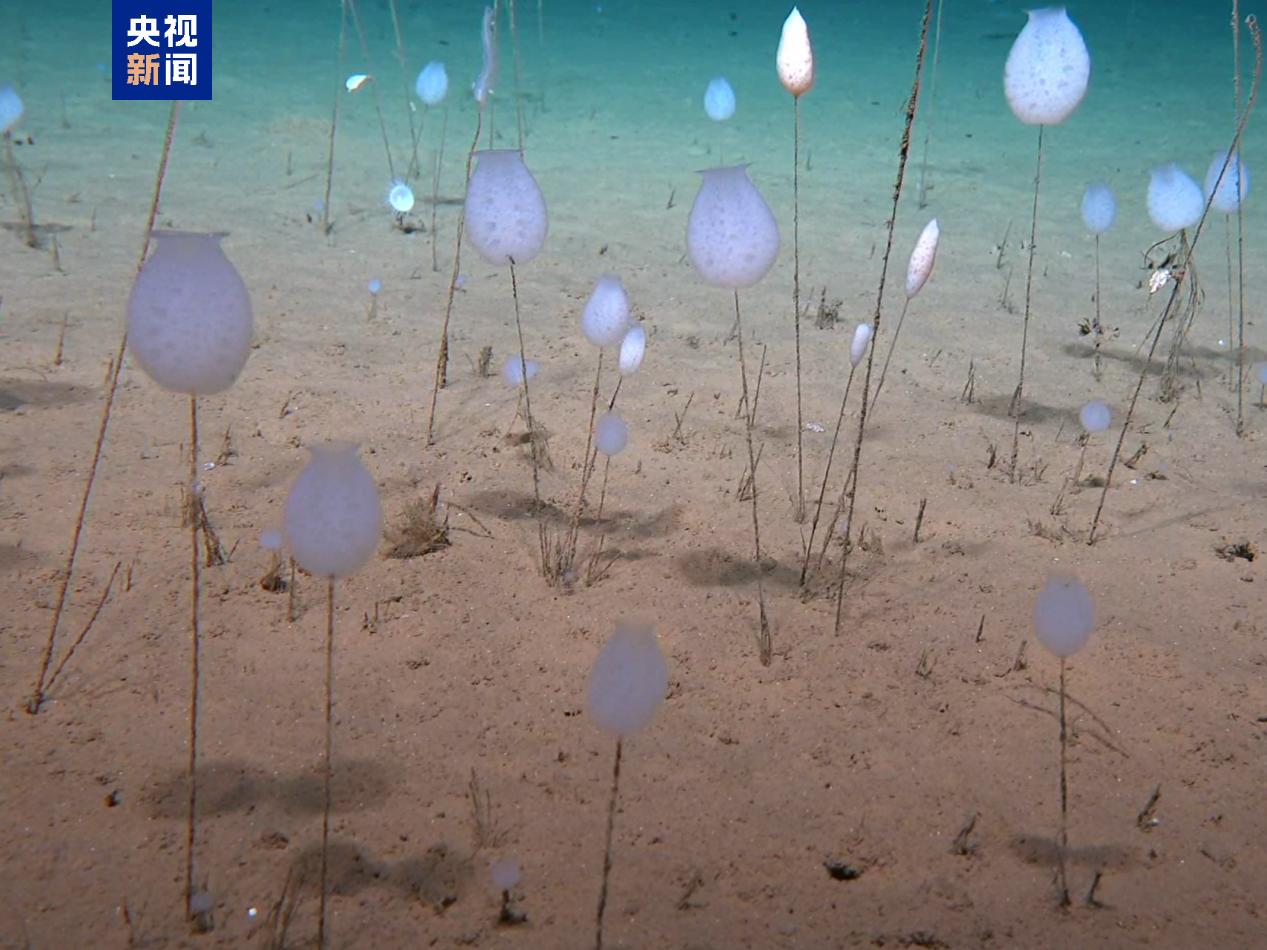
Marine creatures found during the China-Chile deep-see mission.
The expedition achieved several major scientific breakthroughs.
Researchers identified the deepest known chemosynthetic ecosystem in the Southern Hemisphere, a "dark life oasis" sustained entirely by geofluid-driven energy in the absence of sunlight, providing strong evidence for the "global chemosynthetic life corridor" hypothesis and reinforcing the view that life can thrive under extreme deep-sea conditions.
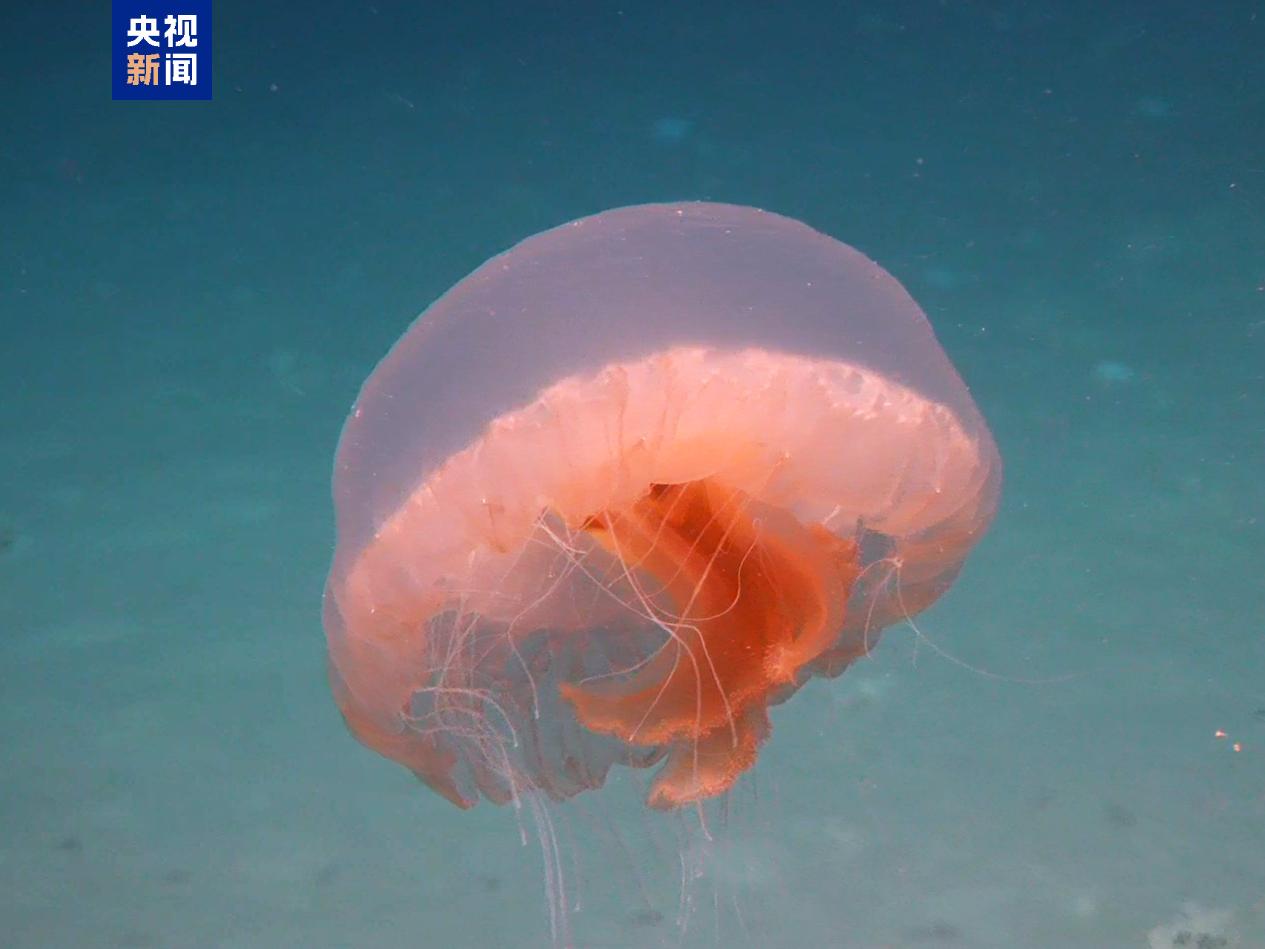
Marine creatures found during the China-Chile deep-see mission.
The team also documented diverse hadal fauna, including at least three species of snailfish capable of withstanding pressures equivalent to about two tonnes per square centimeter, along with abundant benthic organisms, many of which are likely new to science.
In addition, seabed fault-rupture structures linked to historic major earthquakes were discovered, offering rare in-situ evidence of how seismic activity reshapes the seafloor and influences deep-sea habitats.
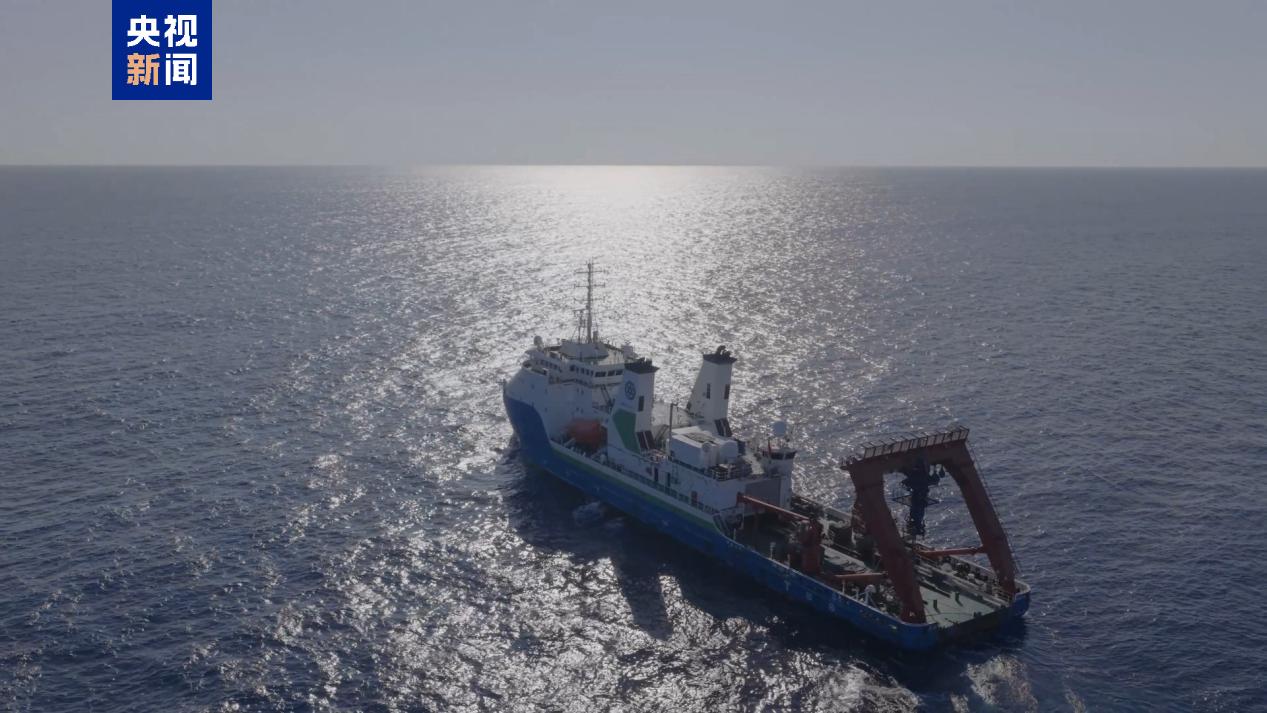
China's research vessel Tansuo-1.
The mission is part of the Global Hadal Exploration Program, which is included in the UN Decade of Ocean Science for Sustainable Development (2021-2030), aiming to advance international cooperation and systematic understanding of Earth's deepest ocean regions.