


During a leisurely walk, Mr. Peng, a resident of Pingdu, Qingdao, East China's Shandong province, was discussing health insurance policies with his neighbors. He recommended a certain medicine over another because it is "category A on the centralized procurement list and requires no payment out of pocket."
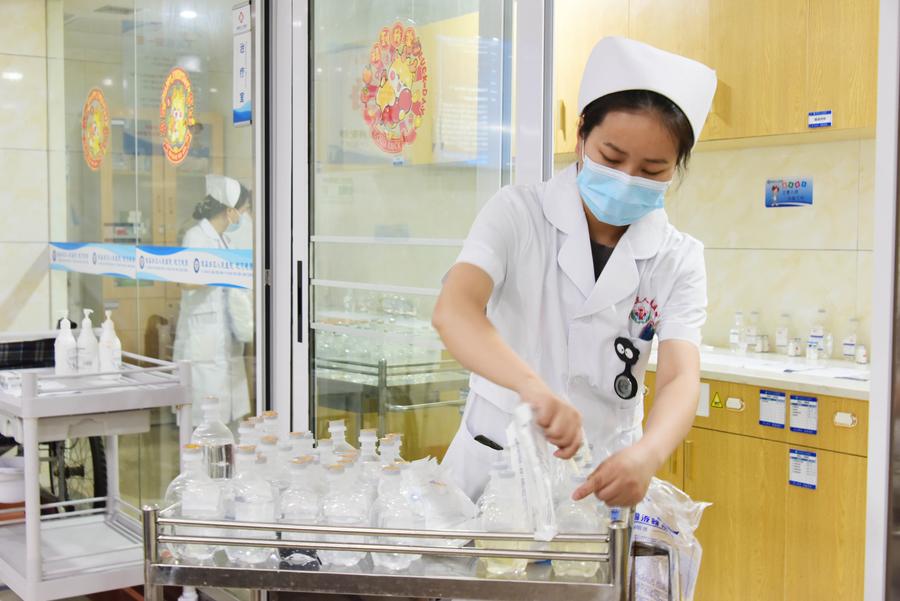
A nurse prepares medicine for patients at the inpatient department of a hospital in Changde, central China's Hunan Province, May 12, 2024. (Photo: Xinhua)
"My family is living well thanks to the ongoing enhancements in medical insurance coverage. My father is now the community's medical insurance promoter," said Mr. Peng's daughter, Peng Leili. The changes in her father's medication expenses highlight the effectiveness of medical insurance reform over the past two decades.
In 2001, Mr. Peng narrowly survived a heart attack at home, thanks the medical knowledge of Peng Leili's grandfather.
"In 2006, he suffered another heart attack and underwent surgery at a county hospital, where he had two heart stents implanted. However, my father did not have medical insurance at that time and had to bear over 50,000 yuan (about $6,873.4) in medical expenses. My mother had to borrow money to cover these costs," Peng Leili explained.
After the operation, her father had to take expensive oral medication for an extended period, with the anti-platelet drug Plavix costing over 20 yuan for a single tablet per day. The monthly cost of treatment exceeded 800 yuan, causing financial hardship for what was otherwise a well-off family.
In 2008, the family pooled money to pay Mr. Peng's overdue basic medical insurance for employees. By 2012, when he retired, the insurance payments were up to date. In 2013, Peng Leili applied for major illness outpatient coverage for her father. "Dad had a safety net for hospital stays and medication," she said.
In 2015, Mr. Peng experienced a flare-up of his chronic illness, requiring two hospitalizations and three heart stent implantations within the year. Thanks to insurance reimbursement and major illness aid, out-of-pocket medical expenses totaled just over 10,000 yuan. His wife, overcome with disbelief, carefully examined the bill and, with tears in her eyes, sighed, "Thank goodness for the insurance!"
After his discharge, Mr. Peng needed to continue taking Plavix, a brand of Clopidogrel used to treat heart disease. Fortunately, the annual reimbursement limit for outpatient with major illnesses covered the cost. Other prescribed medications could also be reimbursed proportionally, providing the family with much-needed peace of mind.
In 2019, Clopidogrel was included in the centralized drug procurement, and Plavix's price per box dropped significantly from 168 yuan to 18 yuan. After reimbursement, the cost was reduced to just a few yuan. "The first time we experienced this benefit, my father looked at the receipt again and again," Peng Leili said.
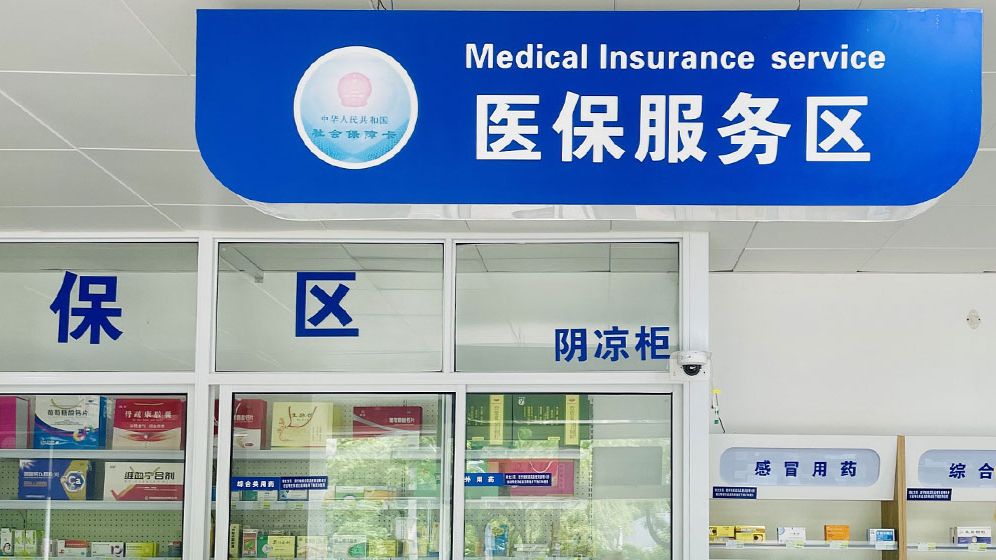
A pharmacy in East China's Shanghai, June 16, 2024. (Photo: CGTN)
Starting in January 2024, the reimbursement rate for ordinary outpatient services in Shandong Province increased again. The annual maximum reimbursement limit for retirees rose from 1,700 yuan to 7,000 yuan. This news brought even more happiness to Mr. Peng, who exclaimed, "Not only is the coverage sufficient for my long-term medication, but it also covers the cost of medicines for common ailments such as colds and diarrhea."
The changes in Mr. Peng's medication expenses over these 20 years reflect the achievements of medical insurance reform. Particularly in the last five years, reforms in centralized drug procurement, catalog negotiations and payment methods have continuously worked toward alleviating people's concerns about medical expenses.
Centralized drug procurement has played a crucial role in driving drug prices back to reasonable levels, thereby reducing the burden of medical expenses for the public. The Communist Party of China and the government have always prioritized making healthcare more affordable and accessible.
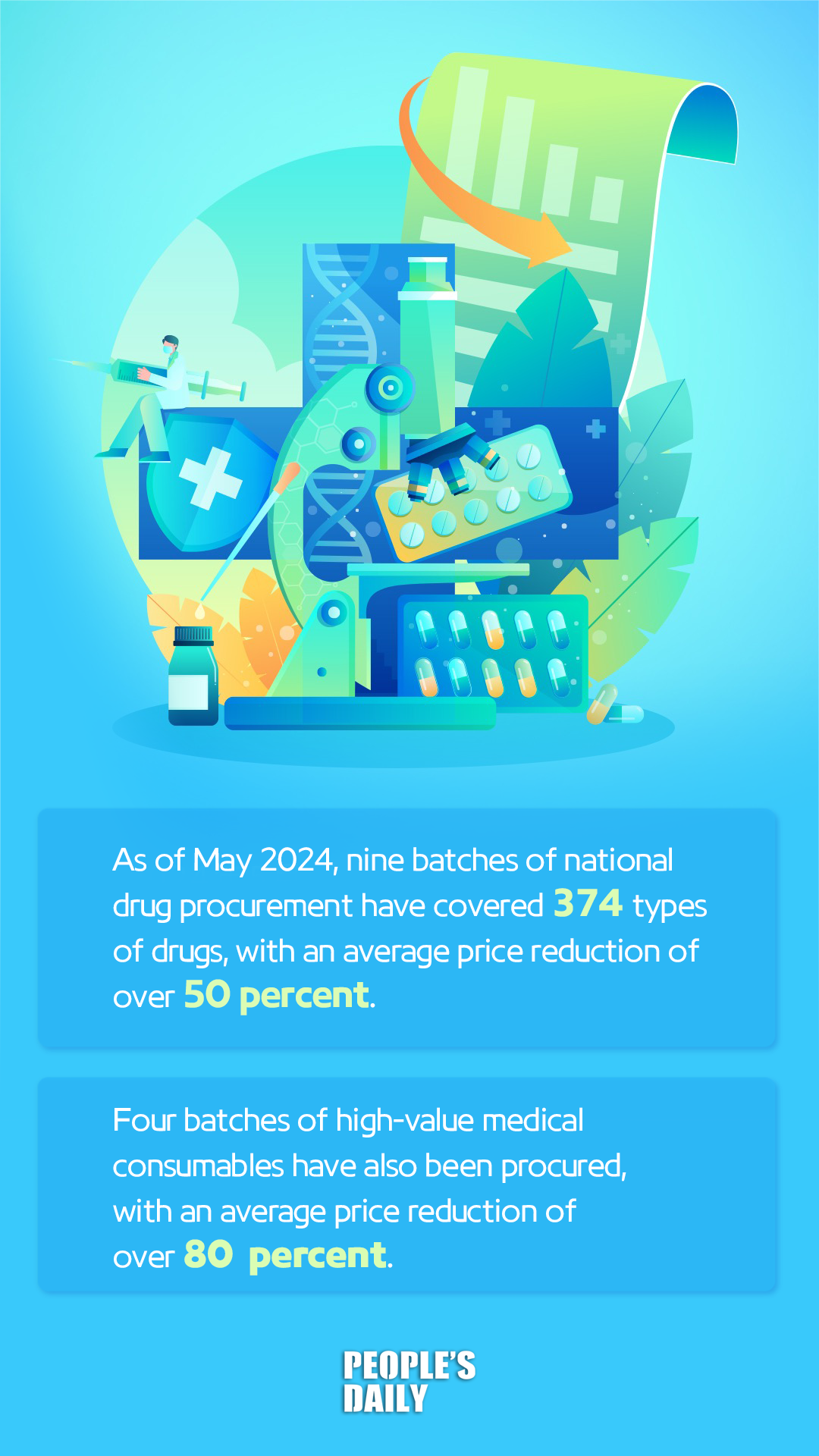
Since 2018, China has implemented pilot programs for centralized drug procurement and usage. These reforms have significantly lowered drug prices. As of May 2024, nine batches of national drug procurement have covered 374 types of drugs, with an average price reduction of over 50 percent. These drugs cover many common chronic diseases, including diabetes, hypertension, heart disease and bacterial infections.
Furthermore, four batches of high-value medical consumables, such as cardiac stents, artificial joints, spinal implants, intraocular lenses and sports medicine consumables, have also been procured, with an average price reduction of over 80 percent.
Centralized procurement of drugs has had a significant impact on reducing the burden of medication costs and improving medication quality, accessibility and treatment outcomes.
National essential drug list negotiations have been crucial in bringing new and effective drugs to the public. With the continuous improvement of public health awareness, there has been an increasing demand for innovative medicines. The drug list covered by medical insurance represents the range of drugs eligible for coverage by the medical insurance fund.
Over the past six years, national essential drug list negotiations have included 446 new and effective drugs. The current national medical insurance catalog comprises 3,088 Western medicines and Chinese patent medicines, along with 892 types of traditional Chinese medicine decoction pieces. Notably, the proportion of newly listed drugs within five years in the annually updated medical insurance catalog has significantly increased, from 32 percent in 2019 to 97.6 percent in 2023.
Including innovative drugs in medical insurance reimbursement systems has positively impacted the public's drug expenses by reducing them and providing a more comprehensive range of clinical drug choices. Various provinces have included eligible ethnic medicines, traditional Chinese medicine decoction pieces and pharmaceutical preparations dispensed by medical institutions in their regional medical insurance catalogs.
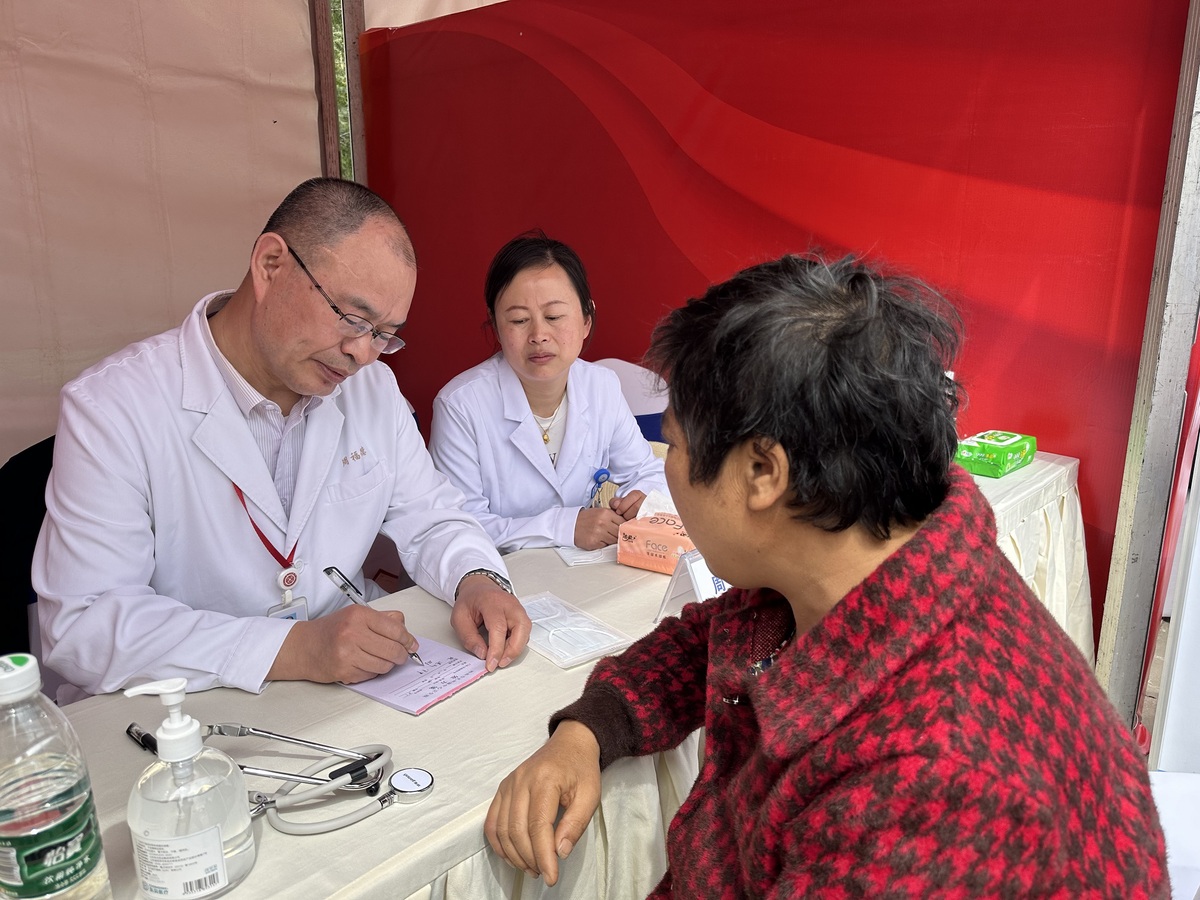
Zhou Fude, a kidney disease specialist from Peking University First Hospital, receives patient in Xichang, Sichuan Province on Mar 27, 2024. (Photo: chinadaily.com.cn)
Medical insurance payment reform boosts the efficiency of using the national medical insurance fund. "For patients, the average expenditure of an inpatient dropped 7.69 percent in 2023 compared to 2018, with continued improving satisfaction. For hospitals, the payment made under the diagnosis-related group (DRG) model saved more than 30 million yuan annually in the last three years compared to that made by single medical items. For the medical insurance system, the expenditure of the medical insurance fund shrank by 1.63 million yuan in 2023 despite the number of inpatients rising by more than 5,000," said Zhang Jinfu, the Party chief of the People's Hospital of Anyang, Central China's Henan Province.
With the adoption of the DRG rules, the hospital has optimized departmental services, reduced patient waiting times, standardized diagnosis and treatment pathways, and decreased healthcare expenditure.
Since its establishment, the National Healthcare Security Administration has promoted a multi-faceted and complex medical insurance payment method based on disease-based payment, launched pilot projects that introduced DRGs and Diagnosis Intervention Packets (DIPs), and initiated a three-year campaign to push forward the reform of DRGs and DIPs payment. As of late 2023, more than 90 percent of the coordinated regions in the country have carried out this reform. Through the reform, medical insurance payment and settlement have become more scientific and practical, achieving positive results in reducing the burden on the people, efficiently using funds and standardizing the behavior of medical institutions.
(Translated by Qiao Wai, Fu Junjie, Shan Xin, Xie Jiahui and Fan Xiaoyu)